
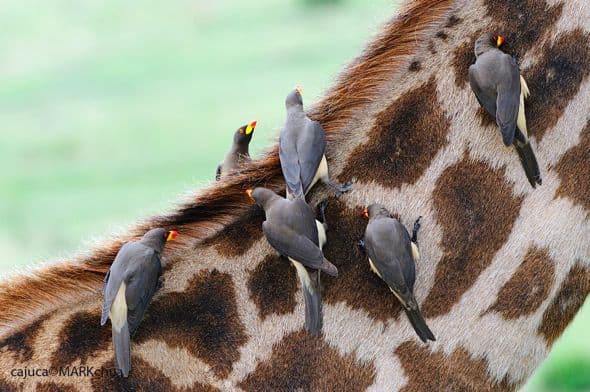
Have you ever wondered, What Bird Eats Parasites off Animals? It’s a fascinating natural teamwork you might not know about.
These special birds play a vital role in the animal kingdom, acting like tiny cleaners that help protect animals from pests. If you want to discover which bird does this incredible job and how this unique relationship works, keep reading.
Understanding this can change the way you see nature and the amazing ways animals support each other.

Credit: sciifii.fandom.com
Birds As Natural Cleaners
Some birds eat parasites off animals. They help keep other animals clean and healthy. These birds act as natural cleaners in many ecosystems.
By removing ticks, fleas, and other pests, these birds protect animals from diseases. They also play a key role in nature’s balance.
Role In Ecosystems
Birds that eat parasites help control pest populations. This reduces harm to animals and plants. Their work supports the health of the entire ecosystem.
These birds also help animals by reducing irritation and infections. Healthy animals can live longer and reproduce more. This keeps animal populations stable.
Common Species Involved
Some well-known birds clean parasites from animals. Oxpeckers are common in Africa. They feed on ticks and dead skin from large mammals.
Other species include cleaner wrens and certain types of starlings. These birds often work near water or in forests. They find parasites on mammals, reptiles, and even birds.
- Oxpeckers (Africa)
- Cleaner wrens (Australia and Asia)
- Starlings (various regions)
- Woodpeckers (some species clean insects)
How Birds Remove Parasites
Some birds help animals by eating parasites off their bodies. These birds clean the animals and keep them healthy.
This behavior is common in places where animals and birds live together closely. The birds get food, and the animals get relief from parasites.
Feeding Behavior
Birds that eat parasites search the skin and fur of animals carefully. They pick off ticks, fleas, and other small bugs.
These birds often use their beaks to remove parasites gently. They may also eat dead skin or dirt from the animal’s body.
- Birds perch on animals to find parasites
- They use quick pecks to grab parasites
- Birds eat parasites to get nutrition
- Some birds stay with animals for a long time
Parasite Targets
Birds mainly eat parasites that live on animal skin or fur. These include ticks, fleas, lice, and mites.
Some birds also remove dead skin and dirt, which helps animals stay clean and healthy.
- Ticks: blood-sucking parasites often found on mammals
- Fleas: small jumping insects that bite animals
- Lice: tiny bugs that live in fur or feathers
- Mites: microscopic parasites that cause itching
Examples Of Parasite-eating Birds
Some birds help animals by eating parasites off their bodies. This behavior is good for both the birds and the animals. The birds get food, and the animals get cleaned.
Here are some common birds known for eating parasites from other animals.
Oxpeckers
Oxpeckers live in Africa and often perch on large mammals like buffalo and rhinos. They eat ticks, dead skin, and other parasites from their hosts. This helps reduce the number of pests bothering the animals.
Cattle Egrets
Cattle egrets follow cows and other livestock. They catch insects that fly up when the animals move. These birds also pick off ticks and other small parasites from the animals’ skin.
- Often seen near farms and grasslands
- Feed on ticks, flies, and grasshoppers
- Help keep livestock healthy by removing pests
Woodpeckers
Woodpeckers peck on tree bark to find insects. Some species also eat parasites from animals like deer or squirrels. They clean the fur and skin by picking out fleas and ticks.
| Bird | Common Hosts | Parasites Eaten |
| Oxpeckers | Buffalo, Rhinos, Zebras | Ticks, Dead Skin |
| Cattle Egrets | Cattle, Horses | Ticks, Flies, Insects |
| Woodpeckers | Deer, Squirrels | Fleas, Ticks |
Benefits To Host Animals
Some birds eat parasites off animals. These birds help keep animals clean and healthy. This relationship benefits the animals they clean.
Parasite-eating birds remove ticks, fleas, and other bugs. This helps animals avoid diseases and skin problems. It also makes life easier for the animals.
Health Improvements
When birds remove parasites, animals have fewer bites and infections. This lowers their risk of getting sick. It also helps their skin stay healthy.
Animals lose less blood and feel less itchy. This saves energy they can use to grow and stay strong. Birds help reduce parasite numbers on hosts.
- Reduces skin infections and wounds
- Prevents blood loss from ticks and fleas
- Lowers chances of parasite-related diseases
- Improves overall animal health and strength
Behavioral Changes
Animals with parasite-eating birds spend less time scratching. They feel more comfortable and relaxed. This helps them focus on eating and resting.
Animals may allow birds to come close. This shows trust and helps the cleaning process. Birds and animals form a peaceful relationship.
- Less scratching and biting at skin
- More calm and relaxed behavior
- Animals stay in one place for cleaning
- Better social interaction with other animals
Mutualism In Nature
Some birds eat parasites off animals. This helps both the bird and the animal. This type of relationship is called mutualism.
In mutualism, both species benefit. The bird gets food, and the animal gets cleaned from parasites.
Symbiotic Relationships
Birds like oxpeckers live on large mammals. They pick ticks and other parasites off the animals’ skin.
This helps the animals stay healthy by removing pests. The birds get a steady food supply.
- Oxpeckers and large mammals, like buffalo and rhinos
- Cattle egrets and grazing animals
- Cleaner birds and various animal species
Evolutionary Advantages
Mutualism helps both species survive better. Animals with fewer parasites are healthier and live longer.
Birds that eat parasites have a reliable food source. This increases their chances of survival and reproduction.
- Animals have less irritation and disease risk
- Birds get easy access to food
- Both species improve their survival rates
Challenges And Threats
Birds that eat parasites off animals face many challenges. These threats affect their survival and their role in nature.
Understanding these challenges helps protect these birds and the animals they clean.
Habitat Loss
Many parasite-eating birds lose their homes due to human activities. Forests and grasslands shrink as land is used for farming and cities grow.
- Deforestation reduces nesting sites.
- Fewer trees mean fewer perches to spot animals.
- Loss of natural habitats lowers food availability.
- Fragmented areas make it hard for birds to find mates.
Impact Of Pesticides
Pesticides used to kill insects can harm birds that eat parasites. These chemicals reduce the number of insects and can poison birds directly.
| Effect | Details |
| Reduced Food Supply | Fewer parasites and insects for birds to eat |
| Poisoning Risk | Birds ingest toxins from treated animals or insects |
| Reproductive Issues | Exposure to chemicals can lower bird fertility |
| Weakened Immune System | Chemicals reduce bird health and survival rates |
Conservation Efforts
Birds that eat parasites off animals play an important role in nature. They help keep other animals healthy by removing ticks and insects. Protecting these birds and their hosts is key to keeping ecosystems balanced.
Conservation efforts focus on saving these birds and the animals they help. Supporting their habitats and promoting biodiversity benefits many species and the environment.
Protecting Birds And Hosts
To protect birds that eat parasites, people work on preserving their homes and food sources. They also protect the larger animals that host these birds. Healthy hosts mean the birds can survive and thrive.
- Creating safe habitats free from pollution
- Limiting pesticide use to protect insects and birds
- Monitoring bird and host populations regularly
- Educating communities about the role of these birds
Promoting Biodiversity
Biodiversity helps keep nature in balance. Birds that eat parasites help control pest populations. Protecting many species supports this natural pest control.
| Species | Role in Ecosystem |
| Oxpecker | Removes ticks from large mammals |
| Cleaner Wrasse | Cleans parasites from fish |
| Cattle Egret | Eats insects stirred by grazing animals |

Credit: uk.news.yahoo.com

Credit: prehistoric-earth-a-natural-history.fandom.com
Frequently Asked Questions
What Bird Eats Parasites Off Animals?
The oxpecker bird is known for eating parasites like ticks off large animals. It helps clean their skin and fur. This symbiotic relationship benefits both the bird and the animal.
How Do Oxpeckers Help Animals?
Oxpeckers feed on ticks, dead skin, and insects on animals. This cleaning reduces parasite loads and skin irritation for the host animals. It improves the animals’ health and comfort.
Which Animals Do Oxpeckers Clean?
Oxpeckers commonly clean large mammals like buffaloes, giraffes, and rhinoceroses. They perch on these animals to pick off ticks and other pests from their bodies.
Are Oxpeckers Harmful To Animals?
Generally, oxpeckers are beneficial by removing parasites. However, sometimes they may peck wounds or eat blood. Overall, their presence helps control parasite infestations.
Conclusion
Birds that eat parasites off animals play a key role. They help maintain the health of various species. These birds are often called “cleaner birds. ” They include the oxpecker and cattle egret. Such birds benefit from the food and animals stay healthy.
This mutual relationship highlights nature’s balance. Understanding these interactions enriches our knowledge. It shows how species rely on each other. Observing these birds in action is fascinating. They demonstrate the wonders of nature. So next time, notice these helpful birds.
They are small, but their impact is big. Nature truly works in amazing ways.



