Have you ever wondered which bird enjoys both seeds and worms for a meal? If you’re curious about the birds visiting your garden or nearby park, understanding their favorite foods can help you attract them right to your window.
Knowing what birds eat can also deepen your connection with nature and make feeding them more rewarding. You’ll discover which birds have a taste for both seeds and worms, and why this mix is important for their health. Keep reading to unlock the secret behind these fascinating feathered friends and learn how you can support them every day.
Common Seed And Worm Eaters
Many birds eat both seeds and worms. This mixed diet helps them get enough energy and nutrients. Birds that eat seeds get carbohydrates and fats. Worms give them protein.
These birds adapt to different environments. They can find seeds and worms in gardens, forests, and fields. This variety helps them survive in many places.
Birds With Mixed Diets
Birds that eat both seeds and worms include robins, sparrows, and thrushes. They change their food based on what is available. In spring, worms are easy to find. In fall, seeds are more common.
- American Robin: eats worms and berries
- House Sparrow: eats seeds and insects
- Song Thrush: eats worms and seeds
- Chickadee: eats seeds and small insects
Habitats And Feeding Grounds
Birds that eat seeds and worms live in many places. Gardens, parks, and forests are common habitats. They look for worms in soft soil. Seeds are found on plants and trees.
These birds often feed on the ground or in bushes. They use their beaks to dig and pick food. Some birds visit bird feeders for seeds during winter.
- Gardens and lawns with moist soil
- Woodlands with plenty of plants
- Fields with seeds and insects
- Urban areas with bird feeders

Credit: valleyfarms.shop
Physical Traits Of Omnivorous Birds
Omnivorous birds eat both seeds and worms. Their bodies show special traits to help them find food.
These traits let them eat a variety of foods. This helps them live in many places.
Beak Shapes For Diverse Diets
Omnivorous birds have beaks shaped for eating both seeds and worms. Their beaks are strong and versatile.
- Short, thick beaks crack hard seeds easily.
- Pointed beaks help catch worms and insects.
- Some have slightly curved beaks to pick food from soil.
- Wide beaks allow grabbing different kinds of food.
Adaptations For Foraging
These birds have strong legs to dig for worms. Their feet help them hold seeds while eating.
| Adaptation | Purpose |
| Strong beak | Crack seeds and catch worms |
| Sharp eyesight | Spot food on ground |
| Agile feet | Hold food steady |
| Strong legs | Dig in soil for worms |
Feeding Behaviors And Techniques
Birds that eat seeds and worms show different ways to find and eat food. They use special skills to get the best meals. These skills help them survive in many places.
Understanding how these birds look for seeds and catch worms shows us their smart feeding habits. They use their beaks and eyes in unique ways to get food.
Foraging For Seeds
Birds find seeds by searching on the ground or in plants. They use their sharp eyes to spot seeds that are easy to eat. Some birds pick seeds from trees or bushes.
These birds often use their strong beaks to crack open hard seed shells. They may also store seeds in their cheeks to eat later or share with others.
- Look for seeds on the ground or in plants
- Use sharp eyes to find seeds quickly
- Crack seed shells with strong beaks
- Store seeds to eat later
Hunting For Worms
Birds hunt worms by watching the soil carefully. They listen and look for small movements under the ground. Worms come out after rain, making it easier for birds to find them.
Birds use their beaks to dig or pull worms from the soil. Some birds tap the ground to make worms move closer to the surface. Then, they catch the worms quickly with their beaks.
- Watch soil for worm movement
- Listen for worms under the ground
- Dig or pull worms out with beaks
- Tap ground to bring worms up
Popular Species Known For Eating Seeds And Worms
Many bird species eat both seeds and worms as part of their diet. These foods provide essential nutrients for their health and energy. Birds adapt to different environments by eating what is available.
This article highlights some popular birds that commonly eat seeds and worms. Understanding their diet helps bird watchers and gardeners support local wildlife.
American Robin
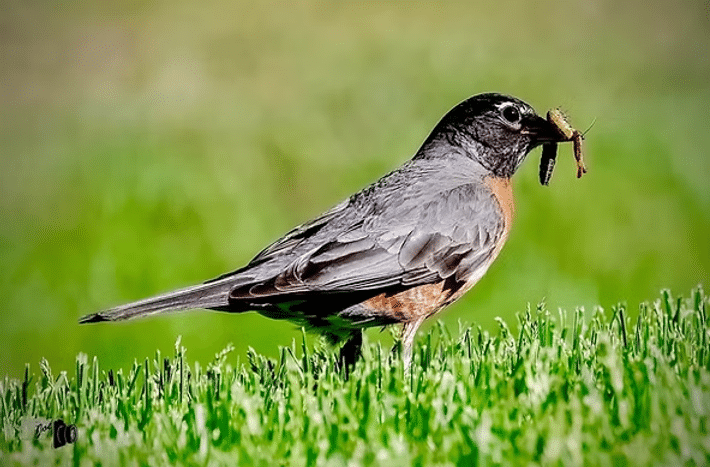
The American Robin is well known for its love of worms. It often pulls worms from the soil in the morning. It also eats a variety of seeds, especially in the fall and winter.
- Worms provide protein and moisture.
- Seeds supply energy and fats.
- Robins eat berries as a supplement.
- They feed their young mostly worms.
House Sparrow
House Sparrows are small birds that eat many types of seeds. They also eat insects like worms, especially during breeding season. Their diet changes based on food availability.
| Food Type | Importance |
| Seeds | Main food source year-round |
| Worms and insects | Key for feeding chicks |
| Grains | Common in urban areas |
Blue Tit
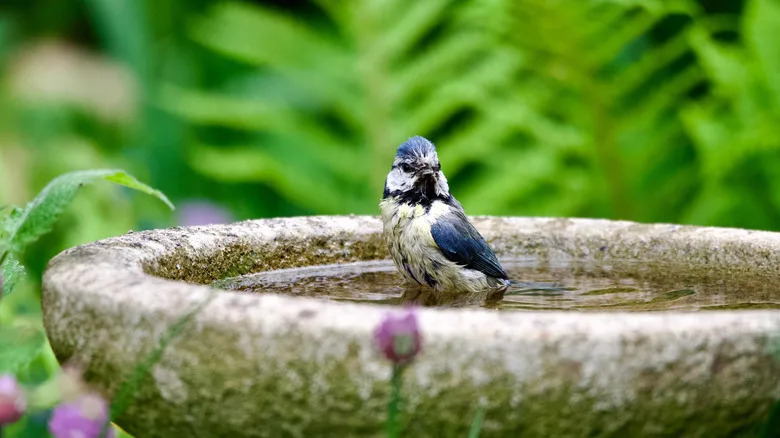
Blue Tits eat seeds and worms to stay healthy. They catch worms from tree bark and soil. Seeds help them during colder months when insects are scarce.
Blue Tit diet facts:
- Worms are rich in protein.
- Seeds provide vital fats and carbohydrates.
- They also eat spiders and small insects.
- They store seeds in tree crevices.
Seasonal Diet Changes
Many birds eat both seeds and worms. Their diet changes with the seasons. This helps them find enough food all year.
Birds adjust what they eat based on food availability. Seeds and worms are key parts of their diet in different times.
Impact Of Weather On Food Availability
Weather affects how easy it is for birds to find food. Cold and wet weather can hide worms underground. Seeds may be covered by snow or rain.
In warm seasons, worms come out more. Seeds are also easier to find as plants produce more. Birds change what they eat to match these conditions.
- Cold weather makes worms harder to find
- Seeds may be buried under snow
- Warm weather brings more worms
- Plants produce more seeds in spring and summer
Diet Shifts Throughout The Year
Birds eat more worms in spring and early summer. Worms are rich in protein, which helps birds during breeding season. Later, birds eat more seeds as worms become scarce.
In fall and winter, seeds are often the main food. Birds store energy by eating high-fat seeds. This diet keeps them strong in cold months.
- Spring/early summer: more worms for protein
- Late summer/fall: mix of seeds and worms
- Winter: mostly seeds for energy
Role In Ecosystem And Seed Dispersal
Many birds eat seeds and worms, playing a key role in nature. They help plants grow by spreading seeds. These birds also keep worm numbers balanced.
Understanding their role helps us see how nature stays healthy and diverse. Birds that eat both seeds and worms connect different parts of the ecosystem.
Benefits To Soil And Plants
Birds that eat seeds help plants spread to new places. When they eat worms, they mix soil and add nutrients. This helps plants grow strong.
- Seed dispersal by birds leads to new plant growth.
- Bird droppings add nutrients to the soil.
- Birds dig in the soil while searching for worms, improving soil air flow.
- This natural process supports healthy plant life.
Controlling Worm Populations
Birds that eat worms help keep worm numbers under control. This prevents worms from damaging plants and soil structure.
| Bird Species | Worm Consumption Rate | Impact on Soil |
| American Robin | High | Improves aeration |
| Common Blackbird | Medium | Balances worm population |
| Song Thrush | High | Controls pests |
Attracting Seed And Worm Eaters To Your Garden
Many birds eat seeds and worms. These birds help keep your garden healthy. Attracting them creates a lively outdoor space.
Providing food and shelter encourages these birds to visit often. This guide helps you learn how to attract seed and worm eaters.
Best Plants And Feeders
Plant native flowers and shrubs that produce seeds. Use feeders that hold seeds and mealworms to attract different birds.
- Sunflowers and coneflowers provide nutritious seeds
- Berry bushes like elderberry offer extra food
- Use tube feeders for small seeds
- Try platform feeders for mealworms and mixed seeds
- Ground feeders attract birds that like to forage
Creating A Bird-friendly Environment
Birds need more than food. Water, shelter, and safety are important for them to stay in your garden.
Plant trees and shrubs to offer cover. Add a birdbath for fresh water. Avoid using chemicals that can harm birds.
- Provide fresh water daily
- Plant dense bushes for nesting
- Keep feeders clean to prevent disease
- Leave leaf litter for worms and insects
- Limit pesticide use to protect wildlife

Credit: www.shutterstock.com

Credit: www.foodforbirds.co.uk
Frequently Asked Questions
What Types Of Birds Eat Seeds And Worms?
Many songbirds, like sparrows and robins, enjoy seeds and worms. They thrive on this mixed diet, gaining protein from worms and essential nutrients from seeds. This combination supports their energy needs and overall health, making them frequent visitors to gardens and feeders where these food sources are available.
Do Finches Eat Seeds And Worms?
Yes, finches primarily eat seeds but sometimes consume worms. While seeds are their main diet, worms provide additional protein, especially during breeding season. This varied diet helps them maintain energy levels and health. Gardeners often attract finches by offering a mix of seeds and occasional worms.
How Do Robins Find Worms?
Robins use their keen eyesight and hearing to locate worms. They often hop around on grass, listening for subtle sounds of worms moving. Once they spot or hear a worm, they quickly peck at the ground to capture it, showcasing their excellent hunting skills.
Why Do Birds Eat Worms?
Birds eat worms for their rich protein content, which is crucial for growth and energy. Worms also provide essential nutrients that support birds’ overall health and vitality. During nesting season, birds particularly rely on worms to feed their young, ensuring proper development and strength.
Conclusion
Birds that eat seeds and worms have a varied diet. This helps them stay healthy and strong. They find seeds for energy and worms for protein. Both foods are important for their survival. Watching these birds can teach us about nature’s balance.
Next time you see a bird, think about what it eats. It’s fascinating how simple foods support wildlife every day. Understanding their diet helps protect these birds better. Nature works in many small, connected ways.