What Bird Makes a Laughing Noise 2026 Guide
Have you ever heard a bird that sounds like it’s laughing out loud? That surprising, joyful noise can catch your attention and make you wonder—what bird makes that laughing sound?
If you’re curious to discover the feathered comedian behind this unique call, you’re in the right place. Keep reading, and you’ll learn all about this fascinating bird, why it laughs, and where you might hear it. Get ready to be amazed by nature’s own jokester!
Laughing Birds Around The World
Some birds make sounds that sound like laughter. These laughing calls are fun to hear. Many species use these calls to communicate.
Birds with laughing calls live in different parts of the world. Their laughs help them find mates or warn others.
Common Species Known For Laughing Calls
Several bird species have distinct laughing sounds. These calls often sound like human laughter or chuckles.
- Australian Laughing Kookaburra – famous for its loud laugh
- Green Woodpecker – makes a laugh-like call in Europe
- Greater Roadrunner – has a cackling laugh in North America
- Spotted Bowerbird – known for mimicry and laughing sounds
- Vervet Monkeybird – uses laughing calls in Africa
Habitats Of Laughing Birds
Laughing birds live in many habitats. They thrive in forests, woodlands, and savannas.
These habitats provide food and safe places to make their laughing calls. Some live near water or in open areas.
- Australian Laughing Kookaburra – lives in eucalyptus forests and woodlands
- Green Woodpecker – found in deciduous forests and parks
- Greater Roadrunner – prefers deserts and scrublands
- Spotted Bowerbird – lives in Australian rainforests and woodlands
- Vervet Monkeybird – found in African savannas and open woodlands

Credit: www.youtube.com
The Kookaburra’s Signature Laugh
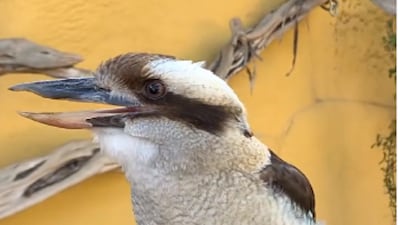
The kookaburra is famous for its loud, laughing call. This sound is often heard in Australian forests and parks. Many people recognize the kookaburra's laugh from movies and nature shows.
The bird's laugh helps it communicate with others. It is a unique sound that stands out in the wild. The kookaburra’s call is part of what makes this bird special.
Physical Traits And Behavior
Kookaburras are medium-sized birds with strong bodies. They have large heads and sharp beaks. Their feathers are mostly brown and white, which help them blend into trees.
These birds live in woodlands and near water. They often sit on branches, watching for prey like insects and small animals. Kookaburras are known to be social and live in family groups.
- Length: About 17 inches (43 cm)
- Weight: Around 0.5 to 0.7 pounds (225 to 320 grams)
- Sharp, strong beak for hunting
- Brown and white feathers with blue wing patches
- Active during the day
Purpose Of The Laughing Call
The kookaburra’s laugh helps mark its territory. It tells other birds to stay away from its area. This call also helps family members find each other in the forest.
The laugh can sound like a group of people laughing together. This makes the forest seem full of life. The call shows the kookaburra is strong and ready to defend its home.
- Marks territory boundaries
- Strengthens family bonds
- Warns rivals to keep distance
- Helps locate other kookaburras
- Creates a lively forest atmosphere
Other Birds With Laugh-like Sounds
Many birds make sounds that sound like laughter. These noises can be fun and surprising to hear. Some birds use these sounds to communicate or scare away predators.
Besides the well-known laughing kookaburra, other birds also produce laugh-like calls. These birds have unique voices that can remind us of human laughter.
Pied Currawong
The Pied Currawong is a bird native to Australia. It has a loud, harsh call that can sound like a cackling laugh. People often hear this bird in forests and city parks.
This bird uses its laugh-like call to warn others of danger. Its sound can be eerie but is part of its natural behavior. The Pied Currawong is black with white patches on its wings.
Lilac-breasted Roller
The Lilac-breasted Roller lives in Africa. It has a cheerful, rolling call that sounds like laughter. This bird is colorful, with bright blues and purples on its feathers.
Its laugh-like sound helps it communicate with other rollers. The call is often heard during flight or when the bird feels excited. The Lilac-breasted Roller is a favorite among bird watchers.
Credit: www.news18.com
Why Do Birds Laugh?
Birds make laughing sounds for many reasons. These sounds help them talk to other birds. Laughing noises can mean different things.
Some birds use these sounds to keep their space safe. Others use them to find a mate or to play with friends.
Communication And Territory
Birds use laughing sounds to tell others they are near. This helps protect their home from intruders. The sound warns other birds to stay away.
- Mark their territory with loud calls
- Warn others of danger or presence
- Show strength and health to rivals
- Keep track of family or group members
Mating And Social Interaction
Laughing sounds also help birds find mates. Birds that laugh can attract partners. These sounds show they are healthy and strong.
| Purpose | How Laughing Helps |
| Attract a mate | Signals health and vitality |
| Build social bonds | Creates fun and trust among birds |
| Play and learn | Encourages interaction and practice |
Human Reactions To Laughing Birds
Some birds make sounds that sound like laughter. These sounds surprise and delight many people. They can even make humans laugh or smile.
People often wonder why these birds laugh. The sounds help birds talk to each other. Humans enjoy hearing these funny noises in nature.
Cultural Significance
Laughing birds appear in many stories and traditions. Different cultures see these sounds in unique ways. Some believe laughing birds bring good luck.
- In Australia, the Kookaburra’s laugh is a symbol of the wild bush.
- Some Native American tribes think laughing birds are messengers.
- In folklore, these birds are often linked to joy and happiness.
- Children learn about nature through the sounds of laughing birds.
Birdwatching Experiences
Birdwatchers love to hear laughing birds. The sounds make the experience more fun and exciting. Many try to spot these birds in the wild.
| Bird Species | Laughing Sound Description | Common Habitat |
| Kookaburra | Loud, echoing laugh | Forests, woodlands |
| Gray Jay | Soft chuckling sounds | Cold forests, mountains |
| Meerkat (bird mimic) | High-pitched laughter | Desert areas |
Frequently Asked Questions
What Bird Is Known For Making A Laughing Sound?
The Kookaburra is famous for its distinctive laughing call. Native to Australia, its laughter-like sound helps mark territory and communicate with others.
Why Does The Kookaburra Make A Laughing Noise?
Kookaburras use their laugh to establish territory and strengthen social bonds. The sound also helps them communicate with family groups during dawn and dusk.
Where Can I Hear Birds Making Laughing Sounds?
Laughing bird sounds are commonly heard in Australian woodlands and forests. The Kookaburra’s call echoes at dawn and dusk, often near rivers and open woodlands.
Are There Other Birds That Make Laughing Noises?
Yes, some birds like the Laughing Gull and certain parrots produce laughing-like sounds. However, the Kookaburra’s laugh is the most recognized and iconic.
Conclusion
Birds that laugh add mystery to nature's chorus. Their unique calls intrigue many. Learning about these birds can enhance your birdwatching experience. The kookaburra, often called the "laughing bird," is famous for its sound. Its call resembles human laughter, captivating listeners worldwide.
Other birds also make joyful sounds, like the green woodpecker and the African grey parrot. Recognizing these calls is fun and educational. Next time you're outdoors, listen closely. You might hear a bird's laughter echoing through the trees. Enjoy nature's symphony and the surprises it holds.
Happy birdwatching!