What Bird Makes a Whistle Noise? Common Species Explained
What Bird Makes a Whistle Noise? Ever walk outside and hear a clear, sharp whistle? You wonder, “What bird made that noise?” That simple sound catches your attention fast.
Many birds use whistles to talk. Some have unique tunes that stand out. Keep reading to learn which birds make these catchy noises. You will learn to spot them easily. This makes your time outside much more fun.
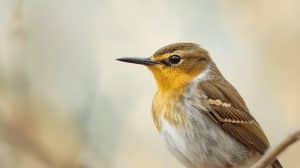
Credit: www.discovermagazine.com
Common Whistling Birds
Many birds produce whistling sounds. They use these sounds to communicate. The whistles sound clear and musical.
Different bird groups use whistles in their own ways. Some sing to find love. Others warn friends of danger.
Songbirds Known for Whistling
Songbirds often have sweet, clear whistles. These sounds make up their songs. People love listening to them.
- American Robin: Sings a rich, musical whistle.
- Northern Cardinal: Has sharp, clear whistles.
- Eastern Wood-Pewee: Makes a soft, dropping sound.
- Song Sparrow: Sings mixed whistles and trills.
Expert Note: Bird experts study the Black-capped Chickadee often. You might hear its classic “fee-bee” or “hey-sweetie” whistle in backyards. The pitch stays the exact same everywhere it lives.
Waterfowl With Whistle Calls
Ducks and swans whistle to stay in touch. They do this while flying or resting. Their calls are loud and travel far.
| Bird | Whistle Description |
| Trumpeter Swan | Soft, flute-like musical sounds. |
| Common Merganser | High, sharp whistles in flight. |
| Wood Duck | Clear, short whistling sounds. |
| American Wigeon | Soft whistles that carry over water. |
Birds Of Prey and Their Whistles
Hawks and falcons use whistles to talk. These sounds warn others or claim space.
- American Kestrel: High, sharp whistle to warn others.
- Red-tailed Hawk: A dropping whistle heard in movies.
- Merlin: Fast series of whistled notes.
Why Birds Whistle
Birds use whistles to send messages. It tells others how they feel.
Different sounds mean different things in bird call meanings. These sounds help them in daily life.
Communication And Territory
Birds whistle to say where they live. This keeps their space safe. The whistle warns rivals to stay away.
- Marks territory with clear sounds
- Tells neighbors where they are
- Keeps other birds out
Mating And Attraction
Birds use whistles to find mates. Males sing strong songs to show health. This helps them find a partner.
| Bird Species | Whistle Purpose |
| Nightingale | Attracts mates with complex songs |
| Canary | Shows fitness through whistling |
| Wood Thrush | Sings to impress females |
Warning Signals
Birds whistle to warn of danger. A sharp sound tells others to hide.
- Short calls for nearby threats
- Repeated whistles mean serious danger
- Pitch changes for different predators
Distinctive Whistle Sounds
Many birds make unique whistling sounds. This helps birds find their own kind. Each bird has a sound you can recognize.
You can learn how they use different tones. Some even change sounds based on location.
Anatomy Fact: Humans use a larynx to speak. Birds use a special organ called a syrinx deep in their chest. This unique part lets birds like Cardinals sing two notes at once!
Pitch And Tone Variations
Bird whistles go from high to low. The tone can be sharp or soft. These changes share different messages.
- High pitch often warns of danger.
- Soft tones say “I am friendly.”
- Clear whistles might attract a mate.
Regional Differences
Birds of the same type might sound different nearby. Local accents help them know their neighbors.
| Region | Whistle Style | Purpose |
| North America | Short and sharp | Warning and alert |
| Europe | Long and melodic | Mate attraction |
| Asia | Complex and varied | Territory marking |
Mimicry And Adaptations
Some birds copy sounds from other animals. This trick helps them stay safe.
- The Northern Mockingbird
- The Lyrebird
- The European Starling
These birds copy sounds to confuse predators.
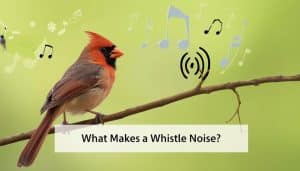
Credit: www.dmackdimages.co.uk
How To Identify Whistling Birds
Many birds make whistling sounds. Knowing them makes birdwatching fun. You can learn to identify them easily.
Listening Tips
Listen to the pitch and speed. Some birds have high, clear whistles. Early morning is the best time to listen.
-
Check if the whistle is short
-
Listen for repeated patterns
-
Note the speed of the sound
Visual Clues
Look for small or medium birds. Many whistlers have thin bodies. Look for small details with good birding binoculars.
-
Check if the bird is alone
-
Look at the tail shape
-
Watch for quick wing movements
Using Technology
Use apps to match recorded whistles. These apps help you name the bird. Record the sound on your phone.
-
Apps show photos and sounds
-
Online libraries help you learn
-
Use a mic for clear audio
Popular Whistling Bird Species
Many birds are famous for their whistles. Their songs are clear and musical. Here are some popular ones.
Northern Cardinal the Northern Cardinal
is famous for its bright red color. Males and females both whistles. They say “cheer, cheer, cheer.” They use this sound to claim space.
Eastern Whip-poor-will
This bird says its own name. It repeats “whip-poor-will” at night. You hear it mostly in the dark. It uses the sound to stay connected.
Common Loon
The Loon makes spooky whistles on lakes. Their calls sound like high yodels. They use these sounds to find mates. It is a classic sound of the north.
Budgerigar
The Budgerigar is a small parrot. They are great whistlers. They mimic tunes and whistle songs. People love them as pets for this reason.

Credit: livingrainforest.org
Attracting Whistling Birds to Your Yard
You can welcome whistling birds to your home. Create a friendly space for them.
Whistling birds bring nice sounds to your yard. You can enjoy their tunes daily.
Creating Suitable Habitats
Birds need places to hide and rest. Plant native trees and bushes. Thick grass offers safety from cats.
Avoid using chemicals in the yard. Birds need insects to eat. Birdhouses give them a home.
-
Plant native trees
-
Provide thick cover
-
Use birdhouses for nests
-
Avoid using pesticides
Food And Water Sources
Birds need fresh food. Give them seeds and nuts. You can also build DIY bird feeders. A birdbath attracts them for a drink.
-
Use feeders with mixed seeds
-
Offer fresh berries
-
Keep birdbaths clean
-
Keep the area safe
Using Bird Calls And Recordings
Playing calls can bring birds closer. Use recordings softly near trees.
Conservation Warning: Be careful with recordings. Never play them during nesting season. It stresses the birds out. They might leave their babies to fight the “digital” rival. Put the bird’s safety first.
Frequently Asked Questions
What Bird Species Commonly Make Whistle Sounds?
Many birds such as the Northern Mockingbird, Eastern Whip-poor-will, and the Common Loon produce whistle sounds. These calls help in communication, mating, and territory defense. Each bird has a distinct whistle tone that aids in species identification.
Why Do Birds Produce Whistle Noises?
Birds whistle to communicate with others, attract mates, and mark their territory. Whistling can also help signal danger or establish social bonds. These sounds are an essential part of their natural behavior and survival.
How Can I Identify A Bird By Its Whistle?
Listen for unique pitch, rhythm, and repetition in the whistle. Bird guides and apps can help match sounds to species. Noting the bird’s habitat and behavior also improves identification accuracy.
Do All Birds Make Whistle Noises?
Not all birds whistle; some use chirps, songs, or calls instead. Whistling is more common in songbirds and certain species like woodpeckers or doves. The sound type varies widely depending on species and purpose.
Conclusion
Birds create captivating sounds. Whistles are among the most intriguing. Many birds whistle, such as the Black-capped Chickadee and Northern Cardinal. Understanding these sounds enriches our connection to nature. Birdwatching becomes more enjoyable. We gain insight into their behavior. Recognizing these calls enhances our outdoor experiences.
Listening to birds can be soothing. It brings peace and joy. Next time you’re outside, listen closely. You might hear a bird’s whistle. Embrace the melodies of nature. Appreciate the beauty they bring. These sounds are nature’s music. They remind us of life’s simple wonders.
Enjoy the symphony around you.