What Do Bird Noises Mean? Understanding Bird Communication
Have you ever paused to listen to the birds around you and wondered what do bird noises mean? Those chirps, whistles, and songs are not just random sounds—they carry messages. Understanding bird sounds meaning can give you a fresh perspective on nature.
Birds rely on sound to communicate. Different pitches, patterns, and rhythms share information about danger, food, territory, and mates. Learning the types of bird sounds helps you notice what’s happening even when birds are hidden.
By the end of this guide, you will understand bird sounds, why birds make them, and how to interpret what you hear daily.
Types Of Bird Sounds
Birds make many sounds, each with its own meaning.
These sounds help them warn, locate friends, or attract mates.
Songs Vs Calls
Bird songs are long and complex. Birds use songs mostly to mark territory and attract mates.
Calls are short and simple. Birds use them for quick messages like warnings or staying in touch.
Songs are musical and last longer
Calls are brief and serve many purposes
Songs often happen during breeding season
Calls happen any time of year
Understanding the difference between bird calls and songs is the first step in learning bird language.
Alarm Calls
Alarm calls warn others about danger. These sounds are sharp and loud.
Birds use them to scare predators or alert their group. Many respond quickly.
Warn about predators like cats or hawks
Help birds hide or fly away
Often harsh or quick
Contact Calls
Contact calls help birds stay in touch. These sounds are soft and repeated.
Birds use contact calls to find their flock or family.
Used while flying or feeding
Help birds locate each other
Sound gentle and steady
Mating Songs
Mating songs are sung by males to attract females. These are often the most beautiful sounds.
Complex and melodic
Used during breeding season
Help establish territory
Reasons Birds Make Noise
Birds make different sounds for survival. Bird calls and songs tell us what they are doing or feeling.
Territory Defense
Birds protect their area with sound. Loud calls warn others to stay away.
Strong calls mark their home area
Repetitive sounds show the bird is serious
Attracting Mates
Birds sing to find a partner. Their sounds show health and strength.
Complex songs impress potential mates
Clear calls signal good health
Some perform sounds during courtship
Warning Signals
Sharp sounds warn of nearby danger. These keep birds safe.
High-pitched calls signal danger quickly
Different sounds mean different threats
Birds respond fast
Communication Within Flocks
Birds talk within their group. They share information about food and safety.
Contact calls keep flocks connected
Food calls show where to find meals
Alarm calls warn about dangers
Decoding Bird Calls
To understand what do bird sounds mean, listen carefully to the sound and context.
Tone And Pitch
Tone is how the sound feels—soft or harsh. Pitch is how high or low the sound is.
High-pitched calls often mean alarm
Low-pitched sounds show calm or contentment
Sharp tones signal aggression or danger
Smooth tones indicate friendly communication
Repetition Patterns
Birds repeat sounds in patterns. This helps send clear messages.
| Pattern | Meaning |
|---|---|
| Short, quick repeats | Alert or danger nearby |
| Long, steady repeats | Territory marking or mate attraction |
| Irregular repeats | Searching for food or signaling confusion |
Contextual Clues
Bird calls change with situations. Watch the bird’s actions.
Time of day: some calls are for dawn or dusk
Nearby threats: louder calls if predators are close
Social setting: calls differ when alone or in groups
Environment: dense woods or open fields affect sound

Credit: www.chewy.com
Bird Language And Behavior
Bird noises carry meanings feelings, warnings, and social signals.
Social Hierarchy Signals
Dominant birds make strong, clear calls
Subordinate birds use quieter sounds
Some calls warn others to stay away
Friendly calls keep the group together
Parent-offspring Communication
Parents and chicks share special calls to stay connected.
| Call Type | Purpose |
|---|---|
| Begging Call | Chicks ask for food |
| Contact Call | Keep family close |
| Alarm Call | Warn of danger |
| Feeding Call | Parents signal food arrival |
Seasonal Variations
Bird calls change with seasons:
Spring: Songs are long and complex
Summer: Calls help raise young
Fall: Group calls increase for migration
Winter: Simple calls maintain contact
Tools For Bird Sound Identification
Bird sounds provide information about behavior and environment. These tools help bird watchers and researchers.
Mobile Apps
Record bird calls with your phone
Use sound recognition
Access large bird sound databases
Save favorites for study
Field Guides
Printed guides: photos, range maps, call descriptions
Digital guides: audio clips, search functions, updates
Regional guides: focus on local species
Recording Equipment
Handheld digital recorders
Directional microphones
Windshields reduce noise interference
Tripods keep equipment steady
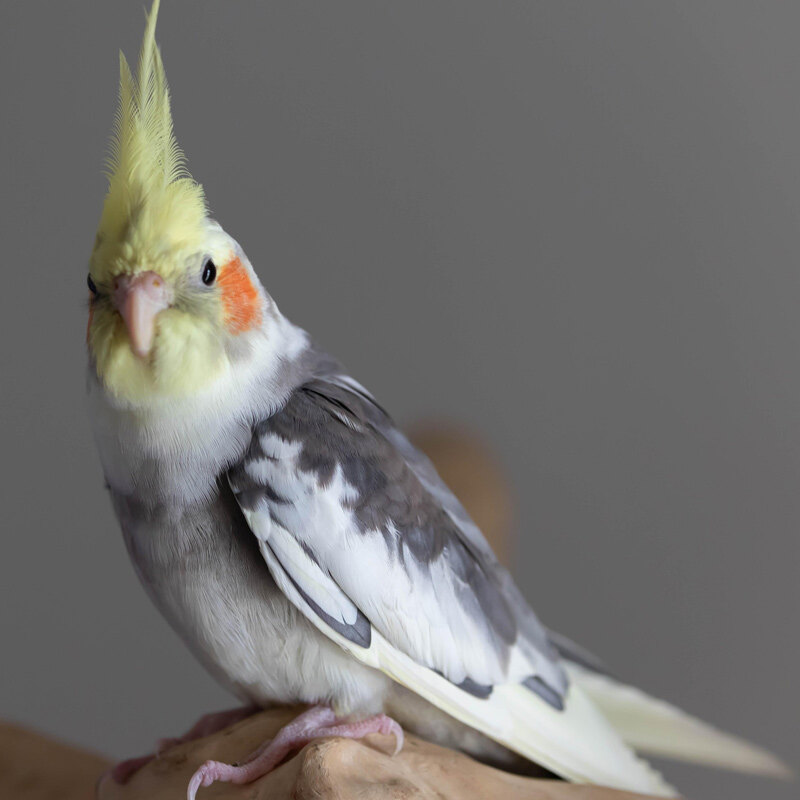
Credit: lafeber.com
Benefits Of Listening To Birds
Bird sounds make outdoor experiences relaxing and educational.
Enhancing Birdwatching
Identify species by calls
Locate hidden birds
Understand bird behavior
Environmental Awareness
Loud singing: healthy habitat
Sudden silence: possible threat
Alarm calls: predators nearby
Mental Well-being
Listening reduces stress
Improves focus and mood
Tips:
Find a quiet spot
Close eyes and listen
Notice different calls and songs
Take deep breaths

Credit: lafeber.com
Frequently Asked Questions
What Do Different Bird Noises Indicate?
Bird noises indicate communication, mating calls, territory defense, or alarms.
How Can I Identify Bird Species By Their Sounds?
Each species has unique calls. Learn patterns to identify them.
Why Do Birds Sing More During Mornings?
Morning singing attracts mates and establishes territory.
What Does A Bird’s Alarm Call Mean?
Alarm calls warn of predators or nearby danger.
Conclusion
Understanding bird noises helps us connect with nature. Birds communicate many things. Food, danger, and mating signals. Listening carefully reveals their world. Each chirp or song has meaning. A call for help or a greeting. Observing these sounds enriches our outdoor experiences.
Next time you hear birds, pause. Listen. Decode their messages. Appreciate their vibrant language. This adds depth to our understanding of wildlife. It enhances our bond with nature. Learning their sounds is a small step. But it brings great joy.
And a deeper appreciation for our feathered friends.