What Bird Sounds Like the Predator: Nature’s Master Mimics
Have you ever heard a bird call and felt a chill run down your spine? Some bird sounds are so eerie and intense that they remind you of a lurking predator. In fact, many ask, ‘What Bird Sounds Like the Predator?’ This inquiry reveals the fascinating world of avian mimicry.
But which bird actually sounds like a predator? If you’re curious about these mysterious calls and what makes them so striking, you’re in the right place. This article will reveal the bird that mimics the fearsome sounds of a hunter, answering the question, ‘What Bird Sounds Like the Predator?’ and explaining why its call can trigger a powerful reaction in your brain.
Keep reading—you won’t believe how nature plays tricks on your senses.
By understanding ‘What Bird Sounds Like the Predator,’ we can appreciate the clever adaptations in nature.
/https://tf-cmsv2-smithsonianmag-media.s3.amazonaws.com/filer/ed/80/ed801f40-fd86-4aaa-a5a4-6b9477f98883/257482.jpg)
Credit: www.smithsonianmag.com
Mimicry In The Bird World
Birds use mimicry to copy sounds from other animals or their environment. This helps them survive and communicate.
Understanding ‘What Bird Sounds Like the Predator’ helps us connect with nature’s intricacies.
Some birds sound like predators to scare off threats or rivals. This clever trick is part of their natural behavior.
Types Of Bird Mimicry
Species that answer the question, ‘What Bird Sounds Like the Predator?’ showcase the diversity of bird calls.
Birds mimic sounds in different ways. Some copy other birds, while others imitate animals or even machines.
- Acoustic mimicry:Imitating predator calls to warn or scare.
- Social mimicry:Copying calls of other bird species to join flocks.
- Environmental mimicry:Reproducing sounds like car alarms or human noises.
- Sexual mimicry:Using complex sounds to attract mates.
Purpose Behind Mimicking Sounds
Birds mimic sounds for many reasons. Some want to protect themselves from danger. Others use mimicry to find food or mates.
When identifying birds, ask yourself: ‘What Bird Sounds Like the Predator?’ to heighten your awareness.
| Purpose | Explanation |
| Defense | Scaring predators by sounding like a threat. |
| Communication | Joining groups or warning others of danger. |
| Attracting mates | Showing off vocal skills to find a partner. |
| Hunting | Luring prey by copying harmless sounds. |
The Predator-sounding Bird
Some birds use sounds that trick other animals. These sounds often mimic predator calls. This helps protect the bird or scare off threats.
Scientists study these birds to understand how they use sound. This behavior shows how clever birds can be in the wild.
Identifying The Trickster Species
One well-known bird that mimics predator sounds is the Northern Mockingbird. It can copy the calls of hawks and owls. This confuses other animals nearby.
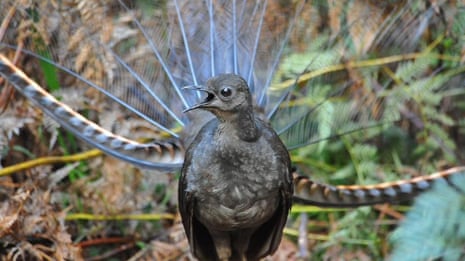
The Lyrebird from Australia is another expert mimic. It uses sounds from many animals, including predators. This helps it stay safe and protect its territory.
-
- Northern Mockingbird: copies hawk and owl calls
- Lyrebird: mimics many predator sounds
- Gray Catbird: imitates nearby threats
The question ‘What Bird Sounds Like the Predator?’ often leads birdwatchers to discover unexpected species.
Distinctive Calls That Mimic Predators
These birds produce sharp, loud calls that sound like predators. The calls warn other birds and animals to stay away. This can stop attacks or fights.
For example, the Northern Mockingbird’s hawk call sounds harsh and quick. It can make small birds hide fast. The Lyrebird’s mimicry is so good it copies many sounds in one song.
- Hawk calls: sharp and high-pitched
- Owl hoots: deep and slow
- Other predator sounds: varied and loud
How Mimicry Benefits The Bird
Some birds copy sounds of other animals. This helps them survive in the wild. Mimicry can protect birds and help them find mates.
Birds that answer ‘What Bird Sounds Like the Predator?’ can captivate both seasoned birders and novices alike.
By sounding like predators or other birds, these birds can avoid danger and attract partners. This shows how mimicry is useful in nature.
Deterring Predators And Competitors
Mimicry helps birds scare away threats. When a bird sounds like a predator, other animals may stay away. This lowers the chance of attacks.
- Scares predators by copying their calls
- Fools competitors to avoid fights over food
- Protects nests by sounding like dangerous animals
Attracting Mates Through Unique Calls
Birds also use mimicry to impress mates. Unique calls show they are strong and smart. This helps them find partners and reproduce.
| Call Type | Purpose | Effect on Mates |
| Mimic of predator | Show power | Increases attraction |
| Imitation of rival bird | Display skill | Signals fitness |
| Complex mixed calls | Demonstrate intelligence | Boosts mate interest |
Examples From Different Regions
Some birds copy sounds made by predators. This helps them scare other animals or protect themselves.
Exploring ‘What Bird Sounds Like the Predator?’ can transform your understanding of avian behavior.
Birds from different parts of the world mimic the calls of raptors or other dangerous birds. This trick helps them survive.
Birds Mimicking Raptors In North America
In North America, some birds copy hawks or owls. These sounds scare smaller birds and animals away.
The Northern Mockingbird is famous for copying the calls of birds of prey. It uses these sounds to protect its nest.
Many enthusiasts wonder, ‘What Bird Sounds Like the Predator?’ as they embark on their birdwatching journeys.
- Northern Mockingbird mimics Red-tailed Hawk calls
- Blue Jay copies the sharp cry of hawks
- American Crow can imitate owl sounds
Trickster Birds In Tropical Forests
In tropical forests, some birds mimic predator sounds to fool other animals. This helps them avoid danger or steal food.
The Greater Racket-tailed Drongo is a well-known trickster. It copies many predator calls to scare other birds.
- Greater Racket-tailed Drongo copies hawks and eagles
- Fork-tailed Drongo uses mimicry to steal food
- Cassowaries create deep booming sounds that scare other animals
Scientific Studies On Bird Mimicry
Some birds can copy the sounds of predators. This behavior helps them survive in the wild. Scientists have studied how birds learn and use these sounds.
Research into ‘What Bird Sounds Like the Predator?’ can reveal significant insights about species interactions.
Bird mimicry of predators is a fascinating topic. Research shows it can protect birds from danger by confusing threats.
Research Methods And Observations
Scientists observe birds in nature to study mimicry. They record bird calls and compare them to predator sounds. This helps identify which birds copy predators.
Experiments play a key role. Researchers play predator sounds near birds to see their reactions. They also watch how other animals respond to these mimic sounds.
- Field recordings of bird and predator calls
- Playback tests to observe bird and animal reactions
- Long-term observation of bird behavior
Key Findings On Predator Sound Mimicry
Birds that mimic predators often scare away other animals. This mimicry lowers the chance of attack. Some birds copy hawks, owls, or snakes.
Understanding ‘What Bird Sounds Like the Predator?’ gives us a unique perspective on ecological relationships.
Studies show mimicry varies by species and location. Some birds use mimicry more in risky areas. Others combine mimicry with other defense tactics.
- Mimicry can protect birds from predators
- Birds copy sounds of local predator species
- Effectiveness depends on habitat and predator presence
How To Identify The Predator Mimic
Some birds make sounds like predators to protect themselves. These sounds can scare other animals away. Knowing how to identify these birds helps birdwatchers understand their behavior better.
Recognizing ‘What Bird Sounds Like the Predator?’ can enhance your skills as a birdwatcher.
Predator mimics often copy the calls of hawks or owls. Learning to recognize these sounds can make your birdwatching more interesting and safe.
Listening Tips For Birdwatchers
Pay close attention to unusual bird calls that sound like predators. These calls might be sharp, loud, or eerie. Listen for sudden changes in the sounds around you.
Try to remember common predator sounds in your area. Practice by listening to recordings of hawks or owls. This helps you spot when a mimic is making the call.
- Focus on loud, sharp calls that startle other birds
- Note if the call repeats at odd times, like midday
- Compare calls with known predator sounds you have heard
- Use a sound app to record and play back calls for study
Visual Clues To Confirm The Species
Look closely at the bird making the sound. Predator mimics often have different shapes or colors than real predators. Watch how the bird moves and where it hides.
Some mimic birds are small but act very bold. They may puff up their feathers or stay near nests. Use binoculars to get a clear view without disturbing them.
- Check size: predator mimics are usually smaller than real predators
- Observe colors: mimic birds may have bright or patterned feathers
- Watch behavior: mimics might be more active and less silent
- Note habitat: mimics often live near places where they can hide easily
Impacts On Ecosystems
Some birds make sounds that mimic predators. These sounds can change how animals behave around them. This affects the balance of nature in many ways.
Understanding how these bird sounds impact ecosystems helps us see their role in keeping nature healthy. These sounds influence both prey and other predators.
Influence On Prey And Predator Behavior
The impacts of ‘What Bird Sounds Like the Predator?’ can be profound in real ecosystems.
Birds that sound like predators can scare prey animals. Prey may stop moving or hide to avoid danger. This helps prey stay safe from real predators.
Predators also listen to these sounds. They might avoid places where bird sounds warn of danger. This changes how predators hunt and move in the area.
- Prey animals become more cautious
- Predators may change hunting routes
- Bird sounds can create safe zones for prey
- Both prey and predators adjust their daily activities
Role In Maintaining Ecological Balance
Birds that mimic predator sounds help keep ecosystems balanced. Their sounds control how many animals move and where they go. This stops any one species from taking over.
By asking ‘What Bird Sounds Like the Predator?’ we learn about crucial environmental dynamics.
These sounds also support plant life. When prey hides more, plants get less damage. This helps plants grow and supports other animals too.
- Controls animal populations
- Protects plant growth by reducing overgrazing
- Supports diversity by balancing predator-prey relationships
- Helps ecosystems stay healthy and stable
Credit: articlebay.medium.com
Credit: www.theguardian.com
Frequently Asked Questions
What Bird Call Sounds Like A Predator’s Roar?
When children ask, ‘What Bird Sounds Like the Predator?’ it offers a chance for fun learning moments.
The Lyrebird mimics predator sounds like the barking owl. This bird uses mimicry to protect itself and confuse threats. Its calls can imitate various predators, making it a master of disguise in the wild.
Why Do Some Birds Mimic Predator Sounds?
Birds mimic predator sounds to scare off rivals or predators. This behavior helps them protect nests and territory. It also tricks other animals into thinking a dangerous predator is nearby, enhancing the bird’s safety.
Which Birds Are Known For Predator Sound Mimicry?
Lyrebirds, mockingbirds, and some crows mimic predator sounds. These species use mimicry as a defense mechanism. Their ability to imitate predators helps them survive in diverse environments.
Can Bird Mimicry Confuse Humans Or Animals?
Exploring ‘What Bird Sounds Like the Predator?’ raises awareness of avian challenges.
Yes, bird mimicry can easily confuse both humans and animals. The realistic predator sounds may cause fear or caution. This adaptation increases the bird’s chances of avoiding danger.
Conclusion
Identifying bird sounds can be fascinating and fun. Birds like the Common Nighthawk mimic the Predator’s unique clicks. These sounds create a mysterious and thrilling experience. Recognizing these calls enhances your connection with nature. It’s amazing how birds imitate such famous sounds.
Engaging with ‘What Bird Sounds Like the Predator?’ adds layers to your birding adventure.
Next time you’re outdoors, listen carefully. Spotting these sounds adds excitement to birdwatching. Share your discoveries with friends and family. Make it an adventure. Nature offers endless surprises for those who listen closely. Enjoy every sound and moment in the wild.
Ultimately, the question ‘What Bird Sounds Like the Predator?’ enriches our understanding of nature.
Happy bird listening!