Are you wondering what bird will use a mountain bluebird house you set up in your yard? If you’ve put in the effort to build or buy one, you want to know who might move in.
Understanding which birds are attracted to these special houses can help you create the perfect home for them. Keep reading to discover the surprising visitors that might make your mountain bluebird house their new nest—and how you can welcome them with open arms.

Credit: www.birdwatchingdaily.com
Mountain Bluebird Habitat
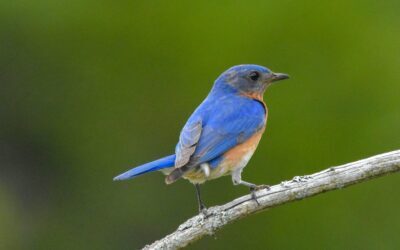
The Mountain Bluebird is a small bird known for its bright blue feathers. It lives in open areas with few trees. This bird likes places where it can find food and build nests easily.
Understanding where Mountain Bluebirds live helps us build houses that suit their needs. These homes protect them from weather and predators.
Preferred Environments
Mountain Bluebirds prefer open spaces with short grass and scattered trees. They often choose areas like meadows, mountain valleys, and high plains. These places give them good views to spot insects and small prey.
- Open fields and grasslands
- Mountain slopes with few trees
- Areas near farms and ranches
- High elevation valleys and meadows
Nesting Behavior
Mountain Bluebirds build nests in holes or cavities. They use old woodpecker holes or natural tree cavities. They also use bluebird houses placed by people. The nests are made from grass, pine needles, and feathers.
| Stage | Description |
| Egg Laying | 3 to 7 eggs laid inside the nest |
| Incubation | About 2 weeks by the female |
| Hatching | Chicks hatch and stay in the nest |
| Fledging | Chicks leave nest after 3 weeks |
Primary Users Of Bluebird Houses
Bluebird houses provide safe places for birds to nest. Many bluebird species use these homes during breeding season. These houses help protect them from predators and harsh weather.
Knowing which birds use bluebird houses helps you place and maintain them well. Below are the main bluebird species that commonly use these houses.
Mountain Bluebird
Mountain bluebirds prefer open areas like meadows and mountains. They choose bluebird houses placed on poles in these wide spaces. These birds often nest in early spring.
- Bright blue males and lighter blue females
- Eat mostly insects and berries
- Use houses placed 4 to 6 feet above ground
- Prefer houses with an entrance hole about 1.5 inches wide
Western Bluebird
Western bluebirds live in open woodlands and forest edges. They often use bluebird houses in parks and gardens. These birds like houses near trees for easy food access.
| Feature | Description |
| Appearance | Bright blue with rust-colored chest |
| Nesting Height | 5 to 10 feet above ground |
| Entrance Hole Size | 1.5 inches diameter |
| Diet | Insects, berries, and fruits |
Other Bluebird Species
Besides mountain and western bluebirds, other species may use bluebird houses. These species are less common but still important to watch for in your area.
Other bluebird species include:
- Eastern Bluebird – found in eastern parts of North America
- Florida Scrub-Jay – native to Florida scrub habitats
- Other cavity-nesting birds that may share houses
Secondary Visitors And Competitors
Mountain bluebird houses attract other birds besides bluebirds. These visitors may compete for space or share the habitat. Understanding who these birds are helps you manage the birdhouse better.
Some birds are friendly neighbors, while others may cause conflicts. Below are common secondary visitors and competitors found in mountain bluebird houses.
Tree Swallows
Tree swallows often use bluebird houses as secondary visitors. They are cavity nesters and like open habitats. Tree swallows can compete with mountain bluebirds for nest sites.
- They prefer similar house sizes and entrance holes.
- Tree swallows eat flying insects, reducing food competition.
- They may take over a house if it is vacant early in the season.
House Wrens
House wrens are small but aggressive competitors. They often enter bluebird houses and build thick twig nests. This can block bluebirds from using the house.
| Behavior | Effect on Bluebirds |
|---|---|
| Fills house with sticks | Prevents bluebirds from nesting |
| Attacks other birds | Creates stress for bluebirds |
| Uses multiple houses | Increases competition for space |
House Sparrows
House sparrows are invasive and strong competitors. They often displace native birds from bluebird houses. Their presence can reduce bluebird nesting success.
- They are larger and more aggressive than bluebirds.
- House sparrows can destroy eggs and young birds.
- They build bulky nests that block the house.
- Removal may be needed to protect bluebirds.
Attracting The Right Birds
The mountain bluebird is a beautiful bird that needs the right home. A special birdhouse can help attract it to your yard.
Choosing the right place and design for the house makes a big difference. These tips will help you invite mountain bluebirds.
House Placement Tips
Place the birdhouse where mountain bluebirds feel safe and comfortable. They like open areas with few trees nearby.
Keep the birdhouse away from busy human spots and predators like cats and raccoons.
- Mount the house 4 to 6 feet above the ground
- Face the entrance away from strong winds
- Choose a spot with open fields or grasslands nearby
- Avoid placing near dense trees or shrubs
- Keep the area quiet and free from disturbance
Design Features That Matter
Mountain bluebirds prefer a simple, sturdy birdhouse. The design should protect them from rain and predators.
Size and entrance hole measurements are important to let the bluebirds in but keep others out.
- Use untreated wood to build the house
- Entrance hole should be 1.5 inches wide
- Inside floor size around 5 by 5 inches
- Provide ventilation holes near the top
- Include a small overhang above the entrance
- Make sure the house is easy to clean after nesting season
Maintaining Bluebird Houses
Bluebird houses need regular care to keep birds safe and healthy. Proper maintenance helps attract mountain bluebirds and protects their nests.
Cleaning and preventing predators are key tasks. Follow simple steps to keep your bluebird house in good condition year after year.
Cleaning Schedules
Clean bluebird houses at least once a year. The best time is after the breeding season ends in late summer or early fall. Remove old nests and debris to prevent parasites and disease.
- Open the house carefully to avoid disturbing any birds.
- Remove all old nesting material and waste.
- Use a brush to scrub the interior with a mild bleach solution (1 part bleach to 9 parts water).
- Rinse well and let the house dry completely before closing.
- Check for any damage and repair if needed.
Preventing Predators
Protect bluebird houses from predators like cats, snakes, and raccoons. Use safe barriers and proper placement to keep birds safe.
| Predator | Prevention Method |
| Cats | Place houses on metal poles without branches nearby |
| Snakes | Install snake guards around poles |
| Raccoons | Use predator guards and keep houses high off the ground |

Credit: www.youtube.com
Credit: championsforwildlife.org
Frequently Asked Questions
What Bird Primarily Uses A Mountain Bluebird House?
Mountain Bluebirds are the main users of these houses. They prefer open areas and nest in cavities. These specially designed houses mimic natural nesting sites, attracting Mountain Bluebirds effectively.
Can Other Birds Use A Mountain Bluebird House?
Yes, other cavity-nesting birds like Tree Swallows and House Wrens may use these houses. However, Mountain Bluebirds are the preferred occupants due to the house design and location.
How To Attract Mountain Bluebirds To The House?
Place the house in open spaces with few trees. Use bright blue paint or natural wood to attract them. Avoid areas with heavy human activity for best results.
What Size Should A Mountain Bluebird House Be?
The house should have an entrance hole about 1. 5 inches wide. The interior floor space should be around 5×5 inches. Proper size helps keep predators out and attracts Mountain Bluebirds.
Conclusion
Selecting the right birdhouse can attract various bird species. Mountain Bluebirds are a popular choice for nesting. Their houses also attract Western Bluebirds and Tree Swallows. Proper placement and maintenance ensure success. Place the house at the right height. Check and clean it regularly.
This encourages safe and suitable habitats. Birdwatchers enjoy seeing these vibrant birds up close. With patience, your yard becomes a bird paradise. Watch as nature thrives around you. A delightful experience for all bird lovers. Keep observing and learning. Enjoy the beauty of these feathered friends.