Have you ever noticed unusual bumps or scabs on a bird and wondered what could be causing them? If you care about the health of your feathered friends, understanding what causes avian pox is essential.
This common yet tricky disease can affect many bird species, and knowing its roots can help you protect your birds from harm. Keep reading to discover how avian pox spreads, what signs to watch for, and what you can do to keep your birds safe and healthy.
Your birds depend on you, and this knowledge could make all the difference.
Virus Behind Avian Pox
Avian pox is a disease caused by a virus that affects many bird species. This virus leads to skin lesions and other health problems in birds.
The virus belongs to a group called poxviruses, which are large and complex. Understanding the virus helps in managing and preventing the disease.
Types Of Avian Poxvirus
There are several types of avian poxviruses. Each type infects different bird species and shows unique traits.
- Fowlpox virus: Common in domestic chickens and turkeys.
- Canarypox virus: Mainly affects canaries and related birds.
- Psittacine poxvirus: Found in parrots and similar birds.
- Columbid poxvirus: Infects pigeons and doves.
- Corvid poxvirus: Seen in crows and jays.
How The Virus Spreads
The avian poxvirus spreads in various ways. It can pass from bird to bird by direct contact or through the environment.
| Mode of Transmission | Description |
| Direct Contact | Birds touch infected lesions or skin. |
| Insect Vectors | Mosquitoes and other insects carry the virus. |
| Contaminated Surfaces | Virus survives on feeders, perches, or cages. |
| Airborne Particles | Droplets from sneezing or coughing spread virus. |
Transmission Methods
Avian pox spreads through several ways. Understanding these helps to control the disease.
The virus mainly moves between birds by insects, direct contact, and from the environment.
Role Of Insects
Insects like mosquitoes carry the virus from one bird to another. They bite infected birds and then healthy ones.
These insects act as carriers because the virus stays on their mouthparts or bodies for some time.
- Mosquitoes spread the virus by biting
- Other blood-sucking insects can also transmit it
- Insects carry the virus between birds in close areas
Direct Contact Between Birds
Birds can catch avian pox by touching each other. This happens when they peck or groom.
The virus spreads through wounds or broken skin during close contact between birds.
- Pecking transfers the virus from infected to healthy birds
- Parent birds can pass the virus to their chicks
- Fighting or crowding increases the chance of spread
Environmental Contamination
The virus can live on surfaces for days. Birds get infected by touching these spots.
Contaminated feeders, water sources, or perches are common places for virus spread.
- Virus stays on bird feeders and water bowls
- Dirty perches can hold the virus for days
- Birds pick up the virus from contaminated soil or plants
Bird Species At Risk
Avian pox affects many bird species worldwide. It causes skin lesions and can reduce their ability to feed and fly.
Understanding which birds are more vulnerable helps in protecting them from this disease.
Commonly Affected Birds
Several bird species show higher rates of avian pox infections. These species often live in close contact with others or in certain habitats.
- House Sparrows
- Rock Pigeons
- American Crows
- Hummingbirds
- Finches
- Waterfowl like Ducks and Geese
Susceptibility Factors
Some factors make birds more likely to catch avian pox. These include their environment, behavior, and immune system strength.
| Factor | Description |
| Habitat | Birds in wet or crowded areas face higher risk |
| Age | Young birds have weaker immune defenses |
| Season | Warm and wet seasons help virus spread |
| Stress | Stress from food shortage or predators lowers immunity |
| Contact | Close contact with infected birds spreads the virus |
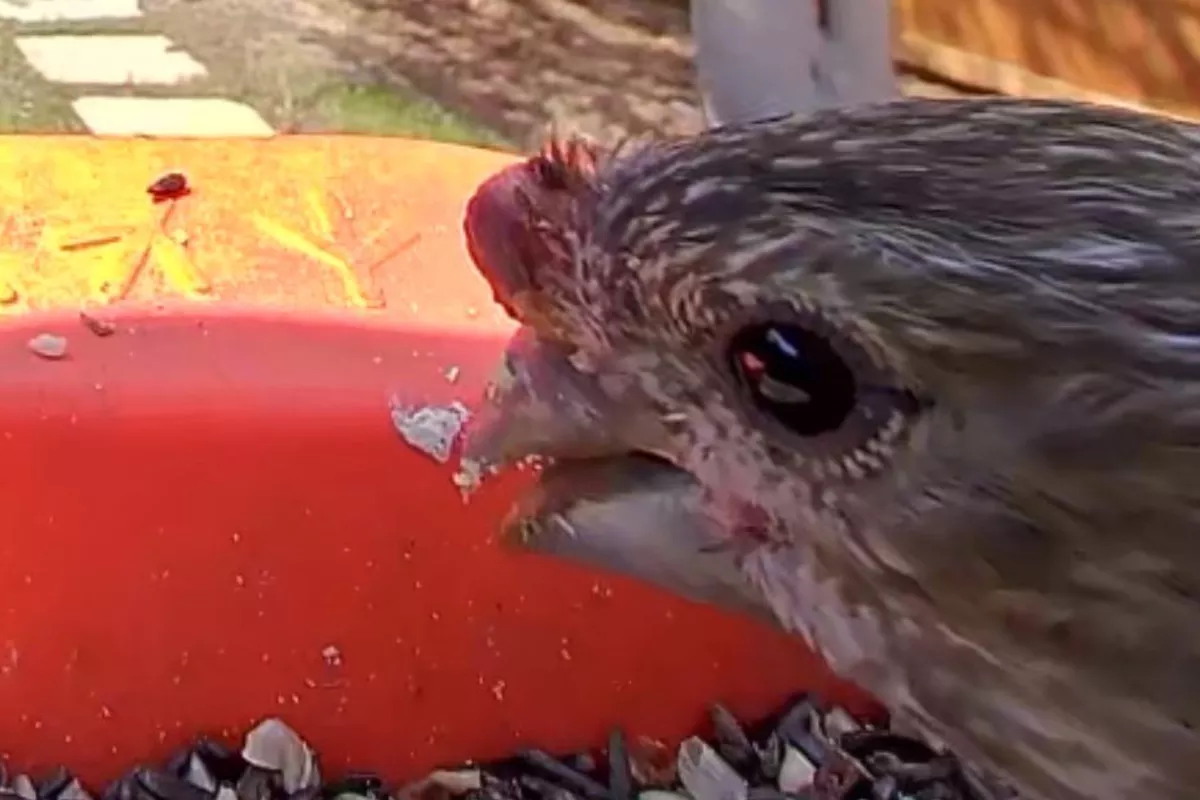
Credit: www.westword.com
Environmental Influences
Avian pox is a disease that affects many bird species worldwide. The environment plays a key role in spreading this virus. Understanding environmental factors can help explain how the disease spreads.
Birds living in certain climates or habitats may face higher risks. These conditions influence the virus’s survival and the presence of carriers like insects.
Climate Impact
Temperature and rainfall affect how avian pox spreads. Warm and wet conditions allow the virus to survive longer outside a host. Mosquitoes and other insects, which carry the virus, thrive in such climates.
- High temperatures help virus replication
- Rainfall creates breeding grounds for mosquitoes
- Dry seasons reduce insect numbers and virus spread
- Wind can carry insects to new areas
Habitat Conditions
Bird habitats influence their contact with infected vectors and other birds. Crowded or disturbed habitats increase disease transmission. Clean water sources and natural shelter affect bird health and virus survival.
| Habitat Factor | Effect on Avian Pox |
| Dense vegetation | Provides shelter for mosquitoes |
| Stagnant water | Breeding sites for insect carriers |
| Crowded bird populations | Higher chance of direct contact spread |
| Clean open spaces | Lower risk of virus survival |
Human Activities And Avian Pox
Avian pox is a disease that affects many wild and pet birds. Humans can influence how this disease spreads. This happens through changes in the environment and bird movements caused by people.
Understanding human roles helps us limit avian pox outbreaks. Two major ways humans affect the spread are urbanization and wildlife trade.
Effect Of Urbanization
Urban areas change natural bird habitats. This creates crowded spaces where birds meet more often. These conditions help avian pox virus spread quickly.
- Bird feeders in cities bring many birds close together.
- Pollution weakens bird immune systems.
- Loss of natural areas forces birds into smaller spaces.
- Standing water in urban spots helps mosquitoes breed.
- Mosquitoes carry avian pox virus between birds.
Wildlife Trade And Movement
Moving birds through trade spreads avian pox to new places. Birds often travel in close contact on trade routes, raising infection risks.
| Human Activity | Effect on Avian Pox Spread |
| Capture and sale of wild birds | Mixes healthy and sick birds |
| Transport in crowded cages | Increases disease transmission |
| Release of exotic birds | Introduces virus to local species |
| Illegal wildlife trade | Unregulated spread of infections |
| Bird shows and exhibitions | Close contact spreads virus fast |
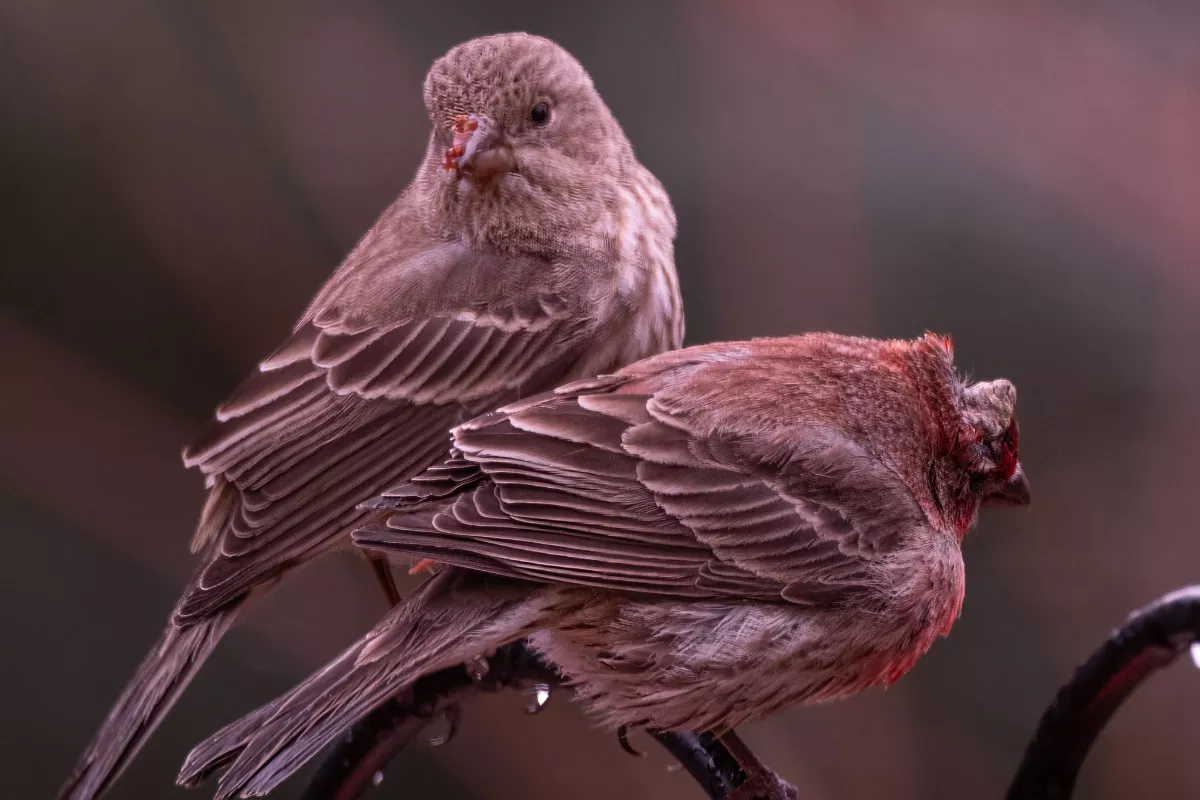
Credit: www.westword.com
Preventing The Spread
Avian pox spreads easily among birds in many ways. It is important to stop the disease from moving to healthy birds. Good practices can help keep birds safe.
Cleaning and controlling insects are key parts of prevention. Let’s look at how to do both well.
Sanitation Measures
Keeping bird areas clean reduces the chance of avian pox spreading. Remove waste and old food regularly. Wash bird feeders and water containers often. Avoid overcrowding birds in one space.
- Clean bird cages and coops weekly
- Disinfect surfaces with safe cleaners
- Dispose of dead birds quickly and safely
- Change bedding or nesting materials often
- Keep feeding and watering areas dry
Controlling Insect Vectors
Insects like mosquitoes spread avian pox virus from bird to bird. Reducing insect contact helps stop this. Use insect nets or screens around bird areas. Remove standing water where insects breed.
| Method | Description |
| Eliminate Standing Water | Drain puddles, buckets, and containers |
| Use Insect Screens | Cover windows and bird areas with fine mesh |
| Apply Safe Insecticides | Spray insecticides approved for bird areas |
| Maintain Vegetation | Trim plants to reduce insect resting spots |
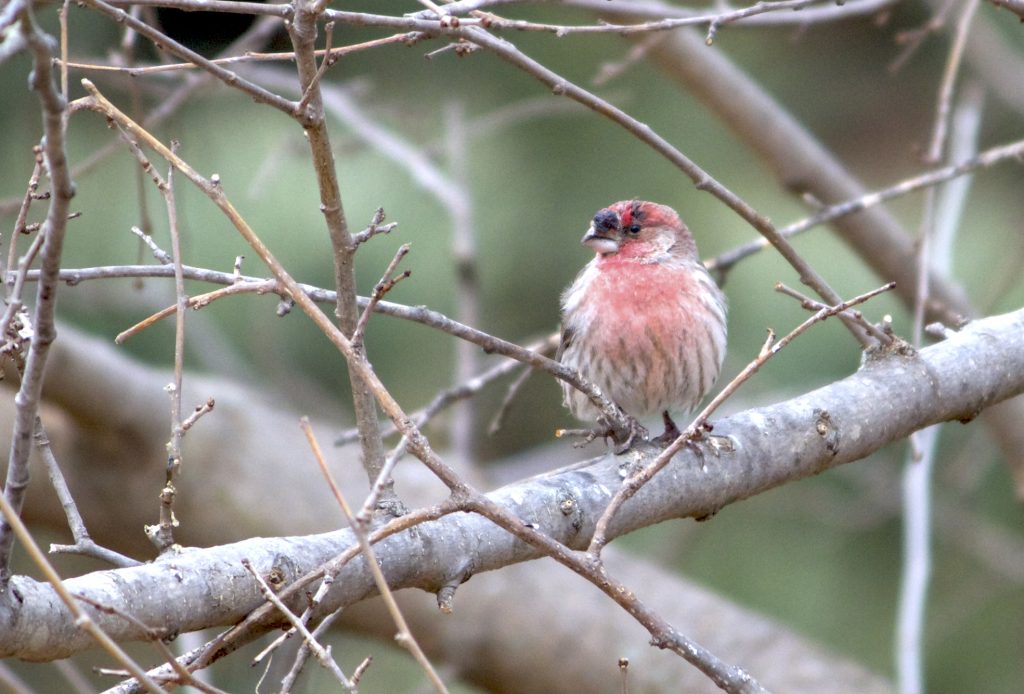
Credit: feederwatch.org
Frequently Asked Questions
What Is The Main Cause Of Avian Pox In Birds?
Avian pox is caused by the Avipoxvirus. It spreads through direct contact with infected birds or contaminated surfaces. Mosquitoes also act as vectors, transmitting the virus to healthy birds. This disease mainly affects wild and domestic bird populations worldwide.
How Do Birds Contract Avian Pox Virus?
Birds contract avian pox through bites from infected mosquitoes or direct contact with lesions on infected birds. They can also pick up the virus from contaminated feeders, water, or surfaces. The virus enters through broken skin or mucous membranes, leading to infection.
Can Avian Pox Spread To Other Bird Species?
Yes, avian pox can infect many bird species. The virus is not species-specific and can spread among wild birds, poultry, and pet birds. Cross-species transmission occurs through shared habitats, insect vectors, or contaminated environments, making control challenging.
What Environmental Factors Increase Avian Pox Risk?
Warm and humid environments favor mosquito breeding, raising avian pox risk. Crowded bird populations and poor sanitation also increase virus spread. Seasonal changes can lead to outbreaks, especially during mosquito active periods, making habitat management essential.
Conclusion
Avian pox affects many bird species worldwide. It’s caused by a virus. Birds catch it through direct contact or insect bites. Symptoms include lesions on skin and mouth. These can hinder feeding and breathing. Protecting birds involves good hygiene and monitoring.
Keep their environment clean. Remove infected birds promptly. Educate others about avian pox risks. Early detection helps in control. Understanding avian pox is crucial for bird health. Stay informed and vigilant. Your actions can make a difference. Protect our feathered friends.
Healthy birds contribute to a balanced ecosystem. Keep them safe and thriving.