

Have you ever stopped to think about what’s lurking in bird droppings around your home or workplace? You might be surprised to learn that these seemingly harmless messes can carry serious diseases that affect your health.
If you want to protect yourself and your loved ones, understanding what diseases are in bird droppings is crucial. Keep reading to discover the hidden dangers and learn how to stay safe from these unseen threats.
Common Diseases In Bird Droppings
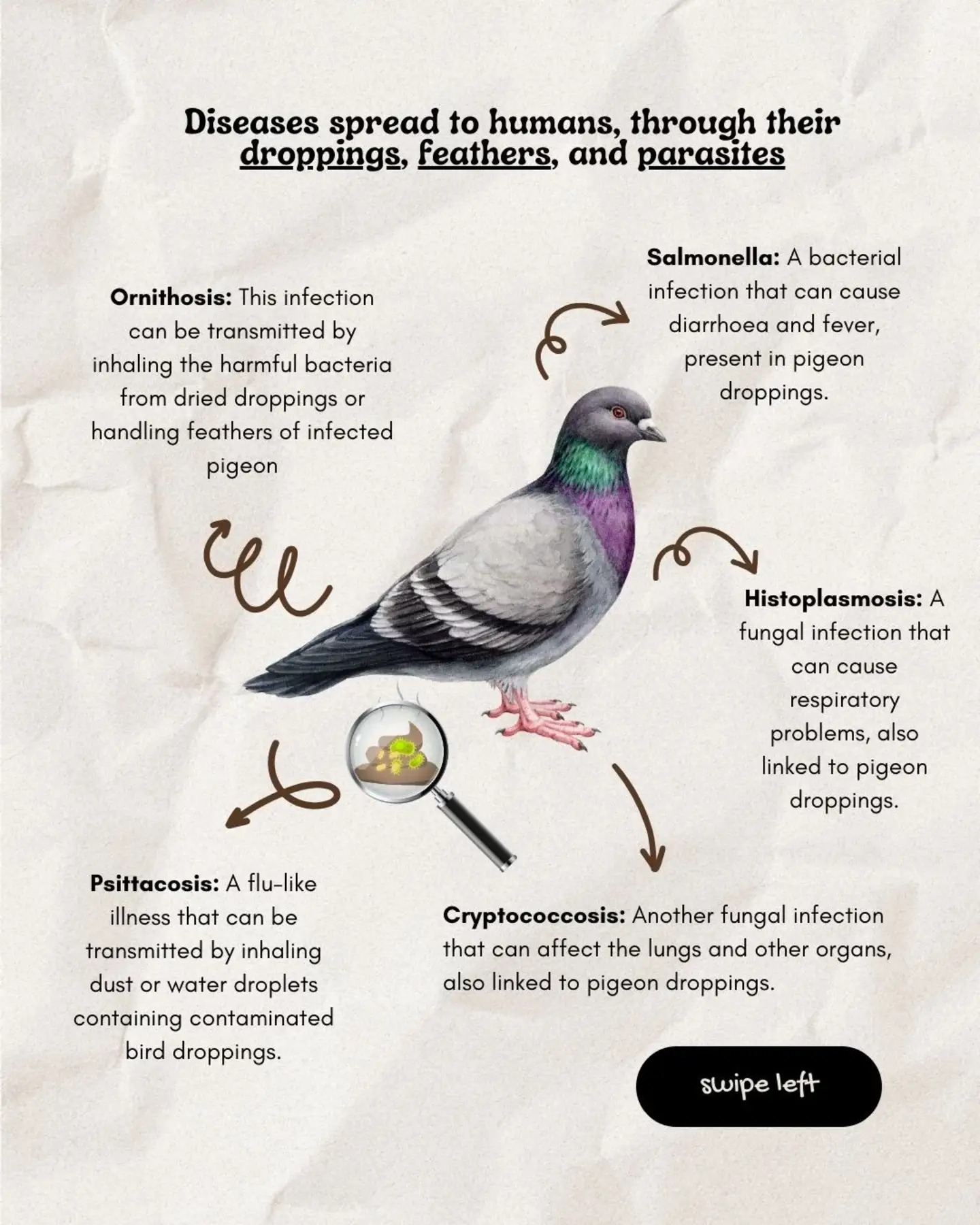
Bird droppings can carry harmful germs. These germs cause diseases in humans. It is important to know which diseases can spread from bird waste.
This article explains some common diseases found in bird droppings. Learning about them helps people stay safe.
Histoplasmosis
Histoplasmosis is a lung infection. It happens when people breathe in spores from soil with bird droppings. The spores come from a fungus that grows in the droppings.
Symptoms include cough, fever, and tiredness. In severe cases, it can cause chest pain and breathing problems.
Cryptococcosis
Cryptococcosis is caused by a fungus in bird droppings. It mainly affects the lungs and brain. People with weak immune systems have higher risk.
- Fever and headache
- Neck stiffness
- Confusion or dizziness
- Cough and shortness of breath
Psittacosis
Psittacosis spreads from infected birds to humans. It comes from breathing dust with bird droppings or secretions. It causes flu-like symptoms and lung infection.
| Symptom | Description |
| Fever | High temperature lasting several days |
| Chills | Shaking and cold feeling |
| Headache | Pain in the head |
| Dry Cough | Persistent cough without mucus |
| Muscle Pain | Aches in muscles and joints |
Salmonellosis
Salmonellosis is a bacterial infection from bird droppings. It affects the stomach and intestines. People get it by touching droppings and then their mouth.
Common symptoms are stomach pain, diarrhea, and fever. It can last for several days and cause dehydration.
Credit: x.com
How Bird Droppings Spread Diseases
Bird droppings can carry harmful germs that make people sick. These germs spread in different ways. It is important to know how these diseases travel.
This helps us stay safe and avoid contact with bird droppings. Here are the main ways diseases spread from bird droppings.
Airborne Particles
When bird droppings dry, they can break into tiny dust particles. These particles float in the air. People can breathe them in without seeing.
Breathing these particles can cause lung infections. Some germs from birds cause serious diseases like histoplasmosis.
- Dried droppings create dust with germs
- Dust particles float and enter the lungs
- Can cause respiratory illnesses
Direct Contact
Touching fresh bird droppings can spread bacteria and viruses. Germs can enter through cuts or dirty hands. This causes infections on skin or inside the body.
It is unsafe to handle droppings without gloves. Washing hands well after contact reduces risk.
- Germs live in fresh droppings
- Contact spreads germs to skin or wounds
- Use gloves and wash hands thoroughly
Contaminated Surfaces
Bird droppings can land on floors, tables, and tools. Germs stay alive on these surfaces for days. Touching these surfaces spreads disease.
Cleaning and disinfecting areas with droppings help stop germ spread. Avoid touching surfaces with droppings before cleaning.
- Droppings contaminate surfaces
- Germs survive on surfaces for some time
- Cleaning kills germs and stops spread
Symptoms Linked To Bird Dropping Diseases
Bird droppings can carry germs that cause diseases in people. These diseases show up in different ways. Recognizing symptoms helps you get medical help fast.
Symptoms vary depending on the disease and body system affected. Common areas include the lungs, stomach, and nerves.
Respiratory Issues
Breathing problems are common from diseases linked to bird droppings. These include cough, chest pain, and trouble breathing. Lung infections like histoplasmosis and cryptococcosis cause these symptoms.
People may feel tired and have a fever. Symptoms can worsen if untreated. Sometimes, symptoms look like the flu or pneumonia.
- Cough lasting more than two weeks
- Chest tightness or pain
- Shortness of breath
- Fever and chills
- Fatigue and weakness
Gastrointestinal Problems
Some bird dropping diseases affect the stomach and intestines. People may get stomach pain, diarrhea, or nausea. These symptoms come from infections like salmonella.
Stomach problems can cause dehydration and weakness. If symptoms last long, it is important to see a doctor.
- Abdominal cramps
- Diarrhea
- Nausea and vomiting
- Loss of appetite
- Dehydration signs like dry mouth
Neurological Effects
Some diseases from bird droppings can affect the brain and nerves. Symptoms include headaches, confusion, and seizures. These are signs of serious infections like encephalitis.
Neurological symptoms need urgent medical care. Early treatment can prevent long-term damage.
- Severe headaches
- Confusion or memory loss
- Seizures
- Muscle weakness
- Loss of coordination
Credit: www.skedaddlewildlife.com
High-risk Areas For Exposure
Bird droppings can carry many diseases that affect humans. Some places have higher risks of exposure to these harmful germs. Knowing these areas helps to stay safe and avoid illness.
This section explains three common high-risk areas where bird droppings may cause health problems. Each area has unique conditions that increase the chance of infection.
Urban Environments
Cities have many birds, especially pigeons and sparrows. Their droppings often collect on sidewalks, buildings, and statues. These droppings can spread bacteria and fungi that cause diseases.
- Bird droppings in crowded city spots increase health risks.
- Cleaning up droppings without protection can cause infections.
- People with weak immune systems should be extra careful.
Poultry Farms
Poultry farms have many birds in close spaces. Droppings here can carry harmful germs like salmonella and avian flu viruses. Workers and visitors face higher chances of catching diseases.
| Risk Factor | Description |
| High Bird Density | Many birds in tight spaces increase droppings. |
| Frequent Contact | Farmers touch birds and droppings often. |
| Poor Ventilation | Dust and droppings stay in the air longer. |
Public Parks
Parks attract wild birds that leave droppings on benches, playgrounds, and paths. People, especially children, can touch these surfaces and get sick. Birds in parks can spread diseases like histoplasmosis and cryptococcosis.
Tips to reduce risk in parks:
- Do not feed wild birds.
- Wash hands after visiting.
- Avoid sitting where droppings are visible.
Preventing Health Risks From Bird Droppings
Bird droppings can carry harmful germs and diseases. These can cause health problems in people.
It is important to handle and clean bird droppings safely. This helps reduce the risk of illness.
Proper Cleaning Techniques
Always wet the droppings before cleaning. This stops dust and germs from spreading in the air.
Use a disinfectant to clean the area well. Remove all droppings and wash your hands after.
- Spray water or disinfectant on droppings
- Use paper towels or disposable cloths
- Dispose of waste in sealed bags
- Clean tools and surfaces after use
Protective Gear
Wear protective gear to avoid direct contact with droppings. This lowers the chance of infection.
Use gloves, masks, and eye protection during cleaning. Change and wash gear after use.
- Use disposable gloves
- Wear a face mask or respirator
- Protect eyes with goggles
- Wear old clothes or coveralls
Environmental Control
Control bird populations near buildings. This reduces droppings and lowers health risks.
Keep areas clean and dry. Remove food and water sources that attract birds.
- Install bird spikes or nets
- Seal openings where birds enter
- Clean droppings regularly
- Remove standing water and food scraps
When To Seek Medical Attention
Bird droppings can carry harmful diseases. These diseases can cause serious health problems. It is important to know when to see a doctor after exposure.
Early treatment can prevent complications. Watch for signs that mean you need medical help right away.
Early Warning Signs
Signs of illness from bird droppings may appear quickly. If you notice any symptoms, do not ignore them. They may need medical care.
Common warning signs include fever, chills, and cough. You may also have trouble breathing or chest pain.
- High fever lasting more than two days
- Persistent cough or wheezing
- Shortness of breath or chest tightness
- Severe headache or body aches
- Feeling very weak or confused
- Skin rashes or unusual sores
Diagnostic Procedures
Doctors use tests to find out if bird droppings caused illness. These tests check your blood, lungs, and other parts of your body.
Common diagnostic steps include physical exams and lab tests. Imaging scans like X-rays may be needed to see lung damage.
- Blood tests to check for infection
- Chest X-rays to detect lung problems
- Sputum samples to find germs
- Skin or tissue biopsy in rare cases
Treatment Options
Treatment depends on the disease and how severe it is. Doctors may give medicine to fight infections from bird droppings.
Some people may need hospital care. Rest, fluids, and medication help most patients recover well.
- Antibiotics for bacterial infections
- Antifungal drugs for fungal diseases
- Oxygen therapy for breathing support
- Pain relievers and fever reducers
- Hospital stay for severe cases

Credit: www.thesparklegang.uk
Frequently Asked Questions
What Diseases Can Bird Droppings Transmit To Humans?
Bird droppings can transmit diseases like histoplasmosis, cryptococcosis, and psittacosis. These infections affect the lungs and respiratory system. Direct contact or inhaling dried droppings increases the risk. Proper cleaning and protective gear reduce exposure and help prevent illness.
How Dangerous Are Bird Droppings To Human Health?
Bird droppings pose moderate health risks due to harmful pathogens. Inhalation or contact can cause respiratory infections and allergic reactions. Risk increases with prolonged exposure or weakened immune systems. Regular cleaning and safety measures minimize danger.
Can Bird Droppings Cause Respiratory Diseases?
Yes, bird droppings can cause respiratory diseases like histoplasmosis and psittacosis. These diseases result from inhaling fungal spores or bacteria from dried droppings. Symptoms include coughing, fever, and breathing difficulties. Early diagnosis and treatment are crucial.
How To Safely Clean Bird Droppings To Avoid Diseases?
Wear gloves, masks, and protective clothing when cleaning bird droppings. Use wet methods to suppress dust and avoid dry sweeping. Disinfect surfaces with appropriate cleaners and wash hands thoroughly afterward. These steps reduce disease transmission risks.
Conclusion
Bird droppings can carry harmful diseases. They pose serious health risks. Protect yourself by avoiding contact with droppings. Clean surfaces immediately if contaminated. Wear gloves and masks when cleaning. Keep birds away from living areas. Regular cleaning of outdoor spaces helps.
Stay informed about potential risks. Proper hygiene is crucial for safety. Awareness helps prevent disease spread. Prioritize health by managing bird exposure. Stay cautious and protect loved ones. Simple steps can make a big difference. Stay safe and healthy!