
Have you ever wondered if the birds you love to watch could be affecting your health? It might seem surprising, but those colorful creatures outside your window might be more than just a pretty sight.
If you or someone in your household starts sneezing, wheezing, or coughing, birds could be the unexpected culprits. Understanding the connection between birds and respiratory problems can be crucial for your health and well-being. Curious to know how these feathered friends can impact your life?
Keep reading to discover what you need to know to protect yourself and your family.
Birds And Respiratory Health
Birds are common pets and live near humans in cities and farms. They can carry germs that cause breathing problems in people.
It is important to know how birds affect the lungs and what health issues they can cause.
Common Respiratory Issues Linked To Birds
Birds can cause breathing problems through allergies or infections. People who handle birds often may get sick.
Some common problems include:
- Allergic reactions causing coughing and wheezing
- Asthma triggered by bird feathers or dust
- Infections from germs birds carry, like psittacosis
How Bird Droppings Affect Lungs
Bird droppings contain fungi and bacteria that can harm lungs. Breathing dust from dried droppings is risky.
One serious illness is histoplasmosis. It happens when people inhale spores from bird droppings.
- Droppings dry and become dust in the air
- Inhaling the dust can cause lung infections
- Symptoms include cough, fever, and trouble breathing
- Cleaning bird areas with care helps reduce risks

Credit: www.researchgate.net
Diseases Transmitted By Birds
Birds can carry germs that cause diseases in humans. Some of these diseases affect the lungs and breathing.
It is important to know which illnesses birds can spread. This helps protect your health around birds.
Psittacosis And Its Symptoms
Psittacosis is an infection from bacteria found in parrots and other birds. People get it by breathing dust from bird droppings or feathers.
Symptoms include fever, cough, and trouble breathing. It can be serious if not treated with antibiotics.
- High fever and chills
- Dry cough
- Chest pain
- Shortness of breath
- Headache and muscle aches
Histoplasmosis From Bird Waste
Histoplasmosis is caused by a fungus that grows in soil with bird droppings. People breathe in the spores when the soil is disturbed.
This disease mainly affects the lungs. Many people have mild symptoms, but it can be worse for those with weak immune systems.
- Fever and chills
- Chest discomfort
- Dry cough
- Fatigue
- Body aches
Other Bird-related Infections
Birds can also spread other infections like avian influenza and cryptococcosis. These can cause lung problems and other health issues.
It is best to avoid contact with wild bird droppings and keep pet birds clean to reduce risks.
- Avian influenza: flu-like symptoms and breathing trouble
- Cryptococcosis: fungal infection causing lung and brain problems
- Allergic reactions to bird feathers or dust
High-risk Environments
Birds can carry germs that cause breathing problems in people. Some places have more risk than others. Knowing these places helps keep people safe.
People in certain environments breathe in more bird dust and droppings. This can lead to lung infections or allergies. It is important to understand where these risks are highest.
Urban Areas With Pigeon Populations
Cities with many pigeons have more bird droppings and feathers around. These can carry fungi and bacteria. People walking or working near these spots may inhale harmful particles.
Public places like parks, bridges, and buildings often have pigeon nests. Droppings can build up and release dust that affects lungs. Cleaning these areas without protection can increase risk.
- Street corners and building ledges where pigeons gather
- Areas under bridges with nesting birds
- Outdoor markets with food scraps attracting pigeons
Farming And Bird Handling Settings
Farmers and workers who handle birds face higher risks. Bird droppings and feathers contain germs that cause lung diseases. Breathing in dust from bird cages or coops is common.
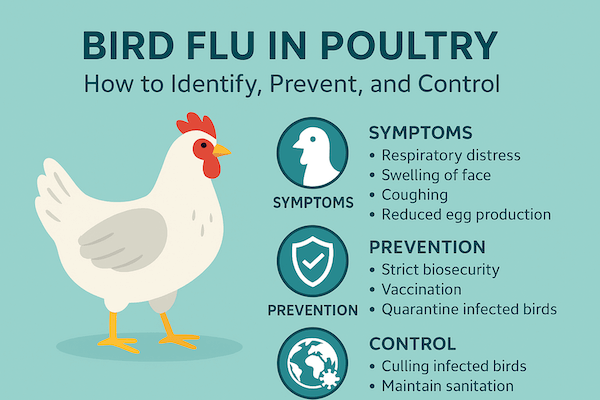
People working with chickens, ducks, or other birds should use masks. Regular cleaning and good ventilation reduce dangers. Close contact with sick birds raises chances of infections.
- Poultry farms with many birds in small spaces
- Bird markets where animals are sold or traded
- Bird sanctuaries with frequent human contact
Homes With Pet Birds
People who keep pet birds may face breathing issues from dust and droppings. Bird cages often collect waste that can cause lung irritation. Cleaning cages without care spreads harmful particles in the air.
Proper cage cleaning and fresh air help lower risks. Some pet birds carry germs that spread to humans. Owners should watch for signs of illness in their birds and themselves.
- Regular cleaning of cages and bird areas
- Using masks when cleaning bird cages
- Watching birds for signs of sickness

Credit: www.greenegovernment.com
Preventive Measures
Birds can carry germs that cause breathing problems in people. Taking steps to stay safe helps protect your health.
Preventing illness means avoiding bird droppings and dust. Clean areas carefully and use safety gear.
Safe Cleaning Practices
Clean bird cages and areas often. Use wet methods to reduce dust and droppings.
Do not sweep or use dry dusting. This can spread harmful particles in the air.
- Spray water on droppings before cleaning
- Use a damp cloth or mop
- Remove and dispose of droppings safely
- Wash hands well after cleaning
Protective Equipment For Bird Handlers
People who work with birds should wear safety gear. This reduces the chance of breathing germs.
- Wear masks that filter dust and particles
- Use gloves to avoid direct contact
- Wear protective clothing that can be washed
- Change clothes after handling birds
Always wash hands and face after working with birds. This helps remove any germs.
Controlling Bird Populations Safely
Keep wild bird numbers low near homes and workplaces. This lowers the risk of disease spread.
- Remove food sources that attract birds
- Use bird spikes or nets to block roosting spots
- Keep trash covered and clean
- Avoid feeding wild birds
Contact professionals for safe bird control if needed. Avoid harming birds or their nests.
When To Seek Medical Help
Birds can carry germs that cause breathing problems in people. It is important to know when you need a doctor. Early care can stop serious illness.
This guide helps you spot signs and learn about tests and treatments. Knowing this helps protect your health.
Recognizing Early Symptoms
Watch for cough, wheezing, or shortness of breath after contact with birds. Fever, chest pain, and tiredness may also appear. Early symptoms can be mild but need attention.
Seek medical help if you notice these signs, especially after cleaning bird cages or handling birds. Quick action can prevent worse problems.
- Persistent cough
- Difficulty breathing
- Chest tightness or pain
- Fever or chills
- Fatigue or weakness
Diagnostic Tests For Bird-related Illnesses
Doctors use tests to find out if birds caused your illness. Tests check your lungs and detect infections or allergies. Early diagnosis helps start the right treatment.
Common tests include chest X-rays to see lung health and blood tests to find infections. Sometimes, doctors collect lung samples to check for specific germs.
- Chest X-ray to view lung condition
- Blood tests for infection signs
- Lung function tests for breathing issues
- Sputum tests to identify germs
Treatment Options
Treatment depends on the illness type and severity. Doctors may give antibiotics for infections or medicines to reduce inflammation. Rest and avoiding birds help recovery.
Severe cases might need hospital care and breathing support. Follow your doctor’s advice and finish all medicines to get better fast.
- Antibiotics for bacterial infections
- Anti-inflammatory drugs for lung swelling
- Rest and avoid bird exposure
- Oxygen therapy for severe breathing problems
Credit: www.bivatec.com
Frequently Asked Questions
Can Birds Transmit Respiratory Diseases To Humans?
Yes, birds can transmit respiratory diseases like psittacosis and histoplasmosis. These infections come from bird droppings, feathers, or secretions. Proper hygiene and ventilation reduce the risk of transmission significantly.
What Are Common Respiratory Problems Caused By Birds?
Common respiratory issues include allergic reactions, asthma, and infections like psittacosis. Symptoms may include coughing, wheezing, and shortness of breath. Early diagnosis and treatment are essential for recovery.
How Can I Prevent Respiratory Issues From Birds?
To prevent respiratory problems, avoid direct contact with bird droppings. Use protective gear when cleaning cages and ensure good ventilation. Regularly clean bird habitats and maintain proper hygiene.
Are Pet Birds Safe For People With Asthma?
Pet birds can trigger asthma symptoms in sensitive individuals. It’s important to monitor symptoms closely and consult a doctor. Minimizing exposure to feathers and droppings helps reduce risks.
Conclusion
Birds can sometimes cause breathing problems in people. Dust, feathers, and droppings may carry germs. These germs can lead to allergies or infections. People with weak lungs should be careful around birds. Cleaning bird areas often helps reduce risks. Wearing masks can protect your breathing.
Knowing the risks helps you stay safe. Birds are lovely, but safety matters most. Keep your home clean and watch your health. Simple steps can keep breathing problems away.



