Have you ever wondered what it means when a bird chooses to roost? You might see birds gathering on tree branches or rooftops as the sun sets, but there’s more to this simple act than meets the eye.
Understanding why birds roost can change the way you see them and connect you to nature in a whole new way. You’ll discover the surprising reasons behind this behavior and how it affects birds’ daily lives. Keep reading, and you’ll never look at a bird resting again without knowing exactly what’s going on.

Credit: birdfact.com
Bird Roosting Basics
Bird roosting is a common behavior seen in many bird species. It means birds rest or sleep in a specific place. Understanding why birds roost helps us learn about their habits and safety needs.
Roosting spots can be trees, buildings, or other sheltered places. Birds often choose these spots to protect themselves from weather and predators.
Definition Of Roosting
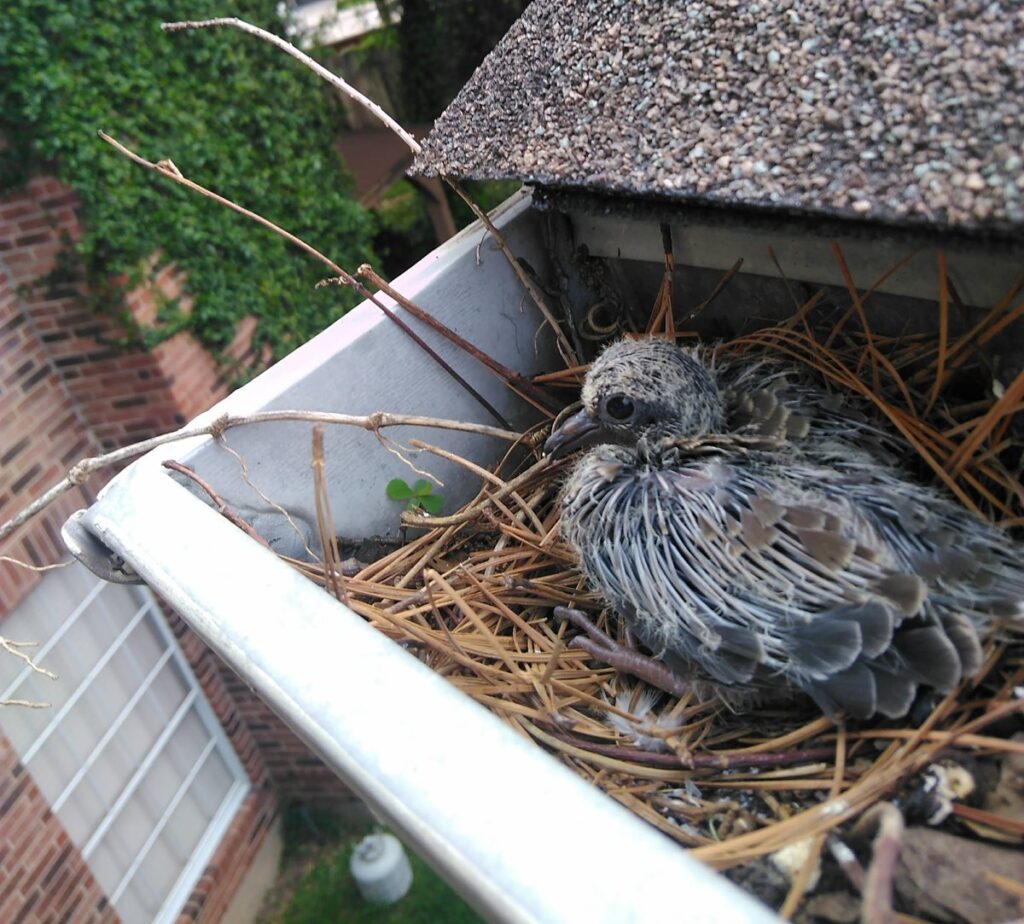
Roosting means birds gather or settle down to rest or sleep. It is different from nesting, which is for laying eggs and raising young birds. Roosting usually happens at night or during bad weather.
Why Birds Roost
Birds roost for several important reasons. These reasons help them survive and stay healthy.
- To keep warm by sharing body heat with other birds
- To stay safe from predators by choosing hidden or high places
- To rest and save energy for the next day
- To protect themselves from bad weather like rain or wind
- To socialize and communicate with other birds in the group
Types Of Roosting Spots
Birds need safe places to rest at night. These places are called roosts. Roosting spots give birds shelter and protection.
Different birds choose different types of roosts. Some spots are natural, and some are made by people.
Natural Roosts
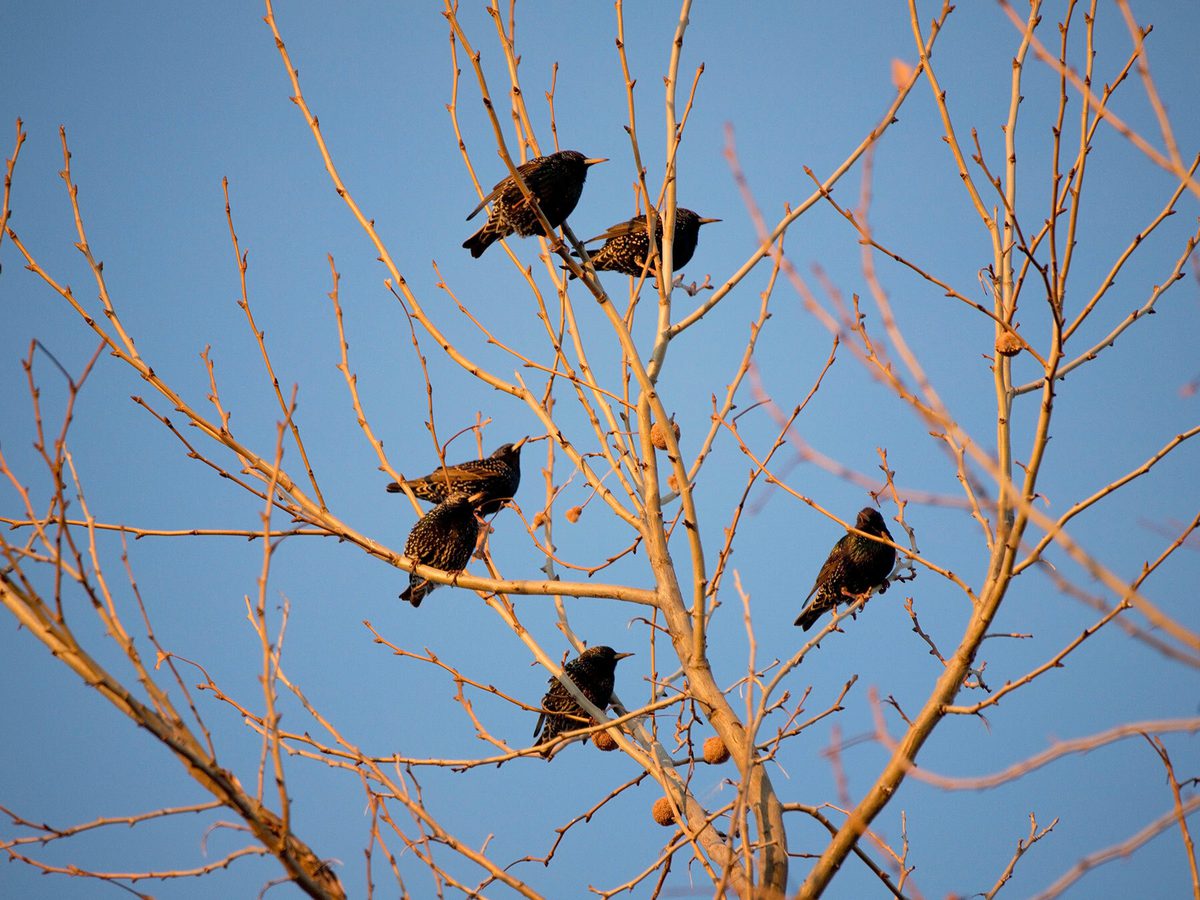
Natural roosts are spots birds find in nature. Trees are the most common place for roosting. Birds sit on branches or in tree holes.
Other natural roosts include cliffs, caves, and bushes. These places protect birds from wind and predators.
- Tree branches
- Tree holes
- Cliffs and rocky ledges
- Caves
- Bushes and shrubs
Man-made Roosts
Man-made roosts are created by people. Birds use birdhouses, barns, and bridges as roosting spots. These places offer good shelter.
Urban birds often roost on ledges and rooftops. Man-made roosts help birds in areas with fewer natural spots.
- Birdhouses and nest boxes
- Barns and sheds
- Bridges and tunnels
- Building ledges and rooftops
Roosting Behavior Patterns
Roosting means birds resting or sleeping in a safe place. Birds choose spots where they feel secure at night.
Many birds roost in trees, bushes, or on buildings. Roosting helps birds stay warm and avoid predators.
Solo Vs. Group Roosting
Some birds like to roost alone. These birds find quiet places to rest without others nearby.
Other birds roost in groups called communal roosts. Group roosting helps birds stay safe and share warmth.
- Solo roosting gives privacy and less competition.
- Group roosting lowers risk of predator attacks.
- Group warmth helps birds stay cozy in cold weather.
- Some species switch between solo and group roosting.
Seasonal Roosting Changes
Birds change their roosting habits with the seasons. Weather and food availability affect where they sleep.
In cold months, birds may roost closer together. In warm months, they spread out to avoid heat.
- Winter: Birds often roost in large groups for warmth.
- Spring and Summer: Birds roost in smaller groups or alone.
- Migration seasons: Birds may roost in new places each night.
Benefits Of Roosting
Roosting means birds rest or sleep together in a group. It is a natural behavior many birds show every day.
Roosting helps birds stay safe, warm, and connected with others. It is important for their survival and well-being.
Protection From Predators
Birds roost in groups to watch out for danger. More eyes mean they can spot predators quickly.
Roosting places are often high or hidden. This makes it hard for predators to reach the birds.
- Groups confuse predators
- Birds warn each other with calls
- Safe spots reduce attacks
Temperature Regulation
Birds roost together to keep warm during cold nights. Sharing body heat helps them survive harsh weather.
Roosting in dense places blocks wind and rain. This keeps birds dry and comfortable.
- Body heat shares among birds
- Dense roosts block cold wind
- Protected spots keep rain away
Social Interaction
Roosting lets birds communicate and bond. They share information about food and threats.
Young birds learn from older ones at the roost. This helps them survive on their own later.
- Birds exchange calls and signals
- Learning happens in groups
- Social bonds grow stronger
Roosting Challenges
Birds need safe places to roost at night. Roosting helps them rest and stay warm. Many birds face problems finding good spots.
These challenges can come from changes in nature or human activities. Both affect bird safety and survival.
Environmental Threats
Natural changes can make it hard for birds to roost. Weather and predators cause many problems.
- Storms can destroy trees and shelters.
- Cold nights require birds to find warm spots.
- Predators like owls and cats hunt birds at roosts.
- Loss of trees reduces available roosting areas.
Human Impact
Humans change bird habitats through city growth and pollution. These changes harm bird roosts.
| Human Activity | Effect on Birds |
| Deforestation | Removes trees used for roosting |
| Light Pollution | Disrupts natural night cycles |
| Noise Pollution | Scares birds away from safe spots |
| Building Construction | Blocks or destroys roosting areas |
Credit: www.crittercontrol.com
How To Encourage Roosting
Birds need safe and comfortable places to rest at night. Encouraging roosting means creating spots where birds feel protected and cozy.
Providing the right environment helps birds settle down and stay healthy. Simple actions can make your yard or garden inviting for them.
Creating Bird-friendly Spaces
Birds look for areas that offer shelter from wind, rain, and predators. Planting trees and shrubs can give birds natural cover.
- Include dense bushes or evergreens for protection
- Place water sources nearby for drinking and bathing
- Keep the area quiet and free from disturbances at night
- Avoid using pesticides that can harm birds
- Leave some leaf litter for insects birds can eat
Choosing Roosting Structures
Birds use different kinds of structures to roost. You can add birdhouses or roosting boxes to offer them safe places to rest.
| Structure Type | Best For | Placement Tips |
| Wooden Birdhouse | Small songbirds | Mount 5–10 feet high, away from predators |
| Roosting Box | Owls, woodpeckers | Place near trees with some shade |
| Brush Pile | Ground roosters | Build in a quiet corner with dense cover |
| Evergreen Branches | Various birds | Leave some branches undisturbed in winter |

Credit: www.npr.org
Frequently Asked Questions
What Does It Mean When A Bird Roosts?
Roosting means birds settle down to rest or sleep, usually at night. They gather in safe, sheltered spots like trees or branches. This behavior helps them conserve warmth and avoid predators. Roosting is essential for their survival and daily energy management.
Why Do Birds Choose Specific Roosting Spots?
Birds pick roosting spots for safety, warmth, and comfort. They prefer high, dense areas that protect from weather and predators. Some species roost communally for added protection. The location also depends on food availability and environmental conditions, ensuring their survival.
How Does Roosting Benefit Birds At Night?
Roosting provides birds with warmth and protection during cold nights. It reduces energy loss by conserving body heat. Safe roosts prevent attacks by predators while birds sleep. This rest period is vital for their health and daily activity performance.
Do All Bird Species Roost In The Same Way?
No, roosting habits vary by species. Some birds roost alone, others in groups. Locations differ from tree branches to caves or man-made structures. Each species adapts its roosting behavior to its environment and survival needs.
Conclusion
Birds roost for rest and safety. It's their nightly routine. Roosting helps conserve energy. Protects them from predators. Each bird has its favorite spot. Trees, ledges, or even barns. Roosting behavior varies by species. Some roost alone, others in groups.
Understanding roosting enriches our knowledge of birds. It highlights their survival strategies. Observing birds can be calming. It connects us to nature. Next time you see a bird roosting, watch closely. Appreciate their unique habits. This insight deepens our connection with wildlife.
Embrace the wonder of birds and their world.