Have you ever noticed how some birds can comfortably rest on a thin branch without slipping off? That’s the magic of perching birds.
Understanding what a perching bird is can change the way you see the birds around you. It’s not just about spotting them; it’s about knowing what makes them special and how they fit into nature’s design. Keep reading, and you’ll discover fascinating facts that will make your next birdwatching experience more exciting and meaningful.

Credit: fyfluiddynamics.com
Perching Bird Traits
Perching birds are a large group of birds known for their ability to sit on branches. They make up most of the bird species around the world.
These birds have special features that help them hold onto branches and move easily in trees and bushes.
Physical Features
Perching birds often have small to medium-sized bodies. Their feathers are usually smooth and can have many colors.
They have sharp eyes to find food and avoid danger. Their beaks can be different shapes depending on what they eat.
Foot Structure
Perching birds have a unique foot shape called anisodactyl. This means three toes point forward and one points backward.
This foot structure helps them grip branches tightly. It also allows them to perch without falling while they sleep.
- Three toes face forward for balance
- One toe faces backward for grip
- Strong tendons lock toes in place
Common Behaviors
Perching birds often build nests in trees or bushes. They sing to communicate and mark their territory.
Many perching birds feed on insects, seeds, or fruit. They can hop or fly short distances between branches.
- Sing to communicate and attract mates
- Build nests in trees or bushes
- Feed on insects, seeds, or fruit
- Hop and fly between branches
Types Of Perching Birds
Perching birds are known for their ability to grip branches with their feet. They make up a large group of birds found worldwide. These birds show great variety in size, shape, and behavior.
Many perching birds have strong feet with three toes forward and one toe backward. This helps them hold tight to branches or wires. Let’s look at some common types of perching birds.
Songbirds
Songbirds are the most well-known perching birds. They are famous for their beautiful songs. These birds use their songs to attract mates and mark territory.
Songbirds come in many colors and sizes. They eat insects, seeds, and fruits. Some common songbirds include robins, sparrows, and finches.
Woodpeckers
Woodpeckers are unique perching birds that tap on tree bark. They use their strong beaks to find insects inside trees. Their tapping sound is easy to recognize.
These birds have stiff tail feathers to help them balance on tree trunks. Woodpeckers eat insects and tree sap. They also make holes in trees to build nests.
Swallows And Martins
Swallows and martins are small perching birds with sleek bodies. They are excellent fliers and catch insects while flying. These birds often live near water.
Swallows build cup-shaped nests from mud. Martins live in colonies and use old nests. Both help control insect populations in the environment.
Habitat And Distribution
Perching birds are a large group of birds known for their ability to grip branches. They live in many different places around the world. Their habitats vary widely depending on the species.
These birds can be found in forests, grasslands, and even cities. Understanding their habitat helps us learn about their behavior and needs.
Global Range
Perching birds live on every continent except Antarctica. They are very common in North and South America, Europe, Asia, and Africa. Some species migrate to different regions during the year.
Their wide global range shows how well they adapt to different climates and places. Some prefer warm areas, while others live in cooler zones.
Preferred Environments
Perching birds choose environments with plenty of trees or shrubs. These plants give them safe places to rest and build nests. Many prefer forests, woodlands, and gardens.
Some species also live near water or in open fields. They look for areas where food like insects and seeds is easy to find.
- Forests and woodlands provide shelter
- Gardens and parks offer food and nesting spots
- Grasslands and fields support ground-feeding species
- Wetlands attract birds that eat insects and small fish

Credit: naturealberta.ca
Unique Adaptations
Perching birds have special features that help them live and thrive. These adaptations make them different from other birds.
They use unique body parts and skills to perch, sing, and travel long distances.
Perching Mechanism
Perching birds have a strong grip that helps them hold onto branches. Their feet have three toes pointing forward and one backward.
This toe arrangement locks their feet in place when they bend their legs. It stops them from falling while they sleep.
- Three toes forward and one backward
- Tendons tighten when legs bend
- Feet lock on branches automatically
- Helps birds rest without falling
Vocal Abilities
Perching birds are known for their songs and calls. They have a special voice box called the syrinx.
The syrinx lets them make many sounds. They use songs to find mates and mark their territory.
- Voice box called syrinx
- Can produce many sounds
- Songs attract mates
- Calls warn of danger
Migration Patterns
Many perching birds travel long distances to find food or better weather. They follow the same routes every year.
Birds use the sun, stars, and Earth’s magnetic field to navigate. Migration helps them survive harsh seasons.
- Travel thousands of miles
- Follow fixed routes yearly
- Use sun and stars for guidance
- Sense Earth’s magnetic field
Role In Ecosystems
Perching birds play important roles in nature. They help keep ecosystems balanced and healthy.
These birds interact with plants and animals in many useful ways. Their actions support life around them.
Pollination And Seed Dispersal
Some perching birds help plants grow by moving pollen. This process is called pollination.
They also eat fruits and drop seeds far from the parent plant. This spreads new plants in many places.
- Carry pollen from flower to flower
- Spread seeds by eating fruits
- Help plants grow in new areas
Pest Control
Perching birds eat many insects and small pests. This helps protect plants from damage.
By controlling pests, these birds reduce the need for chemicals. This keeps the environment safer.
- Consume harmful insects
- Lower pest populations naturally
- Support healthy plant growth
Indicators Of Environmental Health
Perching birds show how healthy an environment is. Their presence or absence tells us about nature.
Changes in their numbers can warn us about pollution or habitat loss. This helps guide conservation efforts.
- Signal changes in habitat quality
- Help detect pollution levels
- Guide wildlife protection actions
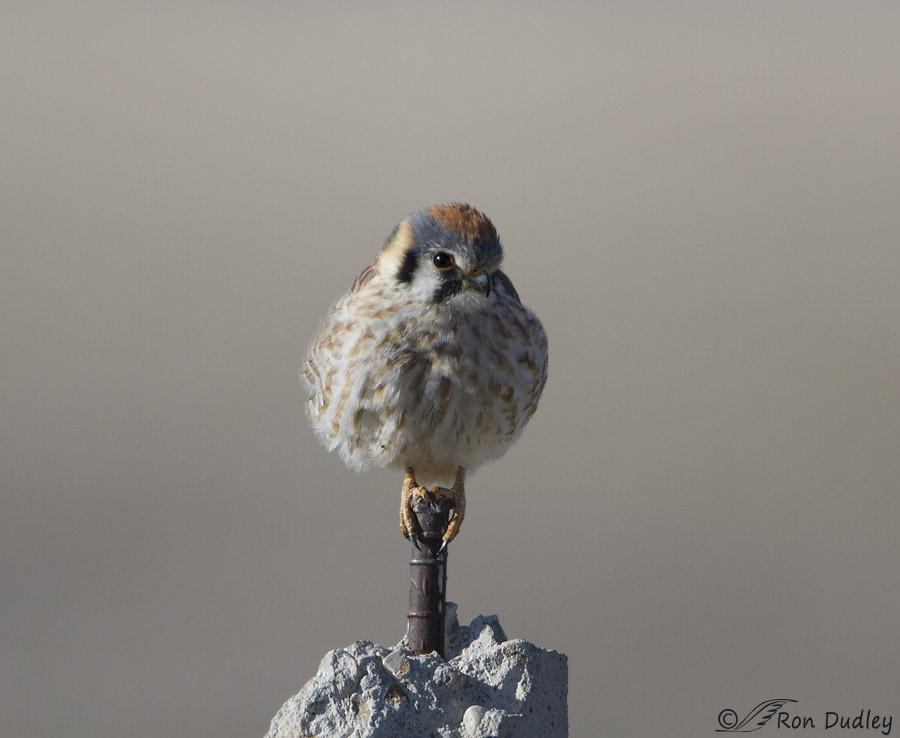
Credit: www.featheredphotography.com
Conservation Challenges
Perching birds face many threats that make survival hard. These challenges come from changes in their environment.
Understanding these threats helps protect perching birds and keep their populations healthy.
Habitat Loss
Many perching birds lose their homes because forests and fields are cut down. Cities and farms replace natural areas.
- Deforestation removes trees where birds nest.
- Urban growth shrinks natural habitats.
- Agriculture changes land use and reduces food sources.
- Pollution harms plants and insects birds eat.
Climate Change Effects
Climate change changes weather and seasons. Birds may find it hard to find food or safe places to live.
| Effect | Impact on Perching Birds |
| Temperature Rise | Shifts migration patterns and breeding times |
| Extreme Weather | Destroys nests and reduces survival rates |
| Changing Rainfall | Affects food availability and habitat quality |
Human Interaction
Human actions can harm perching birds in many ways. Some are accidental, others from lack of care.
- Collisions with windows and vehicles cause many deaths.
- Use of pesticides kills insects birds need for food.
- Pet cats hunt birds in neighborhoods.
- Noise pollution disrupts bird communication and breeding.
Frequently Asked Questions
What Defines A Perching Bird?
Perching birds, or passerines, are characterized by their unique foot structure. They have three forward-facing toes and one backward-facing toe. This adaptation allows them to grip branches effectively. Known for their vocal abilities, perching birds include species like sparrows, robins, and crows.
They make up the largest order of birds, Passeriformes.
Why Are Perching Birds Important In Ecosystems?
Perching birds play crucial roles in ecosystems as pollinators, seed dispersers, and insect controllers. Their diverse diets help maintain ecological balance. By spreading seeds, they aid in plant reproduction and forest regeneration. Their presence indicates a healthy environment. They also contribute to biodiversity and attract birdwatchers and nature enthusiasts.
How Do Perching Birds Grip Branches?
Perching birds have a specialized foot structure with three forward toes and one backward toe. This arrangement, called anisodactyl, provides a strong grip. Tendons in their legs automatically tighten when they land. This mechanism allows them to perch securely on branches, wires, and even reeds, minimizing energy expenditure.
What Are Common Examples Of Perching Birds?
Common examples of perching birds include sparrows, finches, robins, and swallows. These birds are found worldwide in various habitats. They are renowned for their vocal abilities and diverse songs. Many perching birds are familiar backyard visitors, making them easily recognizable to bird enthusiasts and casual observers alike.
Conclusion
Perching birds make up a large group of birds worldwide. They have special feet to grip branches tightly. This helps them rest and sleep safely. Many common birds, like sparrows and robins, are perching birds. Understanding their traits helps us appreciate nature better.
Watching them can be peaceful and fun. Next time you see a small bird on a branch, remember its unique perching skill. Nature’s small wonders are all around us. Keep observing and learning about these amazing creatures.