Have you ever wanted to watch birds up close in your own backyard? A platform bird feeder might be just what you need.
It’s simple, easy to use, and attracts a wide variety of birds. Whether you’re a beginner or an experienced bird watcher, understanding what a platform bird feeder is can help you create a lively, colorful space right outside your window.
Keep reading to discover how this feeder works and why it could be the perfect addition to your outdoor space.
Platform Bird Feeder Basics
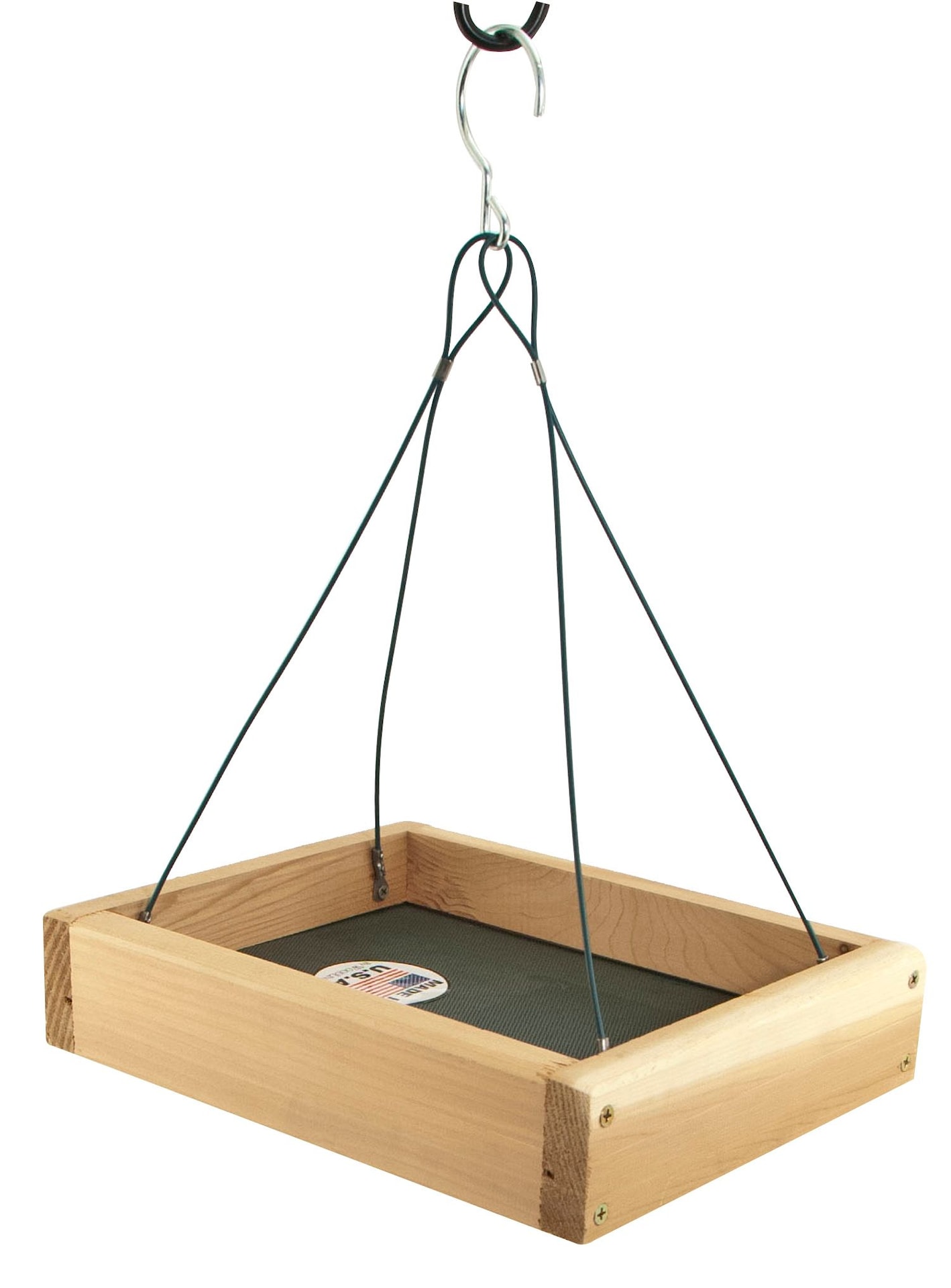
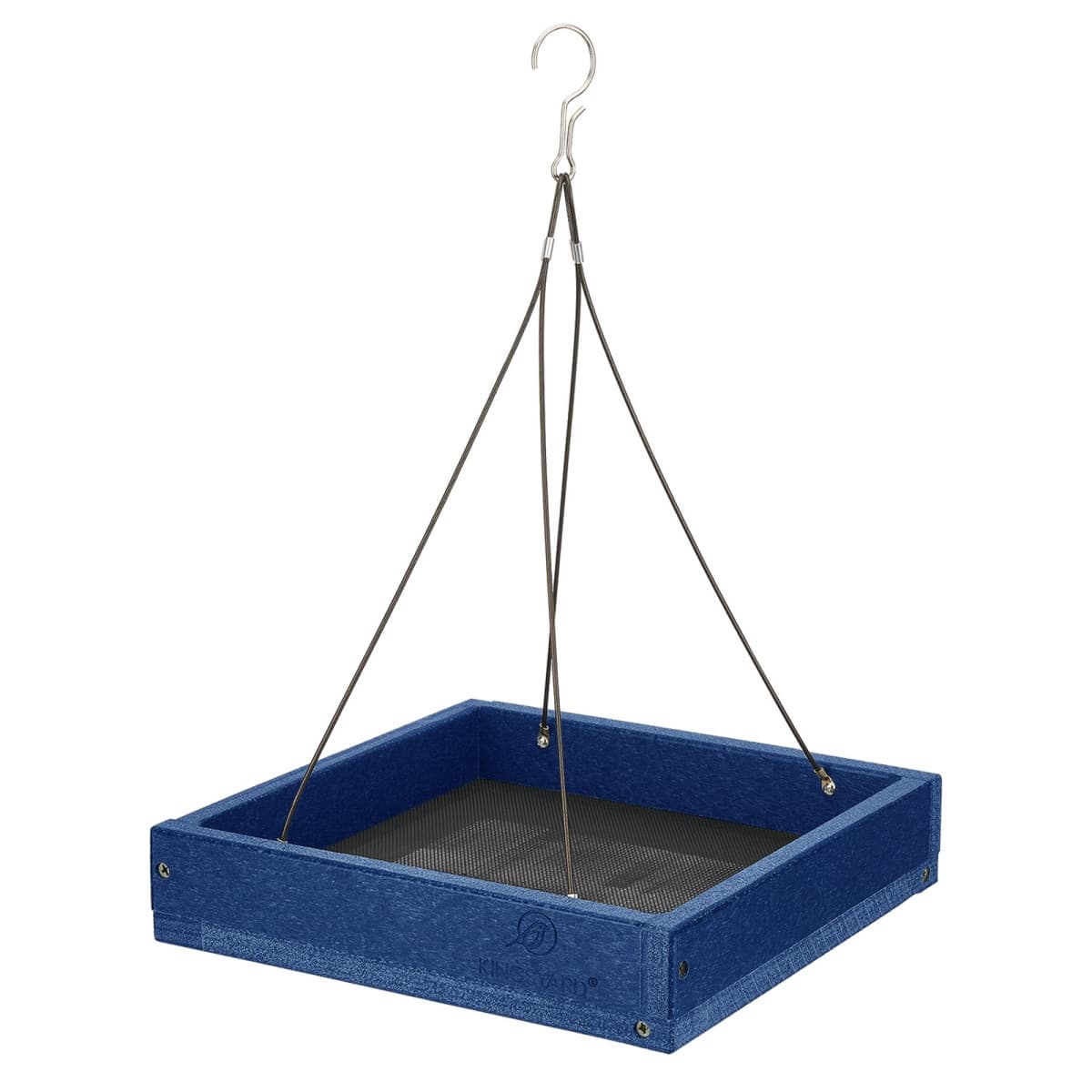
A platform bird feeder is a simple flat surface where birds can land and eat. It is an open tray without sides or with low edges.
This type of feeder attracts many bird species because it offers easy access to food. It works well in different outdoor spaces.
Design And Features
Platform bird feeders have a flat base that holds seeds or other food. Some have a roof to protect food from rain.
The open design lets birds of different sizes feed together. The surface may have small holes for drainage to keep food dry.
- Flat, open tray for easy access
- Optional roof or cover for weather protection
- Drainage holes to prevent water build-up
- Edges that stop seeds from falling off
Materials Used
Platform bird feeders are made from many materials. Each material affects durability and appearance.
Wood, metal, and plastic are common. Wood looks natural but needs weather protection. Metal lasts long but may get hot.
- Wood: natural look, needs sealing
- Metal: strong, can heat up in sun
- Plastic: lightweight, weather-resistant
- Glass or recycled materials for eco-friendly options
Placement Tips
Place the feeder where birds feel safe. Choose a spot with some nearby cover like trees or bushes.
Keep the feeder away from busy areas and predators. Make sure it is easy to reach for refilling and cleaning.
- Near shrubs or trees for shelter
- Away from windows to prevent bird collisions
- At a height safe from cats and other animals
- Visible from a window for easy bird watching
Benefits Of Using Platform Feeders
Platform bird feeders offer a flat, open surface for birds to feed. This design suits many bird types and makes feeding easy. You can watch different birds visit your yard with these feeders.
Using a platform feeder supports birds by providing a safe and accessible place to eat. It also helps keep the feeding area clean and simple to manage. These feeders can attract more bird species to your garden.
Attracting Diverse Bird Species
Platform feeders hold many food types like seeds, nuts, and fruits. This variety invites different birds to visit your feeder. You can enjoy watching small songbirds and larger birds too.
- Sparrows and finches like small seeds
- Cardinals enjoy sunflower seeds
- Doves prefer cracked corn and grains
- Woodpeckers eat nuts and suet pieces
- Jays and crows come for larger food items
Ease Of Access For Birds
Platform feeders are easy for birds to use. The flat surface lets birds land and eat comfortably. It is also good for ground-feeding birds that cannot use hanging feeders.
| Feature | Benefit for Birds |
| Open flat surface | Easy landing and feeding |
| Varied food types | Supports many bird diets |
| Ground-level options | Good for ground feeders |
| Space for groups | Allows multiple birds to feed together |
Simple Maintenance
Cleaning a platform feeder is quick and simple. Its open design lets you reach all areas easily. This helps keep birds healthy and the feeder safe to use.
- Remove old food daily
- Wash feeder weekly with soap and water
- Dry completely before refilling
- Check for damage or pests regularly
Choosing The Right Platform Feeder
A platform bird feeder lets many birds feed at once. It is simple and open, making it easy to clean. Choosing the right feeder helps attract more birds to your yard.
Look at size, weather protection, and ways to keep pests away. These factors affect how well your feeder works and lasts.
Size And Capacity
Pick a feeder size that fits your space and how many birds visit. A bigger feeder holds more seed. This means fewer refills and more birds feeding at once.
- Small feeders suit small yards or few birds.
- Medium feeders balance seed amount and space.
- Large feeders hold a lot of seed for many birds.
Weather Protection Options
Good weather protection keeps seed dry and fresh. Some feeders have roofs or covers. These help during rain and snow.
| Protection Type | Benefits |
| Roof Cover | Keeps rain and snow off seed |
| Drainage Holes | Allows water to escape from platform |
| Wind Shields | Blocks strong winds and seed scatter |
Squirrel And Pest Deterrents
Squirrels and pests can take seed meant for birds. Choose feeders with features that block them. This saves seed and keeps birds safe.
- Raised edges or cages to stop squirrels
- Weight-sensitive perches that close seed access
- Use of baffles placed below or above feeder
- Seed types that squirrels dislike
Best Seeds For Platform Feeders
Platform bird feeders are open and flat surfaces where birds can perch and eat. They attract many types of birds because they offer easy access to seeds. Choosing the right seeds helps bring different bird species to your feeder.
Using the best seeds for platform feeders keeps birds healthy and encourages frequent visits. You should also consider seasonal changes and seed freshness for the best results.
Popular Bird Seeds
Some seeds are favorites among many birds. These seeds attract a variety of species and work well on platform feeders.
- Black oil sunflower seeds: Loved by finches, chickadees, and cardinals.
- Safflower seeds: Attract cardinals and grosbeaks, less liked by squirrels.
- Millet: Preferred by sparrows, juncos, and doves.
- Nyjer (thistle) seeds: Small seeds for finches and siskins.
- Peanuts (shelled or unshelled): Good for jays and woodpeckers.
Seasonal Seed Choices
Bird seed preferences change with the seasons. Offering the right seeds helps birds survive cold winters and hot summers.
| Season | Recommended Seeds |
| Spring | Millet, sunflower seeds, and nyjer to support nesting birds. |
| Summer | Safflower and peanuts for energy during breeding season. |
| Fall | Black oil sunflower and millet as birds prepare to migrate. |
| Winter | High-fat seeds like sunflower and peanuts to help keep birds warm. |
Avoiding Spoiled Seeds
Spoiled seeds can harm birds and reduce visits to your feeder. Keep seeds fresh by storing and handling them properly.
- Store seeds in a cool, dry place away from sunlight.
- Use seeds within six months for best freshness.
- Check for mold or bad smells before filling the feeder.
- Clean your platform feeder regularly to prevent seed buildup.
- Remove wet seeds quickly to avoid spoilage.
Ideal Locations For Placement
Choosing the right spot for a platform bird feeder is important. The place affects how many birds visit and how safe they feel.
The feeder should be in a spot where birds can easily find food and stay protected. Think about safety, visibility, and weather conditions.
Safety From Predators
Place the feeder away from places where cats or other predators hide. Birds need to feel safe when eating.
Keep the feeder at least 5 feet off the ground and away from bushes where predators can jump from.
- Avoid placing near thick shrubs or low branches
- Use poles with baffles to stop climbing predators
- Clear open spaces help birds spot danger quickly
Visibility For Bird Watching
Pick a spot where you can easily watch the birds. Good visibility makes bird watching more fun and safe.
Windows or patios facing the feeder work well. Avoid placing it too far or behind objects that block your view.
- Place near windows with a clear line of sight
- Keep distance to avoid disturbing the birds
- Choose spots visible from seating areas
Sunlight And Shelter Considerations
Find a spot that gets some sunlight but also offers shelter from strong wind and rain. Birds like warmth but need protection.
Partial shade helps keep food fresh longer. Nearby trees or shrubs can give birds cover without blocking feeder access.
- Place where the sun hits in the morning
- Ensure shelter from harsh afternoon sun or storms
- Nearby trees or bushes provide safe resting spots

Credit: www.amazon.ca
Maintaining Your Platform Feeder
Platform bird feeders offer an open space for birds to feed comfortably. Keeping your feeder clean and well-maintained helps protect birds and ensures they keep returning.
Regular care prevents problems like mold and pests. This guide covers cleaning, preventing disease, and tips for refilling and storing your feeder.
Cleaning Frequency And Methods
Clean your platform feeder at least once every two weeks. In wet or humid weather, clean more often to stop mold growth.
- Empty the feeder completely.
- Use warm water and mild soap to scrub all surfaces.
- Rinse well to remove soap residue.
- Let the feeder dry fully before refilling.
Preventing Mold And Disease
Mold and disease harm birds. Keep seed dry and clean to reduce risks. Place your feeder where rain and moisture do not collect.
| Issue | Prevention Tip |
|---|---|
| Mold | Remove wet or old seed promptly |
| Fungal Disease | Disinfect feeder monthly with diluted bleach (1:9 ratio) |
| Parasites | Keep area under feeder clean and dry |
Refilling And Storage Tips
Use fresh seed each time you refill. Store extra seed in a cool, dry place to avoid spoilage. Clean your feeder before storage to keep it safe for birds.
- Fill feeder with only enough seed birds will eat in a few days.
- Keep seed in sealed containers to prevent pests.
- Store feeder indoors during winter or long breaks.
Common Bird Species Attracted
Platform bird feeders attract many different birds. These feeders offer an open space for birds to land and eat. They are easy to use and clean.
Bird lovers enjoy seeing a variety of species at platform feeders. The types of birds depend on the food and feeder style.
Seed-eating Birds
Seed-eating birds are common visitors at platform feeders. They prefer seeds like sunflower, millet, and cracked corn. These birds often eat while perched on the feeder.
- Cardinals
- Chickadees
- Finches
- Goldfinches
- Sparrows
Ground Feeders Vs. Platform Feeders
Ground feeders and platform feeders attract different birds. Ground feeders are for birds that like to eat on the ground. Platform feeders offer an open space above ground.
| Type of Feeder | Birds Attracted |
| Ground Feeders | Doves, Juncos, Sparrows |
| Platform Feeders | Woodpeckers, Jays, Thrushes |
Seasonal Visitors
Seasonal visitors change with the weather. Many birds visit only during migration or winter. Platform feeders can attract these temporary guests.
Common seasonal visitors include:
- American Robin in spring
- Dark-eyed Junco in winter
- Warblers in migration
Credit: www.kingsyard.com
Troubleshooting Feeding Issues
Platform bird feeders offer a flat surface for birds to feed easily. Sometimes, feeding problems happen that need fixing. Understanding these issues helps keep birds happy and safe.
Common problems include pests, aggressive birds, and weather effects. Each problem has simple ways to handle it. This guide explains how to solve these feeding troubles.
Dealing With Pests
Pests like squirrels and rodents often visit platform feeders. They eat the bird food quickly and scare away birds. Stopping pests protects the feeder and keeps food for the birds.
Use these tips to control pests:
- Place the feeder away from trees or fences where pests jump.
- Use baffles below the platform to block climbing animals.
- Clean spilled seeds regularly to avoid attracting pests.
- Choose seed blends that squirrels dislike, like safflower seed.
Discouraging Aggressive Birds
Some birds act aggressively around feeders. They chase smaller birds or take all the food. This behavior stops other birds from feeding peacefully.
Try these ways to discourage aggressive birds:
- Offer multiple platform feeders to spread out the birds.
- Add nearby perches for shy birds to wait safely.
- Use feeders with weight limits to keep large birds away.
- Feed smaller amounts of seed to avoid waste and crowding.
Adjusting For Weather Challenges
Weather can affect platform feeders by wetting or freezing seeds. Rain and snow make food soggy or hard to eat. Wind can blow seeds off the platform.
These tips help keep feeders ready in all weather:
- Use a roof or cover to shield the platform from rain and snow.
- Clear snow and ice from the feeder quickly after storms.
- Place feeders in sheltered spots protected from strong wind.
- Check feeders daily in bad weather to refresh food and clean.

Credit: www.amazon.ca
Frequently Asked Questions
What Is A Platform Bird Feeder?
A platform bird feeder is a flat, open tray that holds birdseed. It allows birds to perch and feed easily. This feeder type attracts a variety of bird species due to its accessibility and space.
How Does A Platform Bird Feeder Work?
It works by providing an open surface where birds can land and eat seeds. The flat design supports different bird sizes and feeding styles. It often requires refilling as seeds are exposed.
What Birds Visit Platform Bird Feeders?
Common visitors include sparrows, finches, doves, and cardinals. The open design attracts ground-feeding and perching birds. It offers food for both small and medium-sized birds.
Are Platform Bird Feeders Easy To Clean?
Yes, they are easy to clean due to their simple design. Regular cleaning prevents mold and bacteria buildup. This keeps birds healthy and feeders hygienic.
Conclusion
Platform bird feeders offer a unique way to enjoy birdwatching. They attract a wide variety of birds to your backyard. Easy to use and maintain. Perfect for beginners and seasoned bird lovers alike. Birds can easily spot the food and perch comfortably.
This feeder encourages more birds to visit. Consider the material and size when choosing one. Metal and wood are popular, durable choices. Remember, clean the feeder regularly to ensure bird health. Enjoy the beauty and activity these feeders bring to your outdoor space.
A delightful addition for any nature enthusiast.