What Is a Predator of the Bird of Paradise? Full Guide
Have you ever admired the stunning Bird of Paradise and wondered what threats it faces in the wild? Knowing what predators target this vibrant flower can help you understand its delicate balance in nature.
You’ll discover which creatures pose a danger to the Bird of Paradise and why protecting it matters to you and the environment. Keep reading to uncover surprising facts that will change the way you see this beautiful plant forever.
Credit: a-z-animals.com
Bird Of Paradise Species
The Bird of Paradise is a group of colorful birds found mostly in New Guinea and nearby islands. They are famous for their bright feathers and unique dances.
Many species exist within this group, each with special traits. Predators often threaten these birds, affecting their behavior and survival.
Diverse Varieties
Birds of Paradise include over 40 species. Each species has different shapes, sizes, and colors. Their habitats range from lowland forests to mountain areas.
- Greater Bird of Paradise
- Wilson’s Bird of Paradise
- Raggiana Bird of Paradise
- King Bird of Paradise
- Magnificent Riflebird
Unique Features
Birds of Paradise have many interesting features. Their bright feathers help attract mates. Some use special calls and dances to show off. Predators include snakes, birds of prey, and mammals. These predators hunt eggs, chicks, and adults.
| Predator | Target | Hunting Method |
| Snakes | Eggs and chicks | Climbing nests |
| Hawks | Adult birds | Flying attacks |
| Monitor lizards | Eggs | Searching nests |
| Tree cats (e.g. civets) | Chicks and adults | Stealth attacks |

Credit: a-z-animals.com
Natural Habitat
The Bird of Paradise lives in special places where it can grow and thrive. Its natural habitat offers food and safety from predators.
Knowing where these plants grow helps us understand what animals might hunt them or live nearby.
Geographic Range
Bird of Paradise plants are native to South Africa. They also grow in tropical and subtropical areas around the world.
- South Africa’s coastal regions
- Parts of Australia
- Hawaii and other Pacific islands
- Some warm areas in the Americas
Environmental Conditions
These plants prefer warm temperatures and plenty of sunlight. They need well-drained soil and moderate water.
| Condition | Preferred Range |
| Temperature | 18°C to 28°C (64°F to 82°F) |
| Sunlight | Full sun to partial shade |
| Soil Type | Well-drained, sandy or loamy |
| Water | Moderate, not waterlogged |
Predators Of Birds of Paradise
Birds of paradise are famous for their bright colors and dances. They live mostly in New Guinea and nearby islands. These birds face many dangers from animals that hunt them.
This article looks at the main predators that threaten birds of paradise. We explore common threats and some surprising predators that affect their survival.
Common Threats
Many animals hunt birds of paradise for food. These predators attack eggs, chicks, and sometimes adult birds. Their nests are often in trees, which makes them easy targets.
- Snakes are among the top predators. They climb trees to find eggs and young birds.
- Monitor lizards also raid nests for eggs and chicks.
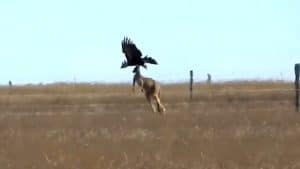
- Large birds like hawks and eagles hunt adult birds.
- Mammals such as rats and civets can steal eggs and baby birds from nests.
Surprising Predators
Some animals do not seem like natural predators but still pose a threat. These surprising hunters affect birds of paradise in unexpected ways.
| Predator | Type | How It Threatens |
| Golden-crowned cuscus | Mammal | Steals eggs and young from nests |
| Green tree python | Reptile | Climbs trees to eat eggs and chicks |
| Humans | Primate | Hunt birds for feathers and meat |
Defense Mechanisms
The Bird of Paradise faces threats from various predators. It uses special defense methods to survive. These methods help it avoid being caught.
Two main defense mechanisms include camouflage and behavioral tactics. Each helps the bird stay safe in its natural habitat.
Camouflage And Coloration
The Bird of Paradise uses bright colors and shapes to confuse predators. Its feathers often blend with flowers and leaves. This makes it hard for predators to spot the bird.
- Feathers mimic tropical flowers
- Colors blend with the environment
- Sudden flashes of color distract predators
Behavioral Tactics
Besides color, the Bird of Paradise uses smart behaviors to avoid danger. It moves quickly and hides when it senses a threat. These tactics reduce the chance of being caught.
| Behavior | Purpose |
|---|---|
| Quick flight | Escape from predators fast |
| Freezing still | Avoid detection by predators |
| Hiding in dense foliage | Stay out of sight |
| Alarm calls | Warn other birds of danger |
Impact Of Predation
Birds of paradise face threats from predators like snakes, rats, and large birds. Predation affects their survival and behavior. Understanding this impact helps us see their role in nature.
Predators reduce bird numbers but also keep ecosystems healthy. The balance between predator and prey is key to nature’s harmony.
Population Effects
Predation lowers the number of birds of paradise. Young birds and eggs are most at risk. This can slow population growth.
Fewer birds may mean less breeding and fewer new birds. This makes the population smaller over time.
- Predators eat eggs and chicks
- Adult birds may avoid risky areas
- Lower birth rates reduce population size
Ecosystem Balance
Predators help control bird of paradise numbers. This stops overpopulation and keeps plants healthy.
Birds of paradise spread seeds and pollinate flowers. Predators keep their numbers balanced so plants can grow well.
- Predators prevent bird overpopulation
- Balanced bird numbers support plant life
- Healthy plants support many animals
Conservation Efforts
Birds of paradise face threats from predators that harm their populations. Protecting these birds helps keep nature balanced. Conservation efforts focus on reducing these threats and saving their homes.
People work to keep bird habitats safe and limit predator dangers. These steps help birds of paradise live and grow in the wild.
Protecting Habitats
Birds of paradise need forests and clean areas to live. Protecting their habitats means stopping logging and land clearing. Forest protection gives birds places to find food and build nests safely.
Creating protected parks and reserves keeps the birds’ homes safe from humans and harmful changes. These safe spaces help birds avoid predators and survive longer.
- Stop cutting down forests where birds live
- Create parks and wildlife reserves
- Restore damaged forest areas
- Educate locals about habitat protection
Preventing Predator Threats
Predators like snakes, monitor lizards, and some mammals hunt birds of paradise or their eggs. Conservation plans include controlling these predators in key areas. This reduces the risk to birds and their young.
People also use safe nesting boxes and monitor bird nests to protect against predators. These actions help increase the number of young birds that survive.
- Control invasive predator species
- Use safe nesting boxes for birds
- Monitor nests to stop predator attacks
- Train locals to protect bird nests

Credit: www.wildlifenomads.com
Frequently Asked Questions
What Animals Prey On The Bird Of Paradise?
Predators of the Bird of Paradise include snakes, larger birds, and some mammals. These predators mainly target eggs and chicks. Adult Birds of Paradise use camouflage and agility to avoid them.
How Do Predators Affect Bird Of Paradise Populations?
Predators reduce Bird of Paradise populations by eating eggs and young birds. This natural pressure influences their behavior and nesting habits. Birds adapt by choosing safer nesting sites and increasing vigilance.
Are Bird Of Paradise Predators A Threat To Their Survival?
While predators pose risks, they rarely threaten overall survival. Birds of Paradise have evolved strong defenses like camouflage and flight. Human activities pose a greater threat to their habitats than predators.
Which Predators Target Bird of Paradise Eggs?
Snakes and monitor lizards commonly prey on Bird of Paradise eggs. These predators climb trees to access nests. Birds protect eggs by nesting in hidden or hard-to-reach locations.
Conclusion
Birds of Paradise face threats from various predators. Snakes and birds prey on them. Habitat loss also impacts their survival. Protecting these stunning birds is crucial. Conservation efforts are essential for their future. Education about their plight can raise awareness.
Supporting habitat preservation helps these birds thrive. Everyone can make a difference in their survival. Together, we can ensure they continue to enchant us. Let’s cherish and protect these incredible creatures. Their vibrant beauty deserves our attention and care. Keep learning about them.
Spread the word. Help secure a safe home for Birds of Paradise.