

Have you ever wondered what causes those unusual bumps or scabs on birds? If you care about your feathered friends, understanding avian pox is crucial.
This common yet tricky disease can affect wild and pet birds alike, causing discomfort and health issues. By learning what avian pox is, how it spreads, and what signs to watch for, you can protect the birds around you and ensure they stay healthy.
Keep reading to discover everything you need to know about avian pox and how it impacts your birds’ wellbeing.
Causes Of Avian Pox
Avian pox is a viral disease that affects many bird species. It causes skin lesions and can weaken birds.
Understanding what causes avian pox helps in controlling its spread among wild and domestic birds.
Viral Agents Behind Avian Pox
Avian pox is caused by viruses from the Avipoxvirus genus. These viruses belong to the Poxviridae family.
There are different strains of Avipoxvirus. Each strain infects specific bird types.
- Fowlpox virus affects chickens and turkeys.
- Canarypox virus mainly infects canaries and finches.
- Psittacine pox virus targets parrots and related species.
Transmission Methods
The avian pox virus spreads in several ways. It moves between birds and through the environment.
| Transmission Method | Description |
| Direct Contact | Touch between infected and healthy birds spreads the virus. |
| Insect Vectors | Mosquitoes and flies carry the virus from bird to bird. |
| Contaminated Surfaces | Birds pick up the virus from feeders, water, or perches. |
| Airborne Particles | Virus particles in dust or droplets can infect birds nearby. |
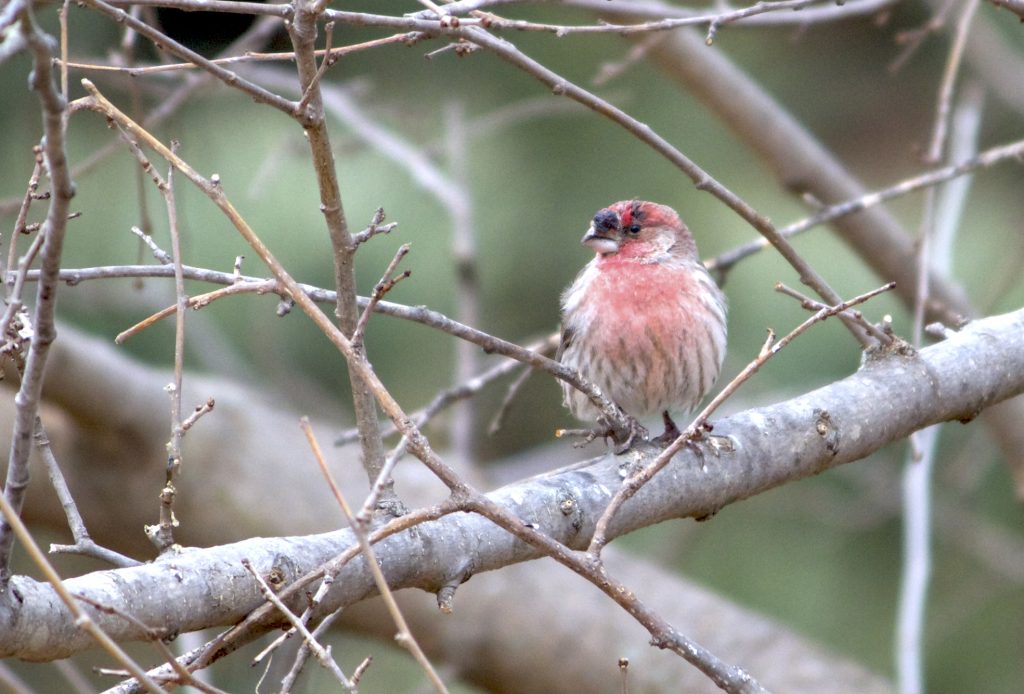
Credit: feederwatch.org
Types Of Avian Pox
Avian pox is a viral disease that affects birds. It causes different types of infections depending on where it appears on the bird.
The two main types of avian pox are the cutaneous form and the diphtheritic form. Each form has unique symptoms and effects.
Cutaneous Form
The cutaneous form of avian pox appears on the bird’s skin. It causes wart-like growths or nodules on the bird’s body.
These growths often show up on the feet, legs, and around the eyes or beak. They can make it hard for the bird to eat or move.
- Wart-like nodules on skin
- Common on feet and legs
- Can affect eyes and beak areas
- Causes discomfort and movement issues
Diphtheritic Form
The diphtheritic form affects the bird’s mouth, throat, and respiratory tract. It causes thick, yellowish sores inside these areas.
This form can block breathing and eating. It is more serious than the cutaneous form and can lead to death if untreated.
- Sores inside mouth and throat
- Causes breathing and eating problems
- More severe than skin form
- Can be fatal without care
Signs And Symptoms
Avian pox is a viral disease affecting many bird species. It causes visible signs that help identify the illness early.
Birds show different symptoms depending on the infection type. These signs affect their skin, breathing, and behavior.
Skin Lesions And Growths
The most common sign of avian pox is skin lesions. These can appear as raised bumps or scabs on unfeathered areas.
- Lesions on feet, legs, and around the eyes
- Scabby or wart-like growths
- Swelling near the beak and eyes
- Crusty sores that may bleed
Respiratory Issues
Some birds develop a wet form of avian pox. This causes breathing problems and discomfort.
| Symptom | Description |
| Difficulty breathing | Labored or noisy breaths |
| Swelling inside mouth | Reddened, thickened tissue in throat |
| Coughing and sneezing | Frequent respiratory sounds |
| Watery eyes and nasal discharge | Clear or cloudy fluids from eyes or nose |
Behavioral Changes
Birds infected with avian pox often act differently. These changes can signal illness before visible signs appear.
- Less active and weak
- Eating and drinking less than usual
- Isolation from other birds
- Fluffed feathers to stay warm
Bird Species At Risk
Avian pox is a disease that affects many bird species. It causes sores and lumps on the skin and inside the mouth.
Some birds are more likely to get avian pox than others. Understanding which birds are at risk helps protect them.
Commonly Affected Birds
Birds from different families can catch avian pox. It is common in wild birds but also affects pet birds.
- Finches
- Canaries
- Sparrows
- Robins
- Hawks
- Pigeons
- Parrots
Wild Vs. Pet Birds
Wild birds get avian pox mainly from biting insects or contact with infected birds. Pet birds often get it from poor hygiene or close contact with sick birds.
| Type of Bird | How Avian Pox Spreads | Common Symptoms |
| Wild Birds | Bites from mosquitoes and contact with other birds | Skin nodules, eye swelling, weight loss |
| Pet Birds | Close contact with infected birds or contaminated cages | Scabs on skin, mouth sores, breathing difficulty |
Diagnosis Methods
Avian pox is a viral disease that affects birds. Diagnosing it correctly is important to manage and control its spread.
This section covers common ways to identify avian pox through physical checks and lab tests.
Physical Examination
Birds with avian pox often show visible symptoms. A thorough physical exam helps spot these signs early.
- Look for wart-like growths on the skin, especially on the legs, feet, and around the eyes.
- Check for swelling or scabs in the mouth and throat area.
- Observe if the bird has difficulty breathing or eating.
- Note any loss of feathers or unusual behavior.
Laboratory Tests
Lab tests confirm the presence of the avian pox virus. These tests provide accurate results beyond physical signs.
| Test Type | Description | Purpose |
|---|---|---|
| Polymerase Chain Reaction (PCR) | Detects viral DNA in tissue samples or swabs. | Confirms infection by identifying virus genetic material. |
| Virus Isolation | Grows virus from samples in a lab setting. | Verifies live virus presence for diagnosis. |
| Histopathology | Microscopic study of tissue changes caused by virus. | Shows typical lesions related to avian pox. |

Credit: www.reddit.com
Treatment Options
Avian pox is a viral disease that affects birds. It causes skin lesions and other health problems. Treating avian pox helps birds recover and prevents spread.
Treatment focuses on supporting the bird’s health and managing symptoms. There is no direct cure for the virus itself.
Supportive Care
Supportive care helps birds stay strong while fighting the virus. Keep infected birds in a clean and safe environment. Provide fresh water and nutritious food to boost their immune system.
Remove any sharp objects from their space to avoid injury from lesions. Keep the bird warm and reduce stress by limiting handling. Monitor their condition daily for signs of improvement or worsening.
Medications And Therapies
No antiviral drugs specifically treat avian pox. Vets may use antibiotics to prevent or treat secondary bacterial infections. These infections can occur when skin lesions get infected.
Topical treatments can help soothe skin lesions. Applying antiseptic ointments may reduce inflammation and protect wounds from infection. Pain relief medicines can be given if the bird is in discomfort.
- Antibiotics for bacterial infections
- Antiseptic ointments for skin care
- Pain relief medications if needed
- Vitamin supplements to support immunity
Prevention Strategies
Avian pox is a viral disease that affects birds. It spreads through direct contact or insect bites. Preventing the disease is important for bird health.
Effective prevention helps reduce outbreaks and protects wild and domestic birds. Two key areas to focus on are vaccination and hygiene.
Vaccination
Vaccination is a useful way to protect birds from avian pox. It helps birds build immunity against the virus. Vaccines are often given to poultry and birds in captivity.
- Consult a veterinarian to choose the right vaccine.
- Follow the vaccination schedule strictly.
- Keep records of vaccinated birds for monitoring.
- Use proper techniques to reduce stress during vaccination.
- Isolate new birds and vaccinate them before mixing with others.
Hygiene And Habitat Management
Good hygiene and clean habitats reduce the risk of avian pox. Proper habitat management limits insect vectors and contact with infected birds.
| Practice | Benefit |
|---|---|
| Regular cleaning of cages and birdhouses | Removes virus particles and reduces infection |
| Control of mosquitoes and biting insects | Prevents insect-borne transmission |
| Provide fresh, clean water and food | Supports bird health and immunity |
| Remove sick or dead birds immediately | Stops spread to healthy birds |
| Limit overcrowding in enclosures | Reduces direct contact and stress |
Impact On Bird Health
Avian pox is a viral disease that affects many bird species. It causes sores and lesions on their skin and inside their mouths.
This illness can weaken birds and make it hard for them to eat or fly. It spreads through contact with infected birds or mosquitoes.
Complications
Birds with avian pox often face problems like breathing trouble. The sores can get infected by bacteria, leading to more harm.
Eye infections are common if the pox affects the face. This can cause blindness or make the bird less able to find food.
- Breathing difficulties from swollen airways
- Bacterial infections in skin sores
- Eye damage causing vision loss
- Difficulty eating due to mouth lesions
Long-term Effects
Some birds recover but carry scars on their skin. These scars can affect their ability to fly or stay warm.
Weakened birds may have less chance to survive cold weather or escape predators. This reduces their lifespan and breeding success.
- Permanent skin scarring
- Reduced flying ability
- Lower survival in harsh conditions
- Decreased reproduction rates
Role Of Bird Owners
Avian pox is a viral disease that affects many bird species. Bird owners play a key role in protecting their pets from this illness.
Knowing how to spot signs early and when to get help can save birds from serious harm.
Early Detection
Bird owners should watch for small, wart-like growths on the skin or sores in the mouth. These are common signs of avian pox.
- Look for lumps on the feet, legs, or around the eyes.
- Notice if the bird is scratching or pecking at spots.
- Check for breathing difficulties or loss of appetite.
- Observe changes in behavior or activity levels.
When To Seek Veterinary Help
If you see any signs of avian pox, contact a vet quickly. Early treatment helps prevent the disease from getting worse.
| Symptom | Action |
| Skin lesions or scabs | Schedule a vet visit immediately |
| Difficulty breathing | Seek emergency veterinary care |
| Loss of appetite or weakness | Monitor closely and consult a vet |
| New growths spreading fast | Get veterinary advice without delay |
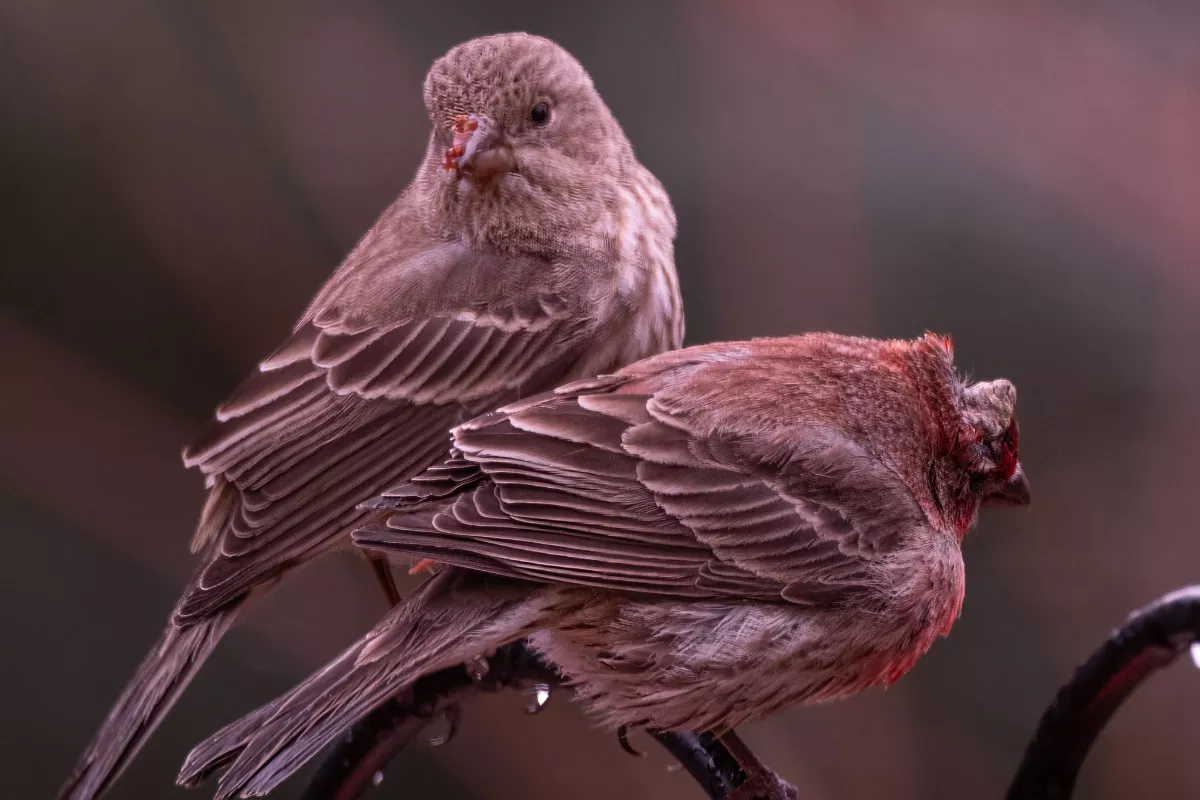
Credit: www.westword.com
Frequently Asked Questions
What Is Avian Pox In Birds?
Avian Pox is a viral disease affecting birds’ skin and mucous membranes. It causes wart-like lesions. The virus spreads through direct contact or mosquito bites. It can impact wild and domestic birds, leading to weakened health or death in severe cases.
How Does Avian Pox Spread Among Birds?
Avian Pox spreads mainly through mosquito bites and direct contact with infected birds. Contaminated surfaces or shared feeders also help transmit the virus. Understanding its transmission helps in controlling outbreaks and protecting bird populations in both wild and captive environments.
What Are Common Symptoms Of Avian Pox?
Symptoms include wart-like growths on skin, especially around the eyes and beak. Birds may also show lethargy, weight loss, and difficulty eating. Respiratory issues can occur in severe infections. Early symptom recognition is crucial for timely intervention and care.
Can Avian Pox Infect Pet Birds?
Yes, pet birds can contract Avian Pox through contact with infected wild birds or mosquitoes. Proper hygiene, mosquito control, and vaccination help reduce risks. Pet owners should monitor birds for symptoms and seek veterinary care if needed.
Conclusion
Avian Pox affects many bird species worldwide. Understanding it helps protect birds. Symptoms include lesions and difficulty breathing. Early detection is crucial for treatment. Bird lovers should stay informed about prevention. Clean bird feeders regularly to reduce risks. Encourage others to help monitor local birds.
Awareness can reduce spread and save wildlife. Everyone can play a part in bird health. Let’s work together for a healthier environment. Knowledge is key in fighting Avian Pox. Keep learning and caring for our feathered friends. Your actions can make a difference.



