Have you ever wondered if something as simple as bird droppings could affect your health? It might surprise you to learn that these common outdoor messes can carry a hidden danger called histoplasmosis.
This lung infection often goes unnoticed but can cause serious problems if you’re not careful. You’ll discover what histoplasmosis is, how it’s linked to bird droppings, and what steps you can take to protect yourself and your loved ones. Keep reading to uncover the facts that could keep you safe.
Histoplasmosis Basics
Histoplasmosis is a lung infection caused by a fungus called Histoplasma capsulatum. It mainly affects people who breathe in fungal spores from the environment.
This infection can range from mild to severe, depending on the number of spores inhaled and the person's health.
What Is Histoplasmosis?
Histoplasmosis is an illness that happens after breathing in spores of a fungus. The fungus lives in soil, especially where there are bird or bat droppings.
Once inhaled, the spores can cause symptoms like cough, fever, and tiredness. In some cases, the infection clears on its own, but it can be serious for people with weak immune systems.
How Bird Droppings Spread The Fungus
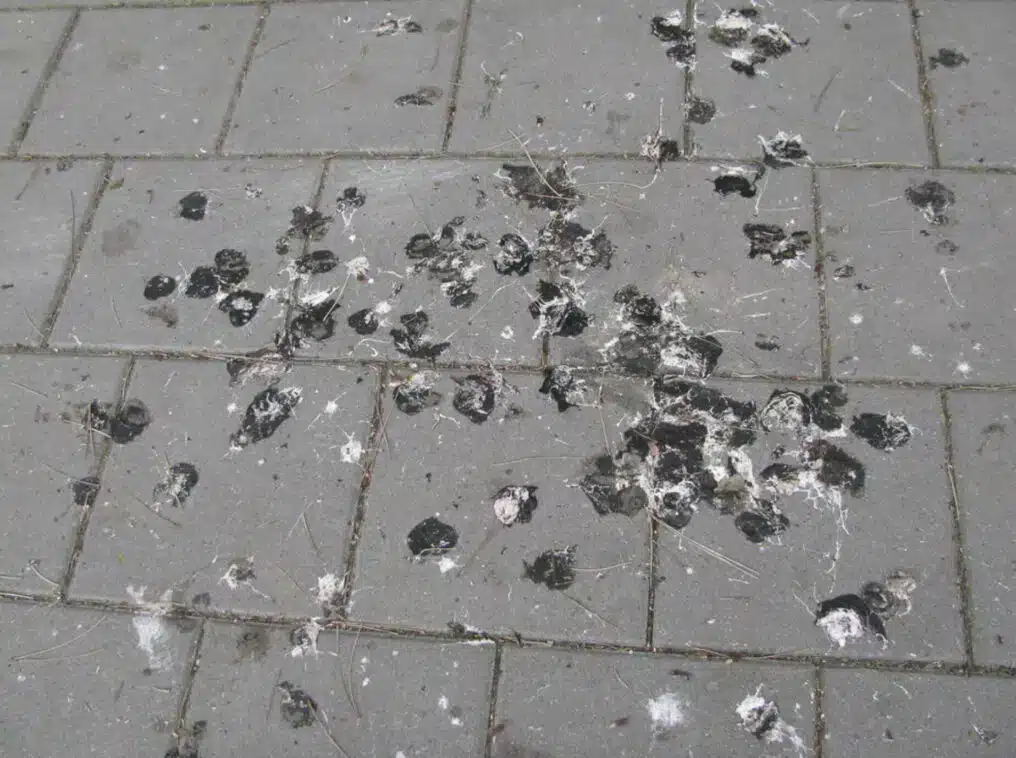
Bird droppings provide a good place for the Histoplasma fungus to grow. When the droppings dry, the spores become airborne and can be inhaled.
- Bird droppings mix with soil and create a rich environment for fungus growth.
- Dry droppings break into dust containing fungal spores.
- Wind or human activity spreads the spores into the air.
- People nearby may breathe in the spores and get infected.
| Source | Role in Spread |
| Bird Droppings | Provide nutrients for fungus growth |
| Dry Soil | Allows spores to become airborne |
| Wind | Transports spores to new areas |
| Human Activity | Disturbs soil, releasing spores |
Causes Of Histoplasmosis
Histoplasmosis is an infection caused by a fungus called Histoplasma capsulatum. This fungus grows in soil that has bird or bat droppings. People get infected by breathing in tiny spores from the fungus.
The spores become airborne when the soil is disturbed. This can happen during activities like cleaning old buildings or working in gardens.
Role Of Bird Droppings
Bird droppings provide nutrients that help the fungus grow. The droppings change the soil, making it a good place for the fungus to live.
Places with many birds often have higher amounts of the fungus. The droppings dry and break apart, releasing fungal spores into the air.
Environmental Factors
The fungus grows best in warm, moist environments. Soil that is rich in nitrogen from droppings helps the fungus thrive.
Disturbing the soil spreads the spores. Wind and air movement can carry spores far from the original site.
- Warm temperature supports growth
- Moist soil helps fungus survive
- High nitrogen from droppings feeds fungus
- Soil disruption releases spores
At-risk Locations
Areas with large bird populations have more fungus. Old buildings, chicken coops, and barns often have bird droppings.
People near caves with bats or near bird roosts have higher chances of exposure. Construction sites and farms can also be risky.
- Bird roosts and nesting areas
- Old buildings with droppings
- Chicken coops and barns
- Caves with bats
- Construction or farming sites
Symptoms And Diagnosis
Histoplasmosis is an infection caused by breathing in spores from bird droppings. It mainly affects the lungs. Symptoms can vary from mild to severe.
Early diagnosis is important for proper treatment. Doctors use different methods to find out if you have histoplasmosis.
Common Symptoms
Symptoms of histoplasmosis usually start within 3 to 17 days after exposure. Many people have no symptoms or mild flu-like signs.
- Fever and chills
- Dry cough or chest discomfort
- Fatigue and weakness
- Headache
- Muscle aches
- Shortness of breath in severe cases
- Weight loss if infection lasts long
When To See A Doctor
Seek medical help if you have been near bird droppings and notice symptoms. Especially if symptoms last more than a week or get worse.
| Symptom | When to See a Doctor |
| Fever over 101°F (38.3°C) | Immediately |
| Persistent cough | If it lasts more than 10 days |
| Difficulty breathing | Right away |
| Chest pain | Urgently |
| Severe fatigue | If it affects daily activities |
Diagnostic Methods
Doctors use several tests to confirm histoplasmosis. These tests check for the fungus or your body’s response to it.
- Chest X-ray to look for lung changes
- Blood tests to detect antibodies or antigens
- Sputum culture to find the fungus in mucus
- Biopsy if needed to examine tissue samples
- Skin test to check immune reaction
Prevention Strategies
Histoplasmosis is a lung infection caused by breathing in spores from bird droppings. Preventing this illness means reducing contact with these droppings. Simple safety steps help lower the risk of infection.
Use careful cleaning and protective gear when near bird droppings. Follow safe handling rules to protect yourself and others from exposure.
Avoiding Exposure
Stay away from areas with large amounts of bird droppings. Avoid disturbing dry droppings or soil where birds nest. This stops spores from becoming airborne.
- Do not clean bird droppings without protection
- Keep windows and doors closed in contaminated areas
- Limit time spent near bird roosts or nests
- Remove bird nests only if necessary and with care
Protective Gear And Cleaning Tips
Wear masks, gloves, and protective clothing to avoid breathing in spores. Wet droppings before cleaning to reduce dust. Use disinfectants to kill fungus safely.
| Protective Gear | Cleaning Tips |
| N95 mask or better | Spray droppings with water |
| Rubber gloves | Use a disinfectant solution |
| Long sleeves and pants | Remove droppings carefully |
| Eye protection | Dispose of waste in sealed bags |
Safe Handling Of Bird Droppings
Handle droppings gently to avoid raising dust. Clean surfaces regularly if birds are present. Always wash hands after contact with droppings or contaminated items.
- Use wet cleaning methods instead of dry sweeping
- Do not use leaf blowers or high-pressure sprays
- Wash clothes separately after cleaning
- Keep children and pets away from droppings
Treatment Options
Treating histoplasmosis from bird droppings depends on how severe the infection is. Mild cases may not need strong medicines. Serious infections require medical treatment quickly.
Doctors use different methods to manage symptoms and clear the infection. Patients must follow the treatment plan closely for better results.
Medical Therapies
Antifungal drugs are the main treatment for histoplasmosis. The choice of medicine depends on the illness stage and the patient’s health.
- Itraconazole is common for mild to moderate cases.
- Amphotericin B is used for severe infections or when itraconazole is not effective.
- Treatment usually lasts several weeks to months.
- Doctors monitor patients to avoid drug side effects.
Home Care Tips
- Get plenty of rest to help your body fight the infection.
- Drink fluids to stay hydrated.
- Avoid disturbing bird droppings or soil that may contain the fungus.
- Wear masks and gloves if cleaning areas with bird droppings.
- Keep follow-up appointments with your doctor.
Recovery Expectations
| Recovery Aspect | What to Expect |
| Duration | Several weeks to months depending on severity |
| Symptoms | May improve slowly; cough and fatigue can last weeks |
| Follow-up | Regular medical check-ups to confirm infection clearance |
| Complications | Rare if treated; untreated cases may worsen or spread |

Credit: www.aviaway.com
Risk Groups And Complications
Histoplasmosis is an infection caused by breathing spores from bird droppings. It affects the lungs and sometimes other parts of the body.
Some people are more likely to get sick or have serious problems from this infection. Knowing who is at risk helps with early care.
Who Is Most Vulnerable?
People with weak immune systems face higher risk of histoplasmosis. This includes those with certain health conditions or treatments.
- People with HIV/AIDS
- Those taking steroids or chemotherapy
- Organ transplant recipients
- Older adults
- Infants and young children
- Workers exposed to bird droppings often, like farmers and construction workers
Possible Health Complications
Histoplasmosis can cause mild to serious health issues. Some people recover quickly, but others may face long-term problems.
| Complication | Description |
| Acute Pulmonary Histoplasmosis | Flu-like symptoms that clear up in a few weeks. |
| Chronic Pulmonary Histoplasmosis | Long-lasting lung infection causing cough and weight loss. |
| Disseminated Histoplasmosis | Infection spreads to other organs; can be life-threatening. |
| Fibrosing Mediastinitis | Scar tissue builds in the chest, causing breathing problems. |
Environmental Control Measures
Histoplasmosis from bird droppings is a lung infection caused by a fungus. Controlling the environment helps reduce the risk. This means managing birds and cleaning areas carefully.
Proper actions stop the fungus from spreading. It protects people working or living near bird habitats.
Managing Bird Populations
Reducing bird numbers near homes lowers droppings buildup. This helps limit fungal growth. Avoid feeding birds and remove nests regularly.
- Close access points to attics and roofs
- Install bird spikes or netting on ledges
- Remove food sources like open trash cans
- Trim trees and shrubs near buildings
Cleaning Contaminated Areas Safely
Cleaning bird droppings must be done carefully. Disturbing the droppings can release harmful spores into the air. Wear protective gear like masks and gloves.
| Safety Step | Description |
| Wet the Area | Spray with water mixed with disinfectant to reduce dust |
| Remove Droppings | Use a shovel or scraper to pick up droppings carefully |
| Dispose Properly | Place waste in sealed bags and throw in trash |
| Clean Tools | Disinfect tools after use to avoid spreading spores |
Credit: www.youtube.com

Credit: www.cdc.gov
Frequently Asked Questions
What Causes Histoplasmosis From Bird Droppings?
Histoplasmosis is caused by inhaling spores of the fungus Histoplasma capsulatum. These spores grow in bird droppings and soil, especially in areas with large amounts of bird waste. When disturbed, the spores become airborne and can infect humans through the lungs.
What Are Common Symptoms Of Histoplasmosis Infection?
Symptoms include fever, cough, chest pain, fatigue, and shortness of breath. Mild cases resemble flu, while severe infections can cause pneumonia-like symptoms. Symptoms usually appear 3 to 17 days after exposure to the fungal spores.
How Is Histoplasmosis Diagnosed And Treated?
Doctors diagnose histoplasmosis through blood tests, chest X-rays, or fungal cultures. Mild cases often resolve without treatment. Severe infections require antifungal medications like itraconazole or amphotericin B for effective management.
Can Histoplasmosis From Bird Droppings Be Prevented?
Yes, prevention includes avoiding areas with bird droppings, using masks, and wetting soil before disturbance. Proper cleaning and protective gear reduce spore inhalation risk, especially for workers in affected environments.
Conclusion
Histoplasmosis poses a real risk from bird droppings. It's crucial to stay informed. Protect yourself and your family. Wear masks and gloves when cleaning. Bird droppings can be harmful. Regularly clean affected areas safely. Seek medical advice if symptoms appear.
Early detection aids quick recovery. Awareness ensures better health. Stay safe and vigilant. Understanding histoplasmosis helps reduce risks. Stay informed, stay healthy. Your health matters.