Are you wondering how to make your bird feeder more inviting for your feathered friends? One simple change can make a big difference: the perch size.
Choosing the optimal perch size isn’t just about looks—it affects which birds visit and how comfortable they feel. You’ll discover exactly what perch size works best to attract a variety of birds to your feeder. Keep reading to learn how this small detail can transform your backyard into a lively bird haven.

Credit: www.amazon.com
Importance Of Perch Size
Choosing the right perch size for a bird feeder is very important. It helps birds feel safe and comfortable while they eat.
A perch that fits well supports different bird species and their feeding habits.
Impact On Bird Comfort
Birds need a perch size that matches their feet. Too small or too big can cause discomfort or injury.
- Small perches suit tiny birds like finches and chickadees.
- Medium perches fit birds like sparrows and jays.
- Large perches help bigger birds such as doves and woodpeckers.
Effects On Feeding Behavior
Proper perch size encourages birds to feed longer and more often. It also reduces stress during feeding.
| Perch Size | Effect on Feeding |
| Too Small | Birds struggle to grip, feed less |
| Ideal Size | Birds feed comfortably, stay longer |
| Too Large | Birds feel unstable, avoid feeder |
Influence On Bird Species Variety
Different bird species prefer different perch sizes. Providing a variety attracts more types of birds.
Here are perch sizes and common birds that prefer them:
- Small (0.5 inch):Hummingbirds, chickadees
- Medium (0.75 inch):Sparrows, finches
- Large (1 inch or more):Cardinals, doves, woodpeckers
Common Perch Sizes
Choosing the right perch size is key for bird feeders. It helps birds feel safe and comfortable.
Different birds need different perch sizes. This guide shows common perch sizes for various birds.
Small Perches For Tiny Birds
Small perches are best for tiny birds like finches and chickadees. These perches usually measure 3 to 5 inches long.
- Diameter: 1/4 to 1/2 inch
- Length: 3 to 5 inches
- Material: Lightweight wood or plastic
Medium Perches For Songbirds
Medium perches suit birds like cardinals and blue jays. They range from 5 to 7 inches in length.
| Perch Size | Diameter | Length |
| Small | 1/4 - 1/2 inch | 3 - 5 inches |
| Medium | 1/2 - 3/4 inch | 5 - 7 inches |
| Large | 3/4 - 1 inch | 7 - 10 inches |
Medium perches have a diameter of 1/2 to 3/4 inch. Wood or metal perches work well here.
Large Perches For Bigger Birds
Large perches support big birds like woodpeckers and doves. These perches are sturdy and longer.
- Diameter: 3/4 to 1 inch
- Length: 7 to 10 inches or more
- Material: Strong wood or metal
Material And Shape Considerations
Choosing the right perch size for bird feeders is important. It helps birds feel safe and comfortable while feeding.
The material and shape of the perch affect the birds' grip and balance. These factors influence which birds will visit your feeder.
Wood Vs Metal Vs Plastic
Wood perches are natural and gentle on birds' feet. They stay cool in summer and warm in winter. Wood can wear down or get moldy over time.
Metal perches are strong and last long. They can become hot in the sun and cold in winter. Metal can be slippery for birds.
Plastic perches are lightweight and easy to clean. They may become slippery and less durable. Some plastics can crack in cold weather.
- Wood:Natural, comfortable, may wear out
- Metal:Durable, temperature-sensitive, slippery
- Plastic:Lightweight, easy to clean, less durable
Round Vs Flat Perches
Round perches allow birds to wrap their feet around. They offer a natural grip for many bird species. Small birds prefer round perches.
Flat perches give more space for birds to stand. They work well for larger birds or groups feeding at once. Flat surfaces can be less secure if slippery.
- Round perches:Natural grip, good for small birds
- Flat perches:More space, good for large birds
Textured Surfaces For Grip
Textured surfaces help birds hold on safely. Rough or grooved textures prevent slipping. This is important on metal or plastic perches.
Adding texture can mimic natural branches. Birds feel more secure and stay longer at the feeder. Avoid very sharp textures that can hurt birds’ feet.
- Rough surfaces improve grip
- Grooves or ridges mimic natural branches
- Avoid sharp or harsh textures

Credit: www.amazon.com
Adjusting Perch Size For Different Bird Feeders
Bird feeders come in many shapes and sizes. The perch size affects which birds can use the feeder easily.
Choosing the right perch size helps attract your favorite birds. It also keeps bigger birds from taking over.
Tube Feeders
Tube feeders usually have small perches near each feeding hole. These perches should be thin and short.
Thin perches allow small birds like finches and chickadees to land easily. Large perches can make it hard for small birds to feed.
- Perch diameter: about 1/4 inch (6 mm)
- Length: short, about 1 to 2 inches (2.5 to 5 cm)
- Material: smooth wood or plastic
Platform Feeders
Platform feeders offer a flat surface for birds to stand on. They do not use traditional perches but edges or small bars can help.
Edges should be wide enough for birds to stand comfortably. Small perches or rods can be added around the platform for extra support.
- Edge width: at least 3 to 4 inches (7.5 to 10 cm)
- Perch rods: 1/4 inch (6 mm) diameter
- Placement: spaced evenly around the platform
Hopper Feeders
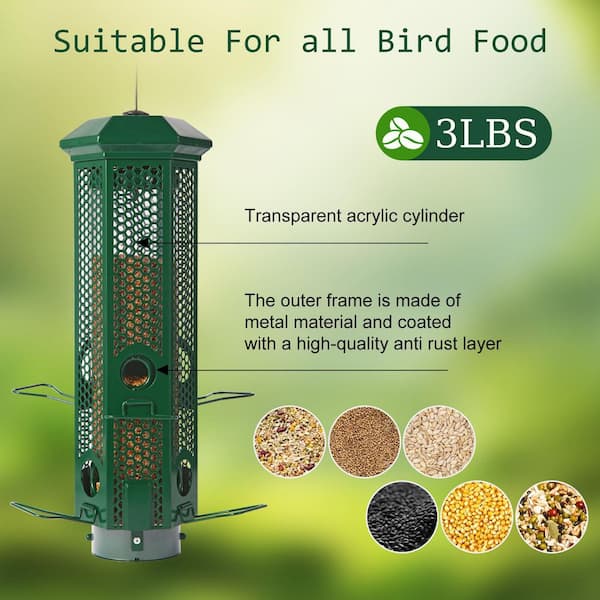
Hopper feeders hold a large amount of seed. They often have longer perches to support bigger birds.
Perches should be strong and wide enough for medium to large birds. This helps keep the feeder stable when birds land.
- Perch diameter: 1/2 inch (12 mm) or more
- Length: 4 to 6 inches (10 to 15 cm)
- Material: sturdy wood or metal
Tips For Customizing Perch Size
Choosing the right perch size for bird feeders helps many types of birds feel comfortable. Different birds prefer different perch sizes. You can change perch sizes to attract more birds.
This guide shares tips to customize perch sizes based on bird needs and environment. Adjusting perch size can improve bird visits and feeding success.
Using Multiple Perch Sizes
Offering several perch sizes on one feeder lets different birds use it. Small birds like thin perches. Larger birds need thicker ones. This variety helps many species feed together.
- Thin perches around 1/4 inch for small birds
- Medium perches about 1/2 inch for medium birds
- Thick perches near 3/4 inch for large birds
Adapting To Local Bird Species
Different places have different bird species. Learn which birds live near you. Then choose perch sizes that match their feet. This helps local birds feel safe and welcome.
| Bird Species | Preferred Perch Size |
| Finches | 1/4 inch |
| Sparrows | 1/3 inch |
| Cardinals | 1/2 inch |
| Blue Jays | 3/4 inch |
Seasonal Adjustments
Bird needs change with seasons. In cold months, birds may need thicker perches to keep feet warm. In warm months, thinner perches can be more comfortable. Change perch sizes to suit the season.
Seasonal perch tips:
- Winter: Use thicker, rough-textured perches
- Summer: Use thinner, smooth perches
- Spring/Fall: Mix of perch sizes works well
Credit: www.homedepot.com
Common Mistakes To Avoid
Choosing the right perch size for bird feeders is important for bird comfort. Many people make errors that can scare birds away or cause harm.
Knowing what to avoid helps you create a safe and welcoming place for birds to feed and rest.
Perch Too Small Or Too Large
Perches that are too small can make birds feel unstable and unsafe. Those too large can be hard to grip and tiring for small birds.
- Small perches may cause birds to slip or fall.
- Large perches can tire small birds quickly.
- Choose perch sizes that fit the types of birds you want to attract.
- Offer varied perch sizes for different bird species.
Ignoring Bird Safety
Safety should be a top priority. Avoid sharp edges or toxic materials near the perch. Proper spacing helps reduce fights and overcrowding.
| Safety Aspect | Reason |
| Rounded perch edges | Prevent injuries to birds’ feet |
| Non-toxic materials | Keep birds healthy and safe |
| Proper perch spacing | Reduce stress and fighting |
| Stable attachment | Prevent wobbling or falling |
Neglecting Maintenance
Dirty or broken perches can harm birds. Regular cleaning and checks keep feeders safe and inviting.
- Clean perches weekly to remove dirt and droppings.
- Inspect for cracks or damage regularly.
- Replace worn or broken perches immediately.
- Keep the area around the feeder tidy.
Frequently Asked Questions
What Is The Ideal Perch Size For Bird Feeders?
The ideal perch size ranges from 3 to 6 inches. This size accommodates small to medium birds comfortably. It ensures birds can easily land and feed without overcrowding. Proper perch size also helps attract diverse bird species to your feeder.
How Does Perch Size Affect Bird Feeder Use?
Perch size influences which bird species can access the feeder. Smaller perches attract small birds like finches and chickadees. Larger perches support bigger birds such as cardinals. Choosing the right perch size encourages more frequent visits and better feeding experiences.
Can Perch Size Impact Bird Safety At Feeders?
Yes, the right perch size improves bird safety. Too small perches can cause birds to lose balance. Too large perches may allow aggressive birds to dominate. Proper perch size reduces stress and competition, promoting a safer feeding environment.
What Materials Work Best For Bird Feeder Perches?
Wood and metal are common perch materials. Wood offers a natural feel and good grip. Metal is durable and easy to clean. Choose materials that provide stability and comfort for birds to perch safely.
Conclusion
Choosing the right perch size is crucial for bird feeder success. Birds need a comfortable place to land and eat. Small birds prefer smaller perches. Larger birds need bigger perches for balance. Observe the birds visiting your feeder. Adjust perch sizes based on their needs.
This ensures all birds can feed easily. A well-sized perch attracts more birds. Happy birds mean a lively garden. Your bird feeder becomes a favorite spot. Enjoy watching the diverse birdlife it brings. Remember, the right perch size makes all the difference.
So, adjust and enjoy the birdwatching experience!