Have you ever stopped to watch a small bird effortlessly land on a thin branch and stay perfectly balanced? That’s a perching bird in action.
But what exactly makes these birds so special? If you’ve ever wondered how they manage to grip branches with such ease or why they’re found almost everywhere, you’re about to discover the answers. Understanding what a perching bird is will change the way you see those little creatures outside your window.
Keep reading, and you’ll uncover fascinating facts that will surprise and delight you.
Traits Of Perching Birds
Perching birds are a large group of birds known for their ability to grip branches. They are common in many parts of the world. These birds have special features that help them hold onto tree branches firmly.
This article explains key traits of perching birds, focusing on their toes, gripping skills, and body shape.
Unique Toe Arrangement
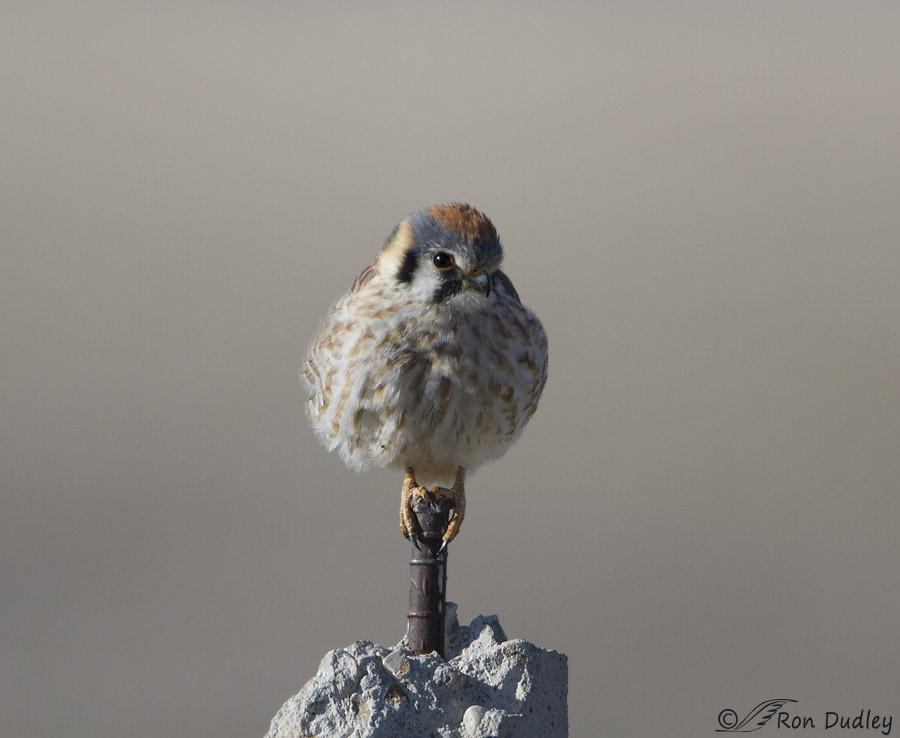
Perching birds have a special toe setup called anisodactyl. Three toes point forward, and one toe points backward. This helps them hold onto branches tightly.
- Three front toes provide balance
- The single back toe acts like a hook
- This arrangement allows quick grasp and release
Adaptations For Gripping
These birds have strong tendons in their legs. When they bend their legs, the tendons tighten automatically. This locks their toes around a branch without using much energy.
| Feature | Benefit |
| Strong leg tendons | Secure grip without effort |
| Flexible toe joints | Easy to wrap around branches |
| Lightweight bones | Help balance while perching |
Typical Size And Shape
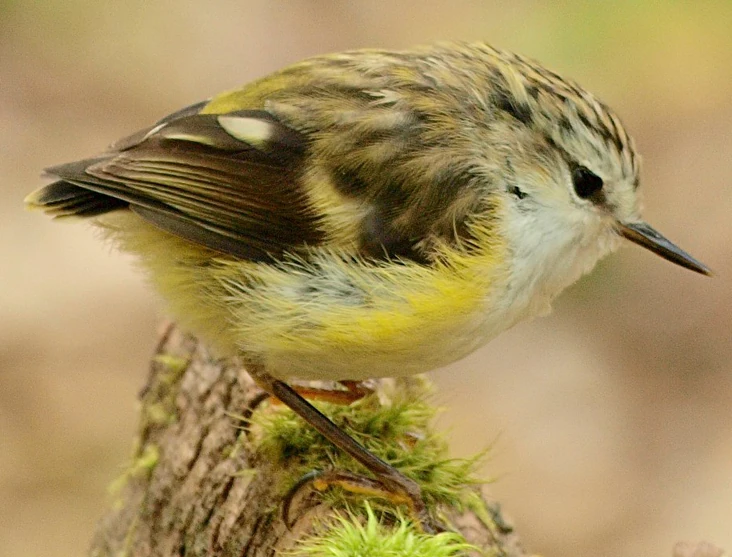
Most perching birds are small to medium-sized. They often have slim bodies and pointed beaks. Their wings are shaped for quick, short flights between trees.
Common size range and shape traits:
- Length: 10 to 30 cm (4 to 12 inches)
- Weight: 15 to 100 grams (0.5 to 3.5 ounces)
- Body shape: Slim with rounded heads
- Beak: Usually thin and sharp for eating insects or seeds
Credit: allbirdsoftheworld.fandom.com
Common Types Of Perching Birds
Perching birds, also called passerines, are the largest group of birds. They have special feet that help them hold onto branches easily.
Many types of birds belong to this group. They are found all over the world and come in many colors and sizes.
Songbirds
Songbirds are known for their beautiful songs. They use songs to communicate and attract mates.
These birds usually have small, sharp beaks for eating insects and seeds.
- Robins
- Thrushes
- Wrens
- Canaries
Finches And Sparrows
Finches and sparrows are small birds with strong beaks. They use their beaks to crack open seeds.
They often live in groups and are easy to spot in gardens and parks.
- House Finch
- American Goldfinch
- House Sparrow
- Song Sparrow
Thrushes And Warblers
Thrushes are medium-sized birds with spotted breasts. They eat insects and berries.
Warblers are small, active birds. They have bright colors and sing loud songs.
- American Robin
- Wood Thrush
- Yellow Warbler
- Common Yellowthroat
Habitats And Distribution
Perching birds live in many places around the world. They choose habitats where they can find food and shelter. Their distribution depends on the environment and climate.
These birds are very adaptable. They can live in cities, forests, grasslands, and wetlands. Each habitat offers different resources for perching birds.
Urban Environments
Many perching birds thrive in urban areas. They use trees, parks, and gardens for nesting and feeding. Buildings and streetlights provide additional perching spots.
- Common species include sparrows and pigeons
- They feed on scraps, seeds, and insects
- Urban noise and lights may affect their behavior
Forests And Woodlands
Forests offer rich habitats for many perching birds. Trees provide food, nesting sites, and protection. Woodlands support a wide variety of bird species.
| Type of Forest | Common Perching Birds | Key Features |
| Temperate | Chickadees, Warblers | Deciduous trees, seasonal changes |
| Tropical | Toucans, Orioles | High biodiversity, dense foliage |
| Boreal | Crossbills, Finches | Coniferous trees, cold climate |
Grasslands And Wetlands
Grasslands and wetlands are important for some perching birds. These areas offer open spaces with shrubs and water sources. Birds find insects and small animals to eat here.
- Marshes and swamps with tall grasses
- Meadows with scattered bushes
- Riverbanks with mixed vegetation

Credit: fyfluiddynamics.com
Behavior And Diet
Perching birds are a large group of birds known for their ability to grip branches. They have strong feet with three toes pointing forward and one backward. This helps them perch easily on trees and wires.
Their behavior and diet vary widely, but many perching birds are active during the day. They use their sharp beaks to catch food and communicate with others through songs.
Feeding Habits
Perching birds eat many types of food. Most eat insects, seeds, or fruit. They often search for food in trees or on the ground. Some catch flying insects with quick moves.
Many use their strong feet to hold food while eating. They may also store food in their beaks before eating it slowly.
- Insects like beetles and caterpillars
- Seeds from plants and trees
- Fruits and berries
- Small worms and spiders
Nesting And Breeding
Perching birds build nests in many places. They often choose trees, shrubs, or even buildings. Nests can be made from twigs, grass, and feathers.
Birds lay eggs and take turns keeping them warm. Both parents usually help feed the chicks after they hatch. This care helps young birds grow strong.
- Nests in trees, bushes, or man-made structures
- Eggs are often speckled or camouflaged
- Both parents feed and protect chicks
- Chicks leave the nest when strong enough
Migration Patterns
Many perching birds migrate to find better food and weather. They travel long distances in groups or alone. Some migrate at night to avoid predators.
Migration routes are often the same each year. Birds use the sun, stars, and Earth’s magnetic field to navigate. This helps them reach warm places during winter.
- Travel to warmer areas in cold seasons
- Use natural cues like stars and magnets
- Fly alone or in flocks
- Return to the same nesting sites each year
Role In Ecosystems
Perching birds play important roles in many ecosystems. They help maintain balance and support other life forms.
Their actions affect plants, insects, and the overall health of the environment around them.
Seed Dispersal
Perching birds eat fruits and spread seeds through their droppings. This helps plants grow in new areas and keeps forests healthy.
- Birds carry seeds far from the parent plant
- Seeds get planted in fertile soil
- This supports forest growth and plant diversity
Pest Control
Many perching birds eat insects and small pests. This natural control reduces the need for chemicals.
| Bird Species | Common Prey | Effect on Pests |
| Chickadee | Caterpillars, Beetles | Limits crop damage |
| Swallow | Flies, Mosquitoes | Reduces insect populations |
| Warbler | Aphids, Moths | Protects plants from pests |
Indicators Of Environmental Health
The presence and behavior of perching birds show how healthy an environment is. Changes in their numbers can warn of problems.
Signs that indicate environmental health:
- High bird diversity means a healthy ecosystem.
- Fewer birds may signal pollution or habitat loss.
- Changes in bird behavior can show climate effects.
Credit: www.featheredphotography.com
Interesting Perching Bird Facts
Perching birds are a large group known for their unique feet that help them grip branches. They make up more than half of all bird species worldwide.
These birds live in many habitats and show amazing behaviors. Learning about their special traits can be very exciting.
Record Holders
Some perching birds hold records in size, song, and speed. The largest perching bird is the Common Raven, which can grow up to 24 inches long.
| Record | Bird | Detail |
|---|---|---|
| Largest Size | Common Raven | Up to 24 inches long |
| Longest Song | Nightingale | Can sing for hours |
| Fastest Flight | Swallow | Speeds up to 35 mph |
Unique Vocalizations
Perching birds use songs and calls to communicate. Each species has special sounds for mating, warning, or marking territory.
- Nightingales sing complex and long songs at night.
- Mockingbirds can copy sounds from other birds and animals.
- Chickadees have calls that change with the danger level.
Survival Strategies
Perching birds have smart ways to stay safe and find food. Their feet lock around branches to help them sleep without falling.
Here are some key survival strategies of perching birds:
- Strong feet that lock to hold onto branches.
- Camouflage colors to hide from predators.
- Quick flight to escape danger.
- Building nests in hidden places.
- Using alarm calls to warn others.
Frequently Asked Questions
What Defines A Perching Bird?
A perching bird is one that has feet adapted to grasp branches. Their tendons lock to help them perch securely without effort. This group includes songbirds and many common backyard birds.
How Do Perching Birds’ Feet Work?
Perching birds have three toes forward and one backward. This arrangement helps them grip branches tightly. Their specialized tendons lock toes in place, preventing slipping during sleep or rest.
Which Birds Are Classified As Perching Birds?
Common perching birds include sparrows, robins, and finches. Most belong to the order Passeriformes. They make up over half of all bird species worldwide.
Why Are Perching Birds Important Ecologically?
Perching birds aid in insect control and seed dispersal. They maintain ecosystem balance by pollinating flowers and controlling pests. Their presence indicates a healthy environment.
Conclusion
Perching birds, known as passerines, are fascinating creatures. They make up over half of all bird species. These birds are known for their unique toe arrangement. This helps them grip branches securely. Their diversity includes sparrows, robins, and crows. Each species sings its own song, adding music to nature.
Observing them can be a joyful experience. They play important roles in ecosystems, aiding in seed dispersal and pest control. Learning about these birds enriches our understanding of nature. Their presence reminds us of the beauty and complexity of the natural world.
Enjoy watching these birds in your surroundings.