Have you ever wondered which bird rules the skies as the most efficient predator? Imagine a creature built perfectly for speed, precision, and power—hunting with skill that leaves its prey no chance to escape.
If you’re curious about the top bird hunter and what makes it so incredible, you’re in the right place. Keep reading to discover the secrets behind this master of the air and why it stands out above all other birds of prey.
Your fascination with nature’s finest hunter is about to take flight!
Traits Of Efficient Predator Birds
Predator birds are skilled hunters that survive by catching other animals. Their traits help them find, chase, and capture prey quickly.
These birds have special features that make them very good at hunting. Their bodies, hunting ways, and senses all work together to help them succeed.
Physical Adaptations
Efficient predator birds have sharp claws called talons. These help them grab and hold onto prey tightly. Their beaks are hooked to tear meat easily.
Strong wings allow fast and silent flying. Their muscles are built for quick bursts of speed and sudden turns during a chase.
- Sharp talons to catch prey
- Hooked beaks to tear meat
- Strong wings for fast flight
- Muscles for quick movements
Hunting Techniques
Predator birds use different ways to catch food. Some dive from high in the sky to surprise prey. Others wait quietly and swoop down at the right moment.
Some birds hunt alone, while others work in pairs or groups to trap animals. They use speed, stealth, and power in their attacks.
- Diving from high to catch prey
- Waiting silently to strike
- Hunting alone or in groups
- Using speed and stealth
Sensory Abilities
Predator birds have excellent eyesight. They can see small animals from far away. Their eyes have more light-sensitive cells than humans.
These birds hear well to detect sounds of prey. Some can sense movement even in low light. Their sharp senses help them find food easily.
- Very sharp eyesight
- Can spot small animals far away
- Good hearing to detect prey sounds
- See well in low light
Credit: timesofindia.indiatimes.com
Top Predator Birds By Speed
Predator birds are known for their speed and hunting skills. Some of the fastest birds catch prey while diving from great heights. Speed helps them surprise and capture their target quickly.
This article looks at three top predator birds famous for their speed and power. Each bird uses its unique abilities to be a successful hunter in the wild.
Peregrine Falcon
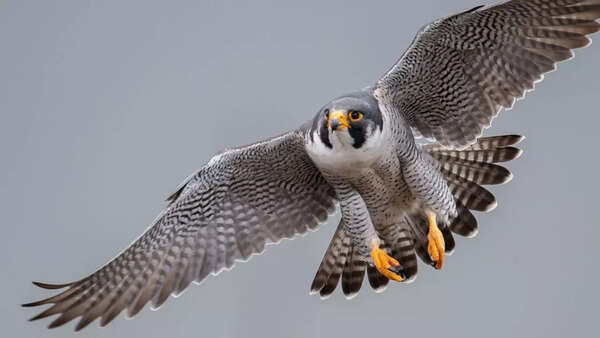
The Peregrine Falcon is the fastest bird in the world. It can dive at speeds over 240 miles per hour. This bird uses its speed to catch other birds in midair.
- Speed: Up to 240 mph during a dive
- Hunting style: High-speed stoop dive
- Diet: Mostly other birds
- Habitat: Found worldwide, especially near water and cities
Golden Eagle
The Golden Eagle is a large bird of prey known for its strength and speed. It can fly at speeds up to 150 miles per hour while hunting. It attacks mammals and birds from above.
| Feature | Description |
| Maximum Speed | 150 mph (during a dive) |
| Wingspan | 6 to 7.5 feet |
| Diet | Rabbits, birds, and small mammals |
| Range | North America, Europe, Asia |
Gyrfalcon
The Gyrfalcon is the largest falcon species. It hunts in cold Arctic regions and can reach speeds of 130 miles per hour. It uses fast flying to catch birds and small mammals.
- Speed: Up to 130 mph in a dive
- Size: Larger than Peregrine Falcon and Golden Eagle
- Habitat: Arctic and sub-Arctic areas
- Prey: Ptarmigans, waterfowl, and small mammals
Stealth And Strategy Experts
Predator birds use clever tactics to catch their prey. They rely on silence and surprise to hunt well.
These birds show great skill in moving quietly and watching their target closely before striking.
Great Horned Owl
The Great Horned Owl is a master of silent flight. Its feathers are soft, which stops noise when it flies.
This owl hunts at night. It waits quietly and swoops down quickly to catch animals like rabbits and raccoons.
- Silent wings reduce noise
- Strong talons grab prey fast
- Excellent night vision helps spot prey
Harpy Eagle
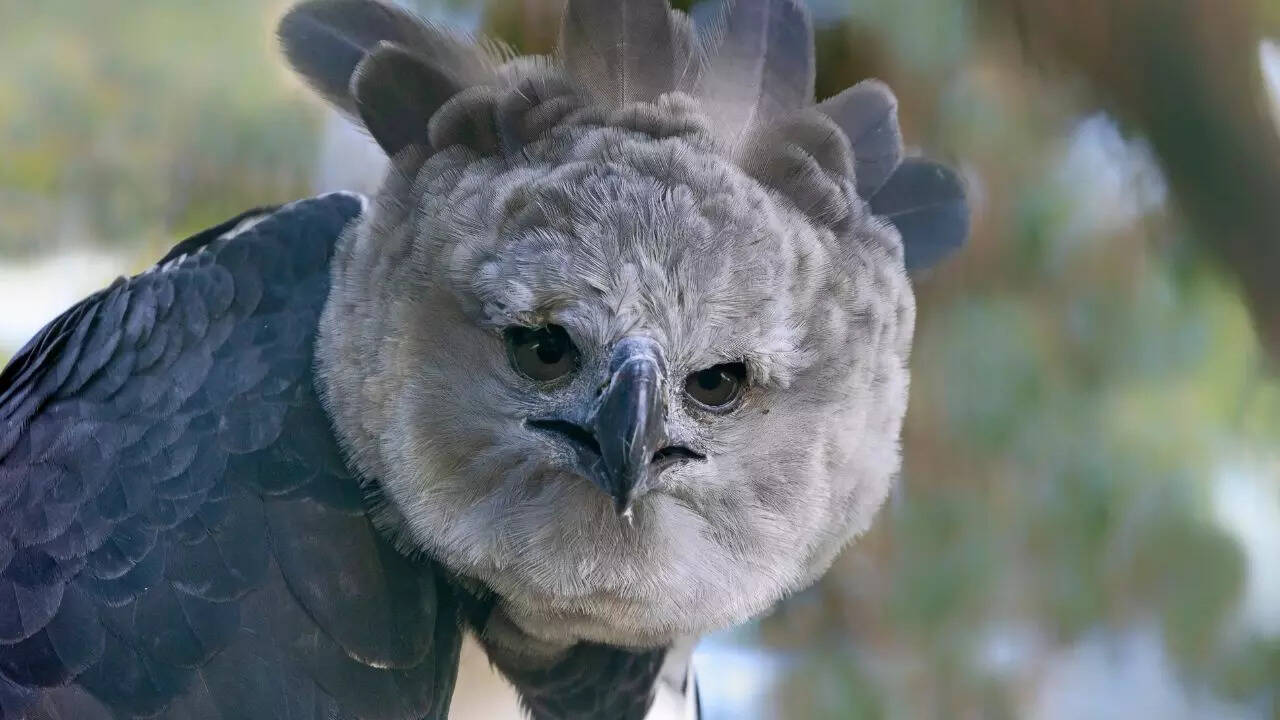
The Harpy Eagle is one of the largest and strongest birds. It uses sharp eyesight to find animals in trees.
It flies slowly and hides among leaves. Then it attacks with great power and speed to catch monkeys and sloths.
- Powerful claws hold big prey
- Stealthy movement through forest
- Sharp eyes spot prey from far away
Northern Goshawk
The Northern Goshawk is fast and agile. It chases birds and small mammals through thick forests.
This bird uses quick turns and sudden attacks. Its strong wings help it move between trees with ease.
- Fast and nimble flyer
- Sharp claws and beak for hunting
- Uses surprise to catch prey off guard
Credit: timesofindia.indiatimes.com
Power And Strength In Hunters
Predator birds are some of nature’s strongest hunters. They use power and sharp senses to catch prey. Their strength helps them survive and rule the skies.
We will look at three powerful birds that show great hunting skills. These birds use their power and strength to catch food and protect their territory.
Steller's Sea Eagle
The Steller's Sea Eagle is one of the heaviest eagles. It lives near the coasts of Russia and Japan. This eagle uses its strong claws to catch large fish and birds.
Its wingspan can reach up to 8 feet, giving it great power to fly and carry heavy prey. The Steller’s Sea Eagle is a strong hunter with sharp eyesight.
- Weight: up to 20 pounds
- Wingspan: up to 8 feet
- Hunts fish, water birds, and small mammals
Philippine Eagle
The Philippine Eagle is very strong and lives in dense forests. It is known as the "King of Birds" in the Philippines. This eagle uses its strong feet to catch monkeys and large birds.
It has great muscle power and sharp talons. Its strong beak helps it tear through tough prey. The Philippine Eagle is one of the strongest forest hunters.
- Weight: up to 14 pounds
- Strong talons and beak
- Hunts monkeys, snakes, and birds
Martial Eagle
The Martial Eagle is a large bird of prey found in Africa. It is very fast and powerful. This eagle uses its strength to catch animals like antelopes and large birds.
Its strong legs and sharp claws help it kill prey quickly. The Martial Eagle is one of the most powerful hunters in the African skies.
- Weight: up to 15 pounds
- Wingspan: about 7.5 feet
- Hunts medium-sized mammals and birds
Hunting Success Rates And Efficiency
Predator birds use different skills to catch prey. Some catch food more often than others. This shows their hunting success and efficiency.
Efficient predators save energy and get enough food. This helps them survive in the wild.
Measuring Success
Scientists watch how many hunts lead to a catch. They count the number of attempts and successes. This gives the hunting success rate.
High success rates mean the bird is very skilled. Some birds catch prey over 50% of the time. Others have lower success but hunt more often.
- Number of hunting attempts
- Number of successful catches
- Time spent hunting
- Types of prey caught
Environmental Impact
Predator birds help keep animal populations balanced. They control the number of small mammals and insects. This prevents overpopulation.
Efficient hunters reduce their impact on the environment. They catch enough food without wasting energy or resources.
- Controls prey populations
- Maintains ecosystem balance
- Reduces competition among predators
- Supports healthy habitats
Energy Conservation
Efficient predator birds use less energy when hunting. They choose the best hunting techniques. This helps them save energy for other activities.
Some birds use surprise attacks or soar to spot prey. These methods help them catch food quickly and with less effort.
- Using fast, precise attacks
- Soaring high to spot prey
- Choosing easy-to-catch prey
- Minimizing time spent hunting

Credit: birdsnways.com
Comparing Hunting Styles
Birds of prey use different ways to catch food. Each style works best for certain birds. This helps them survive in their environment.
Understanding hunting styles shows which predator bird is most efficient. We will look at aerial pursuit, ambush hunting, and scavenging versus active hunting.
Aerial Pursuit
Aerial pursuit means chasing prey while flying. Birds like falcons and hawks use this style. They are fast and agile in the air.
These birds spot prey from high up. Then they dive or chase quickly to catch it. Speed and accuracy are very important here.
- Falcons can dive at over 200 mph
- Hawks use sharp eyesight to track moving prey
- High speed helps catch fast animals like other birds
Ambush Hunting
Ambush hunters wait quietly for prey to come close. Owls and some eagles use this style. They rely on stealth and surprise.
These birds hide in trees or tall grass. When prey is near, they strike fast with strong talons. This method saves energy.
- Owls use silent flight to avoid being heard
- Eagles can blend into rocky areas
- Ambush works well for catching small mammals
Scavenging Versus Active Hunting
Some birds eat dead animals. These are scavengers like vultures. Others hunt live prey actively. Both ways have pros and cons.
Scavengers save energy by eating leftovers. Active hunters work harder but get fresher food. Some birds do both to survive.
- Vultures can find carcasses from miles away
- Active hunters like eagles catch fresh prey
- Combining both methods increases food options
Role Of Habitat In Hunting Efficiency
The habitat where a bird lives shapes how it hunts. Different environments offer unique challenges and opportunities.
Predator birds adapt their hunting skills to fit their habitats. This helps them catch prey more easily and survive better.
Forest Dwellers
Birds that live in forests use trees and thick plants to hide. They wait quietly for prey to come close before striking.
They often have sharp vision and strong claws to catch small animals like squirrels and birds in tight spaces.
- Use trees for cover
- Hunt small mammals and birds
- Rely on stealth and quick attacks
Open Plains Hunters
Birds in open plains need speed and sharp eyesight. They spot prey from far away and dive fast to catch it.
They hunt animals like rabbits and rodents that run quickly across the grasslands.
- Hunt in wide, open spaces
- Use speed to catch fast prey
- Have excellent long-distance vision
Coastal And Marine Predators
Birds near water catch fish and sea animals. They dive deep or scoop prey from the surface.
Their hunting skills match the changing tides and water conditions to find food efficiently.
- Dive or scoop fish and crustaceans
- Adapt to tides and waves
- Use sharp beaks to catch slippery prey
Frequently Asked Questions
What Bird Is Considered The Most Efficient Predator?
The peregrine falcon is often regarded as the most efficient predator bird. It can dive at speeds over 240 mph, capturing prey mid-air. Its hunting skills and speed make it an exceptional predator in the bird world.
How Do Predator Birds Catch Their Prey Effectively?
Predator birds use sharp talons, keen eyesight, and swift flight to catch prey. They often dive or swoop silently, surprising their targets. These adaptations increase their hunting success and energy efficiency.
Which Traits Make A Predator Bird Highly Efficient?
Speed, agility, sharp vision, and powerful talons define an efficient predator bird. These traits help them spot, chase, and capture prey with minimal effort. Adaptations like silent flight also enhance their hunting efficiency.
Can Predator Birds Hunt Different Types Of Prey?
Yes, many predator birds hunt a variety of prey including fish, mammals, and insects. Their diet depends on habitat and species. This versatility contributes to their survival and hunting efficiency.
Conclusion
Each predator bird has its own unique hunting skills. The peregrine falcon stands out for its incredible speed. It dives at over 200 miles per hour. This speed makes it the most efficient predator bird. Owls hunt silently, using their keen hearing.
Eagles showcase power with their strong talons. Hawks combine speed and agility to catch prey. Each bird plays a vital role in the ecosystem. They maintain balance by controlling prey populations. Understanding these predators enriches our appreciation of nature. Their skills are essential for survival.
Nature’s design at its finest.