What is the Top Bird Predator? Fastest and Fiercest Hunters Explained
Have you ever wondered which bird stands at the very top of the food chain as a fierce predator? Knowing the answer can change how you see the natural world around you.
Whether you’re a bird lover, a nature enthusiast, or just curious, discovering the top bird predator will surprise and captivate you. This isn’t just about who’s the strongest—it’s about sharp instincts, incredible skills, and a hunting mastery that commands respect.
Keep reading, and you’ll uncover the secrets behind this amazing bird’s power and why it rules the skies like no other.
Top Bird Predators
Birds that hunt other animals are called bird predators. They are at the top of their food chain. These birds catch prey for food using sharp claws and strong beaks.
Many bird predators live in forests, mountains, and open fields. They use their speed, vision, and power to catch smaller animals like rodents, fish, and other birds.
Characteristics Of Apex Avian Hunters
Apex avian hunters are the strongest and smartest birds of prey. They have keen eyesight to spot prey from far away. Their sharp talons help them catch and kill their food quickly.
These birds have strong wings for fast and silent flight. Many of them hunt alone and use stealth to surprise their prey. They are usually at the top, with no natural enemies.
- Excellent vision for spotting prey
- Strong, curved beaks for tearing flesh
- Sharp talons for gripping and killing
- Powerful wings for speed and maneuvering
- Solitary hunters relying on stealth
Common Traits Among Top Predators
Top bird predators share many traits that help them survive. They are usually large and very strong. Their bodies are designed for hunting and catching fast prey.
These birds have sharp senses, especially sight and hearing. They use these senses to find prey from high in the sky. Most top predators are very patient and wait for the right moment to strike.
- Large size and strong build
- Sharp eyesight and hearing
- Fast and agile in flight
- Patience and precision in hunting
- Adapted to various environments
Credit: timesofindia.indiatimes.com
Fiercest Bird Hunters
Birds of prey are skilled hunters. They catch animals for food with sharp claws and strong beaks. Some are known as the fiercest hunters in the bird world.
This article talks about four top bird predators. Each one uses unique skills to catch their prey.
Golden Eagle
The Golden Eagle is large and powerful. It hunts mammals and birds. It can dive fast and grab prey with its strong talons.
Peregrine Falcon
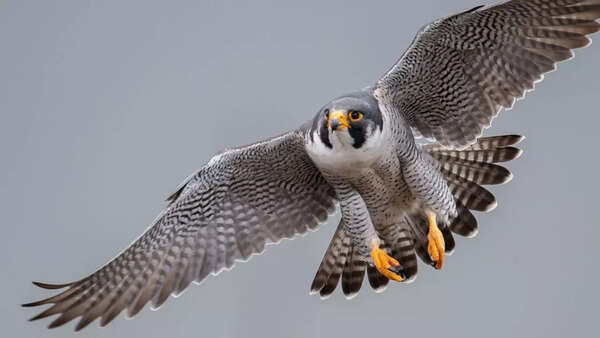
Peregrine Falcons are the fastest birds. They reach speeds over 200 miles per hour when diving. They catch birds in mid-air with great precision.
Harpy Eagle
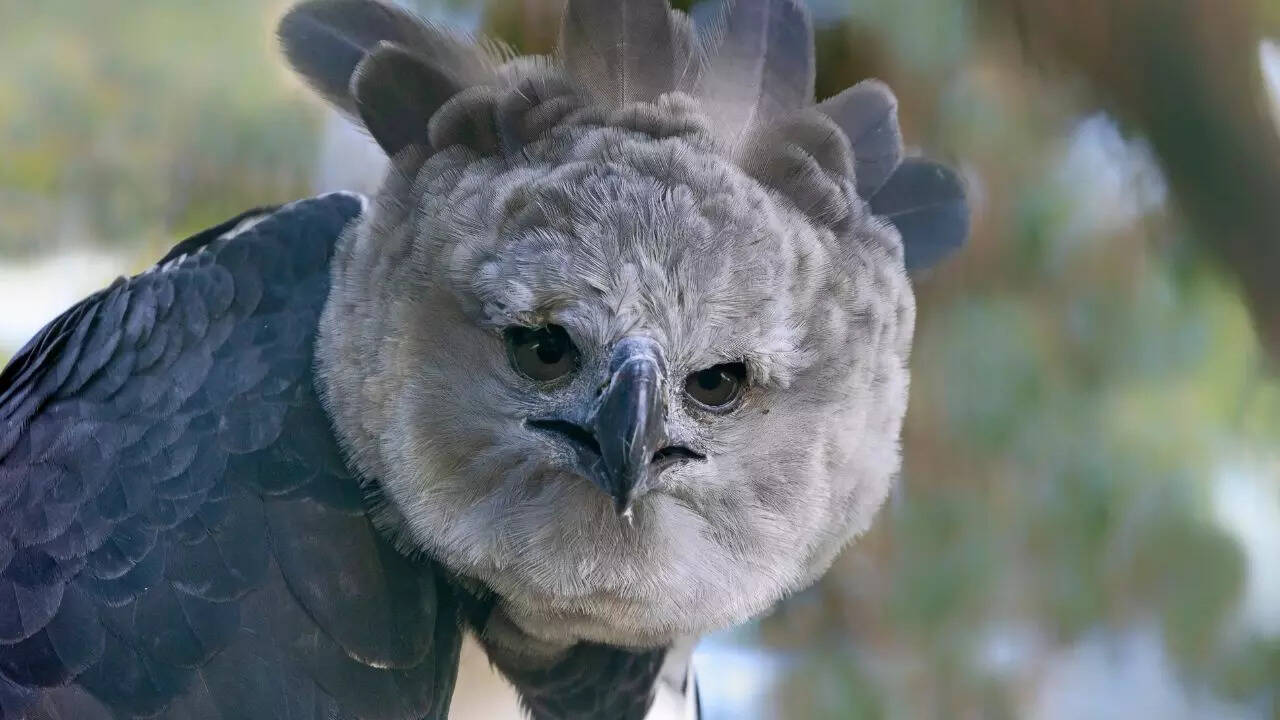
The Harpy Eagle lives in rainforests. It hunts monkeys and sloths. It has huge claws, as big as a bear’s claws.
- Powerful legs
- Massive talons
- Strong beak for tearing
- Excellent eyesight
Northern Goshawk
Northern Goshawks hunt in forests. They catch birds and small mammals. They are quick and can fly through thick trees to surprise prey.
| Bird | Hunting Style | Prey |
| Golden Eagle | High soar and dive | Rabbits, foxes, birds |
| Peregrine Falcon | High-speed dive | Birds in flight |
| Harpy Eagle | Ambush from tree | Monkeys, sloths |
| Northern Goshawk | Fast flight in forest | Birds, squirrels |
Hunting Techniques
The top bird predator uses many hunting techniques to catch prey. It relies on sharp senses and strong skills. Understanding these methods helps us learn about its survival.
This bird uses speed, stealth, and power to hunt. Each skill plays a big role in capturing food efficiently.
Speed And Agility
This bird flies very fast and changes direction quickly. Speed helps it catch fast-moving prey. Agility allows quick turns during flight.
- Reaches high speeds in short bursts
- Makes sharp turns to follow prey
- Uses wings to control flight precisely
Stealth And Surprise
The bird hides well before attacking. It waits quietly and watches its target. Surprise gives it a strong advantage in hunting success.
| Technique | Description |
|---|---|
| Camouflage | Blends with surroundings to avoid being seen |
| Silent Flight | Flies without making noise to sneak up on prey |
| Patience | Waits for the perfect moment to strike |
Power And Grip
This bird has strong muscles and sharp claws. Its grip holds prey tightly to prevent escape. Power helps it kill prey quickly.
- Strong talons to catch and hold prey
- Muscular legs for quick strikes
- Beak designed to tear flesh easily
Diet And Prey
The top bird predator feeds on a wide range of animals. Its diet depends on what is available in its habitat. This bird uses its sharp eyesight and strong claws to catch prey.
Understanding what this bird eats helps us learn about its role in the ecosystem. It controls populations of many small animals.
Small Mammals
Small mammals make up a large part of this bird’s diet. It hunts animals like mice, rats, and rabbits. These mammals provide a good source of protein and energy.
- Field mice
- Voles
- Rabbits
- Squirrels
Other Birds
This predator also hunts other birds. It targets smaller birds that are easier to catch. This helps keep bird populations balanced.
| Bird Species | Common Prey Size | Hunting Method |
| Songbirds | Small | Surprise attack |
| Waterfowl | Medium | Fast dive |
| Ground birds | Medium | Stealth approach |
Reptiles And Amphibians
The top bird predator also eats reptiles and amphibians. It hunts frogs, lizards, and snakes. These animals add variety to its diet and are found near water.
Typical reptile and amphibian prey:
- Frogs
- Lizards
- Snakes
Habitat And Range
The top bird predator lives in many types of habitats. Its range covers different parts of the world. This bird adapts well to diverse environments.
Knowing where it lives helps us understand its hunting habits. These habitats provide food and shelter for the bird.
Mountainous Regions
This bird predator often lives in high mountains. Rocky cliffs and steep slopes are common homes. These areas give good views to spot prey.
The cold climate and thin air suit this bird. It nests on ledges safe from other predators. Mountain streams and valleys supply water and food.
Forests And Jungles
Dense forests and jungles also host this bird. It hides well in tall trees and thick leaves. The bird hunts small mammals and other birds here.
- Prefers large, old trees for nesting
- Uses canopy cover to stay hidden
- Hunts mainly during early morning and dusk
- Common in tropical and temperate forests
Open Plains And Coastal Areas
Open plains and coasts offer wide hunting grounds. The bird soars high to scan large areas for prey. Coastal cliffs provide safe nesting spots.
| Habitat Type | Key Features | Common Prey |
| Mountainous Regions | Rocky cliffs, cold climate | Mountain goats, small mammals |
| Forests and Jungles | Dense trees, thick canopy | Birds, squirrels, rabbits |
| Open Plains and Coastal Areas | Wide open space, coastal cliffs | Rabbits, fish, seabirds |

Credit: birdsnways.com
Adaptations For Hunting
The top bird predators have special features to catch their prey. These adaptations help them hunt well and survive.
They use sharp tools, great vision, and quiet movement to catch their food quickly and safely.
Sharp Talons And Beak
Bird predators have strong, curved talons to grab and hold prey tightly. Their beak is sharp and hooked to tear meat easily.
These tools help them kill prey fast and eat without trouble.
- Talons grip and kill prey
- Beak tears flesh apart
- Both are strong and precise
Keen Eyesight
Bird predators have excellent eyesight to spot prey from far away. Their eyes see details clearly even in low light.
This sharp vision helps them find and track animals before attacking.
- See prey at great distances
- Detect small movements easily
- Work well in daylight and dusk
Silent Flight
Many top bird predators fly quietly to sneak up on prey. Special feathers reduce noise during flight.
This silence helps them get close without being heard or seen.
- Soft edges on feathers cut sound
- Slow wing beats lower noise
- Fly close without alerting prey
Human Impact And Conservation
Top bird predators play a vital role in nature. Humans affect these birds in many ways. Conservation helps protect them and their homes.
This article explains the threats, conservation work, and why these birds matter to ecosystems.
Threats To Top Predators
Human activities cause many problems for top bird predators. These include habitat loss, hunting, and pollution.
- Deforestation removes nesting and hunting areas.
- Hunting reduces their numbers quickly.
- Pollution poisons their food and water.
- Climate change alters their habitats and food sources.
Conservation Efforts
Many groups work to save top bird predators. They protect land and create laws to stop hunting.
| Conservation Method | Purpose |
| Protected Areas | Keep habitats safe from damage |
| Anti-Poaching Laws | Stop illegal hunting |
| Breeding Programs | Help increase bird numbers |
| Pollution Control | Reduce toxins in environment |
Importance In Ecosystems
Top bird predators keep ecosystems balanced. They control prey populations and help nature stay healthy.
Here are key roles of these birds:
- Control small animal numbers to prevent overpopulation.
- Help spread seeds and nutrients by feeding on various species.
- Indicate ecosystem health because they need clean environments to survive.
Credit: timesofindia.indiatimes.com
Frequently Asked Questions
What Bird Is Considered The Top Predator In The Sky?
The peregrine falcon is the top bird predator globally. It hunts other birds with incredible speed and precision. Its diving speed can exceed 240 mph, making it the fastest animal on Earth. This falcon is highly adaptable and found worldwide.
How Do Top Bird Predators Hunt Their Prey?
Top bird predators use sharp talons, keen eyesight, and swift flight. They often dive at high speeds to catch prey mid-air. Stealth and surprise are key tactics. These birds target weaker or slower animals, ensuring efficient hunting.
Which Habitats Do Top Bird Predators Prefer?
Top bird predators thrive in diverse habitats like mountains, forests, and wetlands. They choose areas with abundant prey and nesting sites. Open spaces help them spot prey easily. Many adapt well to urban environments too.
What Prey Do Top Bird Predators Usually Target?
Top bird predators mainly hunt smaller birds, mammals, and insects. They prefer species easy to catch and rich in nutrients. Some may also eat reptiles or fish. Their diet varies based on habitat and prey availability.
Conclusion
Predatory birds fascinate with their hunting skills and instincts. They play vital roles in maintaining ecological balance. From the fierce eagle to the stealthy owl, each bird has unique strengths. Understanding their behaviors helps us appreciate nature’s complexity. Protecting these birds ensures a diverse ecosystem.
By learning about them, we support conservation efforts. Every bird species is crucial to our planet’s health. Observing these predators in action connects us with nature. Let’s respect and protect these incredible creatures. Their survival reflects the health of our environment.
Keep exploring and learning about these amazing birds.