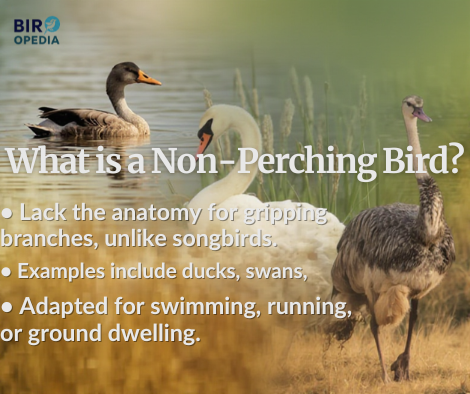
Have you ever heard a strange bird noise outside your window and wondered, “What is this bird noise?” That curious sound can catch your attention and make you pause. You might feel a mix of curiosity and a bit of frustration because you want to know which bird is making that unique call.
Understanding these sounds can bring you closer to nature and add a new layer of enjoyment to your day. Keep reading, and you’ll discover how to identify those mysterious bird noises and why they matter to you.
Common Bird Calls
Birds make different sounds to communicate with each other. These sounds are called bird calls. Each call has a special meaning for the birds.
Learning about bird calls helps us understand what birds are doing. We can hear if they are happy, scared, or looking for a mate.
Songs And Their Meanings
Bird songs are usually long and complex sounds. Birds use songs to mark their territory. They tell other birds to stay away.
Songs can also show how healthy and strong a bird is. A good song means the bird is ready to defend its space.
Alarm Calls
Alarm calls are short and sharp sounds. Birds make these calls when they see danger nearby. The call warns other birds to be careful.
Different alarm calls mean different kinds of danger. Some calls warn about predators in the air. Others warn about threats on the ground.
- Short, sharp chirps signal immediate danger
- Repeated calls alert birds to stay quiet or hide
- Loud, harsh calls can scare predators away
Mating Calls
Mating calls are sounds birds use to attract partners. These calls are often sweet and musical. They show that a bird is ready to find a mate.
Male birds usually sing louder to impress females. The better the call, the higher the chance of attracting a mate.
- Soft trills to invite a mate
- Repeated songs to show fitness
- Unique sounds to stand out from other birds
Credit: apps.apple.com
Identifying Bird Sounds
Bird sounds can tell us a lot about the bird species nearby. Each bird has unique calls and songs. Learning to identify these sounds helps you enjoy nature more.
Listening closely and practicing will improve your skill. This guide shares tips and tools to help you recognize bird noises better.
Using Apps And Technology
Apps can help you identify bird sounds quickly. Many apps record bird calls and match them to a database. This makes it easier to find the bird species.
Technology like sound recorders and smart devices can also help. You can save sounds and listen to them later for study.
- Use bird identification apps for quick matches
- Record sounds with your phone or recorder
- Compare recordings with online bird sound libraries
Listening Tips
Find a quiet spot to listen carefully to bird sounds. Try to note the pitch, rhythm, and repetition of the calls. These details help in identification.
Practice listening often and focus on different birds. Over time, you will recognize common patterns and unique sounds.
- Listen in the early morning when birds are most active
- Use headphones to hear faint sounds better
- Write down or record what you hear for reference
Regional Variations
Bird sounds vary by region and habitat. The same species may sing differently in different places. Knowing local bird songs helps you identify them correctly.
Learn about birds common to your area. Local bird guides or websites can show you typical calls you might hear nearby.
- Bird songs change with seasons and regions
- Local birds have unique calls to watch for
- Use region-specific sound guides for better accuracy
Famous Bird Sounds
Bird sounds fill the outdoors with music and meaning. Each bird has a unique call or song.
Learning about these sounds helps us enjoy nature more and recognize different birds.
Owls And Their Hoots
Owls make hooting sounds that vary by species. Their hoots often signal territory or attract mates.
- Great Horned Owls have deep, rhythmic hoots.
- Barred Owls sound like “Who cooks for you?”
- Eastern Screech Owls make trilling calls.
Songbirds
Songbirds sing bright, complex melodies. They use songs to mark territory and communicate.
| Bird | Sound Description |
| Northern Cardinal | Clear whistled notes, often two-parted |
| American Robin | Cheerful, repetitive phrases |
| Mockingbird | Varied sounds, mimics other birds |
Waterfowl Calls
Waterfowl use calls to communicate while flying or near water. Their calls can be loud and harsh.
Famous waterfowl calls include:
- Canada Geese: loud honking in groups
- Wood Ducks: sharp whistles and squeals
- Mallards: quacking sounds from females

Credit: www.reddit.com
Why Birds Make Noise
Birds use sounds to interact with each other. Their calls and songs serve many purposes.
Understanding why birds make noise helps us learn about their behavior and needs.
Communication
Birds use noise to share information with others in their group. Calls help them find mates and keep contact.
- Attracting a mate with songs
- Keeping in touch with family members
- Coordinating group movements
Territorial Claims
Birds sing or call to claim and defend their territory. This warns other birds to stay away.
| Type of Sound | Purpose |
|---|---|
| Loud song | Mark territory boundaries |
| Repeated calls | Show presence to rivals |
| Display sounds | Intimidate intruders |
Warning Signals
Birds use sharp calls to warn others of danger. These sounds alert the group to predators or threats.
- Alarm calls to signal predators
- Group calls to gather attention
- Specific sounds for different dangers
Recording And Sharing Bird Sounds
Bird sounds are a beautiful part of nature. Many people enjoy recording these sounds to learn about birds. Sharing these recordings helps others recognize birds too.
With the right tools and timing, anyone can capture clear bird calls. Joining communities makes sharing fun and educational.
Equipment Basics
To record bird sounds well, use a good microphone and recorder. A directional microphone helps capture sounds from far away. A windscreen reduces noise from the wind.
- Handheld digital recorder
- Directional microphone
- Windscreen or foam cover
- Extra batteries and memory cards
- Headphones to monitor sounds
Best Times To Record
Birds are most active during certain times of the day. Early mornings and late afternoons are best for clear recordings. Avoid windy or rainy days as they make recording harder.
| Time of Day | Reason |
| Early Morning | Birds sing more to find mates |
| Late Afternoon | Birds are active before night |
| Midday | Birds rest and sing less |
| Windy or Rainy Days | Background noise makes recording poor |
Sharing With Communities
Many websites and apps let you share bird sounds. These platforms connect you with other bird lovers. Sharing helps scientists study birds and their habits.
Tips for sharing your recordings:
- Use clear file names with bird name and date
- Include location details
- Respect privacy and do not disturb birds
- Engage with others by commenting and asking questions

Credit: www.youtube.com
Frequently Asked Questions
What Causes Bird Noises In My Area?
Bird noises come from communication, mating calls, and territorial signals. Different species produce unique sounds to convey messages and interact.
How Can I Identify Bird Sounds Accurately?
Use bird sound apps or field guides. Listen carefully to pitch, rhythm, and repetition to recognize specific bird species.
Why Do Some Birds Sing At Night?
Night singing is common in some species. It helps attract mates and establish territory when fewer daytime noises occur.
Can Bird Noises Indicate Seasonal Changes?
Yes, bird songs often signal breeding seasons or migration times. Changes in bird noises can reflect local environmental shifts.
Conclusion
Bird sounds tell us a lot about nature around us. Each noise has a meaning we can learn. Paying attention helps us enjoy and understand wildlife better. Next time you hear a bird, try to guess its call. It makes outdoor time more fun and peaceful.
Keep exploring bird sounds and connect with the world outside. Nature’s music is everywhere, waiting for you to listen.