Have you ever wondered what West Nile Virus in birds really means for you and the environment around you? This virus isn’t just a scientific term—it can impact the health of the birds you see every day and even affect your local ecosystem.
Understanding what West Nile Virus is, how it spreads, and why it matters can help you protect your feathered neighbors and stay informed about your surroundings. Keep reading to discover the key facts you need to know about West Nile Virus in birds and what it means for your community.
Credit: x.com
West Nile Virus Basics
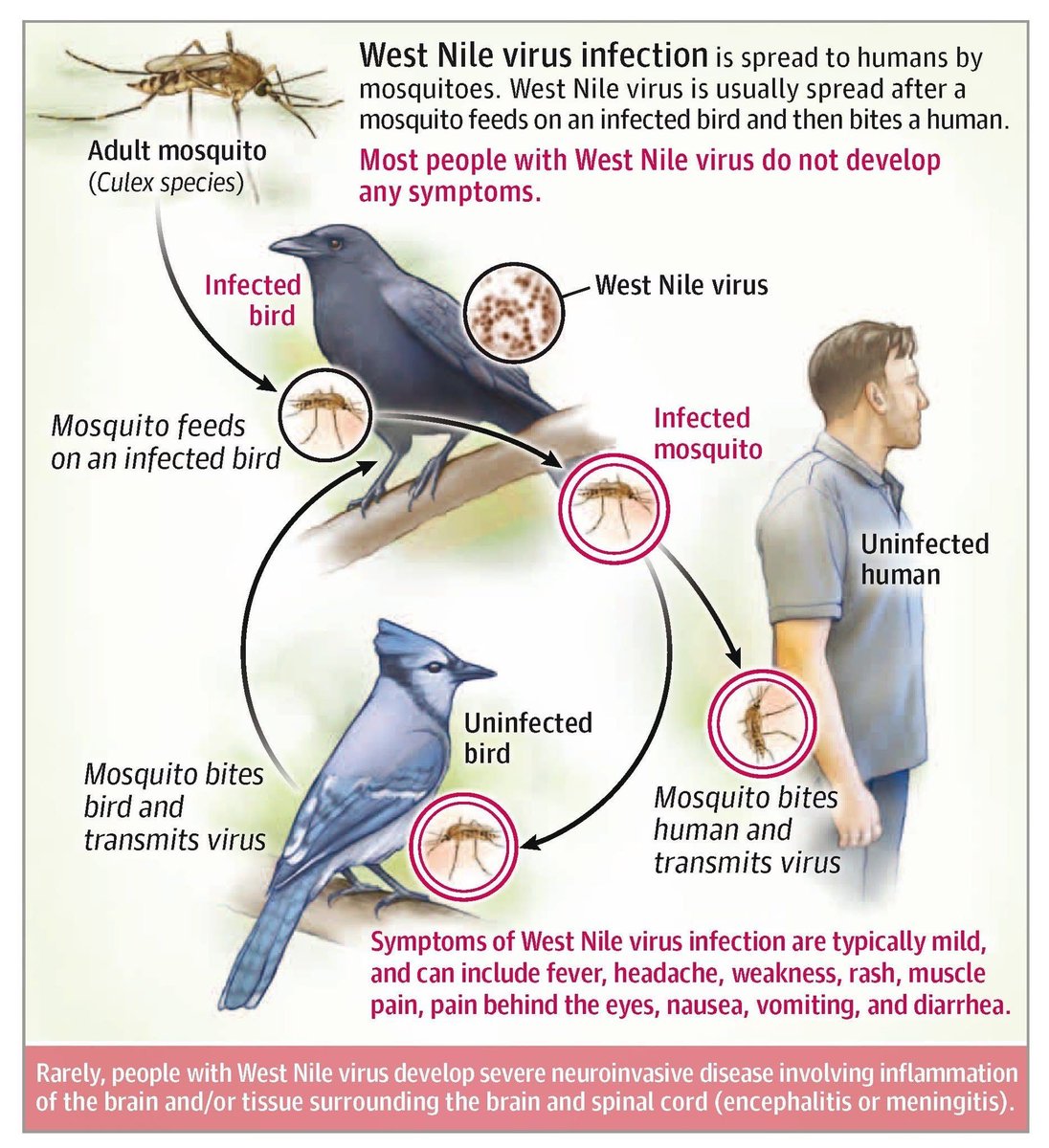
West Nile Virus is a disease spread by mosquitoes. It affects many animals, especially birds.
The virus can cause illness and death in some bird species. Learning about it helps protect wildlife.
Virus Origin And Spread
West Nile Virus first appeared in Africa. It spread to other continents through birds and mosquitoes.
- The virus cycles between birds and mosquitoes.
- Mosquitoes bite infected birds and then infect other birds or animals.
- Humans and horses can get infected but do not spread the virus further.
- Migration of birds helps the virus travel long distances.
How Birds Are Affected
Many bird species can catch West Nile Virus. Some show no symptoms, but others get very sick.
| Bird Species | Effect of Virus | Mortality Rate |
| Corvids (crows, jays) | Severe illness and death common | High |
| Raptors (hawks, owls) | Illness varies, often serious | Medium |
| Songbirds | Mild symptoms or none | Low |
| Waterfowl | Usually mild or no symptoms | Low |
Bird Species At Risk
West Nile Virus affects many bird species across different regions. Some birds catch the virus more often than others.
Knowing which birds get infected helps us understand and protect them better.
Commonly Infected Birds
Many birds can carry West Nile Virus, but some species show higher infection rates. Crows, jays, and ravens often have the virus in large numbers.
- American crows
- Blue jays
- House sparrows
- House finches
- Robins
- Hawks
Susceptibility Differences
Birds react differently to West Nile Virus. Some die quickly, while others show few symptoms.
| Bird Species | Susceptibility Level | Common Outcome |
| American Crow | High | High mortality rate |
| Blue Jay | High | Severe illness or death |
| House Sparrow | Medium | Moderate illness |
| American Robin | Low | Mild or no symptoms |
| Hawk | Low | Rarely affected |
Transmission Methods
West Nile Virus spreads among birds mainly through tiny insects. Understanding how the virus moves helps protect bird populations.
Different carriers can pass the virus to birds in various ways. This section explains the main transmission methods.
Role Of Mosquitoes
Mosquitoes are the primary carriers of West Nile Virus. They become infected when biting an infected bird. The virus grows inside the mosquito and spreads to new birds when the mosquito bites again.
- Mosquito bites infected bird
- Virus multiplies inside mosquito
- Mosquito bites healthy bird
- Virus passes to new bird
Other Possible Vectors
Besides mosquitoes, other animals and insects might carry the virus. These include ticks and some blood-feeding flies. Their role is smaller but still important in some areas.
| Vector | Transmission Method | Importance |
| Mosquitoes | Bite infected birds, then bite healthy birds | Primary |
| Ticks | Feed on infected birds, may bite others | Secondary |
| Blood-feeding flies | Feed on blood, possible virus carriers | Less common |
Symptoms In Birds
West Nile Virus affects many bird species. The symptoms can vary widely. Some birds show clear signs, while others may seem normal.
Recognizing symptoms early helps in understanding the impact of the virus on bird health.
Behavioral Changes
Birds infected with West Nile Virus often change how they act. These changes may be the first signs noticed.
- Less active than usual
- Difficulty flying or moving
- Loss of balance or coordination
- Weakness or paralysis in wings or legs
- Unusual vocal sounds or silence
Physical Signs
Physical symptoms show how the virus affects the bird’s body. These signs can help identify infection.
| Symptom | Description |
| Swelling | Swollen eyes or head |
| Feather condition | Ruffled or missing feathers |
| Weight loss | Noticeable loss of body mass |
| Tremors | Shaking or trembling |
| Seizures | Sudden uncontrolled movements |
Diagnosis And Testing
West Nile Virus in birds requires careful diagnosis. Testing helps identify infected birds early.
Accurate diagnosis supports efforts to control the spread of the virus in wild and captive birds.
Lab Techniques
Lab tests detect the virus or antibodies in bird samples. Common samples include blood, tissues, or swabs.
- Polymerase Chain Reaction (PCR) to find viral RNA
- Enzyme-linked Immunosorbent Assay (ELISA) to detect antibodies
- Virus isolation by cell culture
- Immunohistochemistry for tissue samples
Field Observations
Field signs help spot suspect birds. Look for unusual behavior and physical symptoms.
| Symptom | Description |
| Weakness | Birds appear unable to stand or fly properly |
| Tremors | Shaking or twitching of head and wings |
| Uncoordinated Movements | Difficulty balancing and walking |
| Feather Ruffling | Birds look fluffed up and less alert |
| Neurological Signs | Paralysis or seizures may occur |
Credit: www.nbcbayarea.com
Impact On Bird Populations
West Nile Virus affects many bird species. It spreads mainly through mosquito bites. The virus can cause sickness and death in birds.
This virus changes bird populations in many areas. Some species face serious declines. Understanding this helps protect birds better.
Mortality Rates
Mortality rates from West Nile Virus vary among bird species. Some birds die quickly after infection. Others survive but get very weak.
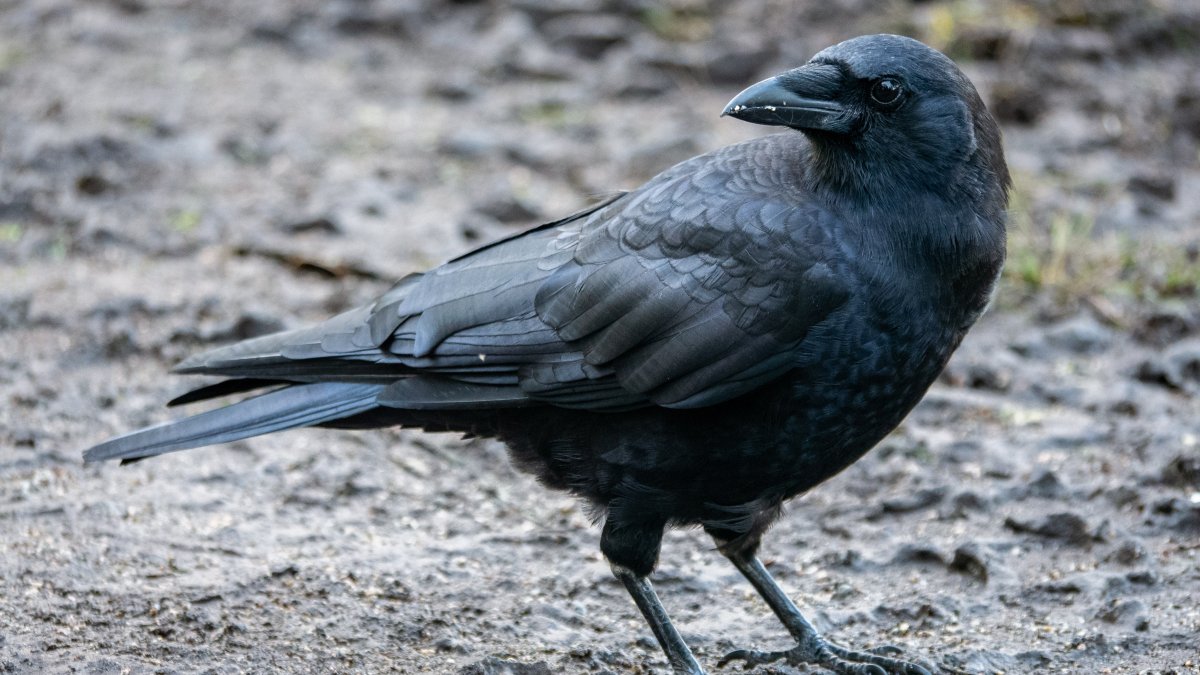
Corvids, like crows and jays, have high death rates. Many die within days after showing symptoms. This causes sharp drops in their numbers.
- Crows can have mortality rates up to 80-90%
- Jays and ravens also show high death rates
- Smaller birds have lower but still significant mortality
Long-term Effects
Birds that survive West Nile Virus may face lasting problems. These can affect their ability to fly and find food. This weakens them over time.
Long-term effects can reduce bird reproduction. Weak birds may have fewer chicks or fail to care for them. This lowers population growth in affected areas.
- Reduced flight ability and stamina
- Lower chances of finding food and mates
- Fewer offspring born and raised successfully
Prevention Strategies
West Nile Virus spreads through mosquito bites and affects birds. Preventing the virus helps protect bird populations and reduces the risk to humans and animals.
Effective prevention focuses on controlling mosquitoes and managing their habitats. These steps lower the chance of virus spread.
Mosquito Control
Reducing mosquito numbers stops the virus from spreading. Mosquito control uses safe methods to limit breeding and adult mosquitoes.
- Use insect repellents on exposed skin and clothing.
- Install window and door screens to keep mosquitoes outside.
- Remove standing water where mosquitoes lay eggs.
- Use mosquito traps or larvicides in water that cannot be drained.
- Encourage natural predators like dragonflies and bats.
Habitat Management
Changing the environment reduces places for mosquitoes to grow. Habitat management targets water sources and vegetation near bird areas.
| Habitat Action | Description |
| Drain Standing Water | Empty containers, gutters, and pools to stop mosquito eggs. |
| Maintain Wetlands | Keep water flowing to prevent mosquito breeding. |
| Trim Vegetation | Cut dense plants to reduce mosquito resting spots. |
| Manage Bird Feeders | Clean up spilled seeds that attract mosquitoes and birds. |
| Use Native Plants | Plant species that do not hold water and support birds. |

Credit: extension.psu.edu
Care For Infected Birds
West Nile Virus can make birds very sick. Taking care of infected birds needs patience and proper steps. Birds need help to fight the virus and stay safe.
Knowing how to care for birds with West Nile Virus helps them recover better. It also stops the virus from spreading to other birds.
Supportive Treatments
There is no direct cure for West Nile Virus in birds. Supportive treatments help birds feel better and stay strong. These treatments focus on easing symptoms and giving comfort.
Providing clean water and fresh food is very important. Keep the bird warm and quiet. This helps reduce stress and supports healing.
- Offer plenty of fresh water
- Feed easy-to-digest foods
- Keep the bird in a warm place
- Handle the bird gently to avoid stress
- Monitor the bird’s condition daily
Isolation Measures
Isolate infected birds from healthy ones. This prevents the virus from spreading through contact. Use a separate cage or area for sick birds.
Clean and disinfect cages and tools often. Wear gloves when handling infected birds. Wash hands well after care. These steps keep others safe.
- Use a separate cage for sick birds
- Disinfect cages and feeding items daily
- Wear gloves when touching infected birds
- Wash hands thoroughly after contact
- Limit access to the isolated area
Human Connection
West Nile Virus can affect both birds and people. Birds are the main carriers of this virus. Mosquitoes spread the virus from birds to humans.
Understanding how people get infected helps us stay safe. This guide explains the risks and ways to prevent the virus from spreading.
Risks To People
People get West Nile Virus from mosquito bites. Mosquitoes pick up the virus by biting infected birds. Not all mosquitoes carry the virus, but some do.
- Most people have no symptoms or mild flu-like signs.
- Some may get fever, headache, or body aches.
- Older adults and those with weak immune systems can get severe illness.
- Severe cases may cause brain or nerve problems.
Preventing Transmission
Stopping mosquito bites is the best way to prevent West Nile Virus. Use simple methods to reduce risks at home and outdoors.
| Prevention Method | Details |
| Wear protective clothing | Long sleeves and pants reduce skin exposure |
| Use insect repellent | Apply repellents with DEET or other approved ingredients |
| Remove standing water | Empty containers that hold water where mosquitoes breed |
| Keep screens on windows | Prevent mosquitoes from entering homes |
| Avoid outdoor activity at dusk and dawn | Mosquitoes are most active during these times |
Frequently Asked Questions
What Is West Nile Virus In Birds?
West Nile Virus is a mosquito-borne virus that infects birds. It can cause neurological disease and death in some bird species. Birds are natural hosts and help spread the virus to mosquitoes and other animals.
How Do Birds Get Infected With West Nile Virus?
Birds get infected when bitten by infected mosquitoes. The virus replicates in birds’ bodies, making them contagious to other mosquitoes. This cycle helps maintain the virus in the environment.
Which Bird Species Are Most Affected By West Nile Virus?
Corvids like crows and jays are highly susceptible. Other birds like hawks, owls, and some songbirds can also be affected. Severity varies by species and individual immunity.
Can West Nile Virus Kill Birds?
Yes, West Nile Virus can cause severe illness and death in birds. Some species experience neurological symptoms leading to fatal outcomes. Mortality rates vary among bird types.
Conclusion
Understanding West Nile Virus in birds is crucial for bird health. This virus affects many bird species and can spread easily. Protect birds by keeping areas clean and free from mosquitoes. Early detection of symptoms can save lives. Awareness and preventive measures make a difference.
Encourage local communities to learn more. Support wildlife health initiatives. Healthy birds contribute to a balanced ecosystem. Stay informed, stay prepared. Every action counts in protecting bird populations. Together, we can help minimize the impact of this virus. Let's ensure our feathered friends thrive in a safe environment.