What Kind of Bird Makes a Gurgling Noise 2026 Guide Sounds
Have you ever heard a strange gurgling noise outside and wondered which bird could be making it? That unique sound might be more common than you think, but not many people know exactly which feathered friends are behind it.
If you want to identify this curious bird call and impress your friends with your nature knowledge, you’re in the right place. Keep reading to discover the fascinating birds that make gurgling sounds and learn why they do it!

Credit: www.reddit.com
Birds Known For Gurgling Sounds
Some birds make unique gurgling noises in their calls. These sounds help them communicate with others. Gurgling calls often sound like bubbling or rolling water.
Birds use gurgling sounds for different reasons. It can show territory, attract mates, or warn of danger. Let’s explore which birds are known for these sounds.
Common Species With Gurgling Calls
The following birds often make gurgling noises. They are easy to spot and hear in many areas.
- American Woodcock
- Common Snipe
- Swamp Sparrow
- Veery
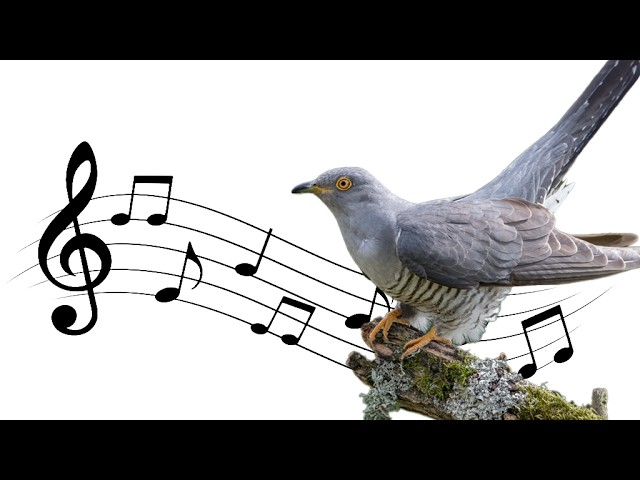
- Black-billed Cuckoo
These birds use gurgling sounds during mating or to mark their territory. Bird watchers enjoy listening to these unique calls.
Unique Vocal Traits
Gurgling sounds vary by bird species. Some use a low, bubbling noise. Others have a higher, rolling gurgle.
- American Woodcock’s gurgle is soft and rhythmic
- Common Snipe makes a sharp, bubbling sound in flight
- Swamp Sparrow’s call mixes gurgling with chirps
- Veery has a smooth, flute-like gurgle
- Black-billed Cuckoo’s gurgle is harsh and choppy
These sounds help birds stand out in noisy environments. Their unique calls make it easier to find mates or warn others.
Why Birds Gurgle
Many birds make a gurgling noise as part of their natural sounds. This noise is soft and bubbling, different from chirps or songs. It helps birds share important messages.
Gurgling sounds come from different birds like doves, pigeons, and some songbirds. These sounds serve special roles in their daily lives.
Communication Purposes
Birds gurgle to talk with others nearby. The sound can show they are safe or warn of danger. It helps keep the group together.
Sometimes, the gurgling helps parents call their chicks. It is a gentle way to get attention without scaring others.
Mating And Territory Signals
Male birds use gurgling sounds to attract mates. The noise shows their strength and health. Females listen to these sounds to pick good partners.
Birds also use gurgling to mark their space. The sound tells other birds to stay away from their area.
- Attract mates with unique gurgling patterns
- Warn rivals to keep distance
- Show readiness to breed
Gurgling Vs Other Bird Sounds
Birds make many sounds to communicate. Gurgling is one of these sounds. It stands out from chirps and songs.
Understanding the difference helps us know why birds make these noises. It also tells us about their behavior.
Differences From Chirps And Songs
Chirps are short and sharp sounds. Songs are long and often musical. Gurgling sounds are soft and bubbling.
Gurgling is less clear than chirps or songs. It sounds like water flowing or a small stream.
- Chirps: quick and simple
- Songs: complex and melodic
- Gurgling: smooth and bubbling
When Gurgling Is Used
Birds use gurgling sounds in many situations. It can signal comfort or calmness. Some birds gurgle when near friends.
Gurgling can also show a bird is relaxed. It may happen during feeding or resting times.
- To show calm or comfort
- When near other birds
- During feeding or rest
Surprising Birds That Gurgle
Birds make many sounds, but gurgling noises are rare. Some birds produce soft, bubbling sounds that surprise many people.
These gurgling calls help birds communicate or attract mates. Let's look at some unexpected species and rare behaviors.
Unexpected Species
Not all birds known for singing make gurgling sounds. Some unusual species also gurgle in surprising ways.
- American Bittern:This marsh bird makes a deep gurgling call that sounds like bubbling water.
- Common Loon:Known for eerie calls, loons sometimes add a gurgling note during courtship.
- Wren:Small but loud, wrens can mix rapid trills with soft gurgles.
- European Starling:These birds use gurgles in their complex songs.
Rare Gurgling Behaviors
Gurgling sounds are not common in bird calls. When birds use these noises, they often mean special things.
| Bird | Reason for Gurgling |
| American Bittern | Territorial call to warn rivals |
| Common Loon | Attracting a mate during breeding season |
| Wren | Mixing calls to confuse predators |
| European Starling | Showing off vocal skills to attract mates |
How To Identify Gurgling Birds
Many birds make unique sounds to communicate. One common sound is a gurgling noise. It can help you find and recognize certain birds.
Learning how to identify these gurgling birds is fun and useful. You can use your ears and eyes to spot them.
Listening Tips
Gurgling sounds are soft and bubbling. They often come from birds in wooded areas or near water. Listen carefully for these clues:
- Notice if the sound is steady or changes in pitch.
- Check if the gurgle repeats at regular intervals.
- Listen during early morning or late afternoon when birds sing most.
- Compare the gurgle with other bird calls nearby.
Visual Clues
Watching birds closely can help you match the sound to the right bird. Look for these signs:
| Visual Clue | What to Look For |
| Size | Small to medium-sized birds often make gurgling sounds |
| Color | Brown, green, or grey feathers blend with trees and bushes |
| Behavior | Perching near water or hopping on branches |
| Location | Woodlands, gardens, or near streams |
Impact Of Environment On Gurgling
Birds make different sounds depending on their environment. The gurgling noise is one example. It changes with where the bird lives and the time of year.
The environment shapes how birds use gurgling sounds. It helps them communicate and survive in their habitat.
Habitat Influence
Birds living near water often make gurgling sounds. The noise blends with flowing streams or rivers. This helps them stay hidden from predators.
In forests, gurgling sounds can travel well between trees. Birds use these sounds to mark their territory or attract mates.
- Wetlands encourage softer gurgling to match water sounds
- Dense forests may cause louder gurgling for better reach
- Open areas lead to clearer, sharper gurgling tones
Seasonal Variations
Birds change their gurgling sounds with the seasons. During breeding season, gurgling often becomes more frequent and complex.
In colder months, birds may gurgle less. They save energy and focus on staying warm. Some birds stop gurgling if they migrate.
- Spring and summer: more gurgling to attract mates
- Fall: less gurgling as birds prepare for winter
- Winter: minimal gurgling or silence during migration
Recording And Studying Gurgling Noises
Gurgling noises made by birds are unique sounds used for communication. Researchers record these sounds to learn about bird behavior and species identification.
Studying these noises helps scientists understand bird habitats and their social interactions. Careful recording and analysis are key to accurate results.
Tools And Techniques
Researchers use different tools and methods to capture gurgling bird sounds. Quality equipment and proper settings improve recording clarity.
- Directional microphones to focus on specific sounds
- Audio recorders with high sampling rates
- Soundproof environments to reduce background noise
- Software for sound editing and analysis
- Field notes to record time and location
Research Findings
Studies show that gurgling noises vary between bird species and regions. These sounds can signal mating calls, warnings, or territory claims.
| Bird Species | Purpose of Gurgling | Frequency Range (kHz) |
| Wood Thrush | Mating Call | 2.5 - 4.0 |
| American Dipper | Territory Defense | 3.0 - 5.5 |
| Veery | Alarm Signal | 2.0 - 3.5 |
Credit: www.youtube.com

Credit: www.youtube.com
Frequently Asked Questions
What Bird Species Makes A Gurgling Noise?
Several bird species produce gurgling sounds, including pigeons, doves, and certain thrushes. These birds use gurgling calls for communication, mating, or territorial purposes. The noise often sounds like a soft, bubbling or cooing sound, making it distinct from other bird calls.
Why Do Some Birds Make Gurgling Sounds?
Birds make gurgling sounds to attract mates, signal territory, or communicate with flock members. This unique vocalization helps them stand out in noisy environments. Gurgling noises can also indicate a bird’s health and vitality, playing a key role in social interactions.
Can Gurgling Bird Sounds Indicate Specific Behavior?
Yes, gurgling sounds often indicate courtship, alarm, or social bonding behaviors. Birds use these noises to express emotions or alert others. Understanding these sounds helps bird watchers identify the bird’s intent and behavior in its natural habitat.
How Can I Identify A Bird By Its Gurgling Noise?
To identify a bird by gurgling, listen for unique patterns and pitch. Use bird sound apps or guides to compare calls. Observing the bird’s size, color, and habitat alongside the sound improves accuracy in identification.
Conclusion
Exploring bird sounds can be fascinating. The gurgling noise intrigues many nature lovers. Birds like the Brown-headed Cowbird often make such sounds. Each bird species has its unique call. Listening to them enhances our connection with nature. Understanding these calls can improve birdwatching experiences.
Nature offers endless wonders for those who listen. Next time you hear a gurgle, think of the Cowbird. Or maybe another talented bird. Stay curious and keep exploring the sounds of our feathered friends. They have much to tell us in their own way.