
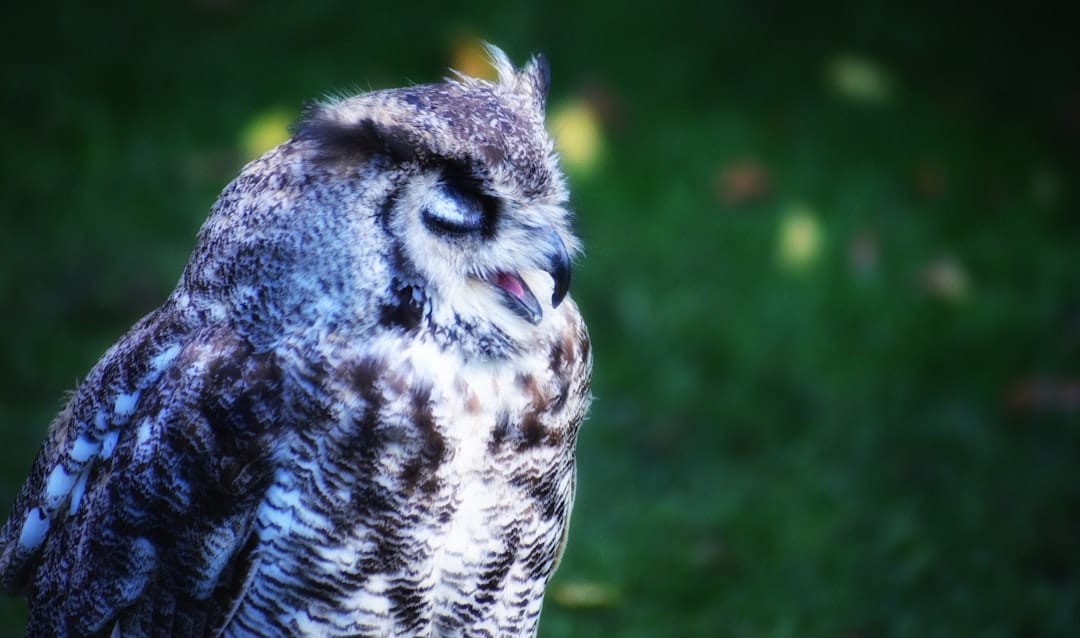
Have you ever been woken up by a strange bird call in the middle of the night and wondered what kind of bird makes noise at night besides owls? You’re not alone. Many people assume that owls are the only birds active after dark, but there’s a surprising variety of nighttime birds that fill the quiet hours with their unique sounds.
Understanding these mysterious night singers can help you connect more deeply with nature and even solve the mystery behind those late-night noises outside your window. Keep reading to discover what kind of bird makes noise at night besides owls—and why their sounds might be more familiar than you think.
Credit: fatbirder.com
Common Nighttime Bird Calls
Many birds make sounds at night besides owls. These calls help birds communicate in the dark. Nighttime bird calls can be soft or loud, simple or complex.
Listening to these sounds helps us learn about bird behavior and species active at night.
Why Birds Sing At Night
Birds sing at night for several reasons. Some sing to find mates or mark their territory. Nighttime singing can also help birds avoid daytime noise.
- To attract a mate in quiet hours
- To defend their territory from rivals
- To communicate with other birds safely
- To practice songs without distractions
Types Of Nocturnal Bird Calls
Different birds use various calls at night. Some calls warn of danger. Others help birds find each other in the dark. The sounds vary by species and purpose.
| Bird Species | Call Type | Purpose |
| Nightingale | Melodic song | Attract mates and mark territory |
| Common Nighthawk | Sharp nasal calls | Communicate during flight |
| Whip-poor-will | Repetitive call | Establish presence and find mates |
| Chuck-will’s-widow | Low, soft calls | Camouflage and communication |
Night Birds Beyond Owls
Many people think only owls make noise at night. There are other birds that call after dark. These birds have unique sounds that you might hear in your backyard or forest.
Learning about these night birds helps you enjoy nature more. Let’s explore some common night birds besides owls.
Nighthawks And Their Calls
Nighthawks are medium-sized birds that fly fast at dusk and night. They make a sharp, nasal “peent” sound while flying. This call helps them find mates and mark their territory.
Their calls can sound like a soft buzz or whistle. Nighthawks often make noise when they dive quickly through the air.
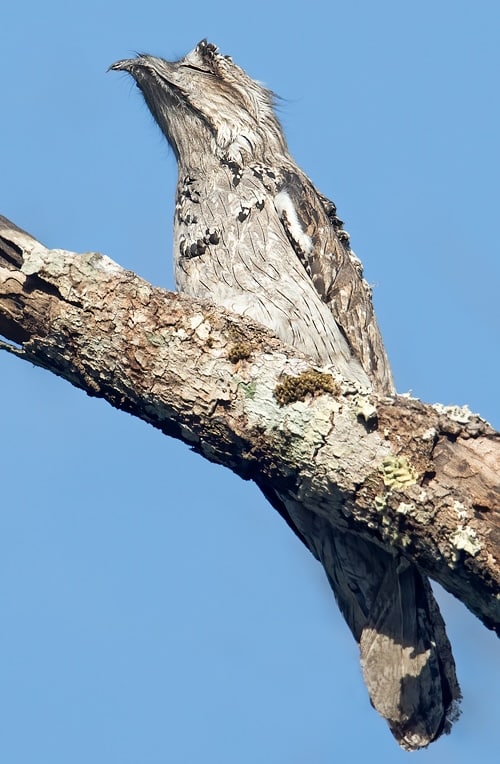
Nightjars And Their Sounds
Nightjars are well-known for their quiet, camouflaged appearance. They make a variety of sounds including trills, whistles, and churring noises. These sounds are mostly used to communicate with other nightjars.
Some nightjars have a long, repetitive call that lasts several seconds. Their sounds can seem spooky or eerie at night.
Whip-poor-wills And Their Vocalizations
Whip-poor-wills get their name from their famous call. Their song sounds like “whip-poor-will” repeated many times. This call is loud and clear, often heard in forests at night.
They use their vocalizations to attract mates and defend their space. The call can last for minutes and is one of the most recognized night bird sounds.
Other Nocturnal Bird Species
Many birds make sounds at night besides owls. These birds have unique calls that stand out in the dark. They help us know what wildlife is around after sunset.
Here are some common nocturnal birds and the sounds they make at night. Each has a special call that is easy to recognize once you hear it.
Common Poorwill’s Unique Call
The Common Poorwill makes a soft, repeated call at night. Its sound is a low, whistling whistle that lasts a few seconds. This bird’s call can help you spot it even if it is hidden.
- Soft and low whistle
- Repeated every few seconds
- Often heard in dry, open areas
Chuck-will’s-widow Sounds
The Chuck-will’s-widow has a loud, clicking call. It sounds like its name, with a rhythmic pattern. This bird calls mainly at dusk and during the night.
| Call Feature | Description |
|---|---|
| Sound | “Chuck-will’s-widow” repeated |
| Volume | Loud and clear |
| Timing | Dusk and night |
| Habitat | Wooded areas and forests |
Mourning Dove Night Calls
Mourning Doves make soft cooing sounds at night. Their calls are gentle and soothing. They are different from owls but still easy to hear in quiet places.
Key traits of Mourning Dove calls:
- Soft cooing sounds
- Repeated slowly
- Heard in urban and rural areas
- Often calls from rooftops or trees
Credit: www.newsbreak.com
Factors Influencing Nighttime Bird Noise
Birds make noise at night for many reasons beyond just owls. Some birds call out to attract mates or defend their territory. Others respond to changes in the environment. Human activity can also affect when birds are active at night.
Understanding these factors helps explain why you might hear different bird sounds after dark. This guide covers key reasons birds make noise at night.
Mating And Territorial Reasons
Many birds call at night to find a mate or to mark their territory. Nighttime calls can be louder or more frequent during breeding seasons. This helps birds attract partners and keep rivals away.
- Male birds sing to show strength and health
- Calls warn other birds to stay out of their area
- Night calls can reduce daytime competition for space
- Some species only sing at night during mating season
Environmental Triggers
Birds react to environmental changes that affect when they make noise. Light, temperature, and weather can influence their calling patterns at night.
| Environmental Factor | Effect on Nighttime Bird Noise |
| Moonlight | Increases activity in some species |
| Temperature | Warmer nights encourage more calls |
| Rain and Wind | Reduce bird noise due to poor conditions |
| Season | Spring and summer have more nighttime calls |
Avian Ecologists point to a phenomenon called “Lunar Phasing”: “For visual hunters like the Whip-poor-will and Chuck-will’s-widow, activity is directly tied to the moon. On nights with a full moon, these birds often call more frequently and for longer durations. The extra light allows them to hunt insects in flight more effectively, giving them the surplus energy needed to defend their territory with loud, rhythmic vocalizations.”
Human Impact On Night Bird Activity
Human actions change bird behavior at night. Artificial lights and noise can confuse birds and change when they call.
Common human impacts include:
- Streetlights causing birds to sing at unusual times
- Noise pollution making birds call louder or more often
- Urban areas attracting some birds that adapt to night activity
- Habitat loss reducing places for quiet nighttime calls
Identifying Night Bird Sounds
Many birds make sounds at night besides owls. These noises help birds communicate or mark their territory. Listening closely helps you know which bird is calling.
Some birds sing to attract mates, while others warn of danger. Learning their sounds takes practice and attention to detail.
Tips For Bird Sound Recognition
Recognizing bird sounds at night means paying attention to tone, rhythm, and pitch. Different birds have unique calls that you can learn to identify.
- Listen carefully for repeated patterns in calls.
- Note if the sound is a whistle, chirp, or hoot.
- Try to hear how long each sound lasts.
- Pay attention to the time and location of the call.
Using Apps And Recordings
Technology can help you identify night bird sounds. Many apps and recordings let you compare sounds from your area.
| Tool | Purpose | Notes |
| Bird Sound Apps | Identify calls in real time | Use in quiet places for best results |
| Audio Recordings | Compare saved bird calls | Listen repeatedly to learn details |
| Online Databases | Explore bird sound libraries | Useful for rare or local species |
When To Seek Expert Help
If you cannot identify a bird sound, experts can assist. Ornithologists and bird watchers have experience with many calls.
You might want to ask for help if:
- The sound is unusual or new to you.
- It happens in a new location.
- You want to learn more about local wildlife.
- You need advice on recording or listening tools.
.JPG)
Credit: www.star-telegram.com
Frequently Asked Questions
What Birds Make Noise At Night Besides Owls?
Several birds, like nightjars, nighthawks, and whip-poor-wills, are noisy at night. They use calls to communicate or attract mates in darkness.
Why Do Some Birds Call During Nighttime Hours?
Birds call at night to mark territory, find mates, or warn of predators. Nighttime calls help them avoid daytime competition and noise.
Are Night Bird Sounds Harmful Or Beneficial?
Night bird sounds are generally harmless and indicate healthy ecosystems. They help maintain balance by supporting nocturnal insect control and biodiversity.
How Can I Identify Night Bird Sounds?
Use bird sound apps or online databases to match calls. Listen for unique patterns, pitch, and rhythm to identify night birds accurately.
Conclusion
Birds fill the night with their unique sounds. Beyond owls, whip-poor-wills and nightjars serenade the dark. These creatures communicate, mate, or mark their territory. Listening closely can help identify different calls. Understanding these night sounds adds joy to evening strolls.
It creates a deeper connection to nature. Next time you hear a night bird, pause and listen. Appreciate the melody. Each bird’s song tells a story. Discovering these tales enriches our world. Enjoy the symphony of night creatures. Explore and learn about these fascinating birds.
Nature’s nighttime concert is always playing. Enjoy every note.



