Have you ever wondered what sound a dodo bird made? This mysterious creature disappeared centuries ago, leaving behind many questions.
You might imagine a strange or loud noise, but the truth is surprising. If you’re curious to hear about the dodo’s unique calls and what they tell us, keep reading. Your curiosity will be rewarded with fascinating facts that bring this lost bird back to life in your mind.
Dodo Bird Basics
The dodo bird was a flightless bird that lived on an island called Mauritius. It became extinct hundreds of years ago. People often wonder what sounds this bird made.
Scientists study old reports and related birds to guess the noise of the dodo. This article covers its physical traits and where it lived.
Physical Traits
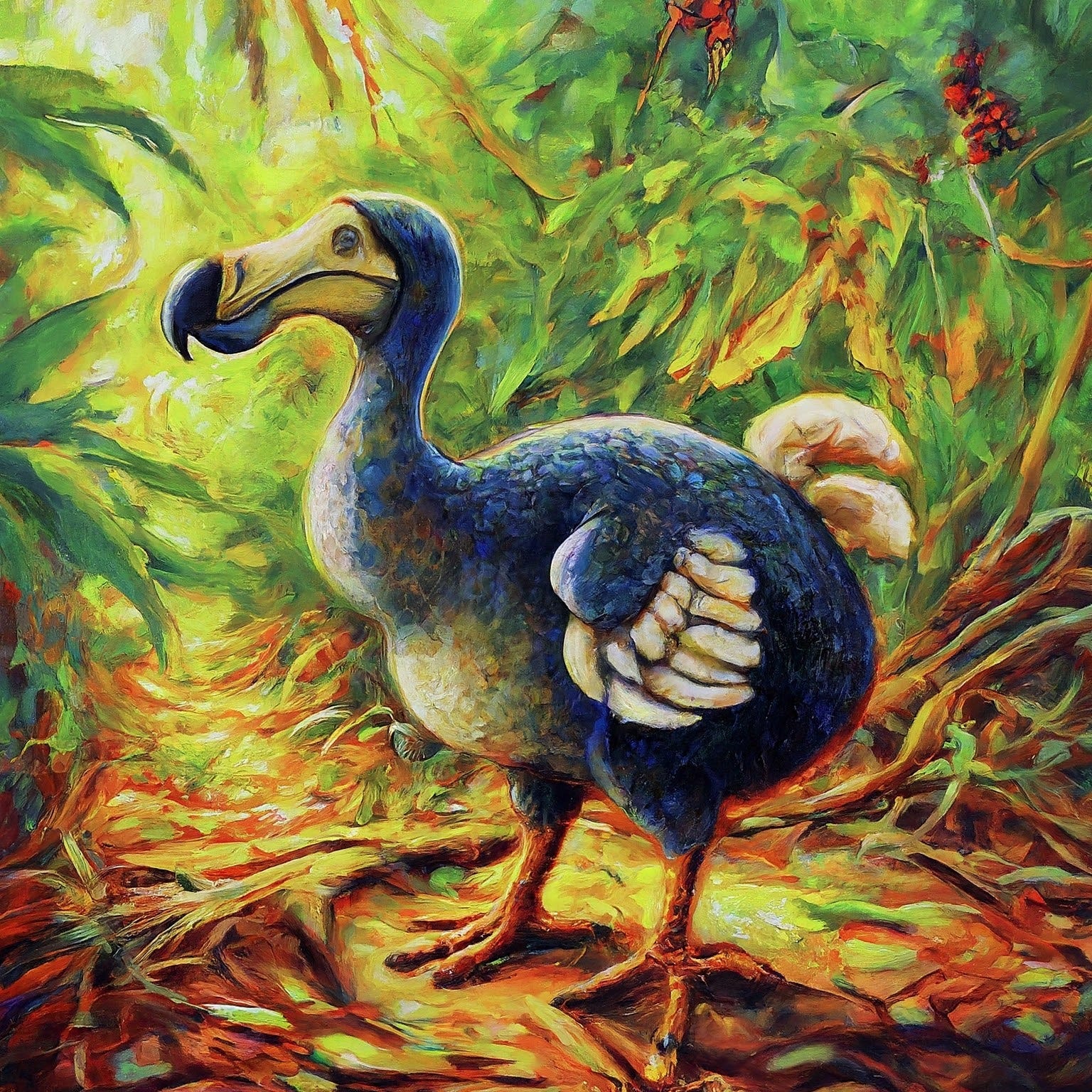
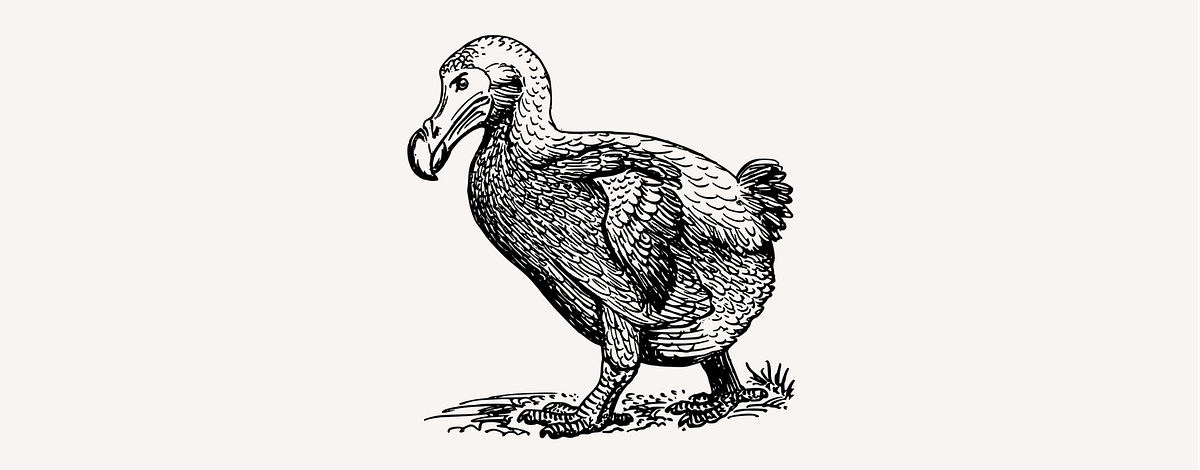
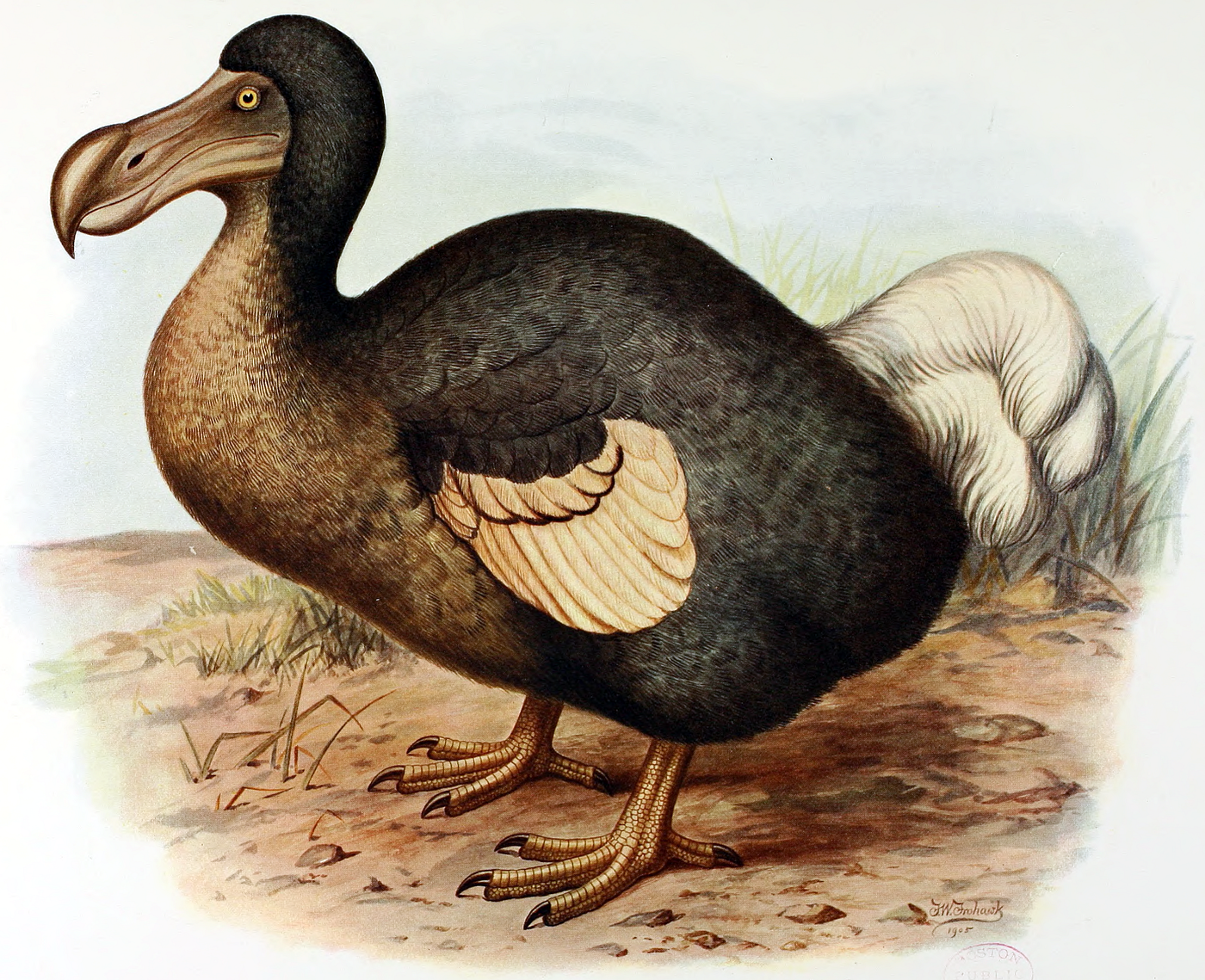
The dodo was a large bird, about 3 feet tall. It weighed around 20 to 30 kilograms. It had a big, hooked beak and short legs. Its wings were small and could not help it fly.
- Height: About 3 feet
- Weight: 20 to 30 kilograms
- Beak: Large and hooked
- Legs: Short and strong
- Wings: Small and useless for flying
Habitat And Extinction
| Aspect | Details |
| Habitat | Mauritius Island in the Indian Ocean |
| Food | Fruits, seeds, roots |
| Extinction Cause | Human hunting and invasive animals |
| Year Extinct | Late 1600s |
The dodo lived only on Mauritius. It had no natural predators before humans arrived. People and new animals caused its quick extinction.
Clues From Related Birds
Scientists study sounds of birds related to the dodo to guess its calls. The dodo lived a long time ago and left no recordings.
By looking at the sounds of close relatives, we get some idea about what noises the dodo might have made.
Closest Living Relatives
The dodo's closest living relatives are pigeons and doves. These birds have soft coos and low-pitched sounds.
- Rock pigeons make a soft cooing sound.
- Nicobar pigeons have deep, booming calls.
- Victoria crowned pigeons produce low growls and grunts.
Common Bird Calls
| Bird | Call Type | Description |
| Rock Pigeon | Cooing | Soft, repetitive coos used in courtship |
| Nicobar Pigeon | Booming | Deep booming sounds for territory |
| Victoria Crowned Pigeon | Growls and Grunts | Low growls during social interactions |
Historical Descriptions
The dodo bird is extinct, so no one knows its exact sound. People have tried to guess what noise it made. Old writings give us some clues.
Explorers and storytellers described the dodo’s voice in different ways. These descriptions help us imagine the sounds it might have made.
Early Explorer Accounts
Early sailors who saw the dodo wrote about its calls. They said the bird made low, deep sounds. Some thought it groaned or grunted like a pig.
One explorer noted the dodo made a "hollow booming" noise. This might have helped the bird communicate or warn others.
- Low-pitched grunts and groans
- Deep booming sounds
- Calls similar to a pig’s grunt
Folklore And Myths
Stories about the dodo’s sound grew over time. Some myths say the bird was very noisy. Others say it was quiet and shy.
In some tales, the dodo’s noise scared other animals. Some legends describe it making strange, eerie calls at night.
- Noisy and loud in some stories
- Quiet and shy in others
- Strange calls that scared animals
Credit: tonyberard.medium.com
Scientific Research On Dodo Sounds
The dodo bird is extinct, so scientists rely on indirect evidence to learn about its sounds. Studying dodo noises helps us understand how this unique bird lived and communicated.
Researchers use fossils and modern technology to guess what sounds the dodo might have made. These efforts combine science and creativity to bring the dodo's voice back to life.
Fossil Evidence
Fossils of the dodo give clues about its size and structure. Scientists study the shape of its skull and beak to predict how it could produce sound. The bones suggest the dodo had a strong voice.
- Skull shape shows room for vocal organs
- Beak form hints at sound control
- Comparison to close relatives helps estimate sound type
- Fossilized syrinx (voice box) parts are rare but valuable
Acoustic Reconstructions
Scientists use computer models to recreate dodo sounds. They input fossil data and compare it with sounds from living birds related to the dodo. This method builds a likely sound profile.
| Step | Method | Purpose |
| 1 | Analyze fossil anatomy | Understand voice organ structure |
| 2 | Compare with related birds | Estimate sound range and tone |
| 3 | Use computer simulation | Generate possible dodo calls |
| 4 | Test acoustic models | Match sounds to fossil features |
Possible Dodo Vocalizations
The dodo bird, now extinct, left many questions about its behavior. One mystery is the sound it made. Scientists study related birds to guess its calls.
Understanding dodo sounds helps us learn how it lived and communicated. We rely on fossils and comparisons with modern birds.
Hypothesized Calls
Experts think the dodo made low-pitched sounds like grunts or coos. These sounds might have helped it stay in touch with others or warn of danger.
- Soft cooing for calm communication
- Deep grunts as warning signals
- Short calls during feeding times
- Rattling noises to attract mates
Behavioral Contexts
Dodo sounds varied by situation. They used different calls for feeding, mating, or alerting others. These changes helped the bird survive.
| Behavior | Possible Vocalization | Purpose |
| Feeding | Short calls | Keep group together |
| Mating | Rattling noises | Attract partner |
| Danger | Deep grunts | Warn others |
| Resting | Soft cooing | Stay calm and connected |
Credit: medium.com
Comparing To Other Extinct Birds
The dodo bird is famous for its extinction. Scientists wonder what sounds it made. We can compare it to other extinct birds to learn more.
Looking at birds like the moa and elephant bird helps us imagine the dodo’s calls. Each bird had unique sounds for communication.
Moa And Elephant Birds
Moa and elephant birds were large, flightless birds like the dodo. They lived in different places and had distinct calls.
- The moa lived in New Zealand and made deep, low sounds.
- Elephant birds from Madagascar likely produced booming calls.
- The dodo probably had sounds between these, not too loud or quiet.
Lessons From Extinct Species
Studying extinct birds shows us how they used sounds. This helps guess the dodo’s noise.
| Bird | Habitat | Likely Sound |
| Dodo | Mauritius | Soft clucks and grunts |
| Moa | New Zealand | Deep, low calls |
| Elephant Bird | Madagascar | Booming, loud sounds |
Impact Of Sound On Dodo's Life
The dodo bird used sounds to interact with others. Its noises played a key role in daily life. Sounds helped dodos find mates and stay safe.
Though extinct, studying their sounds helps us understand their behavior. Sounds shaped many of their actions.
Communication And Mating
Dodos used calls to talk with each other. These sounds helped them find partners during mating season. Mating calls were likely soft and repetitive.
Sound signals showed readiness to mate. Birds that made clear calls had better chances to attract partners.
- Calls helped locate mates nearby
- Soft sounds showed calm and safety
- Louder calls might signal attraction
Predator Warnings
Dodos faced threats from predators. They used loud noises to warn others. These sounds alerted the group to danger quickly.
Warning calls helped dodos escape or hide. The sound’s pitch and length changed with the threat level.
- Short sharp calls meant nearby danger
- Longer calls signaled far threats
- Group responded by fleeing or hiding
Modern Cultural References
The dodo bird is extinct, so no one knows its real sound. People imagine what noise it made. The dodo often appears in stories and art.
Modern culture shows the dodo in fun and creative ways. Movies, books, and art help keep the dodo alive in our minds.
Movies And Literature
Many movies and books show dodos with funny or strange sounds. Writers guess what a dodo might have sounded like. This adds life to the extinct bird.
In some stories, dodos make loud, clumsy noises. Other times, they have soft or silly calls. These sounds match their big, round shapes and slow moves.
- The dodo in "Ice Age" makes goofy noises that fit its funny look.
- Books sometimes describe dodos with deep, booming calls.
- Children's stories use high-pitched sounds to show the dodo's gentle side.
Artistic Interpretations
Artists create sounds for the dodo to match their paintings or sculptures. These sounds are often playful or curious. They help people imagine the bird’s nature.
Some artists use music or sound effects to bring the dodo to life. These sounds can be soft coos or strange calls. They add emotion to the dodo’s image.
- Sound installations mimic bird calls to represent the dodo.
- Animated art shows dodos making quirky, unexpected noises.
- Music inspired by the dodo mixes natural sounds with creative tunes.
Credit: medium.com
Frequently Asked Questions
What Sounds Did The Dodo Bird Make?
The dodo bird likely made cooing and pigeon-like sounds. Due to its extinction in the 17th century, exact recordings don't exist. Historical accounts and related bird species suggest soft, low-pitched noises. These sounds helped dodos communicate in their environment. Understanding these sounds offers insights into the dodo's behavior.
Why Can't We Hear The Dodo Bird Today?
The dodo bird went extinct in the late 1600s. Its extinction resulted from human hunting and habitat destruction. Since no living dodos exist, we can't hear their sounds today. However, historical descriptions and studies of related birds provide clues. These insights help us understand the dodo's vocalizations.
Are There Recordings Of Dodo Bird Sounds?
No, there are no recordings of dodo bird sounds. The dodo went extinct before recording technology existed. Our understanding comes from historical descriptions and studies of related species. These sources provide insights into potential sounds. Though recordings don't exist, researchers continue to explore historical evidence.
How Did Dodo Birds Communicate With Each Other?
Dodo birds likely communicated using cooing and soft calls. These sounds resembled those of modern pigeons, their close relatives. Vocalizations helped them signal danger and maintain social bonds. Understanding these communication methods offers insights into their daily lives. Research continues to unveil more about their social interactions.
Conclusion
The dodo bird's exact sound remains a mystery today. Scientists guess it made low, grunting noises like pigeons. This fits because dodos were related to pigeons and doves. Though extinct, the dodo still fascinates many people. Its unique story and possible sounds keep us curious.
Learning about the dodo helps us appreciate nature’s history. It reminds us to protect animals still here now. The dodo’s voice may be lost, but its legacy lives on.