Unlocking the Secret Sounds: What Noise Does a Kiwi Bird Make?
Have you ever wondered what noise does a kiwi bird make? If you think of birds as noisy creatures, the kiwi might surprise you. This unique, flightless bird from New Zealand has sounds that are unlike any other. By the end of this article, you’ll not only know exactly what a kiwi sounds like but also why its calls are so special. Keep reading to discover the fascinating world of kiwi bird sounds and how they connect to their secretive lifestyle. Your curiosity is about to be rewarded!
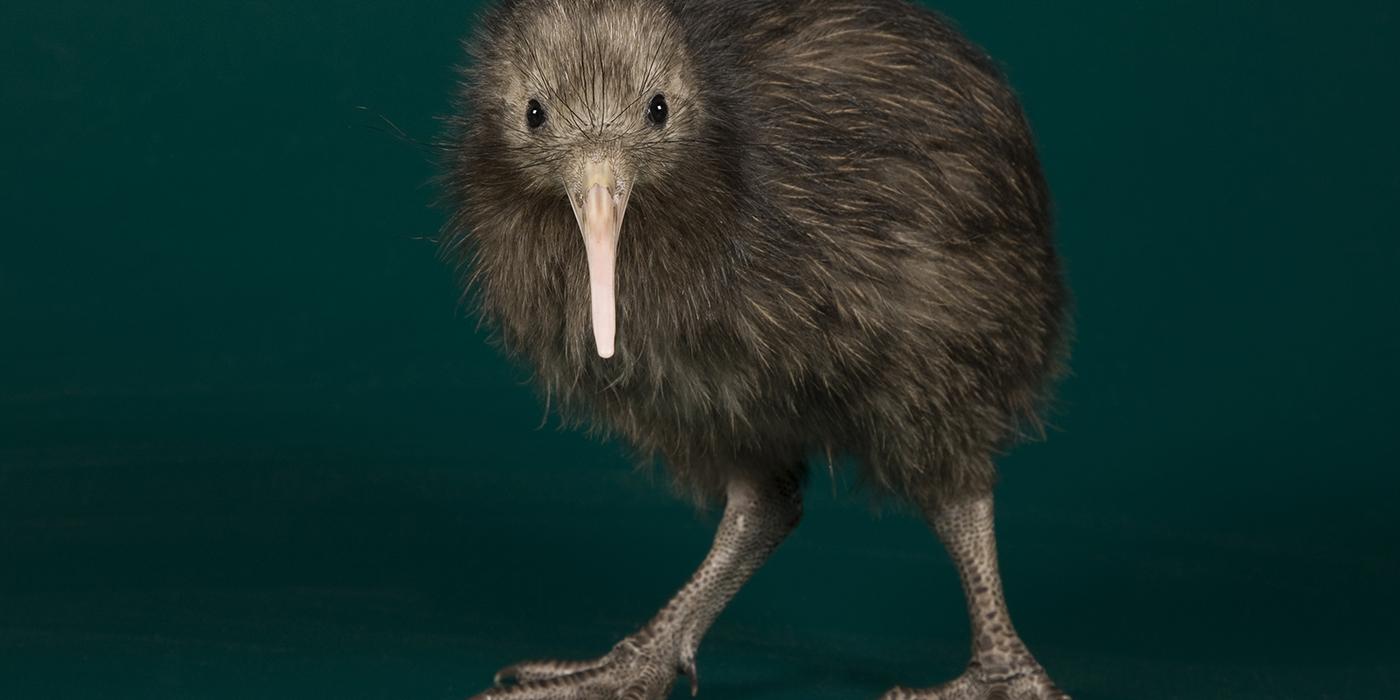
Credit: nationalzoo.si.edu
Kiwi Bird Calls
Kiwi birds are native to New Zealand. They use different sounds to communicate.
Their calls help them find mates and warn of danger. Each sound has a special meaning.
Types Of Kiwi Sounds
Kiwi birds make many sounds. Some are loud, while others are soft. These various kiwi bird calls include:
-
Whistles
-
Clicks
-
Hoots
-
Trills
-
Squeaks
Purpose Of Their Calls
Kiwi bird calls serve many roles. They use sounds to mark territory, attract mates, and warn others. The table below shows common calls and their purposes.
| Call Type | Purpose |
| Whistle | Attracting mates |
| Click | Communication between mates |
| Hoot | Marking territory |
| Trill | Warning of danger |
| Squeak | Locating chicks |
Nocturnal Vocalizations
Kiwi birds are mostly active at night. Their sounds help them find each other and stay safe.
These nocturnal calls are unique and important for their survival in dark forests.
Sounds At Night
Kiwi birds make soft whistles and sharp clicks during the night. These sounds can carry far in the quiet forest.
Each kiwi has a different call. Males often call to mark their territory or attract mates.
- Whistles that sound like “kee-wee” or “kee-kee”
- Sharp clicking noises when they feel threatened
- Low grunts used for close communication
Communication In Darkness
Kiwi birds rely on sound since they cannot see well at night. Their calls help them find family members.
Their voices warn others about danger and help keep contact while foraging in the dark.
- Calls help pairs stay connected in dense forest
- Warning sounds alert others to predators
- Vocal signals guide young kiwis to parents
Mating And Territorial Calls
The kiwi bird uses its calls to communicate important messages. These sounds play key roles during mating and territory defense. Each call serves a unique purpose in the bird’s life.
Understanding these calls helps us learn more about kiwi behavior and how they survive in the wild. Their voices are soft but meaningful.
Attracting A Mate
Male kiwi birds make low-pitched calls to attract females. These sounds are deep and long. They use these calls mostly at night. The calls help females find a suitable partner.
- Low, soft whistles to signal presence
- Repeated calls to show readiness
- Calls vary by species and region
- Calling increases during breeding season
Marking Territory
Kiwi birds use sharp, loud calls to warn other kiwis to stay away. These calls mark their territory. They help avoid fights between neighbors. The sounds show strength and ownership.
| Call Type | Purpose | Sound Description |
| Mating Call | Attract females | Low, soft whistles repeated |
| Territorial Call | Warn rivals | Sharp, loud, short bursts |
Juvenile And Family Sounds
Kiwi birds use many sounds to talk with their family. These sounds help keep young birds safe and close to their parents. Listening to these calls shows how kiwis care for each other.
Young kiwis make soft noises to ask for food or attention. Parents respond with calls to guide and protect them. These sounds form a strong bond between the family members.
Chick Calls
Kiwi chicks use high-pitched calls to signal hunger or distress. These calls are short and clear, helping parents find them quickly. The sounds change as chicks grow and become more independent.
- Soft peeping when hungry
- Sharp calls if scared
- Quiet chirps when resting
Parent-offspring Interaction
Parents and chicks share a variety of calls to communicate daily needs. Parents use low, gentle sounds to calm their young. They also make louder calls to warn of danger or to gather the family.
| Sound Type | Purpose | Who Makes It |
| Soft Hoot | Calming the chick | Parent |
| Sharp Squeak | Warning of danger | Parent |
| Peep | Request for food | Chick |
| Quiet Chirp | Sign of contentment | Chick |
Comparing Kiwi Sounds To Other Birds
The kiwi bird makes unique sounds that differ from many other birds. Its calls help it communicate in dark forests at night. Comparing kiwi sounds to other birds shows both differences and similarities in how birds use sound.
Understanding these sounds can help us learn more about bird behavior and their habitats. Let’s explore what makes kiwi calls special and how they compare to other birds.
Unique Features
Kiwi birds have distinct sounds that stand out from most bird calls. They are mostly nocturnal, so their calls are low and soft. These sounds include grunts, whistles, and snorts. Unlike many birds, kiwis do not sing melodically.
- Kiwi calls are low-pitched and often short
- They use sounds to mark territory and find mates
- Kiwi sounds are less musical and more like animal noises
- Calls are designed to travel through dense forests at night
Similarities And Differences
| Bird | Sound Type | Purpose | Sound Character |
| Kiwi | Grunts, whistles, snorts | Territory, mating calls | Low, soft, non-musical |
| Nightingale | Melodic singing | Mate attraction, territory | High-pitched, musical |
| Owl | Hooting | Territory, communication | Deep, rhythmic hoots |
| Robin | Clear whistles | Mating, territory defense | Bright, melodic |
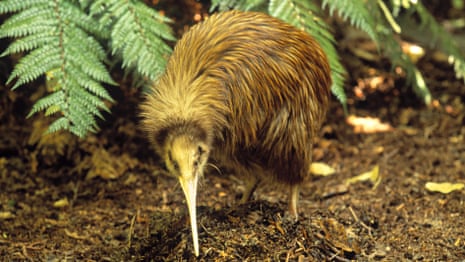
Credit: www.theguardian.com
Recording And Observing Kiwi Calls
Kiwi birds make unique sounds that help them communicate. These calls are mostly heard at night.
Recording kiwi calls helps scientists and bird watchers learn about their behavior. Listening closely can reveal many interesting details.
Best Times To Listen
Kiwi birds are mostly active during the night. Their calls are loudest just after sunset and before dawn.
Spring and early summer are the best seasons to hear kiwi calls. This is their breeding time when they call more often.
- Listen between 7 PM and 4 AM
- Spring to early summer months
- Quiet, dark areas increase chance to hear calls
Tools For Recording
Using the right tools makes recording kiwi calls easier. A good microphone and recorder can catch clear sounds.
Smartphones with sound recording apps work well. Windshields for microphones reduce noise from wind.
- Directional microphone for focused sound
- Digital audio recorder with high sensitivity
- Smartphone apps for sound recording
- Windshield covers for microphones
- Headphones to listen carefully
Conservation And Noise Impact
The kiwi bird is a unique native of New Zealand. Its calls help it communicate with others. Protecting these sounds is key to saving the species.
Noise pollution from humans can harm kiwi calls. This makes it hard for them to find mates or warn of danger. We must understand this problem to help kiwis survive.
Effect Of Noise Pollution
Loud noises from cars, machines, and people disturb kiwi birds. They use calls to talk at night, but noise blocks their sounds. This can cause stress and confusion.
- Kiwi calls become harder to hear over loud sounds.
- Birds may stop calling, hurting their chance to mate.
- Important warnings about predators can be missed.
- Stress from noise weakens their health and survival.
Protecting Kiwi Communication
We can help kiwis by reducing noise near their homes. Quiet zones and limits on night noise help keep their calls clear. This supports better communication and safety.
| Action | Benefit for Kiwi |
| Limit night-time traffic | Less noise during calling hours |
| Create quiet conservation areas | Safe spaces for calls and mating |
| Use noise barriers near habitats | Blocks harmful sounds |
| Raise public awareness | More support for noise reduction |

Credit: wildbloo.com
Frequently Asked Questions
What Sound Does A Kiwi Bird Make?
A kiwi bird makes a variety of calls, including high-pitched whistles, grunts, and snorts. Their distinctive calls are often heard at night and serve to communicate with mates or signal territory.
How Loud Is A Kiwi Bird’s Call?
Kiwi bird calls are relatively quiet compared to other birds. They produce soft, high-pitched sounds that can travel short distances in dense forest habitats, helping them avoid predators while staying in contact with others.
Why Do Kiwi Birds Make Noise At Night?
Kiwi birds are nocturnal and vocalize mainly at night to communicate with mates or warn rivals. Nighttime calls help them maintain territory and find partners while avoiding daytime predators.
Can Kiwi Bird Calls Be Heard By Humans?
Yes, humans can hear kiwi bird calls, especially in quiet, natural settings. Their unique whistles and grunts are often described as eerie or haunting, adding to the mystique of these shy birds.
Conclusion
Kiwi birds make unique calls that echo in the night. Their sounds, distinct yet mysterious, captivate bird lovers worldwide. Understanding these calls helps us appreciate kiwi birds more. It connects us to their natural world. Listening to a kiwi’s call can be a rare experience.
It reminds us of nature’s wonders. These calls are key to their communication and survival. Observing them enriches our knowledge of wildlife. So, next time you hear a kiwi call, pause and listen. Let their unique sounds inspire awe and curiosity.
Remember, each call tells a story of the wild.