Have you ever stopped to listen closely when a robin bird is nearby? That familiar sound might catch your attention, but do you really know what noise does a robin bird make? Understanding their calls can bring you closer to nature and help you recognize these charming birds wherever you go. You’ll discover the unique sounds robins use to communicate, and you might even find yourself imitating their song before you finish reading. Ready to unlock the secret language of robins? Let’s dive in.
Robin Bird Sounds
The robin bird is known for its clear and cheerful sounds. These sounds help robins communicate with each other.
Robins use different calls for various situations. Learning these sounds helps us understand robin behavior.
Common Robin Calls
Robins often make a sharp “tick” sound. This call is short and quick.
This call warns other robins of nearby danger or disturbances.
- Short and sharp “tick” sound
- Used to signal danger
- Also helps robins keep in touch
Song Variations
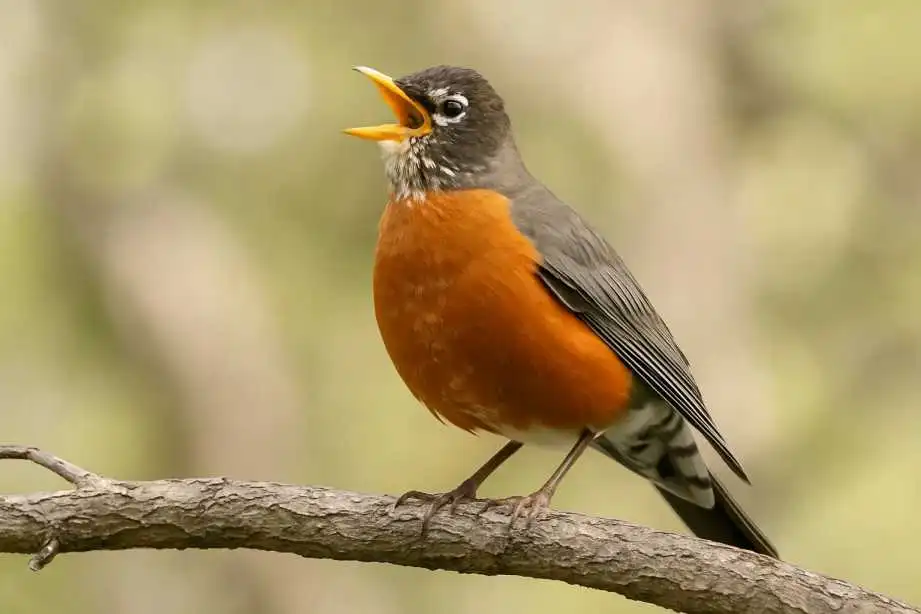
Male robins sing to attract mates and defend territory. Their songs have many variations.
The robin’s song is a mix of clear whistles and trills. It sounds sweet and melodic.
- Clear whistles and trills
- Each male has a unique song
- Songs change with the seasons
Alarm Calls
Robins use alarm calls to warn others about predators. These calls are loud and urgent.
The alarm call sounds like a repeated “chink” or “churr.” It helps robins stay safe.
- Loud and sharp “chink” or “churr” sounds
- Warns of predators or threats
- Triggers quick escape or hiding
Credit: www.avianinfo.com
Purpose Of Robin Calls
Robins use calls to send messages to other birds. These sounds help robins survive and live well.
Each call has a special purpose. They can attract mates, mark territory, or talk to their flock.
Attracting Mates
Male robins sing songs to attract female robins. Their calls show they are healthy and ready to mate. Understanding how a Robin Bird Make its presence known through music is key to their breeding success.
-
Strong, clear songs show good health.
-
Singing often helps males stand out.
-
Different songs can attract different females.
Territorial Signals
Robins use loud calls to warn other birds to stay away. These sounds protect their space and food.
| Call Type | Purpose | Effect |
| Loud Chatter | Mark Territory | Warns intruders |
| Sharp Chirp | Alert Danger | Signals threat nearby |
| Soft Song | Maintain Space | Keeps peace with neighbors |
Communication With Flock
Robins call to keep in touch with their group. These sounds help them find food and stay safe.
Common flock calls include:
- Contact calls to locate each other
- Warning calls to signal danger
- Begging calls from young birds
How Robins Produce Their Sounds
Robins are known for their clear and melodious songs. These sounds help them communicate and mark their territory. Understanding how robins make these sounds shows how special their voices are.
The process involves special body parts and movements. Each robin uses its vocal system to create unique tones and rhythms.
Anatomy Of Robin Vocal Cords
Robins have vocal cords inside a part called the syrinx. The syrinx is located where the windpipe splits into the lungs. This area controls the sound made by the bird. The vocal cords in the syrinx vibrate when air passes through. The shape and tension of these cords affect the pitch and tone of the robin’s sound. Many observers enjoy the various robin bird calls heard throughout the day.
-
Syrinx is the main sound organ
-
Located at the base of the windpipe
-
Contains two sets of vocal cords
-
Vibrations produce different pitches
Avian Bioacousticians reveal a secret about the robin’s syrinx: “Because the syrinx is located where the trachea splits, robins actually have two separate sets of vocal membranes. This allows them to produce two different notes at the exact same time. Expert Insight: When you hear those complex, ‘liquid’ trills in a robin’s song, you are often hearing the bird harmonizing with itself. This ‘dual-voice’ capability is what gives their song that rich, fluting quality that is so hard for other birds to mimic.”
Sound Production Process
Robins produce sound by pushing air from their lungs through the syrinx. The air causes the vocal cords to vibrate and create sound waves.
Birds can control how tight their vocal cords are. This control changes the sound’s pitch and volume. Robins often mix sounds to create songs.
- Air moves from lungs to syrinx
- Vocal cords vibrate with air flow
- Muscles adjust vocal cord tension
- Different sounds come from cord changes
- Robins combine sounds for songs

Credit: www.cbc.ca
When And Where To Hear Robin Calls
Robins make a variety of sounds that are easy to hear in many places. Their calls help them communicate with other birds.
Knowing when and where to listen for robin calls helps bird watchers and nature lovers enjoy these sounds.
Seasonal Patterns
Robins sing most during the spring and early summer. This is their breeding season.
- Spring: Loud and frequent songs to attract mates
- Summer: Shorter calls as they care for their young
- Fall: Fewer calls as they prepare to migrate
- Winter: Soft calls to keep in touch with other robins
Daily Activity
Robins are most vocal in the early morning and late afternoon. These times are best for hearing their songs.
| Time of Day | Robin Call Activity |
| Early Morning | Highest singing activity |
| Midday | Less frequent calls |
| Late Afternoon | Increased calling again |
| Night | Very few calls |
Preferred Habitats
Robins live in many places but prefer certain spots for calling and singing.
- Woodlands and forest edges
- Gardens and parks with trees
- Open fields with scattered shrubs
- Near water sources like ponds or streams
Recognizing Robin Calls In Nature
The robin bird has a clear and melodious call. It helps birdwatchers spot them in forests and parks.
Knowing their sounds makes it easier to enjoy nature and learn about local wildlife.
Tips For Birdwatchers
Robins sing a varied song with whistles, trills, and clicks. Listen carefully in early morning or late afternoon.
- Focus on clear, repeated phrases in their song.
- Watch for short, sharp “tick” calls used as alarms.
- Use binoculars to spot robins near bushes or trees.
- Note the bird’s posture and movement while singing.
Common Mistakes
Many confuse robins with other birds by sound. Their calls can sound similar to thrushes or blackbirds.
| Common Error | How to Avoid |
|---|---|
| Mixing robin song with thrush | Listen for robin’s sharper, faster notes |
| Ignoring alarm calls | Learn the robin’s short “tick” sounds |
| Not noting time of day | Robins sing most at dawn and dusk |
Using Apps And Recordings
Apps help identify robin calls by comparing sounds. Recordings let you practice without going outside.
- Use apps with clear robin call libraries.
- Play recordings slowly to catch details.
- Record your own sounds for comparison.
- Practice in quiet places to avoid background noise.

Credit: app.mybirdbuddy.com
Robins Compared To Other Birds
The robin is a small bird known for its bright red breast and cheerful song. Its noise is different from many other birds.
We will look at how robin songs compare to other bird sounds and what makes their calls special.
Similar Bird Songs
Robins sing clear, melodic tunes that can sound like whistles. Other birds have songs that may sound like robins but with small differences.
- The thrush has a flute-like song but is longer and more complex.
- The sparrow’s chirp is shorter and more repetitive than a robin’s.
- Blackbirds sing louder and with richer tones but less melody.
- Canaries have high-pitched songs that are faster than robins’ tunes.
Distinctive Features
Robins have unique sound traits that help identify their calls among other birds. Learning what sound does a robin make compared to a sparrow is a great skill for beginners.
| Feature | Robin | Other Birds |
| Song Pattern | Melodic, clear whistles | Varies: some harsh, some melodic |
| Song Length | Short to medium | Can be longer or shorter |
| Volume | Moderate | Ranges from soft to loud |
| Call Type | Varied calls, including warning and soft chats | Different calls, often species-specific |
Frequently Asked Questions
What Sounds Does A Robin Bird Make?
Robins are known for their melodious songs. They produce a series of cheerful, melodious phrases. Their song often includes varied trills and whistles. Robins also make a “tut-tut” sound when alarmed. Their calls are distinctive and can be heard during early mornings.
How Does A Robin’s Song Differ?
A robin’s song is more melodic compared to other birds. It consists of clear, melodic phrases. These phrases often vary in pitch and tone. This variety makes their song uniquely recognizable. The purpose is both to establish territory and attract mates.
Why Do Robins Sing Early In The Morning?
Robins sing early to establish territory and attract mates. The quiet of dawn allows their songs to travel further. Morning singing also helps avoid competition noise. It’s part of their daily routine. This behavior is known as the “dawn chorus.
Can Robins Mimic Other Birds?
Robins are not known for mimicking other birds. They have a distinct and consistent song pattern. Their song is unique and easily identifiable. Unlike some species, they don’t imitate sounds. Their primary focus is on their own melodious tunes.
Conclusion
Robins make clear, cheerful sounds that brighten the day. Their song is a mix of whistles and trills, easy to recognize. These birds often sing early in the morning and late afternoon. Listening closely helps you identify their unique calls.
Knowing what a robin sounds like connects you more to nature. Next time you hear a robin, enjoy its sweet melody. Simple, lovely sounds from a small, common bird. Nature’s music, right outside your window.