

Have you ever wondered what sound a parrot really makes? Maybe you’ve heard their squawks or tried to mimic their chatter but felt like something was missing.
Understanding a parrot’s unique sounds can reveal much more than just noise—it opens a window into their world and their feelings. If you want to connect with these colorful birds on a deeper level, keep reading. You’ll discover the surprising variety of parrot sounds and what they mean for you and your feathered friend.
Parrot Vocal Range
Parrots have a wide vocal range. They can make many different sounds.
Their voices help them communicate with each other and with humans.
Common Sounds
Parrots often make squawks and whistles. These sounds warn of danger or show excitement.
They also mimic sounds they hear around them, like human speech or other animals.
- Squawks: loud and sharp
- Whistles: clear and high-pitched
- Chatter: soft and quick
- Mimicry: copying human words or sounds
Unique Calls By Species
Each parrot species has special calls. These calls help identify them.
For example, macaws have deep, loud calls. Budgerigars make soft chirps and trills.
| Species | Unique Call Type | Purpose |
| Macaw | Loud squawks | Warning and communication |
| Budgerigar | Soft chirps and trills | Social interaction |
| African Grey | Complex mimicry | Communication and bonding |
| Amazon Parrot | Whistles and laughs | Attention and play |
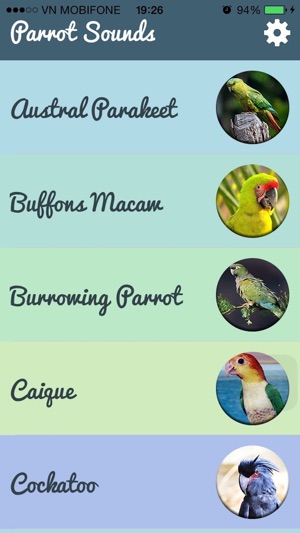
Credit: apps.apple.com
Mimicry Skills
Parrots are famous for copying sounds they hear around them. Their mimicry skills help them communicate and interact.
These birds can imitate human speech and many other noises from their environment. This ability is rare in animals.
How Parrots Imitate Sounds
Parrots use a special voice organ called the syrinx to copy sounds. It is located at the base of their trachea.
They listen carefully, then practice the sounds until they get them right. Young parrots learn by copying adults.
- The syrinx allows parrots to change pitch and tone.
- Parrots learn sounds by repetition and memory.
- Social interaction motivates parrots to mimic.
Examples Of Mimicked Noises
Parrots can mimic many different sounds from their environment. Some are surprising and fun to hear.
- Human words and short phrases
- Other bird calls and animal sounds
- Household noises like phones ringing or doorbells
- Music tunes and rhythms
- Sounds of machines or alarms
Each parrot may have its own favorite sounds to copy. Their talent shows how smart these birds are.
Communication Purposes
Parrots use sounds to talk with each other. Their noises help them share important messages.
These sounds have different meanings. They help parrots stay safe and make friends.
Alert And Warning Calls
Parrots make loud calls to warn others of danger. These sounds can scare off predators.
They use sharp squawks or repeated calls to signal threats. This helps the flock stay alert.
- High-pitched squawks warn about nearby predators
- Rapid calls signal an urgent threat
- Silent body language often follows the warning sounds
Social Interactions
Parrots use sounds to make friends and build bonds. They often mimic sounds to connect with others.
Soft chirps and whistles show friendliness. These sounds help parrots stay close and happy.
- Gentle whistles express comfort and trust
- Repeating sounds helps parrots learn each other’s voices
- Playful calls invite others to join activities
Factors Influencing Parrot Sounds
Parrots make different sounds based on several factors. These sounds include squawks, whistles, and mimicry.
Understanding what affects their sounds helps us learn more about their behavior and needs.
Environment Impact
The place where a parrot lives changes the sounds it makes. Noisy areas can make parrots louder.
Quiet homes may lead to softer or fewer sounds from parrots. Birds also copy sounds from their surroundings.
- Urban noise makes parrots louder
- Natural settings encourage natural calls
- Parrots copy sounds they hear often
Age And Health Effects
Young parrots usually make more sounds to get attention. Their sounds change as they grow up.
Sick parrots might be quieter or make unusual noises. Health problems can affect their voice strength.
- Young parrots are more vocal
- Older parrots may slow down in sound
- Health issues can change sound quality
Training Parrots To Talk
Parrots are known for their ability to mimic sounds and words. Training them to talk can be a fun and rewarding experience.
It takes patience and consistent practice to help parrots learn new words. Understanding their sounds is the first step.
Effective Techniques
Talking parrots learn best with clear and simple words. Repeat the same word often so the bird can hear it well.
Use a happy tone and speak slowly. Offer treats or praise when the parrot tries to copy your words.
- Choose short and easy words
- Repeat words many times daily
- Use positive rewards like treats
- Practice in a quiet place
- Be patient and consistent
Common Challenges
Not all parrots talk at the same speed. Some may take longer to start mimicking words.
Parrots can get distracted easily. They might lose interest if training sessions are too long.
- Some parrots may not talk much
- Distractions can slow learning
- Inconsistent practice causes delays
- Stress or illness affects progress
- Birds may copy unwanted sounds
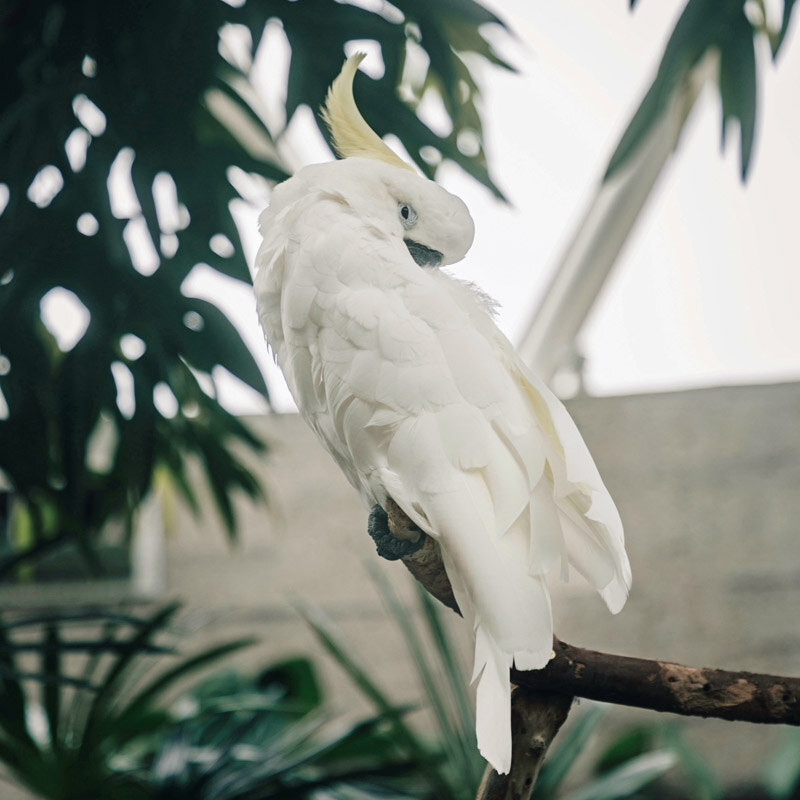
Credit: lafeber.com
Parrot Sounds In Popular Culture
Parrots are known for their ability to mimic sounds and speech. Their unique calls and mimicry appear in many stories and shows.
People often think of parrots when they hear squawks, whistles, and repeated words. These sounds add fun and meaning in culture.
Movies And Cartoons
Parrots often appear in movies and cartoons as talking companions. Their sounds bring humor and life to characters.
Famous parrots repeat words or funny phrases. Their squawks and chatter fit pirate stories and tropical scenes well.
- Many pirate movies show parrots saying “Polly wants a cracker.”
- Animated films use parrot sounds to make characters lively.
- Cartoons often give parrots cheeky or clever voices.
Folklore And Symbolism
In folklore, parrots symbolize intelligence and communication. Their sounds often represent messages from nature or spirits.
Many cultures believe parrots bring good luck or warn of danger through their calls. Their bright colors and voices hold special meaning.
- Some tales say parrots mimic human speech to share wisdom.
- Parrots are seen as symbols of freedom and joy in stories.
- Their sounds can signal change or important news in myths.

Credit: www.youtube.com
Frequently Asked Questions
What Sound Does A Parrot Typically Make?
Parrots usually produce squawks, whistles, and mimic human speech. Their sounds vary by species and individual. They use vocalizations to communicate and express emotions.
Can Parrots Imitate Human Voices Accurately?
Yes, many parrots can mimic human speech clearly. They learn sounds by listening and repeating. This ability makes them popular pets and fascinating birds.
Why Do Parrots Mimic Sounds They Hear?
Parrots mimic sounds to socialize and bond with their flock. In captivity, they see humans as their flock. Mimicking helps them feel secure and connected.
Do All Parrots Make The Same Sounds?
No, parrot sounds differ by species and environment. Some are louder or more vocal, while others are quieter. Each species has unique calls and communication styles.
Conclusion
Parrots make many different sounds, from squawks to whistles. They can even mimic human speech. Each parrot species has its own unique voice. Listening to these sounds helps us understand their moods and needs. Knowing what a parrot says can build a stronger bond.
These birds are social and love to communicate. Paying attention to their sounds keeps them happy and healthy. Parrots truly show how smart and lively they are through their noises.



