What Temperature Is Too Cold for Birds? Expert Answers
Have you ever wondered how cold is too cold for your feathered friends? When temperatures drop, your birds might struggle more than you realize.
Knowing exactly what temperature is too cold can help you protect them from harm and keep them comfortable all winter long. You’ll discover the signs of cold stress in birds and simple steps you can take to make sure your birds stay safe and warm.
Keep reading—your birds’ health might depend on what you learn next.
Cold Limits For Birds
Birds can survive cold weather, but each species has a limit. When temperatures drop too low, birds may struggle to stay warm. Understanding these limits helps protect birds during winter.
Cold limits depend on the bird’s size, feathers, and habitat. Some birds handle cold well. Others need shelter and extra food to survive.
Species And Cold Tolerance
Different bird species tolerate cold in different ways. Arctic birds like penguins and snow buntings survive very low temperatures. Tropical birds are less prepared for cold weather.
Small birds lose heat faster than big birds. Birds with thick feathers or fat layers stay warm better. Some species migrate to avoid cold winters.
- Arctic species survive below -40°F (-40°C)
- Temperate species tolerate near freezing
- Tropical species struggle below 50°F (10°C)
- Small birds need more shelter in cold
Signs Of Cold Stress
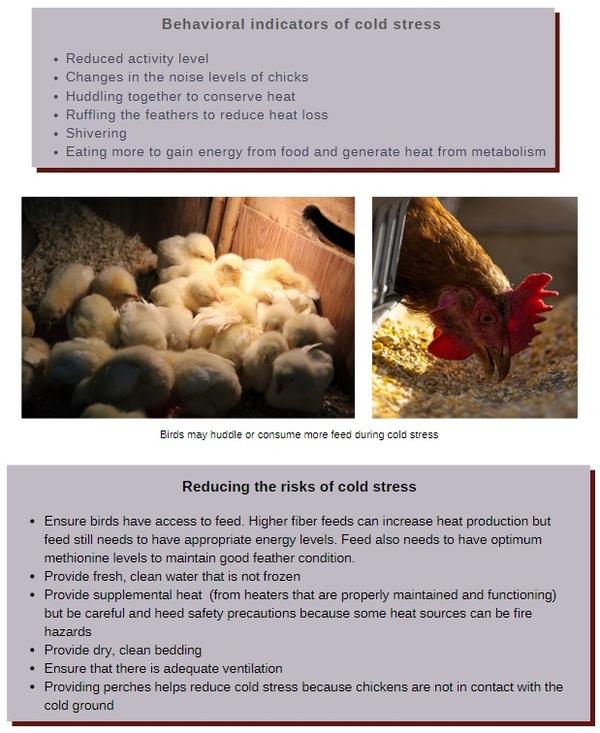
Birds show signs when cold harms them. Watch for these signs to help birds in freezing weather. Cold stress can lead to illness or death if not treated.
Look for shivering, puffed feathers, and slow movement. Birds may stay in one place and stop eating. Weakness and closed eyes are also warning signs.
- Shivering to generate heat
- Fluffed feathers to trap air
- Reduced activity and movement
- Hunched posture to conserve warmth
- Loss of appetite or weak flight
Credit: en.engormix.com
How Birds Stay Warm
Birds face cold weather and freezing temperatures. They use smart ways to keep their bodies warm. Understanding these helps us know how they survive the cold.
Birds have natural tools and habits that protect them from the cold. Their feathers, behavior, and body changes all work together to keep heat inside.
Feather Insulation
Feathers are a bird’s first defense against cold. They trap air close to the skin, creating a warm layer. Birds fluff their feathers to increase this air layer.
Down feathers under the outer feathers are soft and fluffy. They add extra warmth by holding more air. This insulation helps birds stay warm even in freezing temperatures.
Behavioral Adaptations
Birds change their behavior to avoid cold. They may huddle together to share body heat. Some birds find shelter in thick bushes or tree cavities.
They also reduce movement to save energy. Some birds tuck their beaks under their feathers to keep their face warm. These actions help them stay warm during cold days.
- Huddling together for warmth
- Seeking shelter in trees or bushes
- Reducing movement to save energy
- Tucking beaks under feathers
Metabolic Adjustments
Birds can raise their body heat by increasing metabolism. This means their bodies burn more energy to make heat. They eat more food in cold weather to fuel this process.
Some birds enter a state called torpor. This lowers their energy use but keeps them alive in extreme cold. These changes help birds survive when it is too cold outside.
Risks Of Extreme Cold
Birds face many dangers in very cold weather. Their bodies need warmth to stay alive. Extreme cold can harm birds quickly.
Understanding these risks helps us protect birds better during winter and cold snaps.
Frostbite And Hypothermia
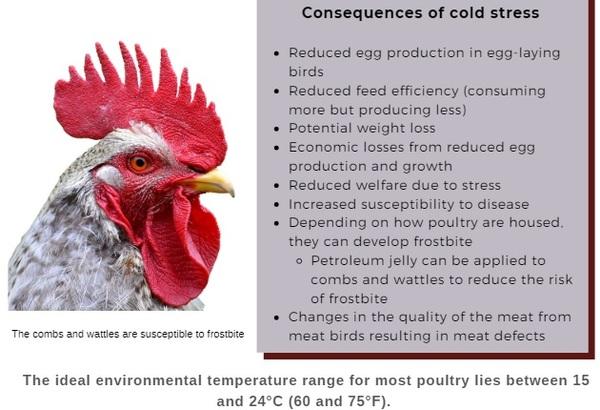
Frostbite happens when birds’ skin and tissues freeze. It usually affects feet, toes, and beaks. Hypothermia is when their body temperature drops too low. Both conditions can be fatal if untreated.
Birds try to keep warm by fluffing feathers and seeking shelter. Still, extreme cold can overwhelm these defenses.
Food Scarcity Challenges
Cold weather makes food hard to find. Snow and ice cover seeds and insects. Birds need more food to keep warm, but it is less available.
- Less food means less energy for birds.
- Birds may travel farther to find food.
- Competition for food increases.
- Some birds may not survive the winter.
Shelter Importance
| Shelter Type | Benefits |
|---|---|
| Tree Cavities | Protect from wind and cold |
| Thick Bushes | Trap heat and hide from predators |
| Birdhouses | Provide safe, insulated space |
Shelter helps birds stay warm and safe. Without good shelter, birds lose heat fast and risk death. Providing shelter is key in cold areas.
Helping Birds In Winter
Birds face cold weather challenges in winter. Their survival depends on warmth, food, and water.
People can help birds stay safe and healthy during cold months by providing care and shelter.
Providing Food And Water
Cold weather makes it hard for birds to find food and water. Supplying both helps birds keep warm and strong.
- Offer high-energy foods like sunflower seeds and suet
- Keep water fresh and ice-free with a heated birdbath
- Place feeders in safe, visible locations
- Refill food and water daily during freezing weather
Creating Safe Shelters
Birds need shelter to protect from wind, snow, and cold. Natural and man-made shelters both help.
| Shelter Type | Description | Benefits |
| Evergreen Trees | Dense branches provide windbreaks | Protects from cold winds |
| Brush Piles | Stacked branches create hiding spots | Offers warmth and safety |
| Birdhouses | Small wooden boxes for roosting | Keeps birds dry and warm |
Avoiding Harmful Practices
Certain actions can hurt birds in winter. Avoid these to keep birds safe and healthy.
- Do not use salt or chemicals near bird feeding areas
- Avoid sudden changes in bird food types
- Keep cats and pets away from feeding spots
- Do not disturb nests or roosting birds
Monitoring Bird Health In Cold
Birds face challenges when temperatures drop. Cold weather can affect their health quickly.
Watching birds closely helps you spot problems early. This care supports their survival in winter.
Recognizing Distress Signals
Birds show clear signs when they struggle in cold weather. Knowing these signs helps you act fast.
- Fluffed-up feathers to keep warm
- Shivering or trembling
- Less movement or staying still for long
- Drooping wings or weak posture
- Unusual silence or lack of calls
- Visible injuries or frostbite on feet and beak
When To Contact Wildlife Experts
Some bird problems need expert care. Knowing when to ask for help can save a bird’s life.
| Situation | Action to Take |
| Bird is cold but alert | Provide shelter and food nearby |
| Bird is injured or cannot stand | Contact wildlife expert immediately |
| Bird shows signs of frostbite | Seek professional help quickly |
| Large group of birds acting strangely | Report to local wildlife authorities |

Credit: www.youtube.com
Credit: en.engormix.com
Frequently Asked Questions
What Temperature Is Harmful For Wild Birds?
Birds generally tolerate cold well but below 20°F (-6°C) can be dangerous. Prolonged exposure risks frostbite and energy loss.
How Do Birds Survive Freezing Temperatures?
Birds fluff feathers for insulation and reduce activity to conserve energy. They also seek shelter and huddle together for warmth.
Should I Feed Birds In Cold Weather?
Yes, feeding birds in cold weather helps them maintain energy. Provide high-fat foods like seeds and suet for best results.
When Should I Provide Water For Birds In Winter?
Provide fresh, unfrozen water daily during freezing temperatures. Birds need water for hydration and to digest their food properly.
Conclusion
Birds face challenges in extremely cold temperatures. They need warmth to survive. Providing shelter and food can help them through cold spells. Birdhouses and feeders play a crucial role. They offer a safe haven and nourishment. Keeping water sources unfrozen is vital too.
It helps birds stay hydrated. Remember, small actions make a big difference. Each little effort helps birds thrive in winter. So, care for your feathered friends. They add beauty and joy to our environment. Working together ensures their safety and well-being.
Let’s protect our avian companions from the cold.