Have you ever wondered if the heat outside could harm your feathered friends? Birds are delicate creatures, and knowing what temperature is too hot for them can make all the difference in keeping them safe and happy.
If you want to protect your birds from dangerous heat, it’s important to understand how high temperatures affect them and what signs to watch for. You’ll discover the exact temperature limits for birds and simple steps you can take to keep your pets cool when the weather heats up.
Keep reading to make sure your birds stay comfortable no matter how hot it gets.
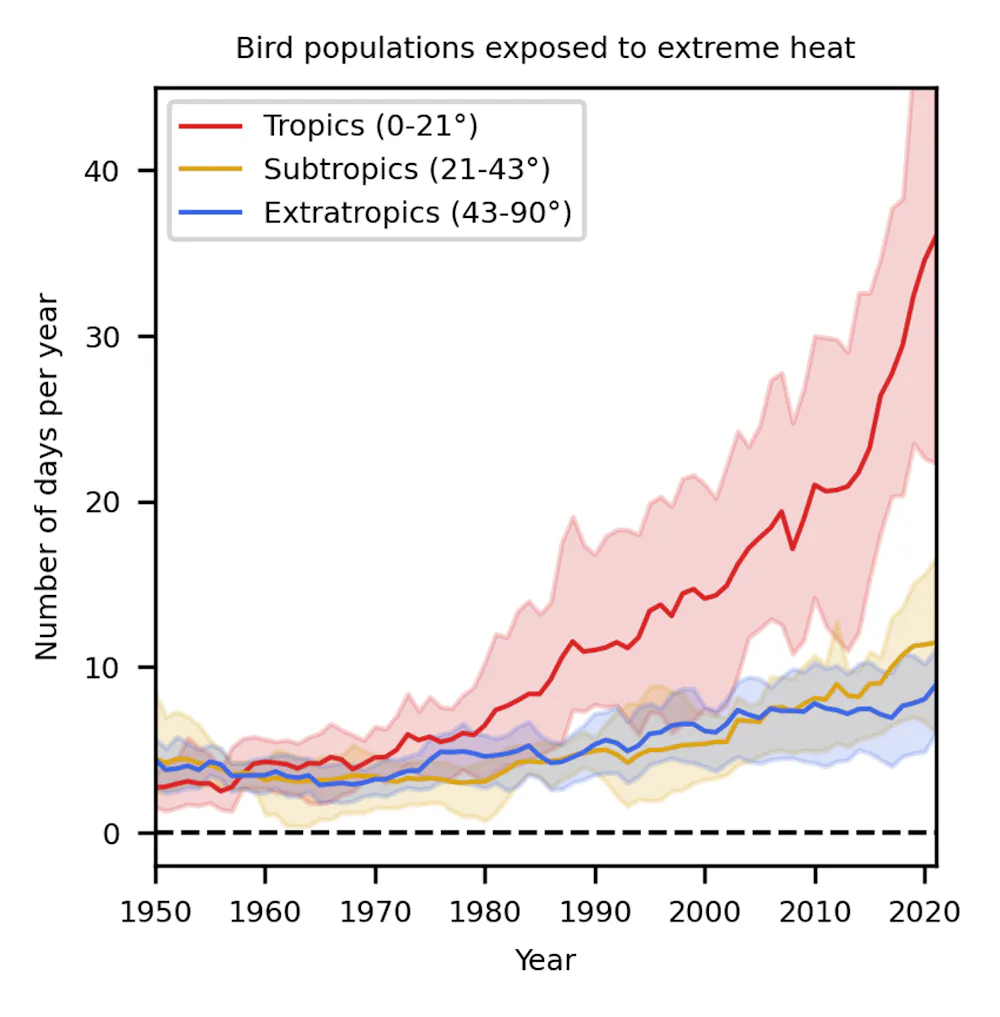
Credit: theconversation.com
Birds And Heat Sensitivity
Birds are sensitive to high temperatures. They can get sick if it gets too hot.
Knowing how heat affects birds helps keep them safe. Birds can only handle certain heat levels.
How Birds Regulate Body Temperature
Birds use many ways to keep cool. They do not sweat like humans do.
They breathe fast, spread their wings, and stay in shade. These actions help lower their body heat.
- Breathing fast to release heat
- Spreading wings to cool down
- Seeking shade or water
- Fluffing feathers to let air flow
Signs Of Heat Stress In Birds
Heat stress can make birds weak and tired. Watch for signs to help them quickly.
Common signs include heavy breathing and less movement. Birds may also hold their wings away from the body.
- Open-mouth breathing or panting
- Drooping wings
- Fluffed feathers
- Less eating or drinking
- Weakness or unsteady walking
Credit: theconversation.com
Temperature Thresholds For Different Birds
Birds come from many climates. Their tolerance to heat varies widely. Knowing these differences helps keep birds safe.
Some birds live in hot places all year. Others come from cooler areas. Pet birds and wild birds also react differently to heat.
Tropical Birds
Tropical birds are used to warm climates. They can handle higher temperatures than many other birds. Still, extreme heat can stress them.
- Most tropical birds tolerate up to 95°F (35°C).
- Above 95°F, watch for signs of heat stress.
- They need shade and fresh water at all times.
- Humidity also affects their comfort and health.
Temperate Birds
Temperate birds live in places with four seasons. They usually prefer cooler weather. High heat can be dangerous to them.
| Bird Type | Comfortable Max Temperature | Heat Risk Temperature |
| Songbirds | 85°F (29°C) | 90°F (32°C) |
| Waterfowl | 80°F (27°C) | 85°F (29°C) |
| Birds of Prey | 90°F (32°C) | 95°F (35°C) |
Pet Birds Vs Wild Birds
Pet birds often face different conditions than wild birds. They may live indoors or in cages. Their heat tolerance depends on care and environment.
Key points about pet and wild birds in heat:
- Pet birds need cool, shaded areas and fresh water.
- Wild birds can fly to cooler spots if needed.
- Pet birds may suffer more in heat without proper care.
- Wild birds often have natural behaviors to avoid heat stress.
Heat Risks For Birds
Birds are sensitive to high temperatures. Hot weather can cause serious health problems for them.
Understanding how heat affects birds helps keep them safe during warm days.
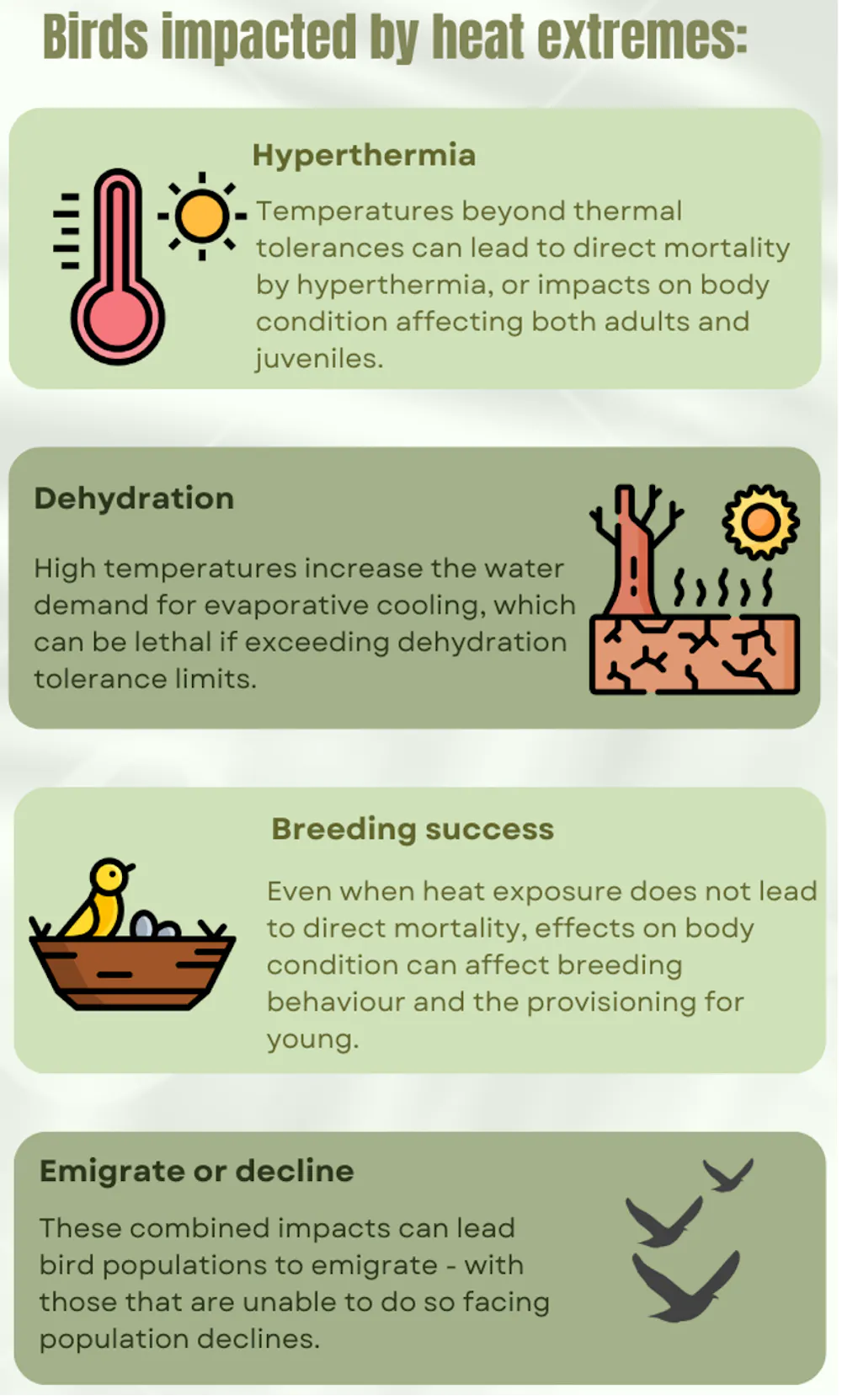
Heat Stroke And Dehydration
Heat stroke happens when a bird’s body gets too hot. This can cause damage to its organs.
Dehydration occurs if birds do not drink enough water. It makes their bodies weak.
- Signs of heat stroke include panting and drooping wings.
- Dehydration signs are dry mouth and sunken eyes.
- Both conditions need fast action to cool the bird and give water.
- Keep fresh water available at all times.
Impact On Bird Behavior And Health
Heat changes how birds act. They may stop singing or flying much.
| Behavior Change | Health Effect |
| Less movement | Muscle weakness |
| Hiding in shade | Lower food intake |
| Increased thirst | Risk of dehydration |
| Fluffed feathers | Body temperature control issues |
Preventing Heat-related Issues
Birds can get sick if it is too hot. Temperatures above 85°F (29°C) can cause problems. It is important to keep birds cool.
Heat stress can make birds weak or sick. You must help them stay safe in hot weather.
Providing Shade And Ventilation
Shade protects birds from direct sunlight. It lowers their body temperature and stops overheating.
Good airflow helps cool birds. Use fans or open windows to let air move freely.
- Place shelters or trees for shade
- Use mesh or open cages for airflow
- Keep the area clean to prevent heat buildup
Hydration Strategies
Birds need plenty of fresh water in hot weather. Water helps them cool down and stay healthy.
Change water often to keep it clean. Use shallow bowls so birds can drink easily.
- Provide water in several spots
- Add ice cubes to water bowls
- Check water supply multiple times daily
Adjusting Diet During Hot Weather
Birds eat less in hot weather. Give them light and easy-to-digest food.
Offer fruits and vegetables with high water content. Avoid heavy or oily foods that cause heat.
- Feed fresh veggies like cucumber and lettuce
- Limit seeds and grains during heat
- Provide small, frequent meals
Emergency Steps For Overheated Birds
Birds can get too hot when the temperature rises above 85°F (29°C). Heat can cause serious problems fast. Knowing how to cool your bird quickly is very important.
Watch for signs like panting, drooping wings, or weakness. Act fast to help your bird stay safe and healthy.
Cooling Techniques
Start by moving your bird to a cooler place with shade or air conditioning. Avoid direct sunlight to prevent more heat.
Use a damp cloth to gently wipe your bird’s feathers. This helps lower body temperature. Do not soak your bird or use cold water.
- Provide fresh, cool water for drinking.
- Turn on a fan nearby, but not directly on the bird.
- Spray a light mist of water on your bird’s cage for added cooling.
- Keep your bird calm to reduce stress and heat production.
When To Seek Veterinary Help
If your bird does not improve quickly, contact a vet. Signs like seizures, weakness, or unresponsiveness need urgent care.
Heatstroke can cause permanent damage or death. A vet can give fluids and special treatment to help your bird recover.
- Loss of balance or coordination
- Rapid breathing or panting that does not slow
- Weakness or inability to stand
- Seizures or collapse

Credit: birdsupplies.com
Creating A Bird-friendly Environment
Birds are sensitive to heat. They can get sick or stressed if it gets too hot. Keeping birds safe means controlling their environment.
Knowing what temperatures are too hot helps you care for your feathered friends. You can make spaces where they stay cool and healthy.
Safe Outdoor Enclosures
Outdoor cages must protect birds from direct sun and heat. Shade is very important to keep birds cool during hot days.
Good airflow helps lower the temperature inside the enclosure. Avoid places that trap heat or have little wind.
- Use mesh or wire cages for air circulation
- Place cages under trees or shaded areas
- Add cooling devices like misting systems if safe
- Provide fresh water at all times
- Check temperature often, avoid above 85°F (29°C)
Indoor Temperature Control
Keep indoor temperatures steady and comfortable for birds. Ideal indoor temperatures are between 65°F and 80°F (18°C to 27°C).
Use fans or air conditioning to cool rooms in hot weather. Avoid sudden temperature changes that can stress birds.
- Place cages away from direct sunlight
- Keep rooms well ventilated
- Use humidifiers if air is too dry
- Monitor temperature daily with a reliable thermometer
- Never let indoor temps rise above 85°F (29°C)
Frequently Asked Questions
What Temperature Is Dangerous For Pet Birds?
Temperatures above 85°F (29°C) can stress pet birds. Prolonged heat may cause dehydration and heatstroke. Always provide shade and fresh water to keep birds safe.
How Do Birds Cope With High Temperatures?
Birds use panting and wing spreading to cool down. They seek shade and reduce activity during peak heat. Access to water is essential for their survival.
Can Birds Survive In Extreme Heat?
Birds can tolerate heat if they have shade and water. However, temperatures above 100°F (38°C) risk severe heat stress. Monitoring and cooling measures are vital during heatwaves.
What Signs Show A Bird Is Overheating?
Signs include rapid breathing, lethargy, and drooping wings. Birds may also hold their wings away from the body. Immediate cooling and hydration are necessary to prevent heatstroke.
Conclusion
Birds thrive in specific temperature ranges for their well-being. Overheating can harm them. Ensure birds have shade and water during hot days. A cool environment helps maintain their health. Watching for signs of heat stress is crucial. Panting or spreading wings indicates they’re too hot.
Adjust their habitat to keep them safe. Simple measures can make a big difference. Keep them comfortable and happy. Understanding their needs helps in creating a suitable environment. Protecting birds in heat ensures their safety. Always prioritize their comfort during extreme temperatures.
This keeps them healthy and lively.