If you suspect your bird has avian influenza, you need to act quickly and carefully. This illness can spread fast and cause serious harm not only to your feathered friend but also to other birds and even people.
Knowing exactly what steps to take can protect your bird’s health and keep your home safe. You’ll discover clear, simple actions you can follow right now to handle avian influenza with confidence. Keep reading to learn how to spot the signs, what to do immediately, and how to prevent the disease from spreading.
Your bird’s well-being depends on what you do next.
Recognizing Avian Influenza In Birds
Avian influenza is a serious disease that affects many birds. It spreads fast and can cause big problems on farms and in the wild.
Knowing the signs of avian influenza helps you act quickly. Early detection can protect other birds and reduce damage.
Common Symptoms To Watch For
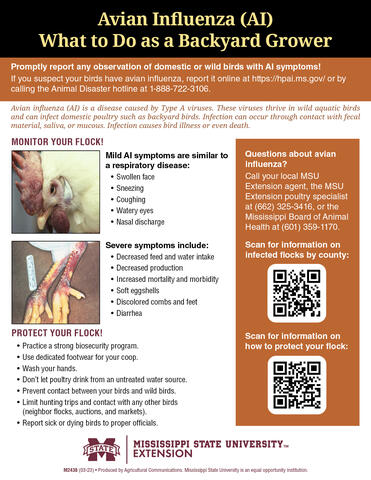
Birds with avian influenza often show signs of illness. These symptoms can vary but usually include changes in behavior and health.
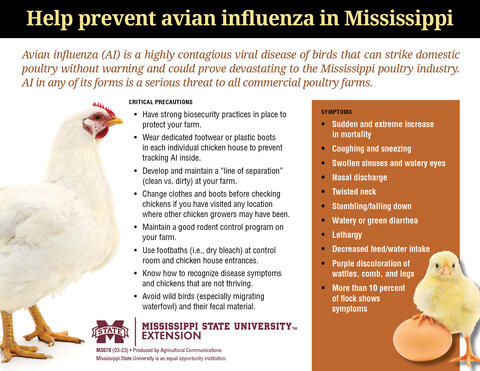
- Sudden death without signs
- Swelling around the eyes, neck, and head
- Blue discoloration of the comb and wattles
- Loss of appetite and weight loss
- Weakness and difficulty breathing
- Diarrhea and nasal discharge
- Drop in egg production
High-risk Bird Species
Some bird species are more likely to catch avian influenza. These birds can spread the virus quickly to others.
- Chickens
- Ducks
- Turkeys
- Geese
- Wild waterfowl like swans and gulls
- Game birds such as pheasants and quails
Credit: extension.msstate.edu
Immediate Actions To Take
Avian influenza can spread quickly among birds. Acting fast helps protect your flock and others. Follow these steps carefully if you suspect a bird has this disease.
Isolating The Infected Bird
Separating the sick bird stops the virus from spreading. Use a clean cage away from other birds and people. Avoid contact with the infected bird unless necessary.
- Place the bird in a well-ventilated but enclosed area
- Wear gloves and a mask when handling the bird
- Clean and disinfect any tools or surfaces the bird touched
- Keep other birds and pets away from the isolation area
- Monitor the bird’s condition closely for changes
Notifying Local Authorities
Reporting the illness helps control the outbreak. Contact your local animal health office or veterinary services as soon as possible. Provide clear details about the bird and symptoms.
| Information to Provide | Details to Include |
| Location | Exact address or coordinates of the bird’s home |
| Bird Species | Type of bird affected (chicken, duck, etc.) |
| Symptoms | Signs noticed such as coughing, lethargy, or swelling |
| Number of Birds | Total birds in the flock and how many are sick |
| Contact Information | Your name and phone number for follow-up |
Protecting Yourself And Others
Avian influenza can spread from birds to people. It is important to keep yourself safe. Taking the right steps helps stop the virus.
Protecting others around you also stops the disease from spreading. Use careful actions if a bird has avian influenza.
Wearing Protective Gear
Wear protective gear when handling sick birds. This gear blocks germs and reduces infection risk. Use gloves, masks, and eye protection.
- Wear disposable gloves to avoid skin contact
- Use an N95 mask or similar to protect lungs
- Wear goggles or face shields to protect eyes
- Put on protective clothing like gowns or coveralls
- Remove and dispose of gear safely after use
Always wash hands well after removing protective gear. Clean your clothes and shoes too.
Avoiding Direct Contact
Do not touch birds that are sick or dead. Avoid their droppings and feathers. The virus can spread through direct contact.
Keep a safe distance from infected birds. Use tools like shovels or nets if you must move them. Never handle birds with bare hands.
- Do not hug, hold, or pet sick birds
- Keep children and pets away from infected birds
- Disinfect any tools used after contact
- Report sick or dead birds to local authorities
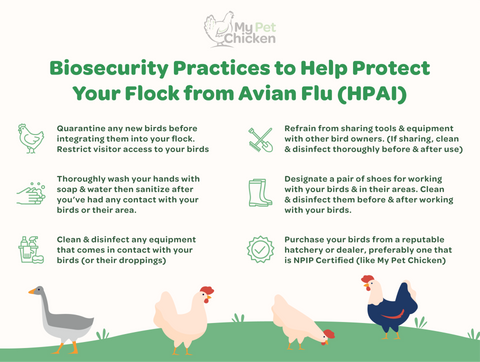
Credit: www.mypetchicken.com
Cleaning And Disinfection
Cleaning and disinfection are key to stopping avian influenza from spreading. Proper steps protect other birds and humans.
Always clean surfaces and tools before disinfecting. Dirt can reduce disinfectant effectiveness.
Safe Disposal Of Bird Waste
Dispose of bird waste carefully to prevent virus spread. Use gloves and avoid touching your face.
- Collect all droppings, feathers, and bedding materials
- Place waste in sealed plastic bags
- Double bag if possible before disposal
- Burn the waste if local laws allow
- If burning is not allowed, bury waste at least two feet deep
- Clean and disinfect gloves and tools after use
Effective Disinfectants To Use
Choose disinfectants that kill avian influenza virus quickly. Follow label instructions for best results.
| Disinfectant | Use | Contact Time |
| Bleach (Sodium Hypochlorite) | 1 part bleach to 32 parts water | 10 minutes |
| Quaternary Ammonium Compounds | Use as directed on label | 10 minutes |
| Phenolic Disinfectants | Mix per instructions | 10 minutes |
| Virkon S | Ready-to-use or diluted | 10 minutes |
Preventing The Spread
Avian influenza spreads quickly among birds. Taking action early helps stop the disease. You must prevent the infection from moving to healthy birds.
Follow strict measures to reduce contact and control bird movements. These steps protect your birds and the wider community.
Quarantine Guidelines
Isolate infected birds immediately to stop the virus from spreading. Keep them away from all other birds and people.
- Use separate housing for sick birds.
- Do not share equipment or tools between infected and healthy areas.
- Wear protective clothing when handling sick birds.
- Clean and disinfect all surfaces and equipment daily.
- Limit visitors and keep records of all who enter the quarantine zone.
Controlling Bird Movement
Restrict bird movement to reduce virus spread. Avoid moving birds off the premises unless necessary and approved by health authorities.
| Action | Reason |
| Stop bird sales and shows | Prevents contact with other birds and locations |
| Do not transport live birds | Reduces risk of spreading the virus on vehicles |
| Check all bird shipments carefully | Ensures no infected birds enter or leave your area |
| Report any unusual bird deaths | Helps track and control the disease quickly |
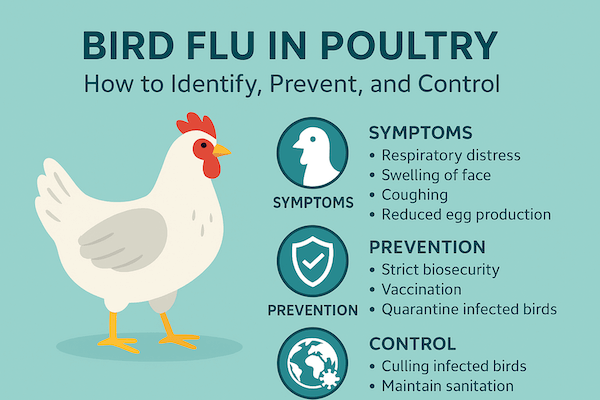
Credit: www.bivatec.com
Monitoring And Reporting
Avian influenza can spread quickly among birds. It is important to watch their health closely. Early detection helps stop the disease from spreading.
Reporting any signs of illness to the right people helps control outbreaks. This guide covers how to track bird health and when to get veterinary help.
Tracking Bird Health
Look for changes in bird behavior and appearance every day. Signs include coughing, sneezing, and loss of appetite. Keep notes on any symptoms you see.
- Check for unusual droppings or discharge from eyes and nose
- Watch for sudden death or weak birds
- Note if birds stop eating or drinking
- Look for swelling around the head and neck
When To Seek Veterinary Help
Call a vet if you find any signs of avian influenza. Quick action can save lives and stop the disease from spreading. The vet can test birds and suggest treatment.
| Symptom | Action |
| Coughing or sneezing | Contact vet immediately |
| Swollen head or neck | Isolate bird and call vet |
| Sudden death | Report to local animal health authorities |
| Loss of appetite | Monitor closely and call vet if worsens |
Frequently Asked Questions
What Are The First Steps If A Bird Has Avian Influenza?
Immediately isolate the infected bird from others to prevent spread. Contact local wildlife or agricultural authorities for guidance. Wear protective gear when handling the bird. Clean and disinfect the area thoroughly. Monitor other birds closely for symptoms.
How Can Avian Influenza Spread Among Birds?
Avian influenza spreads through direct contact with infected birds’ saliva, nasal secretions, and feces. Contaminated surfaces, equipment, and water sources also transmit the virus. Wild migratory birds can carry and spread the infection to domestic flocks.
Can Humans Catch Avian Influenza From Birds?
Yes, humans can contract avian influenza through close contact with infected birds. However, transmission is rare and usually requires prolonged exposure. Always use protective gear when handling sick birds and practice good hygiene to reduce risk.
What Symptoms Indicate A Bird Has Avian Influenza?
Look for sudden death, respiratory distress, swollen head, nasal discharge, and reduced egg production. Birds may also show lethargy, lack of appetite, and diarrhea. Early detection helps prevent the disease from spreading rapidly.
Conclusion
Caring for a bird with avian influenza requires quick action. Contact a vet immediately. Ensure the bird stays isolated to prevent spreading. Clean the bird's living area thoroughly. Wear gloves and a mask for safety. Monitor the bird's health closely.
Provide a comfortable and stress-free environment. Keep the bird hydrated and nourished. Follow the vet's advice for treatment. Being informed helps protect your bird and others. Stay vigilant and proactive. Your bird's health matters. Seeking professional help is essential. Keep learning about avian influenza to stay prepared.
Your actions can make a difference.