Ever wondered, What Type of Bird Eats Large Hard Shelled Nuts with ease? If you’re a bird enthusiast or simply curious about nature’s wonders, you’re in for a treat.
Imagine a bird that combines intelligence, dexterity, and sheer power to access the nutritious treasures hidden inside tough shells. This article will reveal the fascinating bird species equipped with these unique skills. You’ll discover not only which birds have this remarkable ability but also how they do it.
Dive in to uncover the mysteries of nature’s nut-cracking experts, and you’ll soon find yourself marveling at the incredible adaptations of these feathered friends.
Birds That Crack Hard Nuts
Many bird species eat nuts with hard shells. They use strong beaks to break them open. This helps them get the nutritious seeds inside.
Some birds are known for their skill in cracking tough nuts. Their bodies have special features for this task.
Species Known For Nut Cracking
Several bird species are famous for cracking hard nuts. The most well-known are parrots and woodpeckers. These birds use their strong beaks and claws to hold and open nuts.
- Macaws – These large parrots crack Brazil nuts easily.
- Woodpeckers – They use their strong beaks to break open tough shells.
- Crows – Known for using tools to open nuts.
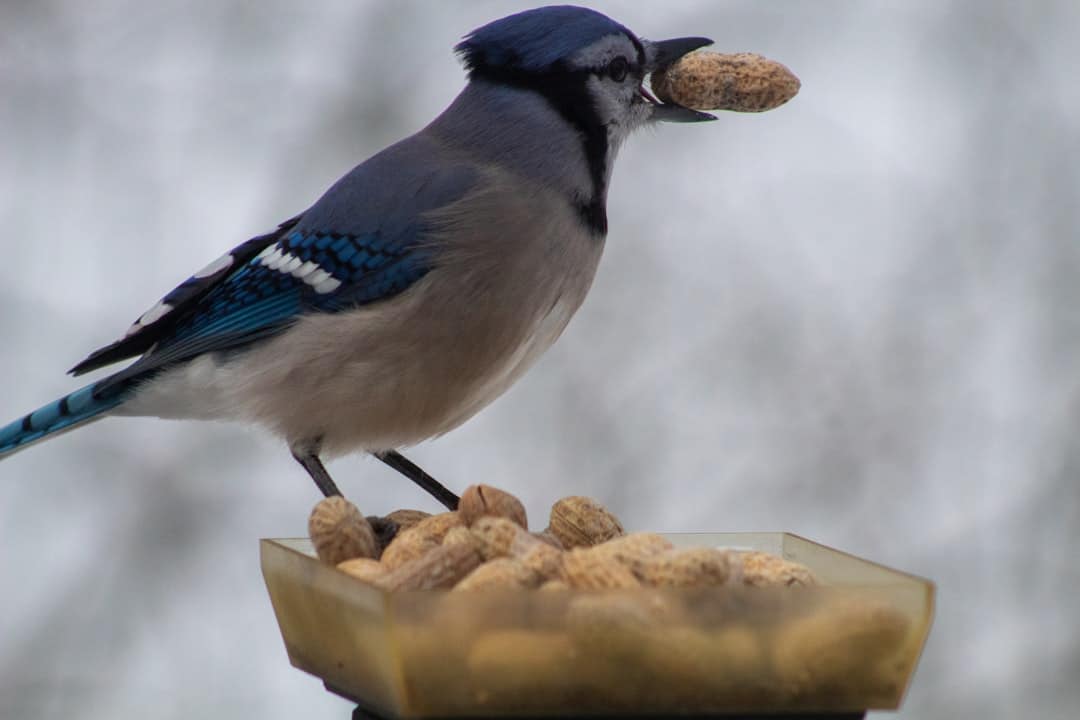
- Jays – They store nuts and crack them open when needed.
Adaptations For Handling Hard Shells
Birds that eat hard nuts have special body parts that help them handle tough shells. Their beaks are very strong and shaped for cracking.
| Adaptation | Function |
| Strong, curved beaks | Crack and pry open hard shells |
| Powerful jaw muscles | Apply pressure to break nuts |
| Sharp claws | Hold nuts firmly in place |
| Tool use (in some species) | Help open tough nuts without damage |
Woodpeckers As Nutcrackers
Woodpeckers have a unique way of eating large hard-shelled nuts. They use their strong beaks and skulls to crack open tough shells. This helps them reach the nutritious seeds inside.
These birds are well known for their ability to break nuts that many other birds cannot open. Their special body parts make them excellent nutcrackers in the wild.
Strong Beaks And Skull Structure
Woodpeckers have strong, chisel-like beaks. Their beaks can hit hard surfaces without damage. The skull has extra thick bones that protect their brains from shocks. This design helps them crack nuts safely.
- Beaks are sharp and strong for drilling and cracking.
- Skulls have shock-absorbing structures.
- Muscles around the head are powerful for pecking.
- Tongues are long and sticky to pull out nut pieces.
Common Nut-feeding Woodpeckers
Several woodpecker species feed on large nuts. They use their beaks and skull strength to get food. Some species prefer different types of nuts depending on their habitat.
| Woodpecker Species | Preferred Nut Type | Region |
| Acorn Woodpecker | Acorns | Western North America |
| Red-bellied Woodpecker | Hickory nuts | Eastern North America |
| Black Woodpecker | Pine nuts | Europe and Asia |
Parrots And Macaws
Parrots and macaws are birds known for eating large nuts with hard shells. They have strong beaks to crack these tough nuts open. Their diet often includes different types of nuts found in the wild.
These birds live in tropical forests where many nut trees grow. They use their beaks to get the food they need to stay healthy and strong.
Powerful Beaks For Breaking Shells
Parrots and macaws have very strong, curved beaks. Their beaks can crack open hard shells that other birds cannot break. This helps them reach the soft, tasty nut inside.
The shape of their beaks gives them extra strength. They use their beaks like tools to peel, bite, and crush nuts. This skill is important for their survival.
Favorite Nut Types
Parrots and macaws eat many kinds of nuts. Some of their favorite nuts have hard shells but are full of nutrients and energy.
- Brazil nuts
- Macadamia nuts
- Hickory nuts
- Walnuts
- Cashews
These nuts provide fats and proteins that help parrots and macaws stay healthy. Their strong beaks let them enjoy these tough foods daily.

Credit: www.birdwatchingdaily.com
Nuthatches And Their Techniques
Nuthatches are small birds known for eating large, hard-shelled nuts. They use smart ways to open these tough nuts. Their techniques help them get the food inside.
These birds are quick and clever. They use parts of trees and their strong beaks to crack open nuts. Watching them shows how animals adapt to their food sources.
Using Tree Bark To Crack Nuts
Nuthatches often use tree bark as a tool to open nuts. They wedge the nut into crevices in the bark. Then they hit the nut with their beak until it breaks open.
- Find a piece of bark with cracks or grooves
- Place the nut firmly inside the crack
- Strike the nut with the beak several times
- Pick out the nut meat after the shell breaks
Behavioral Adaptations
Nuthatches show special behaviors to handle hard nuts. They are patient and use careful movements. Their feet help them hold nuts steady while they work.
| Behavior | Purpose |
| Wedge nuts in bark | Keep nuts steady |
| Use sharp beak strikes | Break hard shells |
| Hold nuts with feet | Prevent slipping |
| Store extra nuts | Eat later in winter |
Crows And Jays
Crows and jays are smart birds that can eat large hard-shelled nuts. They use special skills to open these tough nuts. These birds are often seen cracking nuts with tools or hard surfaces.
These birds live in forests and parks. They choose nuts like acorns, walnuts, and chestnuts. Their strong beaks and clever minds help them get to the tasty inside.
Tool Use In Nut Cracking
Crows and jays use tools to crack nuts open. They pick up stones or sticks to hit the nuts. Sometimes, they drop nuts on hard roads to break the shell.
- Pick up a hard object like a stone
- Place the nut on a solid surface
- Hit or drop the nut to break the shell
- Eat the soft nut inside
Intelligence Behind Nut Consumption
These birds show strong intelligence when eating nuts. They remember places to store nuts for later. They plan how to open nuts using the best method.
| Behavior | Description |
| Tool Use | Using stones or sticks to crack nuts |
| Memory | Remembering where nuts are hidden |
| Problem Solving | Choosing the right tool or spot to open nuts |
| Planning | Saving nuts for future use |
Physical Traits For Nut Cracking
Some birds can eat large hard shelled nuts. They have special body parts that help crack these nuts easily. Their beaks and jaws are strong and shaped for this task.
These physical traits give birds the power to break tough shells and reach the food inside. Let’s explore how their beak shape and jaw design help them.
Beak Shape And Strength
Birds that eat hard nuts have thick, strong beaks. These beaks are usually short and wide. This shape helps apply great pressure on the nut shell.
The beak’s tip is often sharp or pointed. This helps birds crack the shell by hitting or piercing it. The strong beak acts like a tool to open tough nuts.
- Short and wide beaks for strong grip
- Thick beak structure to resist breaking
- Sharp tips to crack or pierce shells
- Beak strength allows high bite force
Jaw Muscles And Skull Design
Strong jaw muscles help birds bite down hard on nuts. These muscles are larger and more powerful than in other birds. They give extra force to crush hard shells.
The skull is shaped to support these muscles. It is often thick and robust. This design protects the bird’s head during strong biting actions.
- Large jaw muscles provide strong bite force
- Robust skull supports muscle attachment
- Skull thickness protects from cracking
- Muscle and skull work together for cracking nuts
Nut Types Preferred By Birds
Many birds enjoy eating nuts as part of their diet. Nuts provide important fats and proteins that birds need. Some birds prefer nuts with hard shells.
This article looks at the types of hard-shelled nuts birds eat. It also explores how nut availability changes by region.
Hard-shelled Nuts In Diets
Birds like woodpeckers, jays, and nuthatches often eat nuts with tough shells. They have strong beaks to crack these shells open. Common hard-shelled nuts include walnuts, acorns, and hickory nuts.
- Walnuts provide high energy and fats.
- Acorns are rich in carbohydrates and fats.
- Hickory nuts have a tough shell and nutritious kernel.
- Chestnuts are softer but still have a protective shell.
- Pine nuts come from cones and are popular with some birds.
Regional Variations In Nut Availability
Nut availability varies widely depending on the region. Different trees grow in different areas. This affects what nuts birds can find and eat.
| Region | Common Hard-Shelled Nuts | Bird Species |
| North America | Walnuts, Hickory nuts, Acorns | Woodpeckers, Jays, Nuthatches |
| Europe | Hazelnuts, Chestnuts, Acorns | Jays, Tits, Woodpeckers |
| Asia | Chestnuts, Walnuts, Pine nuts | Nutcrackers, Jays, Grosbeaks |
| South America | Brazil nuts, Cashews | Toucans, Parrots |
Feeding Strategies And Habits
Some birds eat large hard-shelled nuts as part of their diet. They use special feeding strategies to access the food inside. These strategies help them break or open tough shells.
Understanding how these birds store and process nuts shows their smart habits. It helps us learn about their survival skills and feeding behavior.
Storing And Hiding Nuts
Many birds hide nuts to eat later. They bury or hide them in tree bark or soil. This behavior helps them save food for times when nuts are scarce.
- Scatter hoarding: Birds hide nuts in many places.
- Cache protection: Some birds guard their food stores.
- Memory use: Birds remember where they hid nuts.
- Food sharing: Sometimes birds share stored nuts with mates.
Nut Processing Methods
Birds use different methods to open hard shells. They have strong beaks or use tools. These methods help them get to the edible parts inside the nut.
| Method | Description |
| Cracking | Using beak to break the shell open. |
| Hammering | Striking nuts against hard surfaces. |
| Peeling | Removing shell pieces with beak tips. |
| Tool Use | Using sticks or stones to open nuts. |
Impact On Ecosystems
Birds that eat large hard shelled nuts play an important role in nature. They help spread seeds and support plant growth. This affects many parts of the ecosystem.
By eating these nuts, birds help trees grow in new places. This keeps forests healthy and strong. Their actions help other animals and plants too.
Seed Dispersal Through Nut Consumption
Birds eat nuts and carry them far from the tree. Sometimes they drop the nuts or forget where they hid them. This helps seeds spread to new areas.
Not all nuts get eaten right away. Some birds store nuts in the ground. These stored nuts can grow into new trees if left alone.
- Birds move nuts to new locations
- Some nuts are buried and forgotten
- Seeds can grow into new plants
Role In Forest Regeneration
Birds that eat hard nuts help forests grow back after damage. They spread seeds to empty spaces where new trees can grow. This keeps the forest alive.
New trees provide homes and food for many animals. This creates a healthy and balanced forest ecosystem. Birds help keep this cycle going.

Credit: www.birdwatchingdaily.com

Credit: www.birdwatchingdaily.com
Frequently Asked Questions
What Birds Can Crack Large Hard-shelled Nuts?
Birds like macaws, woodpeckers, and jays have strong beaks. They can crack open tough nuts like Brazil nuts and coconuts easily.
Why Do Some Birds Prefer Hard-shelled Nuts?
Hard-shelled nuts provide high energy and nutrients. Birds with strong beaks rely on these nuts for a rich food source.
How Do Birds Crack Open Tough Nuts?
Birds use their powerful beaks to chip away shells. Some drop nuts from heights to break them open on rocks.
Are Large Hard-shelled Nuts Common In Birds’ Diets?
Yes, many nut-eating birds rely on these nuts. They form a crucial part of their diet, especially in tropical forests.
Conclusion
Birds that eat large hard-shelled nuts have strong beaks. These birds crack open nuts with ease. Examples include macaws, cockatoos, and woodpeckers. They play an important role in spreading seeds. Watching them can be fun and educational. Knowing which birds eat nuts helps in birdwatching.
It also helps when feeding wild birds safely. Nature is full of surprises, like these smart nut eaters. Keep an eye out for them in your area. They show how animals adapt to their food.