Caring for a baby bird can be both a heartwarming and challenging experience. You’ve found yourself wondering, “Can you feed a baby bird live worms?” This question might have popped into your mind as you watched the tiny creature, hoping to provide the best nourishment.
You’re not alone. Many bird lovers and rescuers face this dilemma, and getting it right can make all the difference for the little one in your care. As you read on, you’ll discover not just the answer to this question, but also the secrets to ensuring your feathered friend grows up healthy and strong.
With the right guidance, you’ll feel confident in your role as a temporary bird parent. So, let’s dive in and uncover what’s best for your tiny, chirping companion.
Feeding Baby Birds
Feeding baby birds needs care and knowledge. Their diet in the wild helps them grow strong.
Many people wonder if live worms are good food for baby birds. Let’s explore their natural diet and the benefits of live worms.
Natural Diet Of Baby Birds
Baby birds eat food rich in protein and easy to digest. Their diet changes as they grow.
- Insects like caterpillars and beetles
- Worms and grubs found in soil
- Soft fruits and berries
- Regurgitated food from parent birds
- Small seeds and grains for some species
Benefits Of Live Worms
Live worms provide essential nutrients and help baby birds develop strong muscles.
| Benefit | Description |
| High Protein | Supports growth and feather development |
| Easy to Digest | Soft body helps with digestion in young birds |
| Natural Movement | Stimulates hunting instincts and feeding response |
| Rich in Moisture | Keeps baby birds hydrated |
Credit: pethelpful.com
Choosing The Right Worms
Feeding a baby bird live worms can help it grow strong. Picking the right worms is very important for the bird’s health.
Not all worms are safe to feed. Some worms can harm the baby bird or cause illness.
Types Of Worms Safe For Birds
Some worms are good food for baby birds. These worms provide nutrients and are easy to digest.
- Earthworms – Common and safe for most birds
- Mealworms – A good source of protein
- Nightcrawlers – Larger earthworms, also safe
- Red wigglers – Used in compost, safe for birds
Make sure the worms come from a clean place. Avoid worms that live in polluted soil.
Avoiding Harmful Worms
Some worms can carry parasites or chemicals. These worms can make the baby bird sick.
- Avoid worms from gardens treated with pesticides
- Do not feed worms found near roads or trash
- Steer clear of worms that look slimy or unhealthy
- Do not feed large worms that the baby bird cannot swallow
Always wash live worms before feeding. This helps remove dirt and harmful bacteria.
How To Feed Live Worms
Feeding live worms to baby birds can help them get the nutrition they need. It is important to feed them carefully to avoid harm.
Understanding how to prepare and offer worms makes feeding safe and effective for baby birds.
Preparing Worms For Feeding
Before feeding, make sure the worms are clean and healthy. Rinse them gently in water to remove dirt.
Cut large worms into small pieces to fit the baby bird’s mouth. Avoid feeding worms that are too big.
- Use fresh, live worms only
- Rinse worms in clean water
- Cut large worms into small parts
- Remove any dead worms
Feeding Techniques For Baby Birds
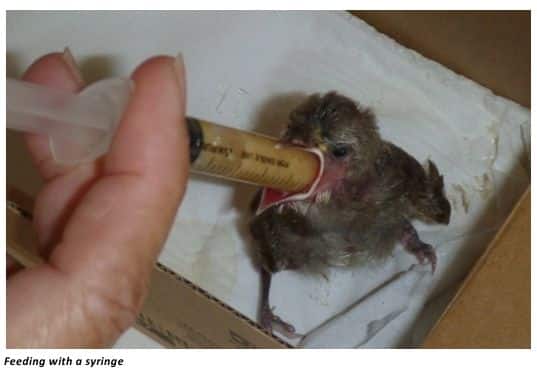
Hold the baby bird gently and use tweezers or fingers to offer the worm pieces. Be slow and careful.
Place the worm near the bird’s beak. Let the bird open its mouth to take the food. Do not force-feed.
- Hold bird gently but securely
- Offer small worm pieces with tweezers
- Place worm near open mouth
- Feed slowly and watch the bird’s response
- Stop if the bird shows signs of stress

Credit: www.reddit.com
Safety Precautions
Feeding a baby bird live worms can help it grow strong. It is important to follow safety rules. These rules protect both you and the bird.
This guide explains how to handle worms safely and watch the bird’s health closely.
Handling Worms Hygienically
Worms can carry germs that harm birds and humans. Clean hands and tools are a must before and after handling worms.
- Wash your hands with soap and water.
- Use clean tweezers or gloves to pick up worms.
- Keep worms in a clean container.
- Do not use worms from polluted areas.
- Dispose of leftover worms safely after feeding.
Monitoring Bird’s Health
Check the baby bird after feeding to make sure it stays healthy. Watch for any signs of sickness or discomfort.
| Sign | What It Means |
| Weak or floppy movements | Possible illness or lack of energy |
| Refusal to eat | May be sick or stressed |
| Swollen eyes or feathers | Could indicate infection |
| Frequent crying or distress | Needs immediate attention |
Alternative Food Options
Feeding baby birds can be tricky if live worms are not available. You can use other foods that provide good nutrition and are safe for young birds.
It is important to choose foods that mimic what baby birds eat in the wild. This helps them grow healthy and strong.
Commercial Baby Bird Food
Many pet stores sell special baby bird food. This food is made to meet the needs of growing birds. It often comes as powder or pellets.
- Powdered food that mixes with water
- Pellets designed for baby birds
- Ready-made formulas with vitamins
- Easy to digest and nutrient rich
Homemade Food Recipes
You can also make food at home using simple ingredients. This can be helpful if commercial options are not nearby.
| Ingredient | Purpose | Preparation |
| Boiled Egg Yolk | High protein source | Mash finely before feeding |
| Soaked Dog or Cat Kibble | Provides energy and nutrients | Soak until soft and mash |
| Mashed Fruits (Banana, Apple) | Source of vitamins | Remove seeds, mash smooth |
| Cooked Rice or Oatmeal | Easy to digest carbohydrates | Cook soft and cool before feeding |
/https://tf-cmsv2-smithsonianmag-media.s3.amazonaws.com/filer_public/46/13/4613c11d-cbbe-4b0c-a83b-0d130e8ec928/starling1.jpg)
Credit: www.smithsonianmag.com
When To Seek Expert Help
Feeding a baby bird live worms can help, but sometimes the bird needs more care. Knowing when to get help is important for the bird’s health.
Look for signs that the baby bird is not well. If you see these signs, contact a wildlife expert quickly.
Signs Of Malnutrition
Malnutrition in baby birds can be serious. Watch for these signs that show the bird needs help:
- Weak or slow movements
- Feathers look ruffled or sparse
- Bird seems very quiet or does not call for food
- Sunken eyes or dry skin around the beak
- Little or no weight gain over time
Contacting Wildlife Rehabilitators
If you see signs of malnutrition, reach out to a wildlife rehabilitator. They have the skills to care for baby birds properly.
| How to Contact | What to Tell Them |
| Phone | Describe the bird’s condition and location |
| Send photos and details about the bird | |
| Visit | Bring the bird safely in a small box with air holes |
Frequently Asked Questions
Can Baby Birds Safely Eat Live Worms?
Yes, baby birds can eat live worms as they are natural food. Worms provide essential proteins and nutrients for growth. Always ensure worms are clean and free from pesticides or harmful substances before feeding.
How Often Should You Feed Baby Birds Live Worms?
Feed baby birds live worms every 15-20 minutes during daylight hours. This frequent feeding mimics natural parental care. Adjust feeding based on the bird’s age and hunger cues to promote healthy development.
Are Live Worms Better Than Other Baby Bird Foods?
Live worms are excellent because they are natural and nutritious. They offer proteins and moisture crucial for baby birds. However, a varied diet including insects and soft fruits supports balanced nutrition.
What Types Of Worms Are Safe For Baby Birds?
Earthworms and mealworms are safe and commonly fed to baby birds. Avoid worms that may carry parasites or harmful chemicals. Always source worms from clean, pesticide-free environments to ensure safety.
Conclusion
Feeding a baby bird live worms can be safe if done carefully. Worms provide good protein and nutrients for growth. Always check the size of the worm before feeding. Small, soft worms are easier for baby birds to eat. Avoid feeding too many worms at once.
Clean hands and a gentle touch help prevent harm. Watching the bird’s reaction shows if it likes the food. Feeding baby birds with care helps them grow strong and healthy. Choose natural food sources and observe the bird’s needs closely.