What Type of Bird Makes Noise at Night? Learn Bird Calls Fast
Have you ever been woken up by strange bird sounds in the middle of the night? You’re not alone.
Many people wonder, "What type of bird makes noise at night? " Understanding these nighttime calls can help you feel more connected to nature and even calm your curiosity. You’ll discover which birds sing after dark and why they do it.
Understanding what type of bird makes noise at night is key to appreciating their calls and the ecosystem.
By the end, you’ll be able to identify those mysterious night sounds and maybe even enjoy them. Ready to learn what’s behind those nighttime bird calls? Keep reading!
Credit: owlcation.com
Common Nighttime Bird Calls
Many birds make sounds at night. These calls help them find mates, mark territory, or warn of danger. Nighttime bird calls can be both mysterious and beautiful.
Identifying what type of bird makes noise at night can enhance your nighttime adventures.
Different birds have unique calls. Some are loud and clear, while others are soft and repeated. Let’s explore some common birds that make noise at night.
Owls: Masters Of The Night
Owls are well-known for their nighttime hoots. Their calls can sound deep and eerie. These calls help owls communicate with each other in the dark.
Fascinated by what type of bird makes noise at night? Owls are the ultimate nocturnal singers.
Each owl species has a different hoot. Some sound like “hoo-hoo,” while others have shorter or sharper calls. Owls use these sounds to claim their space or find mates.
Nightingales And Their Songs
Nightingales sing beautiful and complex songs at night. Their melodies are loud and clear. People often hear nightingales in spring and early summer.
When considering what type of bird makes noise at night, nightingales are a prime example.
Their songs include many notes and whistles. Nightingales sing to attract mates and to mark their territory. Their voices brighten the quiet night air.
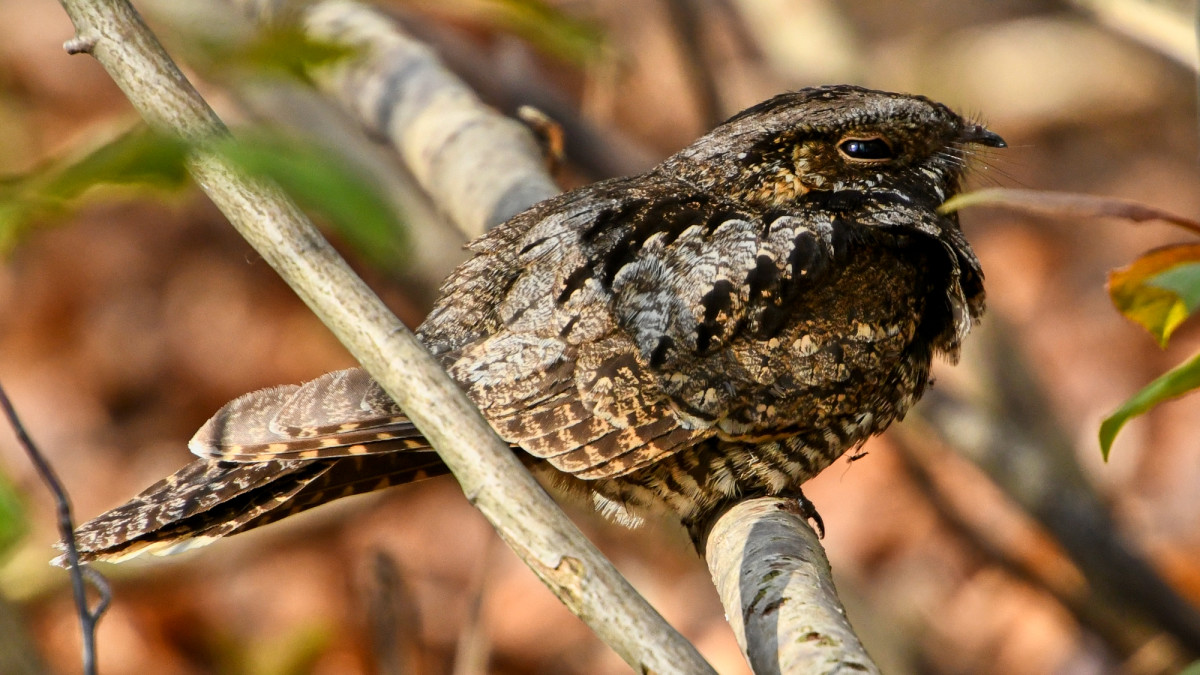
Whip-poor-wills: The Repeating Call
Whip-poor-wills make a very clear, repeating call. The sound often repeats the words “whip-poor-will” many times. This bird’s call is easy to recognize at night.
Wondering what type of bird makes noise at night? Whip-poor-wills are known for their unique calls.
These birds call to keep in touch with others and to defend their area. Their voice can be heard in forests and open woods during warm months.
- Call sounds like: “whip-poor-will”
- Repeats many times in a row
- Heard in forested areas
- Active mostly in spring and summer
Chuck-will's-widow Sounds
Chuck-will's-widow has a soft, rhythmic call. It sounds like the bird is saying its name slowly. The call goes “chuck-will's-widow” with pauses between words.
One intriguing detail about what type of bird makes noise at night is the variety of their calls.
This bird uses its call to talk to mates and warn others. Chuck-will's-widows live in wooded areas and are mostly active at night.
Why Birds Call At Night
Birds make sounds at night for many reasons. These calls help them survive and thrive. Nighttime calls are not random but serve important purposes.
Learning about what type of bird makes noise at night can deepen your connection with nature.
Understanding why birds call at night helps us learn about their behavior. These sounds can signal many things, from finding mates to avoiding danger.
Mating And Territory
Many birds sing at night to attract mates. They also use calls to mark their territory and warn other birds to stay away. Night calls can be louder and clearer because there is less noise.
Many birdwatchers seek to discover what type of bird makes noise at night during their outings.
- Attracting a mate by showing strength and health
- Claiming a space to live and find food
- Keeping rivals away with loud calls
Navigation And Communication
Some birds call at night to help with navigation. Their calls guide them while flying in the dark. They also use sounds to communicate with family or group members.
Understanding what type of bird makes noise at night can reveal insights into their behavior.
| Purpose | Description |
| Navigation | Calls help birds find their way in the dark. |
| Group Communication | Birds use sounds to stay connected with others. |
| Location Signaling | Calls show where a bird is to its group. |
Predator Avoidance
Birds call at night to warn others about predators. These calls can scare off threats or alert nearby birds to hide. Some birds also use quiet calls to avoid drawing attention.
Ways birds avoid predators at night:
- Alarm calls to warn of danger
- Silent movements to stay hidden
- Group calls to confuse predators
Identifying Night Birds By Sound
Identifying what type of bird makes noise at night can be an exciting challenge for nature enthusiasts.
Many birds make sounds at night. These noises help us know which birds live near us.
Listening to bird calls can tell us about their habits and types. Night birds have special sounds.
Key Call Characteristics
Each night bird has unique calls. Some calls are hoots, while others are whistles or clicks.
Pay attention to the sound’s pitch, length, and pattern. These features help identify the bird.
- Owls often hoot with low, deep sounds
Many people ask what type of bird makes noise at night when they hear unfamiliar sounds.
- Nightingales sing clear, melodic notes
- Chuck-will's-widows make repeated clicking sounds
- Whip-poor-wills call with fast, repeated phrases
Using Apps And Tools
There are apps that help identify night birds by their sounds. You can record and compare calls easily.
Some apps show bird call libraries. You can listen and match the sounds you hear outside.
- Apps offer sound recognition features
- They provide bird call examples
- Some apps work offline in remote areas
- Many apps allow saving your recordings
If you’re curious about what type of bird makes noise at night, consider using bird call identification apps.
Recording And Analyzing Calls
Use a good microphone or phone to record bird sounds at night. Record in quiet places for clear sounds.
Listen to your recordings several times. Note details like rhythm and tone to help identify the bird.
- Keep the microphone steady
- Record several calls for better analysis
- Use slow playback to hear details
- Compare with known bird calls
Credit: nationalzoo.si.edu
Regional Variations In Nocturnal Bird Calls
Birds make different sounds at night depending on where they live. Night calls help birds communicate in the dark. These calls can warn of danger or attract mates.
Each region has unique bird species that sing or call at night. Understanding these sounds helps us learn about local wildlife.
North American Night Callers
To identify what type of bird makes noise at night, focus on their distinct calls and sounds.
In North America, owls are the most common night callers. Their hoots are easy to recognize. Other birds like nightjars and whip-poor-wills also call at night.
These birds use sounds to mark territory or find mates. Their calls vary by region and season.
- Barred Owl: Deep hoots, mostly in forests
- Eastern Whip-poor-will: Repeated "whip-poor-will" call
- Common Nighthawk: Sharp nasal calls during flight
European Night Birds
In your explorations, ponder what type of bird makes noise at night in various environments.
Europe has many night birds with soft, haunting calls. Tawny owls and nightjars are well-known for their sounds. These birds use calls to communicate in dark forests and fields.
Some birds sing to defend nesting areas. Others call to find partners during breeding season.
- Tawny Owl: Classic "hoot hoot" sound
- European Nightjar: Churring and clicking noises
- Little Owl: High-pitched, repetitive calls
Tropical And Subtropical Species
Tropical regions have many night birds with diverse calls. Frogs and insects add to the night sounds. Night birds like potoos and oilbirds produce unique calls.
Inquiring minds often wonder, what type of bird makes noise at night in tropical regions?
These birds often live in dense forests. Their calls help them stay in touch in thick vegetation.
- Potoo: Low, mournful whistles
- Oilbird: Echoing clicks and whistles
- Great Horned Owl: Deep, loud hoots
Tips For Night Birdwatching
As you continue your journey in birdwatching, consider what type of bird makes noise at night.
Many birds make sounds at night. Listening to them can be fun and peaceful.
You need to know the right places and times. Also, bring good tools and stay safe.
Best Times And Locations
The best time to hear night birds is just after sunset or before sunrise. Many birds are active then.
- Choose quiet places away from city lights
- Look near water or forests where birds gather
- Stay still and listen carefully for calls
Equipment For Night Listening
Use the right tools to hear and identify night birds clearly.
| Equipment | Purpose |
| Binoculars | See birds without disturbing them |
| Flashlight with red filter | Light path without scaring birds |
| Audio recorder | Record bird calls for later study |
| Notebook and pen | Write notes about sightings and sounds |
Safety Precautions
Night birdwatching needs care to avoid accidents and stay safe.
- Tell someone where you will be and your return time
- Carry a fully charged phone for emergencies
- Wear bright or reflective clothes to be seen by others
- Watch your step and move slowly on uneven ground
- Bring insect repellent and water to stay comfortable
Credit: pethelpful.com
Frequently Asked Questions
What Birds Commonly Make Noise At Night?
Owls, nightjars, and whip-poor-wills are common nocturnal birds that make noise. Their calls serve communication and territorial purposes during nighttime.
Why Do Some Birds Call At Night?
Birds call at night to attract mates, defend territory, or signal danger. Nighttime calls also help them navigate and locate other birds in the dark.
Are Night Bird Sounds Harmful Or Scary?
No, night bird sounds are natural and harmless. They contribute to the ecosystem by controlling insects and maintaining balance.
Understanding what type of bird makes noise at night is essential for any birdwatcher.
How To Identify Birds Making Noise At Night?
Listen for distinctive calls like the hoot of owls or repetitive whistle of whip-poor-wills. Use bird guide apps or recordings for accurate ID.
Conclusion
Birds singing at night create a mysterious symphony. Owls, nightingales, and whip-poor-wills are usual performers. Each bird has a unique call. These nighttime sounds can be soothing or eerie. They offer a connection to nature's night life. Understanding these birds enriches your outdoor experiences.
Embracing the question of what type of bird makes noise at night can enhance your outdoor experiences.
Next time you hear them, pause and listen. Appreciate the beauty of their nighttime melodies. Their songs remind us of nature's wonders. Explore more to learn about these fascinating creatures. Enjoy the peacefulness they bring to the night.
Next time you hear night sounds, think about what type of bird makes noise at night and enjoy the melodies.