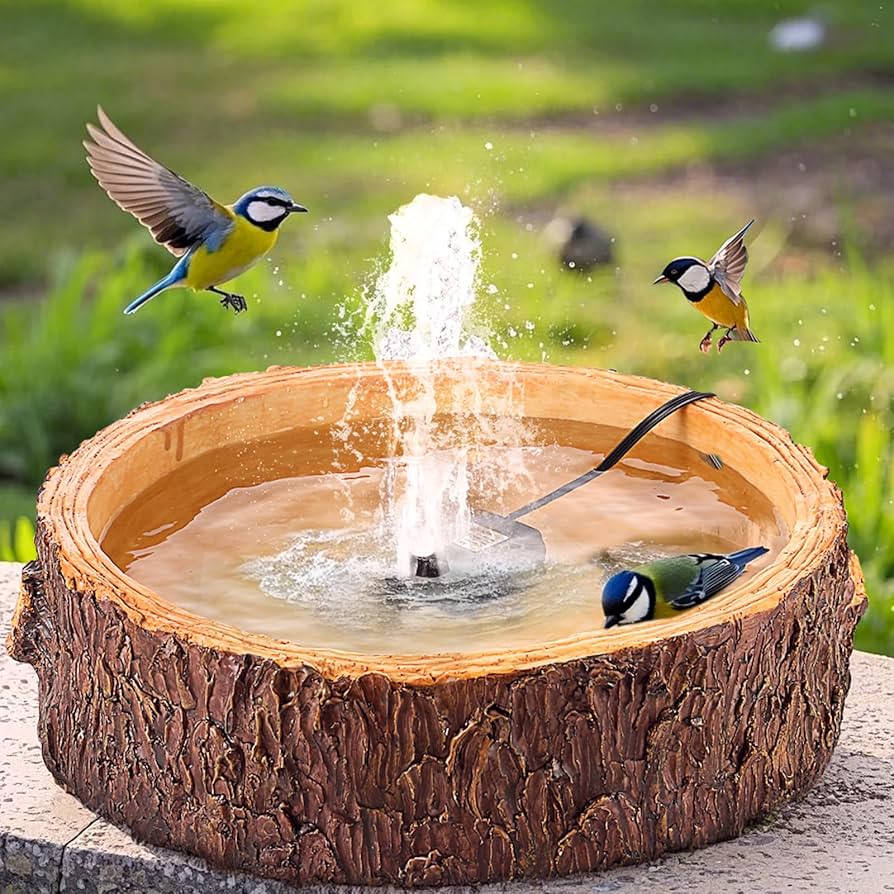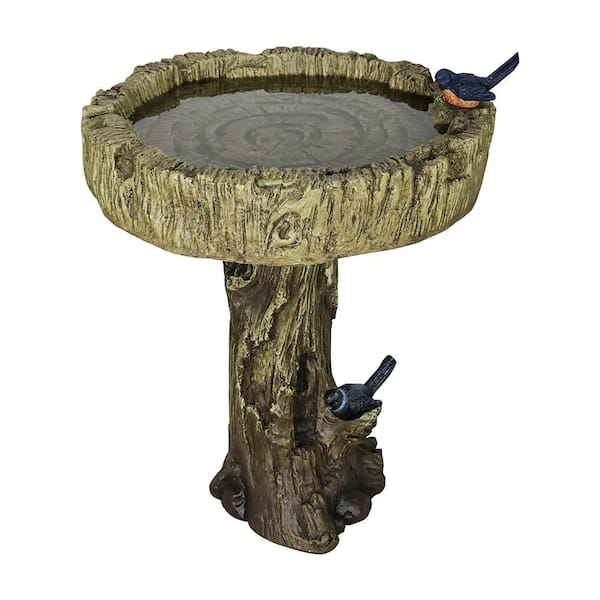
Have you ever wondered what a bird bath is and why it might be a great addition to your garden or backyard? A bird bath is more than just a simple water dish for birds—it’s a small oasis that invites nature right to your doorstep.
Imagine watching colorful birds splash and play, bringing life and joy to your outdoor space. You’ll discover exactly what a bird bath is, how it works, and why it’s worth having one. By the end, you’ll see how easy it is to create a peaceful retreat that benefits both you and the birds around you.
Keep reading to learn how a bird bath can transform your outdoor experience.
What Is A Bird Bath
A bird bath is a shallow basin filled with water. Birds use it for drinking and bathing. It helps them stay clean and cool.
People place bird baths in gardens to attract birds. Watching birds can be relaxing and fun.
Types Of Bird Baths
There are many types of bird baths. Each type fits different spaces and needs.
- Pedestal bird baths stand on a tall base. They are easy to see.
- Hanging bird baths hang from trees or hooks. They save ground space.
- Ground bird baths sit directly on the soil. They look natural.
- Wall-mounted bird baths attach to fences or walls. They fit small areas.
- Fountain bird baths have moving water. This attracts more birds.
Materials Used
Bird baths come in many materials. Each material affects weight and durability.
- Concrete is heavy and lasts a long time.
- Ceramic offers many colors and designs.
- Metal can be light but may heat up in sun.
- Plastic is lightweight and easy to move.
- Stone looks natural and is very durable.
Ideal Placement
Placing a bird bath well helps attract more birds. Safety and visibility are key.
- Place it near trees or shrubs for shelter.
- Keep it in a quiet spot away from pets.
- Choose a sunny place to keep water warm.
- Ensure the bath is visible for easy bird watching.
- Change water regularly to keep it clean.

Credit: www.outdoorescape.com.au
Benefits Of A Bird Bath
A bird bath is a shallow basin filled with water. It offers birds a place to drink and bathe. Installing one in your garden helps birds stay healthy and happy.
Bird baths also improve your outdoor space. They bring life and beauty to gardens. Many people enjoy watching birds visit their yards.
Attracting Different Bird Species
Bird baths attract many types of birds. Different species look for water sources to drink and clean themselves. A bird bath can bring a variety of birds to your garden.
Birds like robins, sparrows, finches, and bluebirds often visit bird baths. The water helps them stay cool and safe during hot days.
- Water attracts birds from nearby areas
- Bird baths encourage birds to visit regularly
- Different designs attract different species
Supporting Bird Health
Bird baths provide clean water for birds to drink. Drinking fresh water keeps birds hydrated and healthy. Bathing helps birds remove dirt and parasites from their feathers.
Regular access to water improves birds' survival chances. It also supports their ability to fly and stay warm during cold seasons.
- Drinking water prevents dehydration
- Bathing removes harmful parasites
- Clean feathers help with temperature control
Enhancing Garden Aesthetics
Bird baths add beauty to any garden. They come in many styles, shapes, and colors. A well-placed bird bath becomes a focal point in the yard.
Watching birds bathe and drink creates a peaceful garden atmosphere. Bird baths also attract other wildlife, like butterflies and bees.
- Decorative designs boost garden charm
- Water reflections add visual interest
- Encourages wildlife activity and sounds
Choosing The Right Bird Bath
A bird bath gives birds a place to drink and bathe. Picking the right one helps attract more birds to your garden.
Think about size, shape, and material before buying. Your choice affects how easy it is to use and clean.
Size And Shape Considerations
Choose a bird bath size that fits your space. Larger baths hold more water and attract more birds.
Shape matters for bird comfort. Shallow bowls with gentle slopes are best for small birds.
- Depth should be 1 to 2 inches for safety
- Wide rims give birds room to land
- Flat bottoms prevent water from draining too fast
Material Pros And Cons
Materials affect durability and maintenance. Some materials keep water cool, others may crack or fade.
Choose a material that suits your climate and budget. Each has strengths and weaknesses to think about.
- Concrete:Heavy and stable, but can crack in cold weather
- Ceramic:Attractive and smooth, but can break easily
- Metal:Durable and stylish, may get hot in sun
- Plastic:Lightweight and cheap, may fade or crack
- Stone:Natural look, very durable but often costly
Budget Options
You can find bird baths for many budgets. Look for options that last and are easy to clean.
Low-cost bird baths work well but may need replacing sooner. Higher-priced ones offer longer use.
- Plastic baths are the most affordable
- Concrete and stone last longer but cost more
- Check local stores for sales or secondhand options
- DIY bird baths can save money and add charm
Setting Up Your Bird Bath
A bird bath gives birds a place to drink and clean their feathers. Setting it up right helps birds visit often.
Choose a good spot, keep birds safe, and add comfort features. These tips make your bird bath inviting.
Best Locations In Your Yard
Pick a spot that birds can find easily. Place the bird bath where sunlight can reach it.
Keep the bird bath near trees or shrubs. Birds like to have cover close by for safety.
- Sunny spots help keep water warm
- Near shrubs or trees for quick hiding
- Visible from windows for easy watching
- A flat, level surface to keep bath steady
Ensuring Safety From Predators
Place the bird bath away from places where cats or other predators can hide. Keep open views around it.
Use a shallow bath with gentle slopes. This helps birds escape quickly if danger appears.
- Keep the area clear of hiding spots for predators
- Use a raised bath to prevent ground attacks
- Clean water regularly to avoid diseases
- Do not place near dense bushes where predators lurk
Adding Features For Bird Comfort
Adding small stones or pebbles inside helps birds stand safely. Moving water attracts more birds.
Keep the bath clean and fresh. Add a drip or fountain to keep water flowing gently.
- Place flat stones for easy footing
- Install a small dripper or fountain
- Change water every few days
- Keep bath shaded during hot afternoons
Maintaining Your Bird Bath
A bird bath offers water for birds to drink and clean themselves. Keeping it clean helps birds stay healthy.
Regular care stops dirt and bugs from building up. It also keeps the water fresh and safe.
Cleaning Tips
Clean your bird bath every week. Use a brush and mild soap to scrub it well.
Rinse the bath with clean water. Avoid harsh chemicals that can harm birds.
- Empty the water before cleaning
- Scrub all surfaces gently
- Rinse thoroughly to remove soap
- Dry before refilling
Water Replacement Frequency
Change the water in your bird bath every two to three days. Fresh water attracts more birds.
If the water looks dirty or smells, replace it immediately. Clean water helps birds drink safely.
- Refill water every 2–3 days
- Replace water if cloudy or smelly
- Use fresh, clean water each time
Preventing Mosquito Breeding
Mosquitoes lay eggs in still water. Emptying your bird bath stops mosquitoes from growing.
Use a small fountain or dripper to keep water moving. This also helps keep the water clean.
- Empty water often to stop mosquito eggs
- Keep water moving with a fountain or dripper
- Remove leaves and debris from water

Credit: www.outdoorescape.com.au
Attracting Birds With Additional Elements
A bird bath invites birds to your garden. Adding extra features can bring even more birds.
Simple additions like feeders, plants, and shelter help birds feel safe and find food.
Using Bird Feeders And Plants
Bird feeders provide extra food near the bird bath. Different seeds attract different birds.
Plants offer food and a natural feel. Choose native plants with berries or seeds.
- Place feeders at safe distances from the bath
- Use sunflower seeds and millet for many birds
- Plant shrubs and flowers that produce seeds or berries
- Include plants that offer nectar for hummingbirds
Creating Shelter Nearby
Birds need places to hide from predators and bad weather. Shelters make them visit more.
Use trees, bushes, or small birdhouses close to the bath. Avoid spots too exposed.
- Tall shrubs and trees provide natural cover
- Birdhouses offer safe resting spots
- Dense plants help birds feel protected
- Keep shelters near but not blocking the bath
Seasonal Adjustments
Change your setup with the seasons. Birds’ needs change in cold or hot weather.
In winter, keep water from freezing. Add food that helps birds stay strong.
- Use heated bird baths to keep water liquid in winter
- Offer high-energy seeds like suet and peanuts
- Remove fallen leaves and debris in spring and fall
- Provide fresh water often in summer
Common Challenges And Solutions
Bird baths are great for attracting birds. They also need care to stay clean and useful. Some common problems can make it hard for birds to enjoy the bath.
Knowing how to fix these problems helps keep your bird bath safe and inviting. Here are some common challenges and easy solutions.
Dealing With Algae Growth
Algae can make bird baths slippery and dirty. It grows fast when the water is warm and still. Algae also makes the water look bad.
Cleaning the bird bath regularly stops algae from building up. Scrub the surface with a brush and rinse well. Changing the water often helps too.
- Use a scrub brush to clean the basin
- Replace water every few days
- Keep bird baths in shaded areas
- Add water treatments safe for birds
Keeping Water From Freezing
In cold weather, water in bird baths can freeze. Birds need fresh water even in winter. Frozen baths stop birds from drinking and bathing.
You can use a heater made for bird baths to keep water liquid. Another way is to change water often and break ice if it forms.
- Use a bird bath heater or de-icer
- Place the bath in sunny spots
- Change water daily in freezing weather
- Break ice gently if it forms
Discouraging Unwanted Wildlife
Sometimes animals like squirrels or cats use bird baths. They can scare birds away or damage the bath. You want to keep birds safe and comfortable.
Use simple ways to keep unwanted animals away. Place the bird bath where birds feel safe. You can add barriers that only small birds can pass.
- Use a bird bath pedestal to raise it up
- Add plants or bushes around for cover
- Install a wire mesh with small openings
- Keep the area clean to avoid attracting pests

Credit: www.birdfy.com
Frequently Asked Questions
What Is A Bird Bath Used For?
A bird bath provides birds with water for drinking and bathing. It helps keep birds clean and hydrated, promoting their health.
How Do Bird Baths Attract Birds?
Bird baths attract birds by offering fresh, clean water. Moving water or shallow basins increase their appeal to various bird species.
Where Should I Place A Bird Bath?
Place bird baths in a quiet, safe area visible to birds. Near trees or shrubs offers shelter and protection from predators.
How Often Should I Clean A Bird Bath?
Clean bird baths at least once a week. Regular cleaning prevents algae, bacteria, and mosquitoes, ensuring healthy water for birds.
Conclusion
Bird baths bring joy to both birds and humans. They offer birds a safe place to drink and bathe. Adding one to your garden can attract vibrant wildlife. It's a simple way to enhance your outdoor space. Regular cleaning ensures it's always inviting.
Choose a spot with some shade for comfort. Watch as birds flock to your backyard. Their presence can be both soothing and educational. A bird bath creates a lively, natural environment. Perfect for nature lovers and curious minds alike. Enjoy the delightful sights and sounds right at home.