Are you curious about when bird nesting season finally comes to an end? Whether you’re a nature lover, a gardener, or simply want to protect your feathered friends, knowing the right timing is important.
Understanding when birds finish nesting helps you avoid disturbing them and lets you plan outdoor activities without worry. You’ll discover exactly when bird nesting season is over and what signs to watch for. Keep reading to learn how to respect your local wildlife and enjoy nature safely.

Credit: www.npr.org
Bird Nesting Basics
Bird nesting season is the time when birds build nests, lay eggs, and raise their young. This period varies by species and location. Understanding nesting basics helps us protect birds and their homes.
Knowing when nesting season ends can guide outdoor activities to avoid disturbing birds. It also helps conservation efforts and birdwatching plans.
Common Nesting Periods
Most birds begin nesting in spring and end by late summer. Some species have one brood, while others raise multiple broods in a season.
- Songbirds usually nest from April to August.
- Waterfowl nest from March to July.
- Raptors often nest between February and July.
- Some tropical birds may nest year-round.
Factors Affecting Nesting Timing
Several factors change when birds start and end nesting. These depend on climate, food, and habitat conditions.
| Factor | Impact on Nesting |
| Temperature | Warm weather triggers nesting start |
| Food Availability | More food means longer nesting season |
| Day Length | Longer days encourage breeding activity |
| Predators | High predator presence may delay nesting |
| Habitat Quality | Good habitat supports more nesting attempts |
Signs Nesting Season Is Ending
Bird nesting season marks a busy time when birds build nests and raise their young. As the season ends, you can spot clear signs in bird behavior and nest condition. Recognizing these signs helps to know when birds are moving on.
Watch how fledglings grow, nests change, and birds act differently. These clues show nesting season is wrapping up.
Fledgling Development
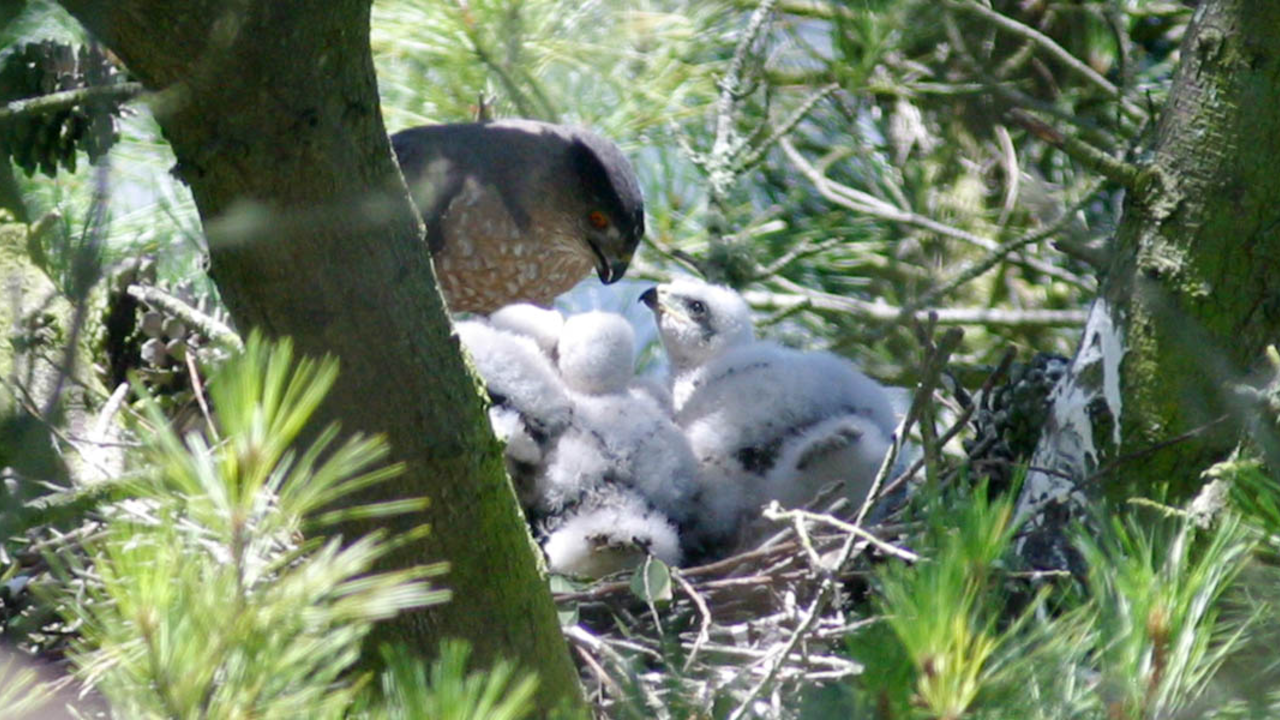
Fledglings start to leave the nest as they grow stronger. They learn to fly and find food on their own. When most young birds can fly well, it means nesting season is ending.
- Young birds leave the nest frequently
- Fledglings practice flying and hopping on branches
- Parents feed birds less often
- Birds explore farther from the nest
Nest Abandonment
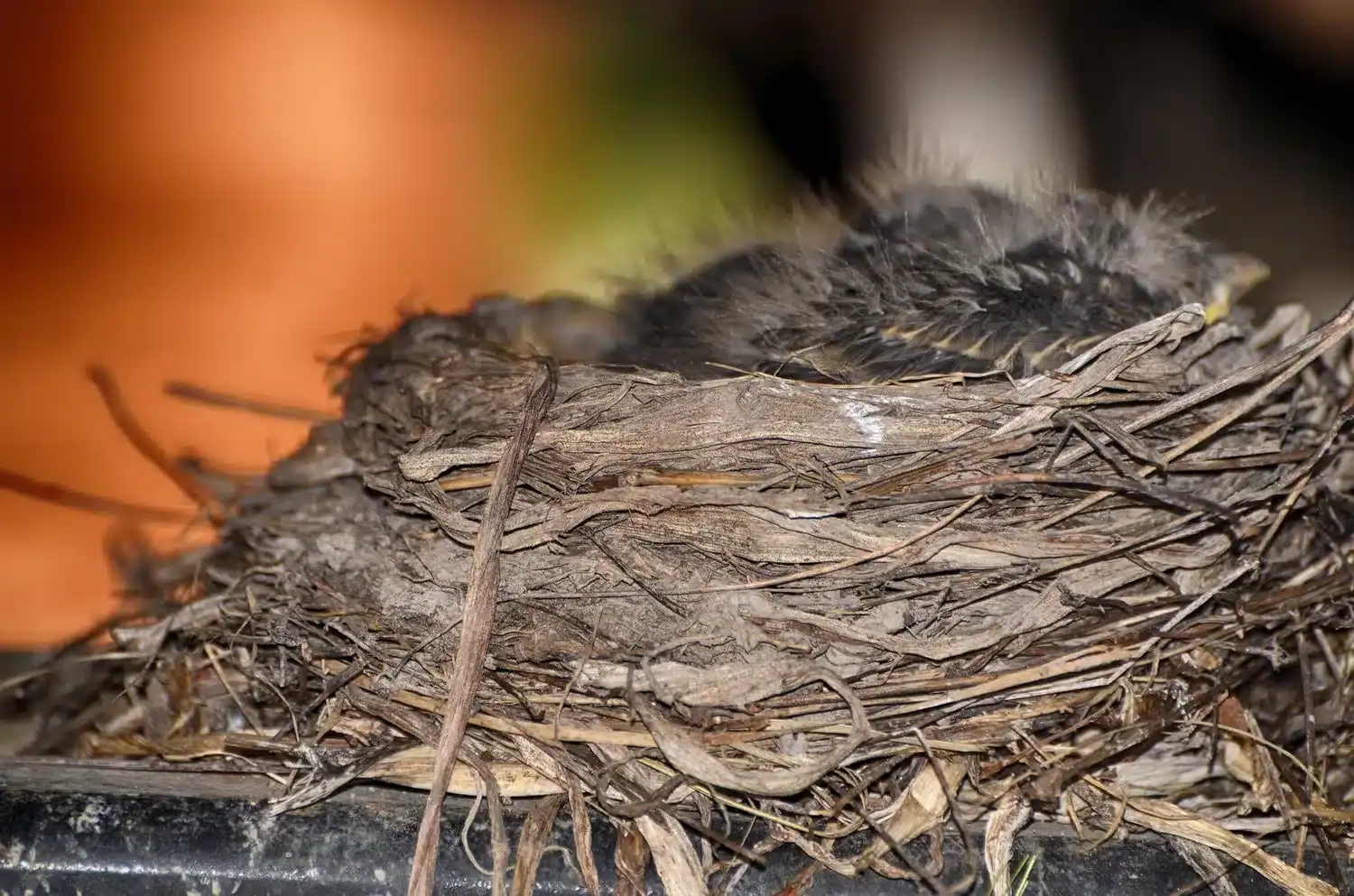
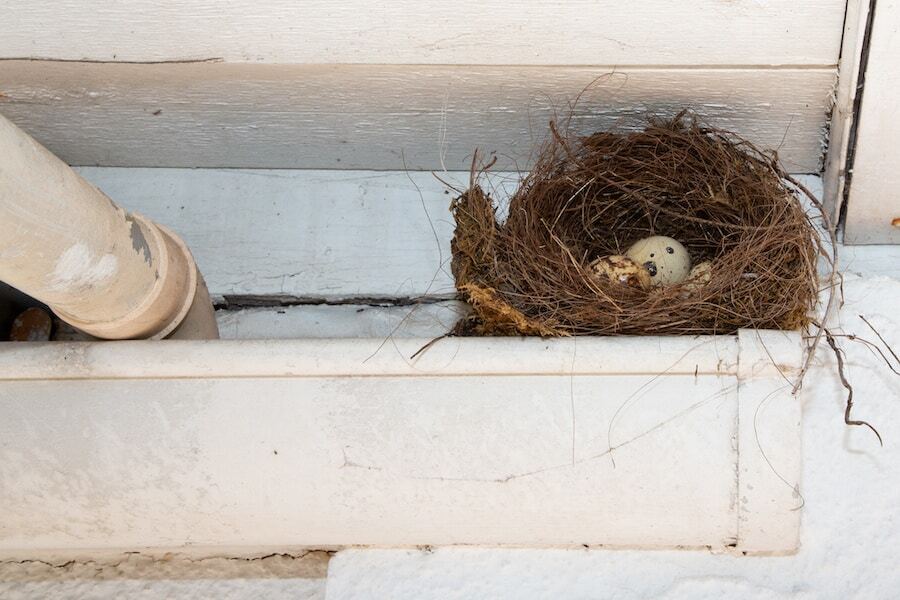
Nests become empty after the young birds leave. Old nests may look worn or damaged. Birds stop repairing or using the nest. This shows the nesting period is over.
| Condition | Meaning |
| Empty nest | Young have left |
| Broken twigs | No repairs ongoing |
| No fresh nesting material | Nesting activity ended |
| Quiet nest area | Parents and young are gone |
Changes In Bird Behavior
Birds act less protective around the nest. They spend less time nearby. Instead, they focus on finding food and resting. These behavior changes signal the season is ending.
- Parents no longer chase away intruders
- Birds sing less near the nest
- More time spent away from nesting areas
- Social groups may form as young join adults
Regional Variations In Nesting
Bird nesting seasons differ based on where the birds live. Climate and environment shape when birds lay eggs and raise chicks.
Understanding these regional differences helps us know when nesting ends in various places.
Nesting In Temperate Zones
In temperate zones, birds usually start nesting in spring. They raise their young through early summer.
Nesting often ends by late summer or early fall. Shorter days and cooler weather signal birds to stop nesting.
- Nesting begins: March to May
- Nesting ends: July to September
- Birds may have one or two broods per season
Nesting In Tropical Areas
Tropical birds can nest all year because the weather stays warm. They do not have a strict nesting season like temperate birds.
Some tropical birds nest during rainy seasons when food is more available. Others nest at different times depending on their species.
- Nesting can happen any month
- Often linked to rainfall patterns
- Birds may have several broods yearly
Impact Of Climate On Timing
Climate changes nesting times by affecting food and weather conditions. Warmer or colder seasons can shift when birds nest.
Birds may start nesting earlier in warmer years. Late cold snaps can delay nesting or harm eggs and chicks.
- Warmer temperatures can lengthen nesting seasons
- Extreme weather may reduce nesting success
- Changes in rainfall affect food availability
Protecting Birds During Nesting
Bird nesting season is a critical time for many species. During this period, birds build nests and raise their young. Protecting birds helps ensure their survival and supports local ecosystems.
Understanding how to protect birds during nesting can reduce harm. People can take simple actions to avoid disturbing nesting birds and support their habitats.
Avoiding Disturbance
Birds are sensitive during nesting. Disturbing them can cause parents to leave nests. This may lead to eggs or chicks being lost.
- Keep a safe distance from nests and nesting areas.
- Do not touch or move nests or eggs.
- Avoid loud noises near nesting sites.
- Keep pets away from areas where birds nest.
- Limit foot traffic in areas with active nests.
Legal Protections
Many countries have laws to protect birds during nesting. These laws make it illegal to harm or disturb nesting birds.
| Protection Type | Description |
| Bird Protection Acts | Ban harming or taking birds and nests. |
| Habitat Protection | Safeguard areas where birds nest. |
| Seasonal Restrictions | Limit activities during nesting season. |
Creating Bird-friendly Habitats
People can help birds by making safe places to nest. Providing food, water, and shelter attracts birds to your yard or community.
- Plant native trees and shrubs for cover and food.
- Install birdhouses or nesting boxes.
- Provide fresh water in birdbaths.
- Avoid using pesticides and chemicals.
- Leave leaf litter and dead wood for insects birds eat.
Monitoring Nesting Season
Bird nesting season is a special time for many species. People watch nests to learn about birds and their habits.
Knowing when nesting season ends helps protect birds and their young. Careful monitoring is important for their safety.
Using Technology To Track Nesting
Technology helps track nests without disturbing birds. Cameras and sensors can show when eggs hatch and chicks grow.
- Remote cameras capture nest activity day and night.
- Motion sensors alert when birds return to the nest.
- GPS trackers follow birds to find nesting areas.
Citizen Science Contributions
Many people join projects to watch and record bird nesting data. This helps scientists understand bird life better.
| Activity | How It Helps |
| Reporting nest locations | Maps bird habitats and nesting sites |
| Logging bird behaviors | Shows patterns in nesting and feeding |
| Sharing photos and videos | Provides visual proof of nesting stages |
Tips For Observing Without Interfering
Watching nests must be done carefully. Disturbing birds can harm their chance to raise young.
- Keep a safe distance from nests.
- Use binoculars to see birds clearly.
- Avoid touching eggs or nest materials.
- Limit time spent near nesting sites.
- Observe quietly without sudden movements or loud sounds.
Credit: www.callnorthwest.com
Credit: www.parksconservancy.org
Frequently Asked Questions
When Does Bird Nesting Season Typically End?
Bird nesting season usually ends by late summer or early fall. Most birds finish raising chicks by August or September. Timing varies by species and location. Cooler weather signals the end of nesting activities. This period allows birds to prepare for migration or winter.
How Long Does Bird Nesting Season Last?
Bird nesting season lasts about three to four months. It generally starts in early spring and ends in late summer. Some species may nest earlier or later depending on climate. This duration gives birds enough time to lay eggs and raise their young safely.
Can Nesting Birds Return To The Same Site Next Year?
Yes, many birds return to the same nesting sites annually. They prefer familiar locations that are safe and resource-rich. Site fidelity helps birds conserve energy and increases breeding success. However, disturbances or habitat changes can force them to find new sites.
Why Is It Important To Avoid Disturbing Nesting Birds?
Disturbing nesting birds can cause stress and abandonment of nests. This leads to egg loss or chick mortality. Avoiding disturbance supports bird population health and biodiversity. Respecting nesting seasons helps protect vulnerable bird species and their habitats.
Conclusion
Bird nesting season ends as summer approaches. Birds prepare for migration. They ensure their young ones are ready to fly. This time is crucial for birdwatchers and nature enthusiasts. Observing these moments is a rewarding experience. Respecting bird habitats remains important.
Disturbances can affect their survival. Understanding nesting timelines helps protect them. It also enriches our connection with nature. Learning about their behaviors deepens our appreciation. Let’s cherish these natural cycles. They remind us of nature’s wonders. Happy birdwatching!