When to Take Bird Out of Quarantine: Important Signs to Look For
Bringing a new bird into your home is exciting, but knowing when to take your bird out of quarantine is crucial for its health and yours. You want to make sure your feathered friend is safe and won’t spread any illness to your other pets.
Understanding when to take your bird out of quarantine is critical for health, and this guide will help you navigate the process of knowing when to take bird out of quarantine effectively.
Understanding when to take your bird out of quarantine is key to ensuring the health of your pet and other birds in your home. Knowing when to take bird out of quarantine can help prevent the risk of disease spreading.
But how do you know the right time to end quarantine? You’ll discover clear signs and expert tips that help you make the best decision for your bird’s well-being. Keep reading to protect your bird and enjoy many happy moments together.
It is essential to recognize when to take your bird out of quarantine to protect its health. Be attentive to signs that indicate when to take bird out of quarantine to ensure a safe transition.
Monitoring your bird closely can aid in understanding when to take bird out of quarantine. Pay attention to behavioral changes.
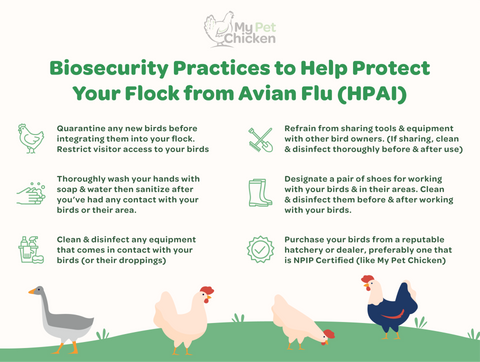
Credit: www.mypetchicken.com
Purpose Of Bird Quarantine
Quarantine helps keep birds safe and healthy. It stops diseases from spreading to other birds.
New birds need time to adjust and be checked before joining others. This protects all birds in a home or aviary.
Preventing Disease Spread
Birds may carry viruses or bacteria without showing signs. Quarantine keeps these germs from spreading.
Knowing when to take your bird out of quarantine can prevent illness. Signs of health are critical indicators for when to take bird out of quarantine.
- Keep new birds separate for at least 30 days
- Use separate cages, food, and water containers
- Clean hands and equipment before and after contact
- Watch for any signs of illness during quarantine
Monitoring Bird Health
When monitoring bird health, it is vital to understand when to take your bird out of quarantine. Observing behavior can help determine when to take bird out of quarantine for a safer environment.
During quarantine, watch your bird closely. Check its eating, drinking, and droppings.
| Health Check | What to Look For |
| Appetite | Eating well or less than usual |
| Droppings | Normal color and consistency |
| Behavior | Active and alert or quiet and weak |
| Feathers | Clean and smooth, no ruffling |
Ideal Quarantine Duration
The ideal duration of quarantine is influenced by knowing when to take your bird out of quarantine based on the factors at play. This knowledge allows for a smooth transition.
Quarantine is important to keep your bird healthy. It stops diseases from spreading. Knowing the right quarantine time helps your bird adjust safely.
The ideal quarantine length depends on many factors. This guide explains common time frames and what affects them.
Standard Time Frames
Most bird experts suggest quarantining for 30 to 45 days. This period lets you watch for sickness and stress signs.
- 30 days is common for healthy birds with no symptoms.
- 45 days is safer if the bird has unknown history.
- Shorter times increase the risk of hidden infections.
- Longer quarantines may cause stress but reduce disease spread.
Factors Influencing Length
Several factors decide how long quarantine should last. Each factor changes the risk level and bird’s recovery time.
| Factor | Effect on Quarantine |
| Bird Species | Different species need different times to show illness. |
| Previous Health | Birds with unknown or poor health need longer quarantine. |
| Exposure Risk | Birds from crowded places need more time. |
| Symptoms | If symptoms appear, quarantine must extend until recovery. |
Signs Of A Healthy Bird
Knowing when to take your bird out of quarantine is very important. A healthy bird shows clear signs that it is ready to join other birds.
Being aware of when to take bird out of quarantine ensures you are providing a healthy environment for all your birds.
Recognizing when to take your bird out of quarantine is essential. A bird that is showing all signs of health is ready to integrate. Make sure you are aware of when to take bird out of quarantine.
Always remember the importance of knowing when to take bird out of quarantine to prevent any health complications.
Look for physical and behavioral signs to make the best decision. These signs help you keep your bird safe and happy.
Physical Indicators
A healthy bird looks bright and alert. Its feathers are smooth and clean without bald patches. The eyes should be clear and shiny, with no discharge or swelling.
| Indicator | What to Look For |
| Feathers | Bright, smooth, and well-kept |
| Eyes | Clear, bright, no redness or discharge |
| Beak and Claws | Clean, no cracks or overgrowth |
| Breathing | Quiet and regular, no wheezing or coughing |
| Droppings | Normal color and consistency |
Behavioral Cues
Watch how your bird acts during quarantine. A healthy bird is active and curious. It eats and drinks well and shows interest in its surroundings.
- Preens feathers regularly
- Interacts with toys or people
- Vocalizes normally without distress
- Maintains a steady energy level
- Shows no signs of lethargy or hiding
Health Checks And Testing
Keeping a bird in quarantine helps prevent disease spread. Before taking a bird out, health checks are important.
Before you finalize your decision, consider when to take your bird out of quarantine based on health checks. This is crucial for ensuring no underlying health issues are present.
Testing ensures the bird is healthy and safe to join other birds or go outside quarantine.
Common Tests Before Release
Birds need several tests before leaving quarantine. These tests check for infections and parasites.
Some tests also check if the bird has recovered from any illness picked up during quarantine.
- Blood tests to find viruses and bacteria
- Fecal exams to detect parasites
- Swabs from throat or cloaca for infections
- Physical exams to check feathers and eyes
- Behavioral observations to spot signs of sickness
Veterinary Assessments
A vet must examine the bird before release. This helps confirm the test results and bird’s health.
The vet looks for signs of illness and checks the bird’s overall condition. They may suggest more tests.
- Check body weight and condition
- Listen to heart and lungs
- Look for wounds or infections
- Review test results
- Advise on safe timing to end quarantine
Safe Transition Strategies
Taking your bird out of quarantine needs care and patience. A safe transition helps your bird feel secure and healthy.
Transitioning your bird involves knowing precisely when to take your bird out of quarantine. Ensure the bird feels secure during this process.
It is essential to evaluate when to take bird out of quarantine as part of the transition to its new home.
Use gentle methods to introduce your bird to its new home. This will reduce risks and keep stress low.
Gradual Introduction To New Environment
Start by placing the quarantine cage near the bird’s new room. Let your bird see and hear the new surroundings from a distance.
- Move the cage closer to the new environment each day.
- Keep the cage covered partially to provide a sense of safety.
- Allow the bird to explore outside the cage only when calm.
- Supervise all first interactions with other pets or family members.
Minimizing Stress
Stress can weaken your bird’s immune system. Use quiet and calm methods to ease this change.
| Stress Reduction Tips | Description |
| Keep Noise Low | Avoid loud sounds near your bird’s space. |
| Maintain Routine | Feed and interact at the same times daily. |
| Use Soft Lighting | Bright lights can scare birds; use dim lights. |
| Provide Hiding Spots | Give access to cozy areas to retreat. |
| Offer Favorite Toys | Distraction helps reduce nervousness. |

Credit: threebirdsandacloud.wordpress.com
Post-quarantine Monitoring
Post-quarantine, reflect on when to take your bird out of quarantine to ensure ongoing health. This is a critical aspect of your bird’s well-being.
Your decision on when to take bird out of quarantine should be based on ongoing health observations.
Taking your bird out of quarantine is only the first step. You must keep watching your bird’s health closely. This helps catch any issues early.
Regular health checks after knowing when to take bird out of quarantine are vital to ensure your bird remains healthy.
Care routines may need changes after quarantine. Adjusting these routines supports your bird’s smooth transition to home life.
Ongoing Health Observations
Watch your bird daily for signs of illness. Look for changes in behavior, appetite, or droppings. Keep an eye on breathing and feather condition.
Note any coughing, sneezing, or unusual noises. Sudden weight loss or lethargy needs quick attention. Regularly check your bird’s eyes and beak for problems.
- Observe eating and drinking habits
- Check droppings for color and texture
- Look for breathing difficulties or noises
- Monitor energy and activity levels
- Inspect feathers for damage or loss
Adjusting Care Routines
After quarantine, your bird may need a different diet. Gradually introduce new foods to avoid stress. Keep fresh water available at all times.
Change cleaning and cage maintenance based on your bird’s needs. Increase social time to help your bird feel safe. Provide toys and perches to encourage activity.
- Introduce new foods slowly
- Keep water clean and fresh
- Clean cage regularly but gently
- Spend extra time with your bird
- Offer toys and climbing spaces
Common Mistakes To Avoid
Knowing when to take a bird out of quarantine is very important. Many bird owners make mistakes that can harm their pet’s health. Avoiding these errors helps keep your bird safe and strong.
Being informed about when to take bird out of quarantine will help you avoid common mistakes.
Birds need careful observation during quarantine. Missing signs or acting too soon can cause problems. Learn the common mistakes to keep your bird healthy.
Premature Release Risks
Taking your bird out of quarantine too early can spread illness. Birds may look healthy but still carry infections. This puts other birds and people at risk.
- Your bird may still be contagious to others.
- Hidden infections can worsen after release.
- Stress from early release weakens the bird’s immune system.
- It can cause longer recovery times if illness appears later.
Ignoring Subtle Symptoms
Small changes in behavior or appearance can mean illness. Ignoring these signs can delay treatment and harm your bird.
Understanding when to take bird out of quarantine can save you from significant health risks.
| Symptom | What It Might Mean |
| Less eating or drinking | Possible infection or stress |
| Fluffed feathers | Bird is cold or sick |
| Changes in droppings | Digestive problems or illness |
| Quiet or hiding more | Feeling unwell or scared |

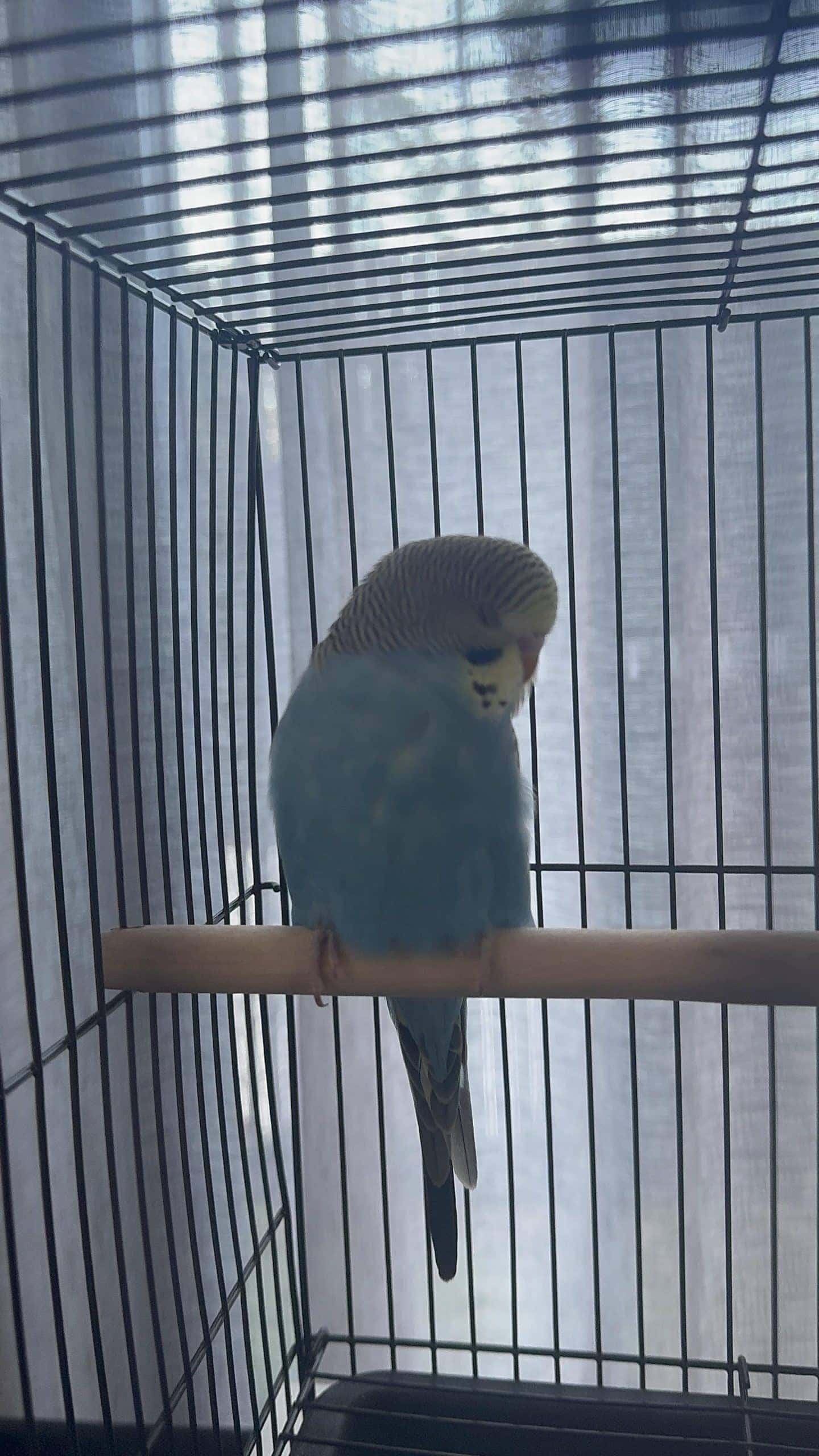
Credit: www.reddit.com
Frequently Asked Questions
How Long Should A Bird Stay In Quarantine?
A bird should stay in quarantine for at least 30 days. This period helps detect contagious diseases and prevents spreading. Monitor the bird’s health daily and consult a vet before ending quarantine.
What Signs Indicate A Bird Is Ready Out Of Quarantine?
Consulting resources on when to take your bird out of quarantine can provide further insights into the specifics of your bird’s health and readiness.
Look for no signs of illness, active behavior, and normal eating habits. A healthy bird with no symptoms after the quarantine period is usually ready to join other birds.
Why Is Bird Quarantine Important Before Introducing New Birds?
Quarantine prevents spreading diseases to other birds. It allows observation and treatment of potential infections. This protects your existing birds and maintains overall flock health.
Can Quarantine Duration Vary By Bird Species?
Veterinarians can offer guidance on when to take your bird out of quarantine, ensuring that you make the best decision for your pet.
Yes, quarantine length may vary depending on the bird species and health risks. Consult a veterinarian for species-specific guidelines to ensure safe integration.
Conclusion
Caring for a bird requires patience and attention. Observing their health is crucial. Look for signs of stress or illness. Healthy birds show clear eyes and active behavior. Slowly introduce your bird to new environments. Ensure they are comfortable and safe.
In conclusion, knowing when to take bird out of quarantine remains a cornerstone of responsible pet ownership.
Monitor their response closely. Trust your instincts as a bird owner. Consult a vet if unsure about their health. Your bird’s well-being is a priority. With time and care, they will adjust. Enjoy the journey with your feathered friend. Building a bond takes time but is rewarding.
Your efforts will lead to a happy, healthy bird.
In summary, knowing when to take your bird out of quarantine will enhance your pet’s health and happiness. Always stay attentive and informed about when to take bird out of quarantine.
Ultimately, staying informed about when to take bird out of quarantine will enhance your pet’s overall quality of life.