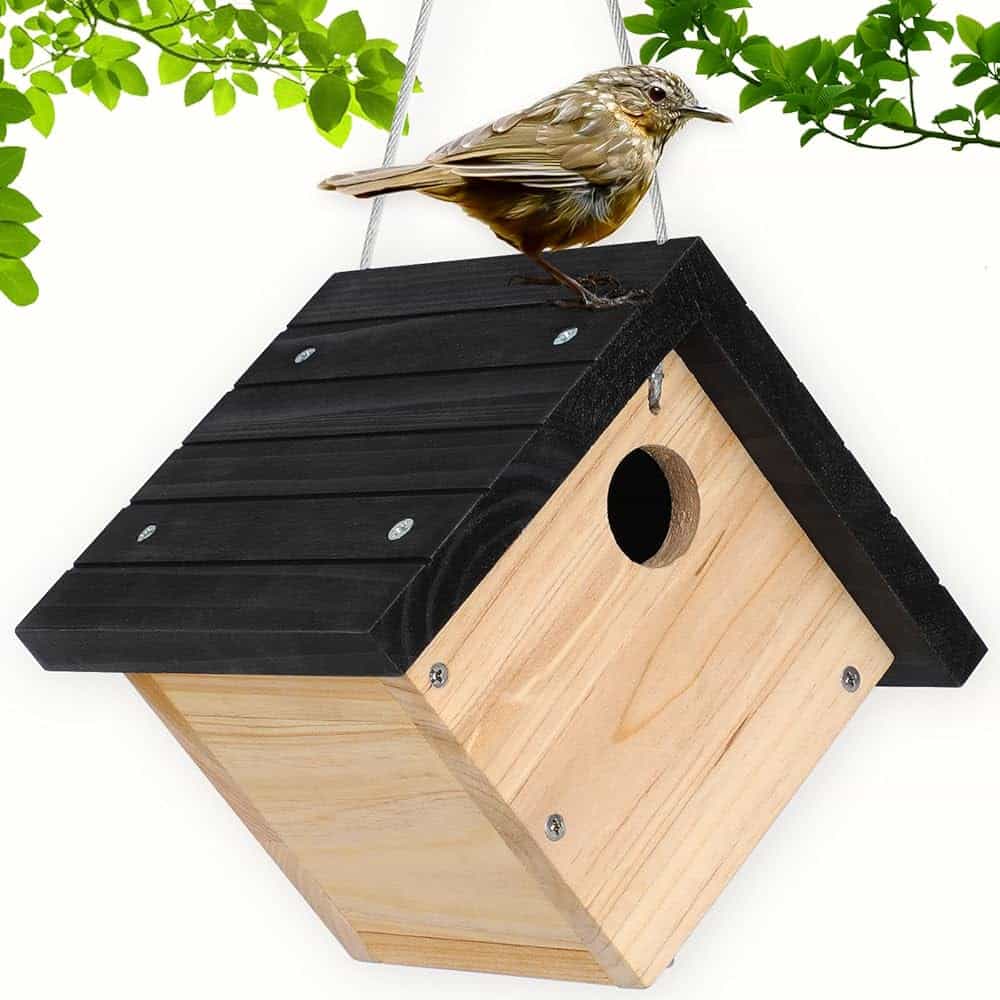
Where to Hang Wren Bird House 2026 Guide Tips
If you want to attract wrens to your yard, knowing exactly where to hang a wren bird house is key. You might think any spot will do, but placing it in the right location makes all the difference.
Imagine watching these lively little birds build their nests just outside your window. In this guide, you’ll discover simple, proven tips to pick the perfect spot that wrens will love. By the end, you’ll be ready to create a welcoming home for these charming birds—and enjoy their cheerful company all season long.

Credit: creationgirl.com
Ideal Locations For Wren Houses
Wren birds prefer quiet and safe places to nest. Finding the right spot for a wren house helps attract these small birds. Proper placement also protects them from predators and harsh weather.
This guide covers key points to consider when choosing where to hang a wren house. Focus on quiet areas, proper height, and avoiding direct sunlight.
Choosing Quiet Spots
Wren birds like calm and peaceful places. Noise and heavy human activity can scare them away. Look for spots away from busy paths or loud machines.
- Near shrubs or trees with little foot traffic
- Protected corners of the garden or yard
- Away from playgrounds or noisy streets
- Close to natural cover for quick escape
Height Considerations
Place the wren house at a safe height to keep predators away. Wrens usually nest between 4 to 10 feet off the ground. This height is easy for you to check and clean if needed.
| Height Range | Reason |
| 4 to 6 feet | Protects from small ground predators |
| 6 to 10 feet | Keeps house safe from larger animals |
| Above 10 feet | Harder to monitor and maintain |
Avoiding Direct Sunlight
Direct sunlight can overheat the wren house. It is best to hang the house where it gets shade during the hottest parts of the day. Morning sun is fine, but afternoon sun can be too strong.
- Place under tree branches or shrubs
- Use north or east-facing walls
- Keep away from open, sunny spots
- Check the location at different times of day
Materials And Mounting Options
Choosing the right materials and mounting options helps keep wren bird houses safe. It also makes sure birds feel comfortable and protected.
Wood is the best material for bird houses. It is natural and lets air flow well. Metal or plastic can get too hot or cold for birds.
Using Trees Vs Poles
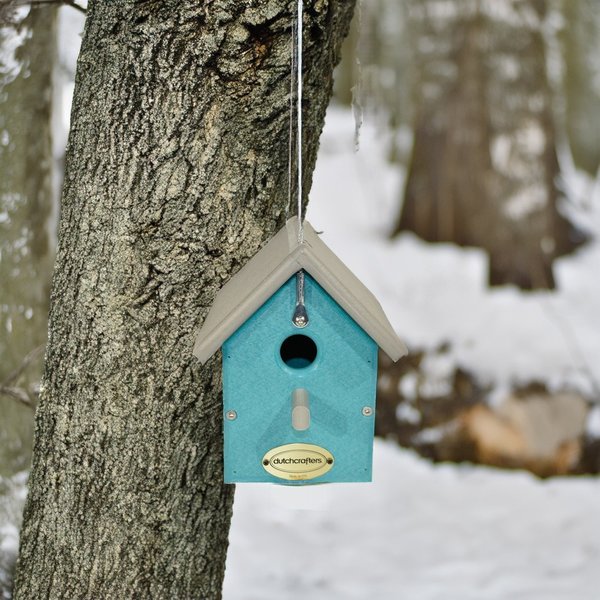
Mounting a bird house on a tree gives it natural cover and shade. Trees also help keep the house hidden from predators.
Poles are good when there are no trees nearby. Poles help keep the bird house away from animals and people.
- Trees provide natural protection
- Poles keep houses safe from ground predators
- Poles offer more control over height and placement
- Trees may sway in the wind, poles are more stable
Securing The Bird House
Use screws or nails to fasten the bird house tightly. Avoid using wire that can hurt the tree or bird.
Check the mounting regularly to make sure it stays strong. Loose bird houses can fall and harm the birds inside.
- Use rust-proof screws or nails
- Attach bird houses firmly but gently to trees
- Secure poles in the ground with concrete or stakes
- Inspect mounts every few months
Weatherproofing Tips
Protect the bird house from rain and wind by placing it under tree branches or eaves. This helps keep birds dry.
Use natural finishes like linseed oil to protect wood. Avoid paint that can harm birds or block air flow.
- Place bird houses facing away from strong winds
- Use water-resistant but breathable wood treatments
- Keep entrance holes small to reduce rain entry
- Make sure the house has drainage holes
Safety From Predators
Wren bird houses need to be safe from predators. Predators like cats, snakes, and raccoons can harm the birds or their eggs. Placing the house in the right spot helps keep the wrens safe.
Use smart methods to protect the wren house. This guide covers natural cover, predator guards, and avoiding busy areas.
Placing Near Natural Cover
Put the wren house close to trees or bushes. These give birds places to hide quickly. Natural cover also blocks some predators from seeing the nest.
- Choose spots near thick shrubs or low branches.
- Keep the house away from open spaces where predators can watch.
- Make sure the cover does not block the entrance.
- Place the house 6 to 10 feet above ground for safety.
Using Predator Guards
Predator guards are barriers that stop animals from reaching the bird house. They are simple to install and very effective at keeping predators away.
| Type of Guard | Material | Best Use |
| Metal Baffle | Stainless Steel | Mounted on poles to block climbing |
| Plastic Cone | Durable Plastic | Fits around tree trunks or posts |
| Wire Mesh | Galvanized Steel | Wraps around pole to prevent climbing |
Avoiding Busy Areas
Keep the wren house away from noisy and crowded spots. Busy areas attract predators and can stress the birds.
- Do not place the house near playgrounds or heavy foot traffic.
- Avoid areas near pet feeding spots or garbage bins.
- Choose quiet garden corners or backyard edges.
- Check the area at different times for signs of predators.

Credit: www.amazon.com
Seasonal Placement Adjustments
Wren bird houses need to be placed carefully throughout the year. Changing their location with the seasons helps keep wrens safe and comfortable.
Moving the birdhouse based on the weather and bird habits supports nesting and protects the birds from harsh conditions.
Spring And Summer Strategies
Place the wren house in a quiet spot during spring and summer. Wrens look for safe places to build nests and raise their young.
Choose a location with some shade to keep the house cool. Avoid direct sunlight during the hottest parts of the day.
- Hang the house 5 to 10 feet above the ground
- Face the entrance away from strong winds
- Place near shrubs or trees for cover
- Keep the area free from predators
Winter Considerations
In winter, wrens may use the house for shelter. Move it to a spot protected from cold winds and heavy rain.
Try to place the house where it gets some sun during the day. This helps keep it warmer for the birds inside.
- Hang the house near evergreen trees for wind protection
- Ensure the entrance hole is clear of snow and ice
- Keep the birdhouse dry to avoid mold
Monitoring And Maintenance
Check the birdhouse regularly to keep it safe and clean. Remove old nesting materials after the breeding season.
Look for signs of damage or pests. Repair or replace the house if needed to protect the wrens.
- Clean the birdhouse in late summer or early fall
- Remove wasp nests or insect infestations
- Check the hanging mechanism for stability
- Keep the house free from debris and dirt
Enhancing Wren Habitat
Wrens are small birds that enjoy safe and cozy homes. Choosing the right place to hang their birdhouse helps them thrive.
Creating a good habitat supports wrens in finding food, water, and shelter. This guide covers key tips to improve their living space.
Planting Native Shrubs
Native shrubs provide shelter and food for wrens. They attract insects that wrens eat and offer safe spots to hide.
Choose shrubs that grow well in your area. Plant them near the birdhouse but leave enough space for flight.
- Examples of native shrubs: elderberry, spicebush, and serviceberry
- Plant shrubs with dense leaves for better cover
- Avoid invasive plants that may harm the local ecosystem
Providing Water Sources
Wrens need fresh water for drinking and bathing. A clean water source near the birdhouse encourages them to stay.
Use shallow dishes or birdbaths that are easy for wrens to access. Change the water often to keep it fresh.
- Place water sources in a quiet, safe spot
- Keep water shallow, about 1 inch deep
- Clean water containers weekly to prevent disease
Minimizing Disturbances
Wrens prefer quiet places with little human activity. Avoid hanging the birdhouse near busy paths or noisy areas.
Check the birdhouse only when needed. Too much noise or movement can scare the birds away.
- Place birdhouse at least 6 feet above the ground
- Keep pets and children away from the birdhouse area
- Do not move the birdhouse once wrens start nesting
Credit: www.dutchcrafters.com
Frequently Asked Questions
Where Is The Best Height To Hang A Wren Bird House?
The ideal height to hang a wren bird house is 5 to 10 feet above the ground. This height protects wrens from predators and provides safety for nesting. Hanging it at this height ensures better chances of occupancy and successful breeding.
Should A Wren Bird House Face A Specific Direction?
Yes, a wren bird house should face east or southeast. This orientation protects the nest from harsh afternoon sun and prevailing winds. It helps keep the interior warm and dry, creating a comfortable environment for wrens.
Can I Hang A Wren Bird House Near My House?
Yes, you can hang a wren bird house near your house if the area is quiet and safe. Wrens prefer locations with some natural cover, so placing it near shrubs or trees is beneficial. Avoid busy or noisy spots to attract wrens.
How Far Apart Should Multiple Wren Bird Houses Be Hung?
Multiple wren bird houses should be spaced at least 50 feet apart. Wrens are territorial and prefer to nest away from each other. Proper spacing reduces competition and increases the likelihood of multiple nests in your yard.
Conclusion
Finding the perfect spot for your wren birdhouse is essential. Choose a quiet, safe location away from predators. Hang the birdhouse about five to ten feet above ground. This height keeps it secure and accessible. Ensure there is some shade to protect from harsh sun.
Keep the entrance hole facing away from prevailing winds. Wrens appreciate a little privacy, so avoid high-traffic areas. By following these tips, you create a welcoming home for wrens. Enjoy watching these delightful birds thrive in your garden. Happy birdwatching!