Have you ever wondered which bird is behind those mysterious sounds you hear at night? If you’re curious about the noisy creatures that come alive when the sun goes down, you’re not alone.
Knowing which bird makes noise at night can change how you experience those quiet hours. Whether the sounds keep you awake or simply spark your interest, this article will reveal the most common night-time bird callers and what their calls mean.
Keep reading, and you’ll soon recognize those familiar night songs like a pro.
Credit: www.birdwatchingdaily.com
Nocturnal Birds And Their Calls
Nocturnal birds are active during the night. They use calls to communicate in the dark.
The sounds they make help them find mates, mark territory, and warn of danger.
Common Night Callers
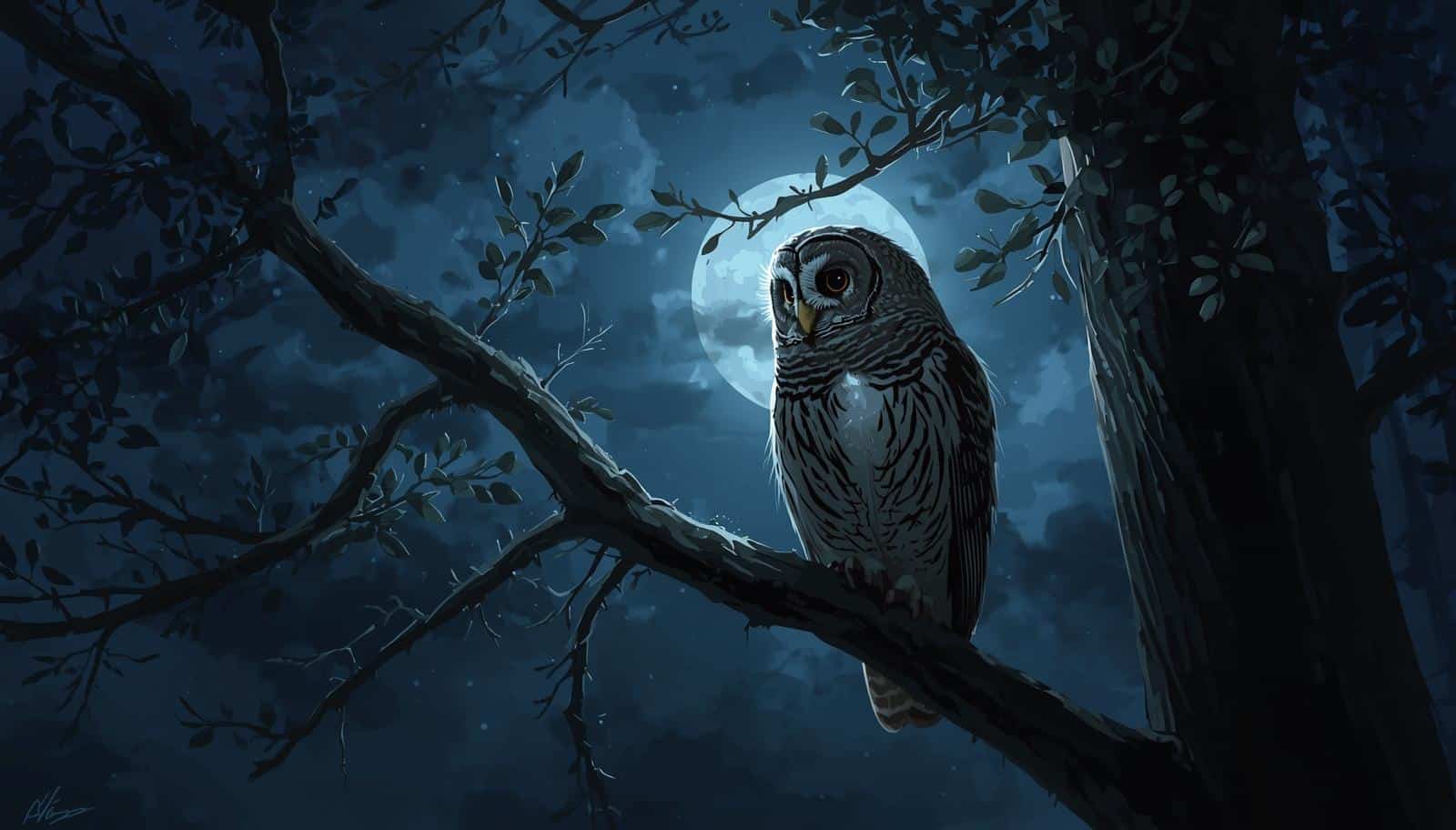
Some birds are well known for their night sounds. Owls are the most famous nighttime callers.
- Owls: Known for hoots and screeches.
- Nighthawks: Make a sharp, nasal call.
- Whip-poor-wills: Repeat their name in song.
- Nightjars: Produce a churring or clicking sound.
- Common Poorwills: Use soft, repetitive calls.
Purpose Of Nighttime Vocalizations
Birds call at night for many reasons. These sounds carry well in the dark and quiet.
| Purpose | Description |
| Mating | Calls attract partners and show readiness. |
| Territory | Sounds mark their area to keep others away. |
| Warning | Calls alert others of nearby danger. |
| Navigation | Some calls help birds find their way. |
- Acoustic Ecologists explain the physics: “It’s not just the quiet that helps birds be heard at night; it’s the temperature inversion. At night, the ground cools down, creating a layer of cool air below warmer air. This atmospheric condition refracts (bends) sound waves back toward the ground rather than letting them escape upwards, effectively creating a ‘sound tunnel’ that allows low-frequency calls, like owl hoots, to travel over immense distances.”
Credit: extension.msstate.edu
Owls: The Classic Night Noisemakers
Owls are well-known birds that make sounds at night. Their calls often signal the quiet hours of darkness.
Many people recognize owls by their unique hoots. These sounds help owls communicate and mark their territory.
Types Of Owls Heard At Night
Several owl species are active at night. Each has a distinct call that you can hear in different places.
- Great Horned Owl: Known for deep hoots that sound like “hoo-hoo-hoo”.
- Barred Owl: Makes a series of hoots often described as “who cooks for you”.
- Eastern Screech Owl: Emits a trilling or whinnying sound.
- Barn Owl: Produces a long, harsh screech instead of hooting.
- Long-eared Owl: Has a fast series of hoots that rise and fall.
Distinctive Owl Calls
| Owl Species | Call Description | Purpose |
| Great Horned Owl | Deep, slow hoots | Territory marking |
| Barred Owl | Rhythmic hoots | Communication with mates |
| Eastern Screech Owl | Trills and whinnies | Warning or alert |
| Barn Owl | Harsh screech | Defending nest |
| Long-eared Owl | Rapid hoots | Attracting mates |
Nightjars And Whip-poor-wills
Many birds make sounds during the day, but some are active at night. Nightjars and whip-poor-wills are two birds known for their night calls. These birds use their voices to communicate and mark their territory in the dark.
Both nightjars and whip-poor-wills have unique calls that help people identify them at night. Listening to these sounds can be a fun way to learn about nighttime wildlife.
Unique Sounds Of Nightjars
Nightjars make soft, churring sounds that can last for several seconds. Their calls often sound like a low, continuous hum. These sounds help them stay hidden from predators while still talking to other nightjars.
At times, nightjars also make sharp clicking noises with their bills. These clicks are quick and help in close communication or during flight.
- Soft churring sound lasting several seconds
- Low, continuous humming tone
- Sharp bill clicks for close communication
Whip-poor-will Vocal Patterns
The whip-poor-will is famous for its name-like call. It repeats the phrase “whip-poor-will” many times in a row. This call is loud and clear, cutting through the quiet night air.
Whip-poor-wills often sing to mark their territory or attract mates. Their calls can continue for minutes without stopping, making them easy to hear in forests and fields.
- Repeats “whip-poor-will” phrase
- Loud and clear sound
- Used to mark territory and attract mates
- Continuous singing for several minutes
Other Birds Active At Night
Many birds are awake and active during the night. These birds use the dark to hunt or communicate. Their sounds can be strange and interesting.
Some birds are easy to spot by their calls at night. Let’s look at two types of birds that make noise in the dark.
- Ornithologists solve the suburban mystery: “If you hear a bird singing a complex, multi-phrased song loudly in the middle of the night (especially during spring and summer), it is almost certainly a Northern Mockingbird. Research shows that these are typically unmated males desperate to attract a female. They sing at night because the lack of daytime traffic noise allows their song to demonstrate its full quality and complexity to potential mates flying overhead.”
Nighthawks And Their Calls
Nighthawks are birds that fly mostly at night. They make soft, booming calls that echo in the dark. These calls help them find mates and mark their space.
Their calls sound like a low “peent” or a sharp “chuck.” You might hear these sounds near open fields or city lights where they hunt insects.
Frogmouth Birds’ Nocturnal Sounds
Frogmouth birds are night hunters with wide mouths. They make deep, hollow sounds that can seem spooky. Their calls warn others and help them find each other.
These birds often make a low “oom” or a soft “burr” sound. Their calls blend well with night noises, making them hard to spot.
Factors Influencing Nighttime Bird Calls
Many birds make sounds at night. These calls have different reasons behind them. Understanding why birds call at night helps us learn about their behavior.
Birds use nighttime calls to communicate with others. These calls can depend on their needs and the environment around them.
Mating And Territory
Birds call at night to find a mate. Singing helps them show they are healthy and ready to breed. Night calls can also help birds mark their territory.
By calling, birds warn others to stay away. This keeps their area safe and reduces fights. Some birds are more active at night to avoid daytime competition.
Environmental Influences
Weather and light affect bird calls at night. Birds may call more on calm, warm nights. Loud noises from humans can make birds quiet or change their calls.
Light pollution from cities can confuse birds. Some birds call at night in dark places but stay silent in bright areas. Changes in seasons also affect when birds call at night.
Credit: abcbirds.org
Identifying Nighttime Bird Sounds
Many birds make sounds at night. These sounds help you know which birds live nearby. Night calls are different from day songs.
Owls, nightjars, and some songbirds sing at night. Learning these sounds helps you enjoy nature more.
Tools And Apps For Bird Listening
There are special tools to hear birds at night. Apps can record and identify bird sounds. These tools help beginners and experts.
Some apps show pictures and sounds of common night birds. You can compare what you hear with the app’s library.
- Sound recording devices capture quiet bird calls
- Bird ID apps offer sound libraries and identification tips
- Headphones help hear faint nighttime sounds clearly
- Night vision scopes assist in spotting birds after dark
Tips For Night Birdwatching
Night birdwatching needs patience and quiet. Use red light to avoid scaring birds. Stay still and listen carefully.
Try to learn a few common night bird calls before you go out. Early evening or just before dawn are good times to listen.
- Keep noise low to avoid disturbing birds
- Use binoculars or night vision to see birds better
- Note the direction and pattern of bird calls
- Bring a notebook to record what you hear and see
- Ethics Guides warn against white light: “When observing nocturnal birds, never use bright white flashlights or camera flashes directly on them. This causes temporary blindness (flash blindness) that can last for several minutes, leaving the bird vulnerable to predators or causing it to crash into obstacles. Always use a dim red light, which minimally impacts their night vision.”
Frequently Asked Questions
Which Birds Are Most Active At Night?
Owls, nightjars, and nighthawks are most active at night. These birds use their excellent night vision and hearing to hunt and communicate in the dark. They are well-adapted for nocturnal life, making noise to mark territory or attract mates.
Why Do Some Birds Make Noise At Night?
Birds make noise at night to communicate, defend territory, and attract mates. Nighttime calls help them avoid predators and find partners. These sounds can also warn other birds or signal location in low light conditions.
How Do Night Birds’ Sounds Differ From Daytime Birds?
Night birds often produce softer, repetitive calls unlike loud daytime songs. Their sounds are designed to carry in the dark while avoiding predators. These calls are usually more haunting and less complex than daytime bird songs.
Can All Birds Make Noise At Night?
Not all birds make noise at night. Only nocturnal or crepuscular species like owls and nightjars vocalize after dark. Most birds are silent at night to avoid attracting predators and conserve energy.
Conclusion
Nighttime bird calls can be mysterious and intriguing. Owls often hoot in the dark. Nightingales sing melodiously, enchanting listeners with their tunes. Whip-poor-wills chant their name repeatedly. These birds create a symphony under the moonlit sky. Learning their sounds enhances your nighttime experience.
Next time, listen closely. Identify the bird behind the call. It’s nature’s concert, right outside your window. Understanding these sounds connects you to the natural world. Enjoy the beauty and mystery of night birds. They have stories to tell. Let their nocturnal melodies bring you peace and wonder.