Why Can Birds Land on Power Lines 2026 Guide
Have you ever glanced up and noticed birds perched calmly on power lines, seemingly unaffected by the electricity coursing through them? It’s a curious sight, isn’t it?
You might wonder why these delicate creatures can safely land on something that seems so dangerous. Understanding this can not only satisfy your curiosity but also reveal fascinating insights into nature’s wonders. We’ll uncover the intriguing science behind this phenomenon, ensuring you walk away with a newfound appreciation for these feathered acrobats.
Stay with us as we unravel the mystery and share some surprising facts that you might never have guessed.
Birds And Power Lines
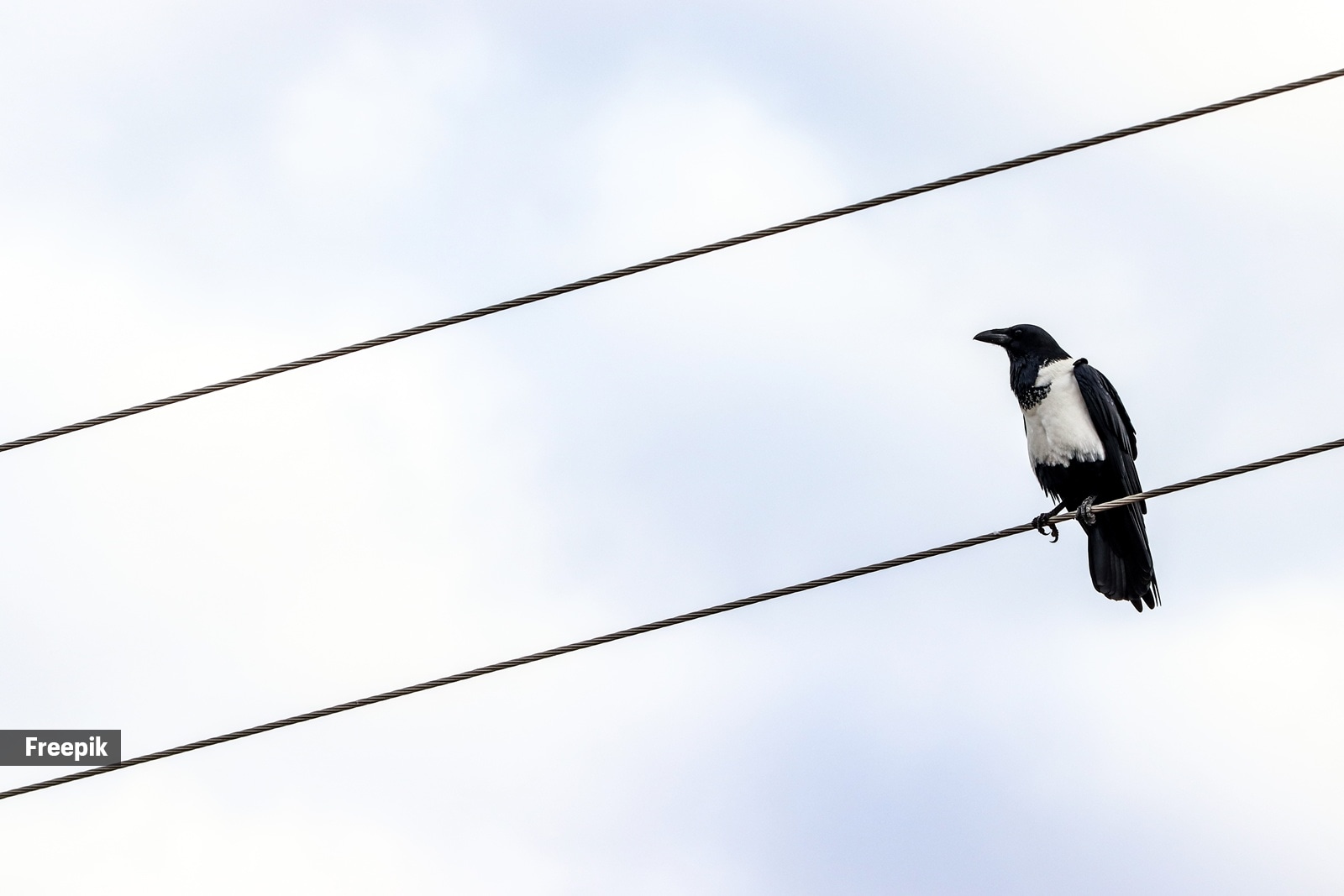
Birds often sit on power lines without harm. This is because of how electricity flows and their size.
Understanding why birds can land safely helps us learn about their behavior and safety around power lines.
Common Bird Behavior
Birds use power lines as resting spots during flight. They like open views to watch for food and danger.
They often perch in groups and communicate with each other while on the wires.
- Rest and watch for predators
- Socialize with other birds
- Use lines to spot food sources
- Take breaks during migration
Types Of Power Lines Birds Prefer
Birds prefer power lines that are easy to land on and near food sources. Thick wires or cables are common choices.
Lines in quiet places with less human activity attract more birds.
- Single or double wires that are wide enough
- Lines near trees or open fields
- Low voltage lines that are safer
- Lines away from busy roads or loud noises
Electricity Basics
Electricity is a type of energy that flows through wires to power homes and devices. It moves in a path called a circuit.
Understanding how electricity works helps explain why birds can safely land on power lines.
How Electricity Flows
Electricity flows from a power source through wires to devices. It always needs a complete path to move.
When a bird sits on one wire, electricity does not pass through the bird. The bird is not touching the ground or another wire.
- Electricity follows the path of least resistance.
- Birds on one wire do not create a path to the ground.
- Electricity stays in the wire, so birds stay safe.
Voltage And Current Concepts
Voltage is the force that pushes electricity through a wire. It is like water pressure in a hose.
Current is the flow of electricity. It is the amount of electric charge moving through the wire.
- High voltage means strong push for electric flow.
- Current depends on the wire and the devices using electricity.
- Birds do not complete a circuit, so current does not flow through them.
Why Birds Don’t Get Shocked
Birds often sit on power lines without getting hurt. This is because electricity flows in a specific way. Understanding this helps explain why birds stay safe.
Electric shocks happen when electricity passes through the body. Birds avoid this because of how they touch the wires and the electric flow.
No Voltage Difference
Electricity moves from high voltage to low voltage. Birds only touch one wire at a time. They do not create a path for electricity to flow through their body.
Since both feet are on the same wire, the voltage is the same. Without a voltage difference, no current flows through the bird.
Role Of Insulation And Contact Points
Birds’ bodies do not touch the ground or another wire. This stops electricity from passing through them. The air and the bird’s feet act like insulators.
Power lines are often covered with insulation. The points where birds land do not conduct electricity to the ground or other wires.

Credit: birdfact.com
When Birds Are At Risk
Birds can sit safely on power lines because the wires carry electricity at the same voltage. The birds’ bodies do not complete a path for the electric current to flow. This keeps them safe most of the time.
Birds face danger when they touch parts of the power system that create a path for electricity to flow through their bodies. This can cause electric shock or death.
Touching Two Wires
If a bird touches two wires at the same time, it creates a path for electricity to flow. The electric current can pass through the bird’s body, causing serious harm or death.
This situation often happens when birds spread their wings or touch both wires with their feet or wings. The voltage difference between the wires makes the electricity flow through the bird.
- Two wires carry different voltages
- Bird touching both wires completes the circuit
- Electricity flows through the bird’s body
- Risk of electric shock or death increases
Contact With Grounded Structures
Birds are also at risk if they touch a wire and a grounded object at the same time. Grounded objects include poles, towers, or metal parts connected to the earth.
This creates a path for the electricity to flow from the wire, through the bird, to the ground. The current passing through the bird can cause injury or death.
- Grounded structures connect electricity to the earth
- Touching a wire and a grounded object forms a circuit
- Electric current flows through the bird’s body
- This causes electric shock or fatal injury
Power Line Design And Safety
Birds can safely land on power lines because of how the lines are designed. The wires carry electricity, but birds usually do not get shocked.
Power line safety includes features that protect both people and animals from harm. This design helps prevent accidents and keeps wildlife safe.
Engineering To Protect Wildlife
Engineers design power lines to reduce risks for animals. They place wires far apart to avoid touching and causing electric shocks.
Structures are built strong and stable so birds can land without danger. The design also helps keep animals away from live parts.
- Spacing wires to prevent contact
- Using sturdy poles and supports
- Keeping live wires out of reach
- Adding markers to make wires visible
Insulators And Barriers
Insulators are materials that stop electricity from flowing where it should not. They cover parts of power lines to protect birds and animals.
Barriers also block animals from touching dangerous areas. These safety features help prevent electric shocks and keep wildlife safe near power lines.
- Ceramic or glass insulators prevent current flow
- Plastic covers protect wires and equipment
- Physical barriers stop animals from landing on risky spots
- Regular checks keep insulators in good condition
Credit: indianexpress.com
Impact On Birds And Environment
Birds often land on power lines because the wires do not carry electricity through their bodies. The lines are insulated from the ground, so birds do not get shocked if they touch only one wire.
This behavior affects birds and the environment in different ways. Understanding these effects helps protect wildlife and keeps the environment safe.
Electrocution Incidents
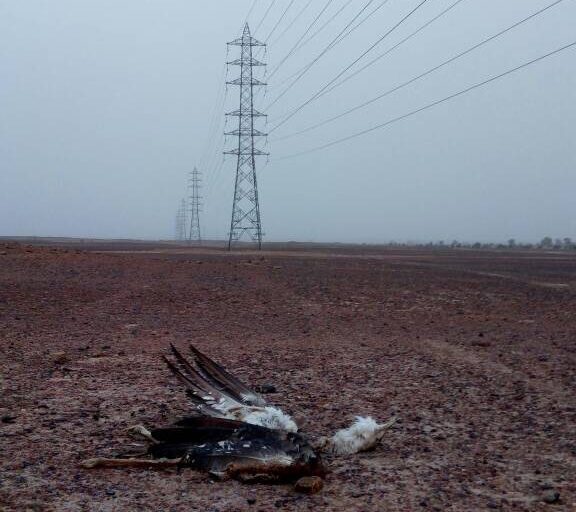
Sometimes birds touch two wires or a wire and a grounded part at once. This causes electricity to flow through their bodies and can kill them instantly.
Electrocution harms bird populations, especially large birds like eagles and hawks. It can also cause fires and damage to power lines.
- Large birds are more at risk due to their size
- Electrocution can lead to population declines
- Power line fires can harm nearby plants and animals
- Electric shocks may disrupt local ecosystems
Conservation Efforts
Groups work to reduce bird deaths by changing power line designs. They add covers or shields to stop birds from touching dangerous parts.
Conservation efforts also include placing power lines away from bird habitats and educating people about bird safety.
- Installing bird guards and insulating covers
- Building safer power poles and lines
- Relocating power lines from nesting areas
- Raising public awareness about bird safety
Credit: news.mongabay.com
Frequently Asked Questions
Why Don’t Birds Get Shocked On Power Lines?
Birds avoid shocks because they touch only one wire at a time. Electricity needs a path to the ground. Since birds don’t touch the ground or another wire, current doesn’t flow through them, preventing electric shock.
How Do Birds Balance On Thin Power Lines?
Birds have strong claws and lightweight bodies. Their feet grip the wire securely. This balance allows them to perch comfortably without slipping or falling from the thin power lines.
Can Birds Cause Power Outages By Landing On Wires?
Usually, birds don’t cause outages because they avoid touching multiple wires. However, large birds or groups can sometimes bridge wires, creating short circuits that may disrupt power temporarily.
What Makes Power Lines Safe For Birds To Land On?
Power lines carry electricity, but birds are insulated by air and feathers. They don’t complete an electrical circuit, making the wires safe for landing without electrical harm.
Conclusion
Birds land safely on power lines because they do not complete an electric circuit. They touch only one wire at a time, so electricity does not flow through their bodies. Their feet have high resistance, which helps too. This simple fact keeps them safe even on high-voltage lines.
Understanding this helps us appreciate how nature adapts to human structures. Next time you see birds resting on wires, remember this fascinating reason behind their safety. It shows how animals can live alongside technology without harm.