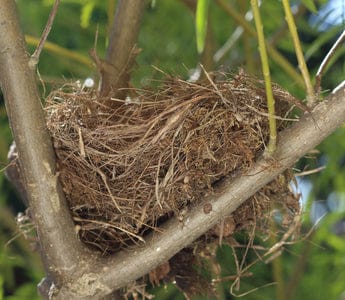
Have you ever stumbled upon an abandoned bird nest and wondered if another feathered friend might make it their home? You’re not alone.
This intriguing question has captivated the minds of birdwatchers and nature enthusiasts alike. Nests, with their intricate designs and cozy structures, seem like prime real estate for any bird in need of a home. But do birds really reuse these little architectural wonders?
You’ll uncover the fascinating truths behind abandoned nests and discover how nature’s tenants decide where to settle. Curious about the mysteries of the avian world? Keep reading to satisfy your curiosity and gain a new appreciation for our feathered neighbors.
Reasons Birds Abandon Nests
Birds sometimes leave their nests before the eggs hatch or the chicks grow. This happens for many reasons. Understanding why birds abandon nests helps us protect them better.
When a nest is empty, other birds may use it later. But the original birds leave nests mainly to keep safe or find better spots.
Predation Threats
Birds often abandon nests if predators are nearby. Animals like snakes, raccoons, and other birds can harm eggs or chicks.
If a predator visits the nest once, birds may leave to protect their young from danger.
- Snakes eating eggs
- Raccoons raiding nests
- Other birds stealing eggs
Environmental Changes
Changes in weather or habitat can cause birds to leave nests. Heavy rain or strong winds can damage nests or make them unsafe.
Loss of trees or plants around the nest also makes birds move to safer places.
- Storms flooding nests
- Strong winds blowing nests away
- Cutting down trees nearby
Human Disturbance
Humans can scare birds away from their nests. Loud noises, close walking, or touching nests make birds feel unsafe.
Construction or gardening near nests also causes birds to leave and find quieter spots.
- Loud noises from machines
- People walking close to nests
- Clearing plants or trees nearby
Which Birds Reuse Nests
Many birds build nests each breeding season. Some birds reuse old nests instead of building new ones. This saves time and energy during nesting.
Birds reuse nests in different ways. Some clean old nests, while others add new material. The choice depends on the bird species and environment.
Common Reusers
Several bird species often reuse nests. These birds like to save their old nests for the next season. They may repair or add to the nest to make it ready again.
- House Sparrows
- American Robins
- European Starlings
- Woodpeckers
- Great Horned Owls
These birds find old nests safe and comfortable. Reusing nests also reduces the risk of predators finding new nests.
Seasonal Nesters
Some birds only nest during certain seasons. They often reuse nests built earlier in the year. This helps them start breeding faster.
Seasonal nesters include birds that migrate or have short breeding times. They look for nests left by other birds or their own old nests.
- Swallows
- Martins
- Some Warblers
- House Wrens
Species-specific Behavior
Different bird species have unique habits for reusing nests. Some always reuse nests, while others rarely do. Some birds build new nests every year.
For example, woodpeckers often reuse old holes in trees. Some birds like orioles build new nests each time. These habits depend on food, safety, and environment.
- Woodpeckers reuse tree cavities
- Orioles build fresh hanging nests
- Bluebirds often reuse old nests
- Raptors may use large nests for years
Benefits Of Reusing Nests
Birds often reuse abandoned nests left by others. This behavior has many benefits that help them survive and reproduce. Reusing nests saves time and energy for the birds. It also offers better protection and allows a quicker start to breeding.
This article explains the main benefits of reusing nests. We look at energy conservation, faster breeding cycles, and protection advantages.
Energy Conservation
Building a new nest requires a lot of effort and materials. Birds gather twigs, leaves, and other items to create a safe home. By reusing an old nest, birds save energy they can use for other activities like finding food or caring for their young.
- Less time spent gathering materials
- Lower energy use during nest construction
- More energy for feeding and protecting chicks
Faster Breeding Cycle
Reusing nests helps birds start breeding sooner. Building a new nest can take days or weeks. Using an existing nest allows birds to lay eggs faster. This quick start can improve their chances of raising more chicks in a season.
| Breeding Stage | New Nest | Reused Nest |
| Time to Build Nest | 7-14 days | 0 days |
| Time to Lay Eggs | After nest completion | Immediately |
| Total Breeding Time | Longer | Shorter |
Protection Advantages
Old nests often provide good shelter and camouflage. They are placed in safe locations, away from predators. Birds that reuse nests gain protection benefits such as:
- Less exposure to predators during nest building
- Stronger structure from past use
- Better shelter from weather
Risks Of Using Abandoned Nests
Birds sometimes use nests left by others. This can save time and energy. But using an old nest can bring risks to the new occupants.
Old nests may carry hidden dangers. Birds should be cautious before choosing them. Let’s explore the main risks of using abandoned nests.
Parasite Infestation
Old nests often have parasites like mites and lice. These pests can harm the new birds. Parasites cause itching and make birds weak.
Parasites can spread disease. They may lay eggs inside the nest material. Using the nest means sharing a home with these pests.
- Bird mites suck blood and irritate skin
- Lice feed on feathers and skin
- Parasites can cause infections
Structural Damage
Abandoned nests may be old and weak. Weather can damage the nest’s structure. Broken nests may not hold eggs safely.
Weak nests risk falling or collapsing. This can harm baby birds and eggs. Birds need strong nests to protect their young.
- Weather can rot nest materials
- Strong wind can break old nests
- Damage makes nests unsafe for eggs
Predator Residues
Predators sometimes visit old nests. They may leave behind scent or droppings. These signs attract other predators to the nest.
New birds face higher risk of attack. Predator residues show that the nest is not safe. Birds must watch for these dangerous signs.
- Scent marks can attract predators
- Droppings signal predator presence
- Predators target nests with past visits
How Birds Choose Nests
Birds look for the best place to raise their young. They do this by checking old nests. Not every abandoned nest is good to use again.
Many factors affect if a bird will use an old nest. These include how the nest looks and smells, and where it is located.
Nest Condition Assessment
Birds check if the nest is safe and clean. They avoid nests with broken parts or too much dirt. A strong nest protects eggs and chicks well.
- Look for nests without holes or tears
- Avoid nests with old, wet, or moldy material
- Choose nests that still hold shape firmly
- Check if the nest is free from parasites
Location Importance
Where the nest sits matters a lot. Birds prefer places safe from predators and harsh weather. Some like high trees, others near water.
| Location Factor | Reason |
| High in trees | Protects from ground predators |
| Near water | Easy access to food and drinking |
| Hidden in bushes | Camouflages from birds of prey |
| Open areas | Good visibility to spot danger |
Scent And Material Factors
Birds use smell and feel to decide on nests. They avoid nests with bad smells. Soft and fresh materials attract them.
Materials that birds look for:
- Fresh leaves and grass
- Soft feathers
- Clean moss
- Dry twigs
Avoid nests with strong odors from predators or decay.

Credit: www.telegraph.co.uk
Human Impact On Nest Availability
Birds need safe places to build nests and raise their young. Human actions affect how many nests are available. This can change bird populations in many areas.
Some birds use old nests left by others. But human changes to the environment can make finding these nests harder. We will look at three main ways humans impact nest availability.
Habitat Loss
Habitat loss happens when forests, fields, and wetlands shrink. Buildings, roads, and farms replace these natural homes. Birds lose places to build nests.
Without trees and shrubs, many birds cannot find good spots for nests. This lowers the chance that abandoned nests will be reused. Birds must compete for fewer safe places.
- Cutting down trees removes nest sites
- Urban growth reduces natural habitats
- Pollution harms plants and animals
- Farming changes the land structure
Artificial Nesting Sites
People create artificial nests like birdhouses and nest boxes. These help birds find homes when natural nests are scarce. Some birds will use these nests after others leave.
Artificial nests can increase the number of places birds can nest. They also protect birds from predators and bad weather. This helps some species survive in cities and farms.
- Birdhouses provide new nesting spots
- Nest boxes are easy to install and maintain
- Materials used can affect bird use
- Placement is important for safety
Conservation Efforts
Conservation groups work to protect bird habitats. They restore forests and wetlands to give birds more places to nest. This also helps abandoned nests stay available for reuse.
Programs teach people how to help birds by keeping nest sites safe. Laws protect some nesting areas from being destroyed. These efforts support bird survival and growth.
- Planting native trees and shrubs
- Protecting wetlands and natural areas
- Monitoring bird populations
- Educating the public about bird care
Surprising Nest Reuse Stories
Birds often build new nests each season, but some reuse old ones. This behavior helps save time and energy. Many surprising stories show how birds use abandoned nests.
Some birds even share nests with different species. Others use the same nest for many years. These habits reveal how birds adapt to their environment.
Unusual Species Behavior
Some bird species reuse nests more than expected. For example, owls often return to the same nest year after year. This saves time during breeding season.
Woodpeckers also reuse old nests. They may enlarge holes in trees made by themselves or other animals. This is a clever way to find shelter quickly.
Inter-species Nest Sharing
Some birds share nests with other species. For example, sparrows sometimes take over abandoned nests of other birds. This is a simple way to find a ready home.
In some cases, different bird species live close together in the same nest area. This helps protect them from predators and harsh weather.
- Sparrows using old robin nests
- Swallows nesting near hawks
- Owls sharing tree cavities with bats
Long-term Nest Usage
Some nests last for many years and are used repeatedly. Eagles often use large nests made of sticks for decades. Each year, they add new materials.
These nests can become very big and heavy. Long-term use shows how birds build safe homes for their families over time.

Credit: www.reddit.com

Credit: www.npr.org
Frequently Asked Questions
Can Birds Reuse Abandoned Nests In The Wild?
Some bird species do reuse abandoned nests for convenience and protection. However, many prefer building new nests to avoid parasites and predators. It depends on the bird type and environmental conditions.
Why Do Birds Abandon Their Nests?
Birds may abandon nests due to predation, disturbance, poor location, or parasite infestation. Environmental changes and lack of food can also cause abandonment.
Do Abandoned Nests Attract New Bird Species?
Yes, abandoned nests can attract different bird species seeking ready-made shelters. Smaller birds or cavity nesters often use these nests to save time and energy.
How Long Do Abandoned Nests Remain Usable?
Abandoned nests can remain usable for several weeks to months if structurally sound. Weather and decay affect their longevity and suitability for reuse.
Conclusion
Birds often reuse old nests, but not always. Some birds prefer building new nests for safety and comfort. Others choose abandoned nests to save time and energy. The decision depends on the bird species and environment. Watching birds shows us their smart ways to survive.
Nature always finds a way to adapt and thrive. So, an abandoned nest may or may not get a new tenant. It’s part of the natural cycle of life outdoors. Keep observing, and you’ll learn more about bird habits every day.