Are you wondering if your bird feeders might be inviting unwanted visitors? You love watching colorful birds visit your garden, but what if those feeders also attract predators?
This concern is common among bird lovers who want to keep their feathered friends safe. You’ll discover the truth about whether bird feeders draw predators and learn simple steps you can take to protect the birds you care about. Keep reading to find out how to enjoy your feeders without putting your birds at risk.
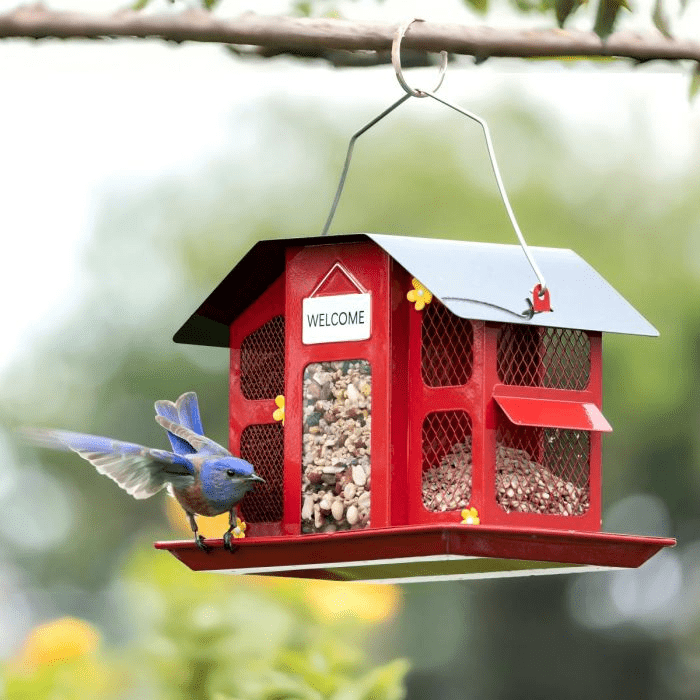
Credit: www.kingsyard.com
How Bird Feeders Work
Bird feeders provide food for birds in your yard. They help birds find food easily.
Feeders come in different styles to hold seeds or suet. Birds visit feeders to eat and rest.
Types Of Bird Feeders
There are many types of bird feeders. Each type holds food in a special way.
Some feeders hang from trees, while others stand on poles. They attract different kinds of birds.
- Tube feeders hold small seeds and have many feeding ports.
- Platform feeders are flat and open, good for many bird types.
- Hopper feeders store a lot of seed and release it as birds eat.
- Suet feeders hold blocks of suet to attract insect-eating birds.
- Nectar feeders offer sweet liquid to attract hummingbirds.
Common Bird Species Attracted
Different feeders attract different birds. The type of food also matters.
Seed feeders bring small birds, while suet feeders attract woodpeckers. Nectar feeders bring hummingbirds.
- Finches, chickadees, and sparrows like tube feeders.
- Doves and jays visit platform feeders.
- Woodpeckers and nuthatches eat suet.
- Hummingbirds come to nectar feeders.
Predators Around Bird Feeders
Bird feeders attract many birds, but they also draw unwanted visitors. Predators watch feeders closely. They see feeders as easy hunting spots.
Understanding which predators visit feeders can help protect your birds. Knowing why predators come can guide safe feeding practices.
Predators That Visit Feeders
Several predators come near bird feeders. They wait for a chance to catch birds or their eggs. Common visitors include mammals, birds, and reptiles.
- Domestic cats and feral cats
- Squirrels and raccoons
- Birds of prey like hawks and owls
- Snakes that climb trees
Each predator uses different methods to hunt. Some climb feeder poles, others swoop down from above.
Why Predators Are Drawn To Feeders
Feeders offer easy food sources and attract many birds. This makes feeders a hotspot for predators hunting for food.
| Reason | Explanation |
| Abundant prey | Many birds gather at feeders, increasing chances for predators. |
| Easy access | Feeders are often low or on poles predators can climb. |
| Consistent food | Feeders provide year-round bird activity, attracting predators all seasons. |
| Hiding spots | Nearby trees or bushes offer places for predators to hide and wait. |
Risks To Birds From Feeders
Bird feeders bring wild birds close for easy watching. They also create some risks that bird lovers must know. Birds can face dangers like predators and diseases near feeders.
Understanding these risks helps you keep birds safe. Learn how feeders affect birds and what to watch out for.
Predation Risks
Feeders can attract predators like cats, hawks, and squirrels. These animals wait for birds to come to the feeder. Birds near feeders may have less chance to escape quickly.
- Feeders near thick bushes can hide predators.
- Low feeders make birds easier targets.
- Predators learn feeder locations and visit often.
- Birds distracted by food may not see danger.
Disease Transmission
Bird feeders can also spread diseases among birds. When many birds visit one spot, germs pass quickly. Dirty feeders and spilled seeds make this worse.
| Common Bird Diseases | How They Spread |
| Salmonellosis | Contact with feces on feeders |
| Trichomoniasis | Sharing water or food sources |
| Avian Pox | Touching infected surfaces |
| Canker | Close contact between birds |
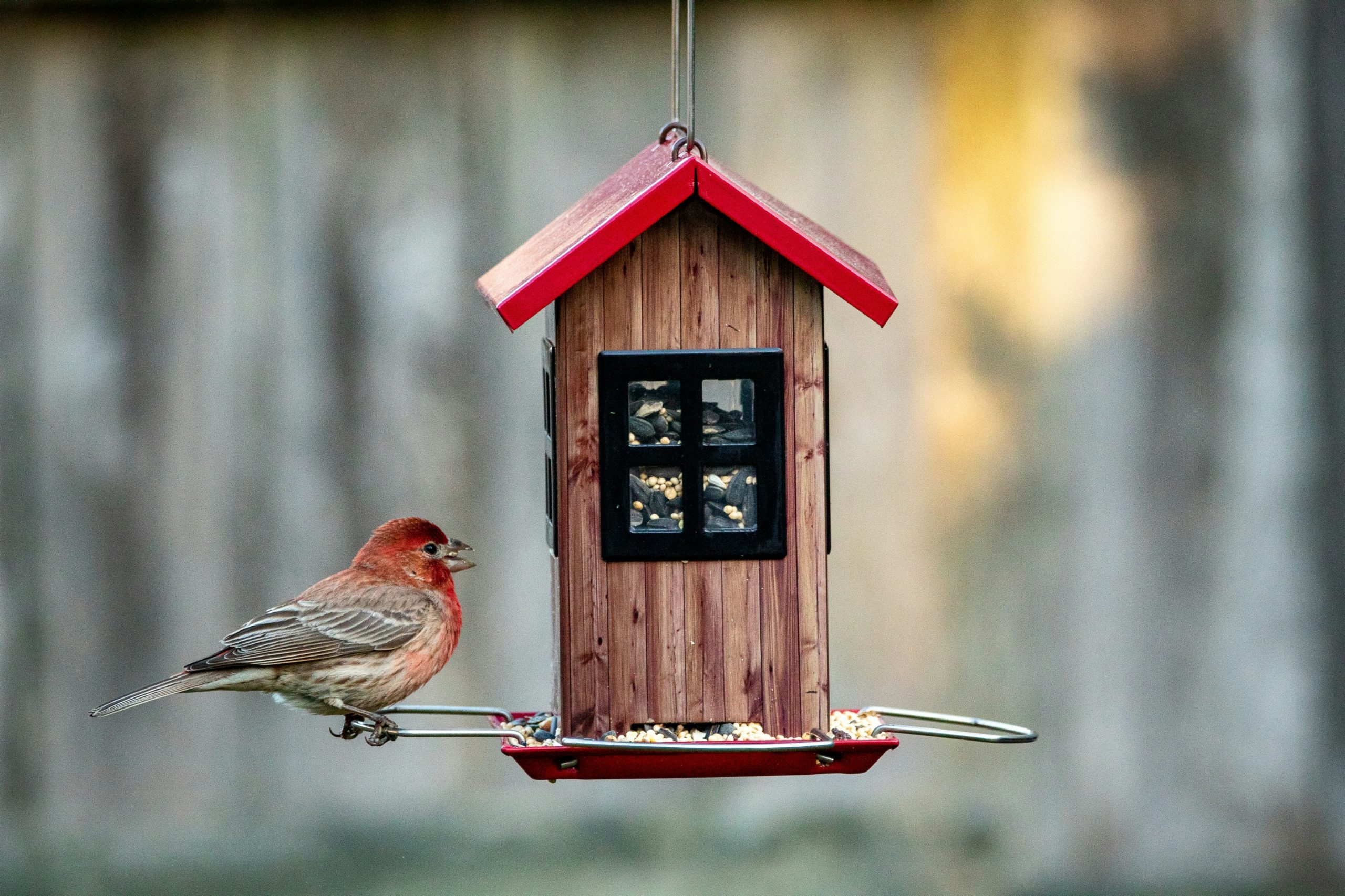
Credit: www.kingsyard.com
Preventing Predator Visits
Bird feeders can attract unwanted predators like cats and squirrels. Protecting birds is important for a safe feeding area. Taking simple steps can keep predators away.
Understanding how to prevent predator visits helps keep birds safe. Use smart feeder placement, guards, and maintenance tips.
Safe Feeder Placement
Place feeders in open areas away from places predators can hide. Avoid spots near thick bushes or fences where cats can wait.
Keep feeders at least 10 feet from jumping points like trees or roofs. This stops predators from leaping onto feeders.
- Choose open spaces with clear views
- Keep feeders 5 feet above the ground
- Place feeders far from jumping spots
- Avoid hiding places nearby
Using Predator Guards
Predator guards block animals from reaching feeders. Use baffles or cages to protect birds while feeding. These guards stop climbing or flying predators.
Choose guards that fit your feeder type. Regularly check guards to make sure they work well and are not damaged.
- Install baffles on feeder poles
- Use cages around feeders
- Check guards for damage often
- Replace or repair guards as needed
Feeder Maintenance Tips
Keep feeders clean to avoid attracting predators. Old seeds and debris can attract pests. Clean feeders regularly with warm water and mild soap.
Remove spilled seeds from the ground. This reduces food sources for unwanted animals near feeders.
- Clean feeders every two weeks
- Remove seed shells and debris
- Pick up spilled seeds daily
- Dry feeders before refilling
Balancing Bird Feeding And Safety
Feeding birds can bring joy and help local wildlife. It is important to keep birds safe while feeding them.
Predators may come near feeders, so careful steps can protect birds from harm.
Feeding Practices For Protection
Place feeders in safe locations away from places predators hide. Clean feeders often to avoid disease.
- Put feeders 10 feet away from bushes or trees where cats hide.
- Use feeders with baffles to stop squirrels and larger animals.
- Keep the ground below clean to avoid attracting predators.
- Feed birds during daylight to reduce predator visits.
Encouraging Natural Bird Behavior
Offer food that birds find in nature. This helps them stay alert and healthy.
| Natural Food | Reason |
| Seeds | Easy to find and eat |
| Fruits | Provide vitamins |
| Insects | Help with protein |
Changing feeding spots can keep birds active and aware of their surroundings.
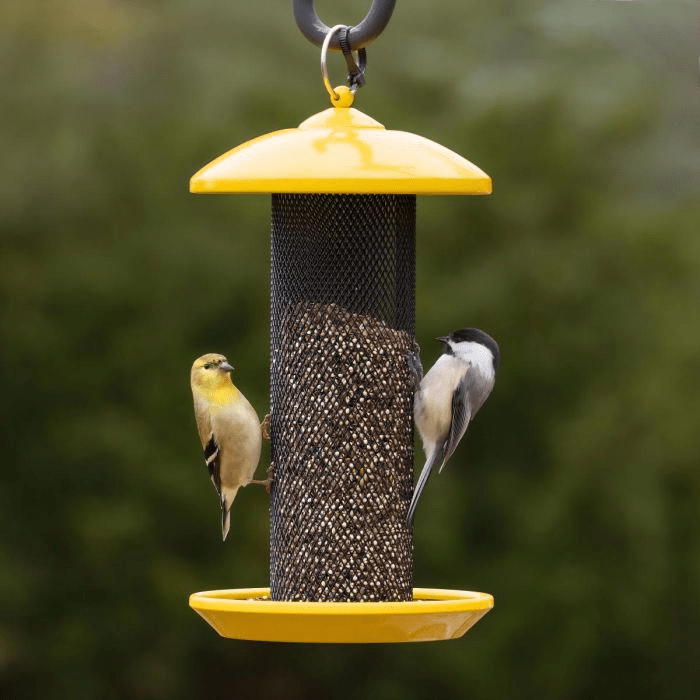
Credit: www.kingsyard.com
Frequently Asked Questions
Will Bird Feeders Attract Predators To My Yard?
Yes, bird feeders can attract predators like cats and hawks. They often come hunting for birds visiting feeders. Proper feeder placement and safety measures reduce this risk effectively.
How Can I Protect Birds From Predators At Feeders?
Place feeders away from dense shrubs and hiding spots. Use baffles and keep feeders at least 5 feet from perches. These steps limit predator access and keep birds safer.
Do Certain Bird Feeders Attract More Predators?
Feeders with open platforms attract more predators than tube feeders. Tube feeders limit predator access and offer better bird safety. Choose feeders wisely to reduce predator visits.
Are Predators More Common Near Ground Feeders?
Yes, ground feeders attract more predators like squirrels and cats. Elevated feeders reduce predator visits and protect birds. Consider using hanging feeders to enhance bird safety.
Conclusion
Bird feeders can attract both birds and predators. Keeping feeders clean helps reduce risks. Place feeders away from places predators hide. Watch your feeder often to spot any danger. Feeding birds brings joy but needs care. Stay safe and enjoy bird watching more.
Small steps protect birds and keep feeders safe. A little attention makes a big difference.