Have you ever paused to listen to the gentle chorus of birds hidden among the trees? Woodland bird sounds are more than just background noise—they hold a special power to calm your mind and connect you with nature.
Whether you’re a nature lover, a curious beginner, or someone seeking a peaceful escape, understanding these sounds can transform your outdoor experience. You’ll discover how to recognize common woodland bird calls and why tuning into them can boost your mood and sharpen your senses.
Get ready to unlock the secret language of the forest around you.
Bird Calls In The Forest
Woodland bird sounds fill the forest with life. These calls help birds communicate and survive.
Listening to bird calls can teach us about nature. Each sound has a special meaning.
Types Of Woodland Bird Sounds
Birds make many sounds in the forest. They use songs, calls, and alarms to talk.
- Songs:Long and musical sounds used to attract mates.
- Calls:Short sounds for quick communication between birds.
- Alarm Calls:Sharp sounds to warn about danger nearby.
- Contact Calls:Soft sounds to keep in touch while flying or feeding.
Purpose Of Bird Vocalizations
Bird sounds help birds in many ways. They use calls to find mates, mark territory, and stay safe.
These vocalizations also help birds work together and care for their young.
- Attract mates during breeding season
- Defend territory from other birds
- Warn about predators or threats
- Keep groups together during flight
- Communicate needs to chicks and parents

Credit: music.amazon.in
Common Woodland Birds
Woodlands are full of many birds with different sounds. These birds use their calls to talk or find mates.
Listening to bird sounds helps us learn about nature. Each bird has unique sounds and songs.
Songbirds And Their Tunes
Songbirds are known for their sweet and clear tunes. They sing during the day to mark their space.
Common woodland songbirds include robins, warblers, and finches. Their songs can be short or long melodies.
- Robins sing a cheerful and melodic tune.
- Warblers have fast and high-pitched songs.
- Finches produce soft, whistling sounds.
Woodpeckers And Drumming Sounds
Woodpeckers make sharp drumming sounds by tapping on trees. This noise helps them find mates and mark territory.
They use their strong beaks to drum on wood or metal. The sound varies by species and place.
- The Downy Woodpecker has a fast, light drum.
- The Pileated Woodpecker makes loud, slow drumming.
- Drumming can last from a few taps to many seconds.
Owls And Night Calls
Owls are mainly active at night. Their calls are deep and often sound spooky to people.
Owls use hoots and screeches to communicate with other owls. Each species has a distinct call.
- The Great Horned Owl gives a low, deep hoot.
- The Barred Owl calls with a rhythmic hooting sound.
- Some owls make high-pitched screeches or whistles.
Seasonal Changes In Bird Songs
Woodland birds change their songs with the seasons. These changes help them survive and communicate.
Bird sounds vary in purpose and tone depending on the time of year. Listening closely reveals these patterns.
Spring Mating Calls
In spring, birds sing loudly to attract mates. Their songs become more complex and frequent.
Male birds use calls to show strength and claim territory. These sounds help them find partners quickly.
- Longer songs with varied notes
- Frequent singing during early morning
- Calls to warn rivals away
Autumn Communication Patterns
In autumn, bird songs change to help with group communication. Calls become shorter and simpler.
Birds use these sounds to stay in contact while migrating or gathering food. It helps keep groups together.
- Short calls for quick alerts
- Group contact calls during flights
- Fewer songs, more calls for safety
How Birds Create Their Sounds
Birds use sounds to communicate with each other. These sounds can mean danger, attract mates, or mark territory.
The way birds make sounds is different from how humans speak. They have special organs that help create many noises.
Anatomy Of Bird Vocal Organs
Birds create sounds using a unique organ called the syrinx. It is located where the windpipe splits into the lungs.
The syrinx has muscles and membranes that vibrate when air passes through. This vibration makes the bird’s sound.
- Syrinx can change shape to make different sounds
- Birds control air flow to vary pitch and volume
- Some birds can use both sides of the syrinx at once
Techniques Behind Complex Songs
Birds learn to sing by listening to other birds. They practice to perfect their songs over time.
Many birds use tricks to create complex songs. They change pitch, speed, and repeat notes to sound unique.
- Switching between high and low sounds quickly
- Repeating parts of songs to make patterns
- Mixing different sounds from their syrinx
Recording And Identifying Bird Sounds
Listening to woodland bird sounds is a fun way to learn about nature. Recording these sounds helps you study birds without seeing them.
Identifying bird songs can be tricky. Using the right tools makes it easier to know which bird is singing.
Equipment For Bird Sound Recording
You need good equipment to capture clear bird sounds. A quality microphone and recorder make a big difference.
Many bird watchers use portable recorders that are easy to carry. Windshields help reduce noise from the wind.
- Handheld digital recorder with external microphone
- Directional microphones to focus on bird sounds
- Windshields or foam covers to block wind noise
- Headphones for listening during recording
- Tripod or stand to keep the recorder steady
Apps And Tools For Birdsong Identification
Apps help you identify bird songs by comparing sounds. They listen and suggest possible bird species nearby.
Some tools show bird song patterns and let you build your own sound library. This helps improve your listening skills.
- Bird song identification apps with sound recognition
- Audio libraries with recordings of many bird species
- Tools to slow down or loop bird sounds for study
- Maps showing birds found in your area
- Community features to share and get help from others

Credit: www.youtube.com
Impact Of Environment On Bird Songs
Bird songs are important for communication. They help birds find mates and mark territories.
The environment around birds changes how their songs sound. Different places affect bird calls in many ways.
Effects Of Habitat Changes
When forests are cut down, birds lose places to live and sing. This can make their songs quieter or shorter.
New plants and fewer trees change how sound travels. Birds may change their songs to be heard better.
- Less dense trees make songs travel farther
- More open areas cause birds to sing louder
- New habitats may cause new song patterns
Noise Pollution And Bird Communication
Noise from cars and machines can cover bird songs. Birds may sing at higher pitches to avoid noise.
Some birds sing earlier or later in the day to avoid loud times. Noise makes it hard for birds to talk and find mates.
- Urban noise causes birds to change song timing
- Birds may sing louder to be heard
- Noise can reduce bird communication success
Experiencing The Woodland Symphony
Woodland bird sounds create a natural music all around us. These sounds bring the forest to life.
Listening to these calls helps us connect with nature. Each bird has a unique song to share.
Best Times And Places To Listen
Early morning is the best time to hear bird songs. Birds sing more as they start their day.
Look for quiet spots in the woods. Near water or dense trees often have more bird activity.
- Visit forests just after sunrise
- Find areas near streams or ponds
- Choose places with thick shrubs or trees
- Avoid noisy or crowded locations
Tips For Bird Sound Observation
Stay still and listen carefully to catch bird calls. Use your ears more than your eyes.
Learn common bird songs to recognize them better. Take notes or record sounds for later.
- Wear quiet clothes to avoid scaring birds
- Use binoculars to spot birds without moving
- Keep your phone on silent mode
- Practice patience and enjoy the calm

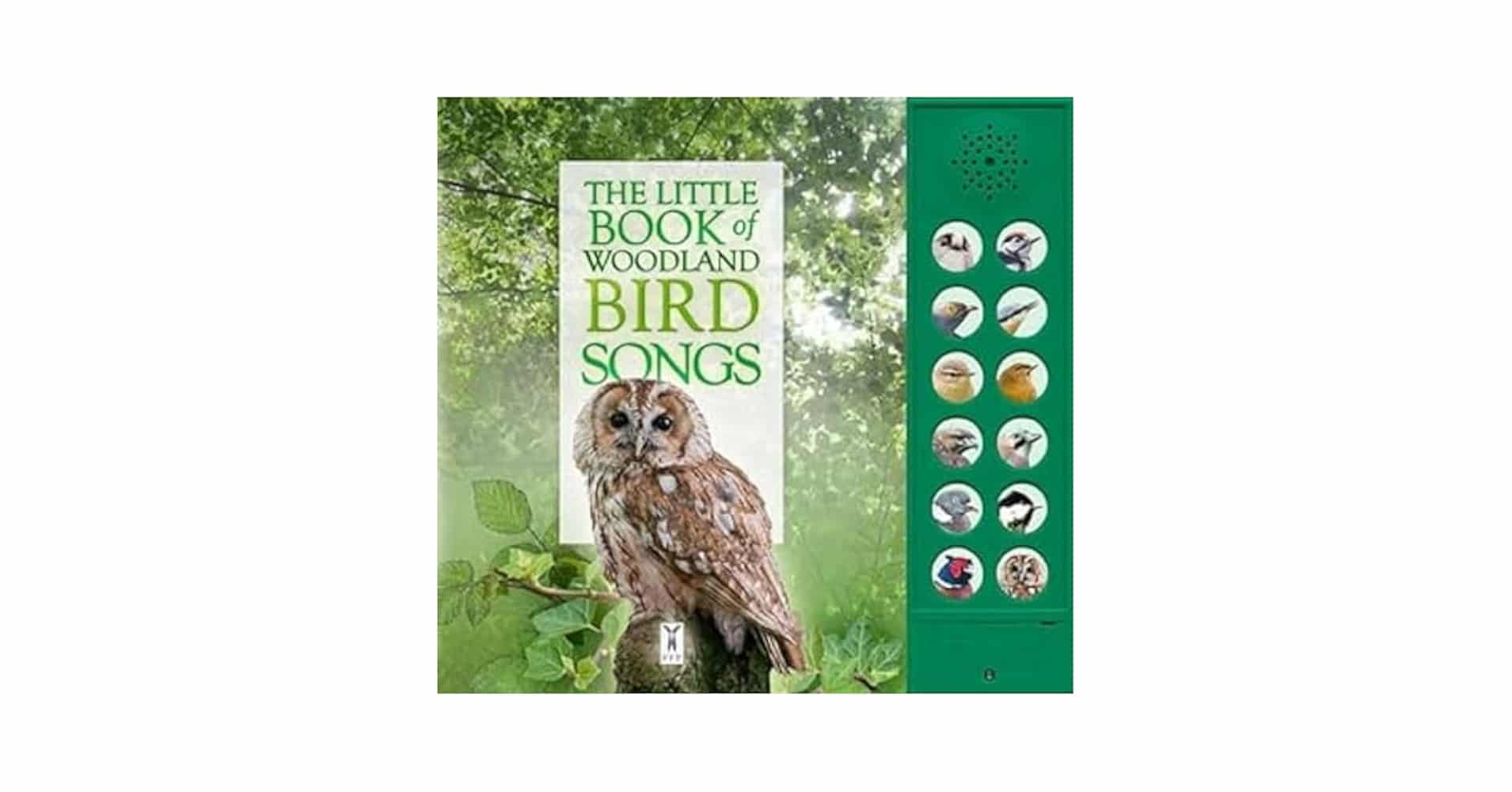
Credit: music.amazon.in
Frequently Asked Questions
What Are Common Woodland Bird Sounds?
Woodland birds produce diverse sounds like chirping, trilling, and warbling. These calls help in communication and marking territory. Recognizing these sounds enhances birdwatching experiences and helps identify species quickly.
How Do Bird Sounds Vary In Woodlands?
Bird sounds vary by species, time of day, and season. Males often sing to attract mates, while alarm calls warn of danger. Different habitats influence the pitch and rhythm of their songs.
Why Do Woodland Birds Sing At Dawn?
Birds sing at dawn to establish territory and attract mates. The quiet morning allows their songs to travel farther. This behavior is known as the “dawn chorus” and is common in many woodland species.
Can Bird Sounds Help Identify Species?
Yes, each bird species has unique vocal patterns. Learning these sounds aids in species identification without visual confirmation. Bird sound guides and apps can help beginners recognize different woodland birds.
Conclusion
Woodland bird sounds bring nature’s beauty close to us. They create a calm, peaceful mood in the forest. Listening carefully helps us learn about different bird species. Each call tells a story of life in the woods. Enjoying these sounds can make outdoor walks more special.
Take time to notice the songs around you. They connect us to the natural world. Bird sounds remind us to slow down and appreciate small moments. Keep exploring and listening to the woodland’s lively chorus. Nature’s music is always there, waiting for you.