Should You Feed Birds All Year? Here’s What You Need to Know
Do you love watching birds fly in your garden? You might wonder, Should You Feed Birds Year-Round? You hear many ideas. What is truly best for your feathered friends? Feeding birds is a great joy. It also brings real responsibility. The timing of feeding truly affects their health.
We will discuss feeding birds all year. You will learn the good parts and the bad parts. You will know what is best for local birds. This helps your whole garden. Keep reading to find out how you can help these beautiful creatures.

Credit: www.allaboutbirds.org
Benefits of Feeding All Year
Feeding birds year-round keeps them healthy and strong. It gives them a steady food source in all seasons. Many people ask if this is truly helpful. Clear benefits support birds and nature.
Helping in Hard Weather
Cold winters and hot summers make finding food tough. Year-round feeding gives them a reliable supply. Birds use extra energy to keep warm or cool. Food helps them survive bad weather. It keeps their energy high.
Aiding Breeding and Nesting
Birds need good food to raise young chicks. Feeding all year helps birds prepare for nesting season. When food is easy to find, birds focus on nests. They can care for their babies well. This is good for the bird population.
Bringing Many Bird Types
Different birds visit feeders at different times. Feeding all year brings a wide variety of birds.
-
Winter feeders attract sparrows and finches.
-
Spring brings orioles and hummingbirds.
-
Fall feeders welcome woodpeckers and jays.
Risks You Should Consider
Feeding birds year-round seems kind. Yet, it has some real risks. You must know these risks first. Do this before feeding birds every day. Some risks affect their health. Other risks harm your local area. Knowing this helps you make smart choices.
Relying on Feeders
Birds may start to depend too much on feeders. This stops them from finding food on their own. If feeders run out, birds may struggle. This is true during tough times. It can hurt their overall health.
Spreading Sickness
Feeders can spread diseases. This happens when many birds gather close. Birds pass germs through food and droppings. Dirty feeders raise the risk of illness. Cleaning helps a lot. Still, it cannot stop all disease.
-
Use clean feeders often.
-
Space feeders out to stop crowding.
-
Stop feeding sick-looking birds.
Attracting Other Animals
Feeders draw in animals like squirrels or rats. They also attract raccoons. These pests may cause damage. They also spread disease. Unwanted wildlife scares birds away. This creates problems for your home.
-
Use feeders that squirrels cannot open.
-
Keep the feeding area very clean.
-
Remove spilled seeds regularly.
Best Foods by Season
Feeding birds all year helps them live well. Different seasons need different types of food. Knowing what to offer them is key. This keeps birds healthy and happy all year long.
Winter Food Choices
Winter is cold. Food is scarce for birds. High-fat foods help them stay warm. Offer seeds and nuts. These give them fat and calories.
-
Black oil sunflower seeds are great.
-
Peanuts (shelled and unsalted) work well.
-
Suet cakes or fat balls give needed fat.
-
Nyjer (thistle) seeds are also good.
Spring and Summer Options
Birds need protein to raise chicks in spring. Fresh foods are the best choice. Offer soft fruits and insects. This supports their young ones.
-
Mealworms (live or dry) give protein.
-
Chopped fruits like apples are good.
-
Insect suet blends are helpful.
-
Cracked corn is easy to eat.
Fall Food Preferences
Fall is when birds store fat. They do this for migration or winter. Seeds and grains are a smart choice. Offer a mix of energy-rich foods. This helps birds get ready for the cold.
-
Mixed seed blends work well.
-
Whole corn kernels are good.
-
Sunflower seeds give lots of energy.
-
Dried fruits like raisins are a treat.

Credit: www.birdfeederco.com
Feeder and Placement Tips
Feeding birds all year keeps them healthy. Choosing the right feeder matters. Good placement keeps birds happy and safe. This guide covers placement and cleaning tips.
Picking the Right Feeder
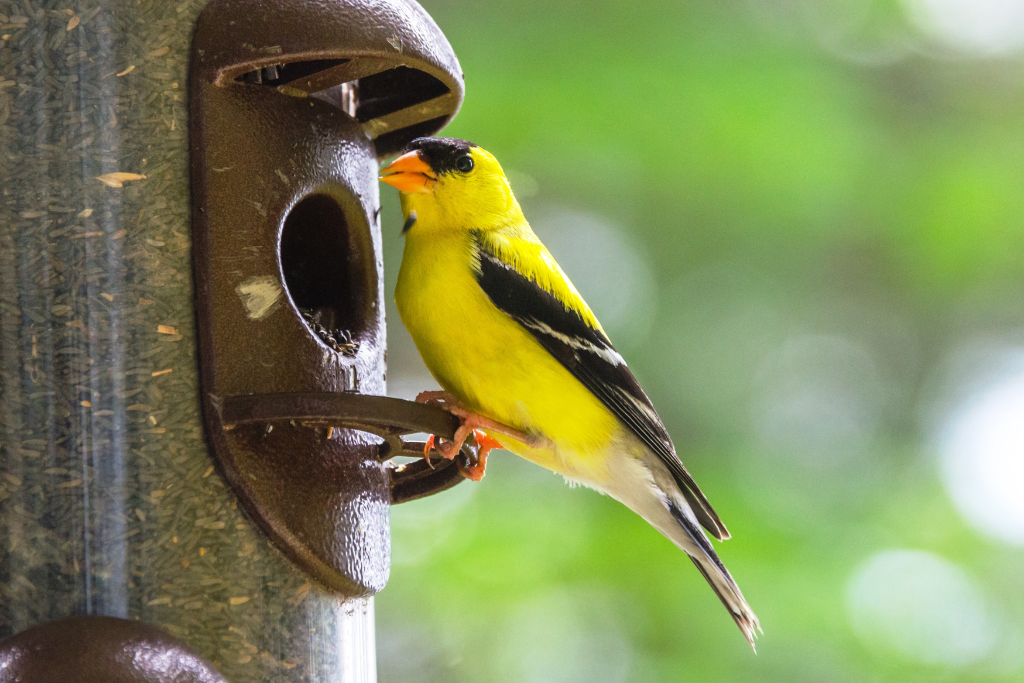
Different feeders fit different birds. Pick one that matches the birds you want. Feeders come in many types. There are tube, platform, and suet feeders. Each one holds different foods.
-
Tube Feeders: Hold seeds. They attract small birds.
-
Platform Feeders: Flat area for many birds. Good for mixed seeds.
-
Suet Feeders: Hold suet cakes. Attracts birds that eat bugs.
-
Hummingbird Feeders: Hold sugar water. Attracts tiny hummingbirds.
Safe Feeder Placement
Place feeders where birds feel safe. Avoid spots near windows. This stops painful crashes. Keep feeders away from cats or squirrels. They should not be able to climb them.
-
Put feeders ten feet from windows.
-
Place feeders five feet high from the ground.
-
Keep feeders near trees for quick escape.
-
Avoid loud, busy spots.
Cleaning and Care
Clean feeders often. This stops disease from spreading. Dirty feeders can harm birds. Wash feeders with water and mild soap. Rinse well. Dry them before you add new food.
-
Clean feeders every two weeks. Clean more often if it is wet.
-
Remove old or wet seed right away.
-
Check for damage. Fix or replace old parts.
When to Adjust Feeding
Feeding birds all year is helpful. But you sometimes need to stop or change. Watching for certain signs is key. This keeps birds healthy and safe. Look at bird behavior and rules. These clues show when to change feeding.
Watching Bird Behavior
Birds act strangely when food is too much. They also act weird when food stops. Watch for crowding or fighting at feeders. If birds look sick, it is time to stop. Healthy birds eat, then leave peacefully.
-
Too many birds crowding one feeder.
-
Aggressive or fighting behavior.
-
Birds showing signs of sickness.
-
Birds completely ignoring the feeder.
Environmental Clues
Natural food changes with the season. Birds find more food in spring and summer. Stop feeding when natural food is easy to find. Weather changes also affect feeding times. Think of heat or heavy rain.
-
More insects and seeds are available in summer.
-
Heavy rain can spoil the food.
-
Hot weather may reduce bird visits.
-
Winter truly needs more food support.
Local Rules and Laws
Some areas have rules for feeding birds. These rules protect birds and their homes. Check with local agencies first. Do this before feeding all year. Follow rules about food types and seasons.
-
Local laws may limit when you can feed.
-
Certain foods might be completely banned.
-
Some places limit where feeders can go.
Credit: feedsnneeds.ca
Frequently Asked Questions
Should I Feed Birds Throughout The Entire Year?
Feeding birds year-round helps them survive. It is great in harsh weather. Consistent food helps keep their energy high. Always use clean feeders. Provide the right food to prevent sickness.
What Foods Are Best For Birds All Year?
Offer different seeds, nuts, suet, and fresh fruits. Black oil sunflower seeds are a favorite. Avoid bread and processed food. Change the food types with the seasons. Clean feeders every week.
Can Feeding Birds All Year Harm Them?
It is safe if you are responsible. Clean feeders often to stop mold. Do not overfeed. This prevents dependency on you. Keep feeders dry. Responsible feeding helps birds greatly.
How Does Year-round Feeding Affect Migration?
Constant food can change migration habits. Some birds may not fly south. They may stay longer. Consider feeding seasonally. This supports them without disrupting natural cycles.
Conclusion
Feeding birds all year keeps them healthy and strong. Birds need food most when nature has little. This is often in cold months. Offering fresh seeds and water helps their survival. You must clean feeders well to stop disease. Watching birds brings much peace and joy. Decide what is best for your local birds. Small actions truly make a big difference. Feed them simply, safely, and steadily for healthy birds.