
Bird Sounds Like Chainsaw – have you ever been strolling through the woods or sitting in your backyard, only to be startled by a bizarre sound that resembles a chainsaw revving up? You pause, ears perked, wondering what on earth could be causing such a noise.
As it turns out, there's a bird behind this intriguing phenomenon. Yes, you read that right—a bird! This fascinating avian species has mastered a call so unique that it can easily be mistaken for a piece of heavy machinery. Intrigued yet?
Stick around to uncover the mystery of this extraordinary bird, and discover why it's not only a marvel of nature but also a reminder of the incredible diversity of life that surrounds us. You won't want to miss this captivating exploration into the world of birdcalls that sound like chainsaws!
Birds That Sound Like Chainsaws
Some birds have calls that sound very unusual. A few even sound like a chainsaw. These sounds can surprise people in the wild.
Here are three birds whose calls remind us of a chainsaw's noise. Each has a unique sound that stands out.
The Laughing Falcon
The Laughing Falcon lives in Central and South America. Its call sounds rough and machine-like. It can remind listeners of a chainsaw starting up.
This bird uses its loud call to mark territory and find mates. The sound is strong and carries far in the forest.
The Potoo Bird
The Potoo bird is known for its strange calls. Some say its call sounds like a slow chainsaw or drone. This eerie sound fits its night-time habits.
Potoos are nocturnal and use their calls to communicate in the dark. Their chainsaw-like calls can last several seconds.
The Stuttering Frogmouth
The Stuttering Frogmouth lives in Australia. Its call is a stuttering, buzzing noise that sounds like a chainsaw. This call helps it stay hidden from predators.
This bird's name comes from its frog-like mouth and stuttering call. The chainsaw sound warns others and marks its space.
Why Do Birds Make Loud Calls?
Birds make loud calls for many reasons. These sounds help them survive and communicate.
Some bird calls sound very loud or harsh, like a chainsaw. These calls have special purposes.
Territorial Defense
Birds use loud calls to protect their space. The sounds warn other birds to stay away.
These calls show that the area is taken. It helps avoid fights and keeps the bird safe.
- Mark territory boundaries
- Scare off intruders
- Keep other birds from nesting nearby
Mating Signals
Loud calls attract mates. Birds sing or call to show they are healthy and strong.
These sounds help birds find partners and start a family. The louder the call, the better chance to attract.
- Show fitness to potential mates
- Communicate readiness to breed
- Help pairs find each other
Warning Alerts
Birds use loud calls to warn others about danger. The sounds alert the group to threats.
This helps birds stay safe and avoid predators. The loud noise can scare enemies away too.
- Signal presence of predators
- Help birds hide or flee
- Keep the flock alert and safe
How Birds Produce Chainsaw-like Sounds
Some birds create sounds that resemble the noise of a chainsaw. These sounds can be loud and sharp. They use special parts of their bodies to make these unique noises.
Understanding how birds make these sounds helps us learn more about their behavior and communication. The sounds serve different purposes, like attracting mates or marking territory.
Vocal Anatomy
Birds have a special voice box called the syrinx. It is located where the windpipe splits into the lungs. The syrinx helps birds make many sounds, including chainsaw-like noises.
The muscles around the syrinx control the pitch and volume. Some birds have stronger muscles that allow fast, repetitive sounds. Their vocal cords vibrate quickly to create harsh noises.
Unique Sound Mechanisms
Birds use different methods to make chainsaw-like sounds. Some flap their wings rapidly near their body. This creates a buzzing or rattling noise like a chainsaw.
Other birds use their beak or throat to produce sharp, mechanical sounds. They can repeat these sounds fast to mimic the sound of machines. This helps them stand out in noisy environments.
- Rapid wing flapping near the body
- Vibrating vocal cords quickly
- Using beak clicks or snaps
- Combining sounds for mechanical effects
Environmental Influences
Birds often make chainsaw-like sounds in noisy places. These sounds help them be heard over loud background noise. Forests, rivers, and urban areas can be very loud.
The environment shapes how birds use their sounds. They may change the loudness or speed to fit the surroundings. This helps them communicate clearly with other birds.

Credit: www.youtube.com
Comparing Loud Bird Calls Worldwide
Birds make many sounds to talk and protect themselves. Some birds have calls as loud as a chainsaw.
These loud calls help birds be heard in different places around the world. We will look at how bird sounds differ in loudness and style.
Tropical Vs Temperate Species
Tropical birds often live in dense forests. Their calls are loud to travel through thick trees and noise.
Temperate birds live in open areas. Their calls are clear and carry far in open air but are usually less harsh.
- Tropical birds use harsh and loud calls to cut through forest sounds.
- Temperate birds use simpler, longer calls to reach distant mates.
- Tropical species may sound more like a chainsaw due to sharp tones.
Loudest Bird Calls Recorded
Some birds make extremely loud calls. They can be as loud as 125 decibels, like a chainsaw or motorcycle.
The loudest calls help birds warn others or attract mates from far away. These calls often last several seconds.
| Bird Species | Call Loudness (dB) | Location |
|---|---|---|
| Screaming Piha | 125 | Amazon Rainforest |
| White Bellbird | 125.4 | Brazil |
| Kakapo | 110 | New Zealand |
| Common Raven | 100 | Temperate Zones |
Adaptations For Sound Projection
Birds use special body parts to make loud sounds. Their syrinx is the main organ for sound production.
Some birds have larger syrinx muscles or air sacs that help amplify their calls. These changes help sounds travel far.
- Thicker syrinx muscles create stronger sounds.
- Air sacs act like amplifiers to boost volume.
- Beak shape can change sound tone and direction.
- Chest muscles help push air forcefully for loud calls.
Impact Of Loud Calls On Ecosystems
Some birds make loud calls that sound like chainsaws. These sounds can change how animals and plants live together. Loud bird calls affect many parts of nature.
Understanding these sounds helps us see how animals talk and survive in their homes. It also shows how noise can change the balance in nature.
Communication Among Species
Loud bird calls help animals send messages to each other. Birds use these sounds to warn about danger or find mates. Other animals listen and react too.
These calls can travel far and reach many animals. The loud noises help keep the group safe and connected in big forests.
Effect On Predators And Prey
Loud calls can scare away some predators. They also help prey animals hide or move safely. Sometimes, loud sounds confuse animals and change their behavior.
This noise can make hunting harder or easier for different animals. It changes the way predators and prey live in the same place.
- Predators may avoid noisy areas
- Prey animals use calls to warn friends
- Some animals get confused by loud sounds
Human Interaction And Noise Pollution
Humans add noise to nature with machines and cars. This noise can mix with bird calls and cause problems. Animals may get stressed or lose their way.
Birds with loud calls may be more affected by human noise. It can change how they live and talk with each other in forests and parks.
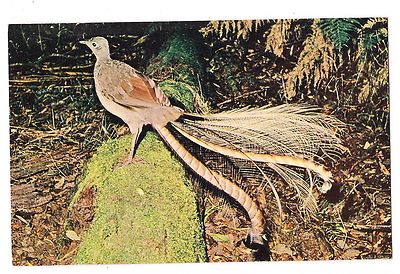
Credit: www.ebay.com
Tips For Birdwatchers To Identify Loud Calls
Birds make many sounds, some very loud and unusual. Some calls sound like a chainsaw running in the forest. These sounds help birds find mates or mark territory.
Birdwatchers can learn to recognize these loud calls to spot rare birds. Listening carefully and knowing when to listen helps find these sounds.
Recognizing Chainsaw-like Sounds
Some birds make harsh, buzzing sounds like a chainsaw. These calls are usually rapid and loud. They can last a few seconds or more.
Look for sounds with a steady, mechanical buzzing or rattling tone. These sounds are often repeated in a pattern.
- Listen for fast buzzing or rasping noises
- Sounds may rise and fall in pitch
- Calls are often loud and clear in quiet forests
- Some woodpeckers and wrens make chainsaw-like sounds
Best Times And Places To Listen
Bird calls are louder in the morning, especially just after sunrise. Birds use this time to communicate and claim territory.
Quiet forests and wooded areas are best to hear loud calls. Avoid windy or noisy places to catch clear sounds.
- Early morning hours, 5 AM to 8 AM
- Quiet, dense forests or woodlands
- Near fallen trees or old logs where birds drum
- During spring and early summer breeding season
Using Technology For Identification
Apps and recorders help capture and identify bird calls. You can compare recordings to bird sound libraries.
Audio analysis software can show sound patterns. This helps find chainsaw-like calls even if you miss them live.
- Use sound recording apps on smartphones
- Compare recordings to online bird call databases
- Use audio spectrograms to see sound patterns
- Join birdwatching groups to share recordings

Credit: www.reddit.com
Frequently Asked Questions
What Bird Sounds Like A Chainsaw?
The bird known as the male Ivory-billed Woodpecker makes a chainsaw-like sound. It produces loud, rapid drumming on trees, resembling a chainsaw's noise. This unique sound helps in communication and territory marking.
Why Does A Bird Sound Like A Chainsaw?
Birds use drumming or repetitive tapping to attract mates or defend territory. The chainsaw-like sound is a rhythmic tapping on wood. It is a natural behavior, not an actual chainsaw noise.
Where Can I Hear A Bird That Sounds Like A Chainsaw?
You can hear these sounds in dense forests, especially where woodpeckers live. The Ivory-billed Woodpecker was found in southeastern U. S. swamps. Some woodpecker species globally exhibit similar drumming sounds.
How Do Birds Produce Chainsaw-like Sounds?
Birds create this sound by rapidly pecking or drumming on tree trunks. Their strong beaks and neck muscles enable fast, repetitive tapping. This rhythmic drumming mimics mechanical noises like a chainsaw.
Conclusion
Birds that sound like chainsaws are rare and fascinating. Their calls can surprise anyone who hears them. Nature’s sounds can be strange and wonderful. These birds show how unique animal noises can be. Next time you hear a loud buzz, think of these birds.
They remind us how wild and diverse life is. Keep listening closely to the sounds around you. You might discover more amazing creatures and their calls. Nature always has something new to offer.