Were you ever woken by a loud bird chirp at night? It feels strange and a bit unsettling.
You might wonder, Why Would a Bird Chirp at Night? Knowing why they do this can change your view. Keep reading to learn surprising facts. They explain why birds break the night silence. You will see what it means for your world.
Bird Chirping Times
Birds use chirps to share many things. Chirping shows their territory. It helps attract mates. It also warns of danger.
Most birds chirp during the day. But some chirp at night too. Let’s see why this happens.
Day Vs. Night Chirps
Day chirping is common and loud. Birds sing to mark their space. They seek mates in daylight.
Night chirping is quieter and less common. Some birds sing at night to cut competition. They signal in the low light.
-
Day chirping marks land and attracts mates.
-
Night chirping can signal safety or find a mate.
-
Some birds use night sounds for their mates.
-
Night noise is often softer and less frequent.
Birds That Chirp at Night
Not all birds chirp after dark. Some species are known for night songs. They use quiet hours to communicate.

Credit: www.yahoo.com
Outside Causes
Birds chirp at night for outside reasons. These triggers affect their actions after dark.
Understanding this helps explain the singing. Why do some birds sing when others sleep? Light and weather are key factors.
Artificial Light’s Impact
Street lamps and building lights confuse birds. They make night seem like day. This causes the birds to chirp.
-
Light messes up birds’ natural sleep.
-
Bright spots cause more night singing.
-
City birds chirp more due to light pollution.
-
Lights can start mating calls at odd times.
Weather and Heat Effects
Changes in heat and weather make birds chirp. Birds act on these changes. They seek food or stay safe.
Talk and Territory
Birds chirp at night to send messages. Night sounds help them talk when quiet.
Chirping also helps birds protect their space. They let others know they own the area.
Mating Calls at Night
Some birds sing at night to find a mate. Their calls show they are ready to breed.
Night singing is heard better when calm. This helps males attract females.
-
Males sing loudly to show strength.
-
Calls help females pick the best mate.
-
Night calls mean less competition noise.
Land Defense
Birds chirp at night to guard their land. They tell other birds to leave.
These sounds clearly mark their territory. They stop fights by showing ownership.
-
Chirps signal active presence.
-
Night calls help keep rivals away.
-
Territorial sounds protect nests and food.
Predator Warnings
Birds chirp at night to warn others of danger. These sounds keep the group safe from predators.
Warning calls are vital. Many threats come at night. Chirping helps them avoid harm.
Warning Calls
Birds use special calls when danger is near. These calls are loud and sharp. They get attention fast.
Different calls mean different risks. Some sounds tell birds to hide. Others mean to fly away fast.
-
High-pitched chirps signal quick danger.
-
Repeated calls warn the whole flock.
-
Calls can sometimes scare predators off.
Night Predator Activity
Many predators hunt when it’s dark. Owls and cats are two examples. Birds chirp to warn each other.
Night sounds help birds stay aware. They can’t see well. Chirping is like an alarm system. It keeps them safe.
-
Night hunters move quietly.
-
Bird calls show where the danger is.
-
Chirping helps birds stay safe at night.
Broken Sleep Cycles
Birds rest at night and chirp by day. Sometimes, they chirp at night due to poor sleep. Their natural sleep gets disturbed.
Broken sleep makes birds stressed. They feel tired. This hurts their health and actions over time.
Human Noise Trouble
Human noise wakes birds at night. Cars, music, and talking confuse them. They chirp to warn others.
Many birds live near busy spots. Loud noises stop good rest. This makes them active at night.
City Effects
City areas have bright lights. These change the natural night and day. Birds see the light and think it’s day. So they chirp.
Buildings and roads cut safe resting spots. Birds must stay alert. They make noise to protect themselves.

Credit: mysticsclarity.com
Seasonal Effects
Birds change their actions with the seasons. Night chirping is one change. It happens due to natural changes outside.
Knowing why birds chirp at night helps us. We learn about their life cycles. Seasons are a big part of this.
Breeding Time Changes
Birds talk more when breeding. Males sing at night to find mates. They mark their territory. Chirping at night helps them stand out.
-
Night chirping shows readiness to breed.
-
It warns other males to stay away.
-
It helps females find strong mates.
Moving and Rest Stops
Migrating birds may chirp at night when they rest. Night chirping keeps groups together. It alerts others to safe spots. It also cuts stress after long flights.
Health and Stress Issues
Birds often chirp at night from stress or health trouble. These issues hurt their actions. They cause strange sounds.
Knowing why birds chirp helps us care for them. We can reduce their discomfort.
Illness Effect
Sick birds may chirp at night. They feel weak or hurt. Illness changes their normal routine. It makes them talk more.
-
Lung issues cause noise and pain.
-
Parasites make birds restless and talkative.
-
Injuries cause stress sounds at night.
-
Long-term sickness breaks sleep and causes chirping.
Stress-induced Chirping
Stress is a common cause of night chirping. Noise or changes in the area make them worried.
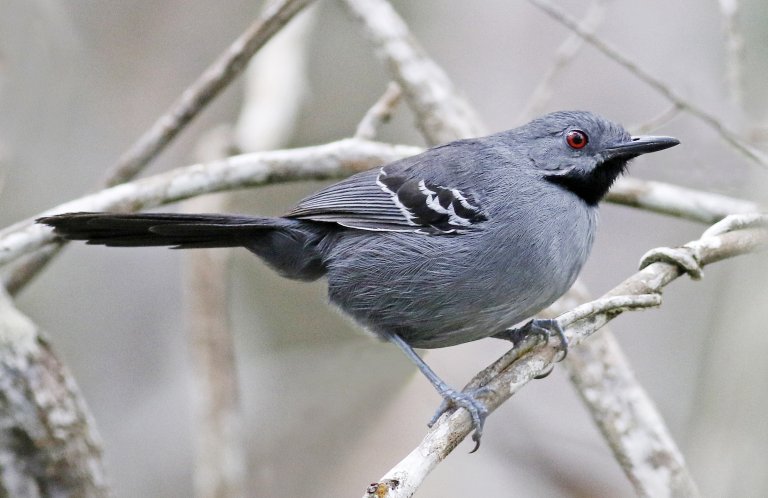
Credit: abcbirds.org
Frequently Asked Questions
Why Do Birds Chirp At Night Sometimes?
Birds chirp at night for three main reasons. They communicate, defend land, or make mating calls. Lights or stress also cause chirping.
Which Birds Are Known For Nighttime Chirping?
Owls, nightingales, and some mockingbirds chirp at night. They use these sounds to mark land or attract mates.
Does Artificial Light Cause Birds To Chirp At Night?
Yes. Man-made light confuses birds. It makes them active when dark. This causes unusual nighttime chirping.
Is Nighttime Chirping A Sign Of Bird Distress?
Yes, it can be. Night chirping sometimes signals stress or fear. Danger or environment changes can trigger this alert.
Conclusion
Birds chirping at night may seem odd. Yet, it is often normal. Some birds sing due to light or noise. Others mark their territory. Night chirping is more common in cities. It is puzzling and always fascinating.
These sounds make our nights richer. They show us nature’s wonders. Knowing why they chirp helps us value them. Next time you hear a night bird, pause. Just listen. It is nature speaking. Enjoy the song they bring.