Have you ever been lying in bed, trying to fall asleep, when suddenly a clear whistle breaks the quiet of the night? That mysterious sound can make you wonder: what bird is making that whistle at this hour?
If you’ve been curious about those nighttime tunes, you’re not alone. Understanding which bird is behind that whistle can change how you experience your surroundings after dark. Keep reading, and you’ll discover the surprising answer and learn what makes these birds sing when the world is asleep.
Nighttime Bird Calls
Many birds make sounds at night to communicate or mark their territory. These calls can be whistles, hoots, or other noises. Listening to these sounds helps us learn about different bird species.
One common question is, what bird makes a whistle sound at night? Several birds use whistles in their calls, especially at night. This guide explains some of these birds and their unique sounds.
Common Night Whistling Birds
Some birds are well known for their whistling calls during the night. Here are a few examples:
- Common Whip-poor-will – makes a clear, repeated whistle sound.
- Eastern Whip-poor-will – known for its fast, sharp whistle.
- Northern Mockingbird – whistles and mimics other sounds at night.
- Wood Thrush – sings a flute-like whistle in the evening.
- American Robin – whistles softly, often heard after sunset.
Why Birds Whistle At Night
Birds whistle at night for different reasons. They might want to attract a mate or warn other birds. Nighttime calls can also mark their territory and keep rivals away.
Some birds are more active at night. Their whistles help them find each other in the dark and stay safe from predators.
Identifying Nighttime Bird Whistles
Listening closely to whistles can help identify the bird. Different species have unique patterns and tones. Here is a simple table to compare common night whistle birds and their sounds.
| Bird | Whistle Sound | Time Heard |
| Common Whip-poor-will | “Whip-poor-will” repeated | After sunset |
| Easter Whip-poor-will | Fast, sharp whistles | Twilight |
| Northern Mockingbird | Varied whistles and mimics | Night and day |
| Wood Thrush | Flute-like whistles | Evening |
| American Robin | Soft whistles | Early night |
Tips To Hear Night Whistles
Follow these tips to enjoy bird whistles at night:
- Find a quiet, dark place outside.
- Listen carefully just after sunset.
- Use a flashlight with red light to avoid disturbing birds.
- Record sounds to identify them later.
- Learn common bird calls from apps or guides.
Credit: abcbirds.org
Common Whistling Birds
Many birds make whistling sounds at night. These sounds help them communicate. Some birds use whistles to mark territory or attract mates.
Here are some common birds known for their whistling calls during the night. They belong to different groups like owls, nightingales, and thrushes.
Owls
Owls are famous for their hooting, but some owls also produce clear whistles. These sounds can be sharp and high-pitched. They use whistles to communicate with mates or warn others.
- The Eastern Screech Owl whistles in a rising or falling tone.
- The Northern Saw-whet Owl has a repetitive whistle sound.
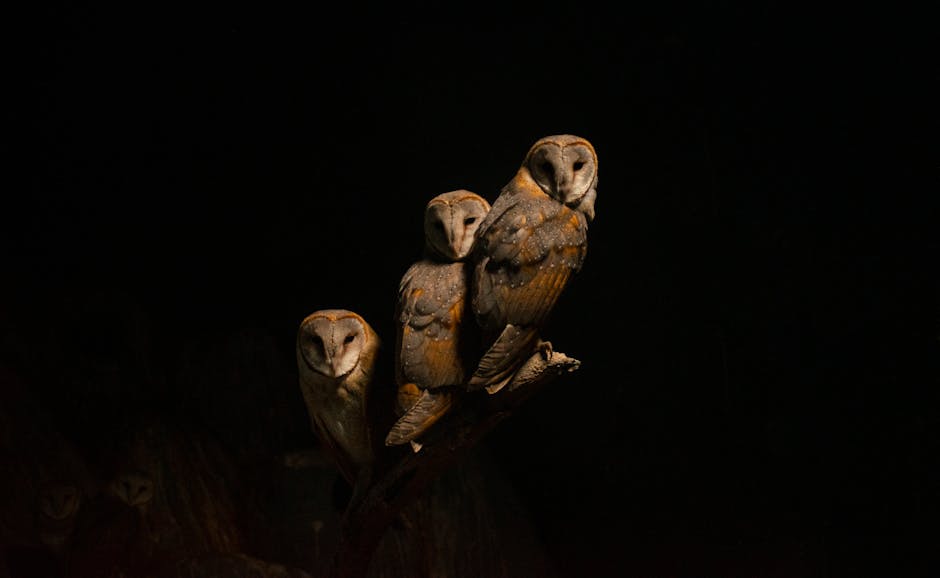
- Some barn owls make soft whistles to signal their presence.
Nightingales
Nightingales are known for their beautiful and complex songs. Their whistles are clear and sweet. These birds often sing at night to defend their territory or attract mates.
| Type | Whistle Description |
|---|---|
| Common Nightingale | Soft, melodious whistles mixed with trills |
| Thrush Nightingale | Sharp, flute-like whistles repeated in patterns |
Thrushes
Thrushes often sing at dawn and dusk. Their whistles are clear and musical. Many species have a variety of whistle notes that they repeat to communicate.
Here are some common thrushes that whistle at night:
- Song Thrush – whistles several short phrases
- Wood Thrush – clear, flute-like whistling tones
- Hermit Thrush – soft, ethereal whistles that echo
Identifying The Whistle
Many birds make whistle sounds at night. These sounds help us know which bird is calling. Listening carefully can reveal important clues.
Different birds have unique whistles. We can identify them by tone, pattern, and how long they last. Let’s explore these features.
Tone And Pitch
The tone is the quality of the whistle sound. Pitch is how high or low the whistle is. Some birds have sharp, high-pitched whistles. Others have soft, low-pitched calls.
- High-pitched whistles often come from small birds like the Eastern Whip-poor-will.
- Medium pitch is common in owls like the Barred Owl.
- Low-pitched whistles may be made by larger birds such as nightjars.
Pattern And Repetition
Bird whistles often follow a pattern. Some repeat the same note many times. Others change notes in a sequence. Recognizing these patterns helps identify the bird.
| Bird Species | Whistle Pattern | Repetition Rate |
| Eastern Whip-poor-will | Repeated “whip-poor-will” notes | Steady, every 2 seconds |
| Barred Owl | Four-note “Who cooks for you” | Every 4 to 6 seconds |
| Northern Mockingbird | Varied whistle phrases | Irregular repetition |
Duration And Volume
Duration means how long each whistle lasts. Volume is how loud the whistle sounds. These help tell birds apart, especially at night.
- Long whistles may come from nightjars and owls.
- Short, sharp whistles often belong to small songbirds.
- Loud whistles can travel far, used to mark territory.
- Soft whistles may mean the bird is nearby but hidden.

Credit: www.yahoo.com
Reasons For Night Whistling
Many birds make whistling sounds at night. These sounds serve different purposes for their survival and life.
Understanding why birds whistle at night helps us learn about their behavior and needs.
Communication
Birds use whistles to talk to each other in the dark. Night sounds help them stay in touch when they cannot see well.
These calls can warn about danger or share information about food and safe places.
Territorial Claims
Whistling at night helps birds mark their space. It tells other birds to stay away from their area.
By whistling, birds protect their home and resources from intruders, especially during breeding season.
Mating Calls
Night whistles can attract a mate. Birds use special sounds to show they are ready to pair up.
These calls help birds find partners and start families in the quiet of the night.
Where To Hear Night Whistles
Many birds make whistle sounds at night. These sounds help them communicate or mark their territory.
You can hear these night whistles in different places, such as cities, forests, and wetlands.
Urban Areas
Some birds live in cities and towns. They often whistle at night to find mates or warn others.
Common urban whistle birds include the Northern Mockingbird and the Eastern Whip-poor-will.
- Listen near streetlights and parks
- Check quiet backyards or gardens
- Near old buildings with trees
Forests And Woodlands
Forests are full of birds that whistle at night. These sounds help birds stay safe and find each other.
Whistling birds here include the Wood Thrush and some species of owls.
- Listen near clearings or trails
- Focus on quiet, dense tree areas
- Early night is the best time
Wetlands
Wetlands attract birds that whistle to mark their space. The sound travels well over water.
Look for birds like the Marsh Wren or the Sora that make night whistles in these places.
- Listen near reeds and water edges
- Try quiet spots away from roads
- Nighttime hours are best
Tips For Bird Listening At Night
Many birds make whistle sounds at night. These sounds help birds find mates or mark their territory. Listening to them can be a fun way to enjoy nature.
Night bird listening requires some planning. You need to pick good times and use the right tools. Staying safe is also very important.
Best Times
Night birds often sing at dusk or just before dawn. These are the best times to hear their whistles. The quiet of night helps you hear better.
Try to listen on clear, calm nights. Wind and rain make it hard to hear bird sounds. Also, avoid nights with a full moon to spot nocturnal birds better.
- Dusk and dawn are prime listening times
- Choose calm, clear weather
- Avoid nights with strong wind or rain
- New moon nights are best for spotting
Equipment To Use
A good pair of binoculars helps you see birds in low light. A flashlight with a red filter keeps your eyes adjusted to the dark. A recording device can capture bird sounds for later.
Using a bird guidebook or app can help you identify the sounds you hear. Wearing comfortable clothes and boots prepares you for walking in nature at night.
- Binoculars for spotting birds
- Red-filter flashlight to protect night vision
- Sound recorder for capturing calls
- Bird guidebook or identification app
- Comfortable clothing and sturdy boots
Safety Precautions
Always tell someone where you are going. Bring a phone and a first aid kit. Stay on marked trails to avoid getting lost or hurt.
Watch out for wildlife and insects. Wear bug spray and check for ticks after your trip. Avoid loud noises to keep the birds calm and nearby.
- Inform someone about your plans
- Carry a phone and first aid kit
- Stay on marked trails
- Use bug spray and check for ticks
- Keep noise low to avoid scaring birds
.JPG)
Credit: www.star-telegram.com
Frequently Asked Questions
What Bird Makes A Whistling Sound At Night?
The common nightingale and some species of owls make whistling sounds at night. These birds use whistles for communication and mating calls.
Why Do Birds Whistle During Nighttime?
Birds whistle at night mainly to mark territory and attract mates. Nighttime whistles help them communicate when fewer sounds compete.
How Can I Identify A Bird By Its Whistle?
Listen carefully to pitch, rhythm, and repetition of the whistle. Use bird sound apps or guides to match the call accurately.
Are Night-whistling Birds Dangerous?
No, birds that whistle at night are generally harmless. Their whistles are natural behaviors for communication and do not indicate danger.
Conclusion
Birds that whistle at night bring magic to the darkness. Their songs fascinate and intrigue many listeners. The Northern Mockingbird, Eastern Whip-poor-will, and Common Nightingale are popular night whistlers. Each has its unique sound. Learning about these birds enriches our nighttime experience.
Their melodies can soothe or spark curiosity. Next time you hear a whistle in the night, remember these birds. Listen closely. Appreciate the beauty in their songs. Nature's night music offers a world of discovery. Keep exploring and enjoy the nocturnal concert.
These whistling birds add wonder to our nights.