Have you ever stopped when you heard a beautiful whistle echoing? That enchanting sound can make you pause. It fills you with curiosity and wonder.
You are not alone if you wonder what bird makes a whistling sound. Imagine walking through a park or your own yard. Suddenly, that familiar whistle cuts the air. It brings a smile right to your face.
You naturally wonder, “What bird makes that beautiful whistling sound?” This post uncovers the mystery of this sound. It shows the fascinating bird responsible. Stick around to learn about this captivating creature. You may even spot one in your neighborhood.
Common Whistling Birds
Many birds make whistling sounds. These sounds help them talk to each other. Whistling means different things for birds.
Some birds whistle to find a mate. Others use whistles to mark their space. We will explore common birds known for their whistling calls.
Songbirds Whistle Clearly
Songbirds often produce clear whistling notes. These birds sing complex melodies with their songs. Many people truly love hearing their tunes.
American Robin whistles a sweet, clear song.
Eastern Meadowlark is known for its loud, melodic whistles.
Common Nightingale is famous for rich whistling phrases.
Black-capped Chickadee uses whistling calls to talk.
White-throated Sparrow sings clear, whistle-like sounds.
Waterfowl Whistles
Waterfowl, like geese and ducks, whistle too. These calls help the birds stay connected. This is true while they fly or when they eat.
Hawks and Eagles Also Whistle
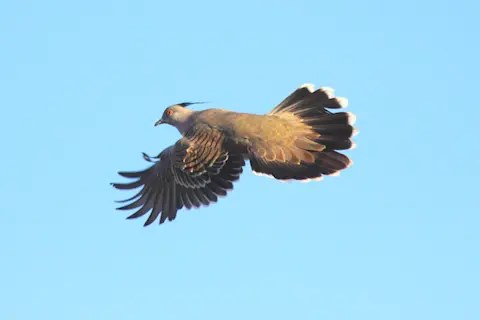
Some raptors use whistles as a signal. These calls warn other birds or mark their space. Their whistles sound sharp and very clear.
Red-tailed Hawk lets out a loud, descending whistle.
American Kestrel uses high-pitched whistle calls.
Osprey uses a sharp, clear whistle to talk.
Swainson’s Hawk produces a short whistling sound.
Credit: www.discovermagazine.com
Unique Whistling Styles
Many birds make whistling sounds to talk. Every bird has its own whistling style. These sounds help birds find mates or warn others.
Whistling changes in speed, rhythm, and tone. Learning these sounds helps us understand bird behavior.
Melodic Tunes
Some birds use soft, musical whistles. These melodic sounds are often long and clear. They attract mates. They also mark the bird’s space.
Examples are the wood thrush and the song thrush. Their whistles sound like music played on a flute.
Tones are clear and smooth.
They often repeat in a set pattern.
Birds use them mostly when mating.
Alarm Signals
Alarm whistles are fast and sharp. Birds use them to warn others about danger. These whistles sound urgent and loud.
The black-capped chickadee is known for its alarm calls. It changes the sound to show different threats.
Pitches are high and calls are fast.
They are short bursts or calls that repeat.
They keep birds safe from predators.
Copycat Whistles
Some birds copy sounds from objects or other animals. These mimics use whistles to impress or confuse others. They mix their own calls with copied sounds.
The northern mockingbird is famous for copying whistles. It can mimic other birds, frogs, and machine sounds.
The sounds are complex and varied.
They attract mates or defend a space.
This shows the bird’s learning ability.
Where Whistling Birds Live
Whistling birds are known for their clear, musical calls. These sounds help them talk and mark their space. Different types live in many habitats.
Their actions change based on where they live. Some prefer deep forests. Others live well near people or during travel.
Forest Whistlers
Forest whistlers live in tall trees and thick woods. They whistle to stay in touch with mates. They also warn of danger. These birds are often shy and hard to find.
They prefer thick leaves for making nests.
They call mostly at sunset and sunrise.
They eat small fruits and insects.
Whistles mark their living space.
Urban Whistlers
Urban whistlers easily adjust to city life. They live in parks, gardens, and near buildings. Their whistles are louder. This helps them compete with city noise.
Traveling Whistling Birds
Migratory whistling birds fly very long distances. They whistle to keep their group together while flying. These birds rest in open fields and wet areas.
Key actions for migratory whistlers include:
Traveling in groups for safety.
Using whistles to guide and alert others.
Resting in safe, open areas.
Changing calls in different places.

Credit: www.youtube.com
How Birds Whistle
Birds make whistling sounds using the syrinx. This is a special body part. This sound helps them find a mate and talk. Different birds use varied methods to make these sounds.
Understanding how birds whistle gives us insight into their science and behavior. The process involves technique, body parts, and species differences.
The Bird’s Voice Box
The syrinx is the bird’s vocal organ. It sits at the bottom of the windpipe. It splits into two tubes called bronchi. This spot helps birds control sound better than other animals.
The syrinx has two sides. Each side has its own membranes and muscles.
Birds can use one or both sides to make sounds.
Muscles adjust membrane tightness to change pitch.
Air vibrates these membranes as it passes through. This creates the sound.
- The Cornell Lab of Ornithology explains the syrinx’s role in complex vocalizations: “The syrinx is unique because it allows birds to produce two completely separate sound frequencies at once, often creating a harmony or counterpoint within a single song. This is why some bird calls, particularly clear whistles, can sound so rich and perfectly timed.“
Whistling Techniques
Birds use many techniques to make whistles. They change muscle tension, air pressure, and mouth shape. These actions affect how clear the whistle sounds.
Differences Between Birds
Different bird types whistle in their own way. Some make simple notes. Others make complex tunes. These differences depend on learned actions and syrinx structure.
Here are examples of birds and their whistling styles:
Canary: Whistles are clear and melodic.
Mockingbird: It copies many sounds, including whistles.
Goldfinch: Whistles are soft and rising.
Whip-poor-will: Whistles are repetitive and sharp.
How to Find Whistling Birds
Many birds make whistling sounds. These sounds help you know the bird species nearby. Listen well and watch closely. These are key to spotting whistling birds.
This guide shares helpful tips. They improve your skill in knowing birds by their whistles and looks.
Listen Closely
Focus on the rhythm and tone of the whistle. Each bird has a unique whistle. It repeats in a specific way. Pay attention to the length and pitch of the notes.
Listen for low or high pitches.
Notice if the whistle is long or short.
Try to remember the pattern or rhythm.
Practice listening in quiet spots for better focus.
Look at the Bird
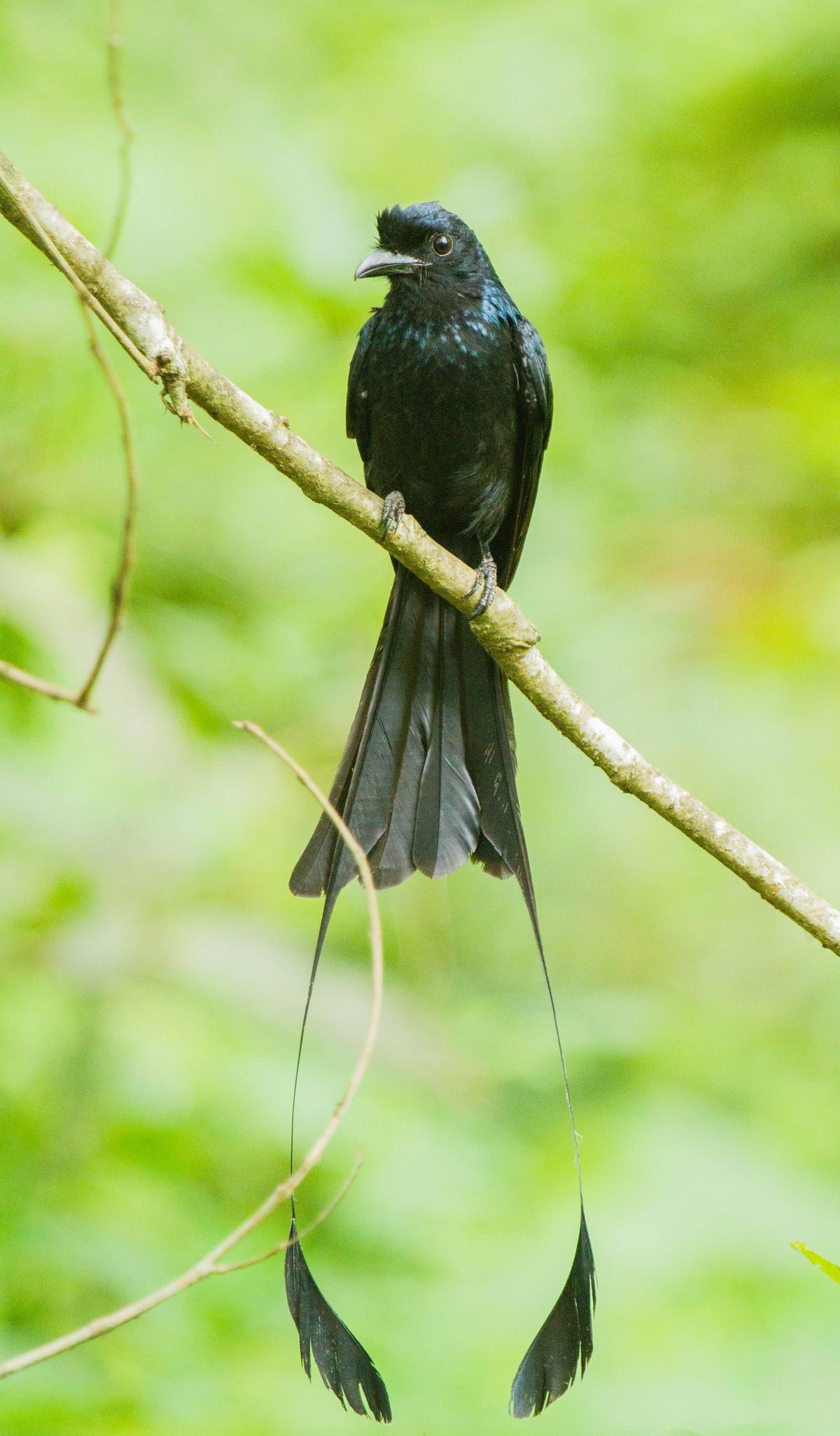
Look at the bird’s shape, size, and color. Some whistling birds have bright colors or clear marks. Watching how they move also helps you know them.
Use Bird Call Apps
Bird call apps help match sounds to bird types. They let you record whistles. Then you compare them to a database. This makes finding birds easier for everyone.
Tips for Using Bird Call Apps:
Choose apps with many bird sounds.
Use clear recordings for better matches.
Listen to sample whistles in the app to practice.
Use the app and outdoor watching together.
Credit: www.thehindu.com
Frequently Asked Questions
What Bird Is Known For Its Whistling Sound?
The Northern Cardinal is famous for its clear whistling calls. Its melodic sounds are heard often. This happens during summer and spring mornings.
Why Do Birds Make Whistling Sounds?
Birds whistle to talk, find mates, and mark space. Whistling helps them send clear messages over long distances.
Can Multiple Bird Species Whistle?
Yes, many birds whistle. Finches, thrushes, and warblers all whistle. Each bird has a unique whistle pattern for others to know.
How Can I Identify A Bird By Its Whistle?
Listen for pitch, repetition, and rhythm. Use bird guides or apps. This helps you match the whistle with the correct bird.
Conclusion
Many birds whistle to talk or find a mate. Robins, thrushes, and sparrows are common whistlers. Each bird’s whistle is unique. It is easy to know with practice. Listening closely helps you enjoy nature more. Next time you hear a whistle, try to find the bird.
It is a simple way to connect with the world nearby. Keep exploring. Enjoy the beautiful songs birds share every day.