
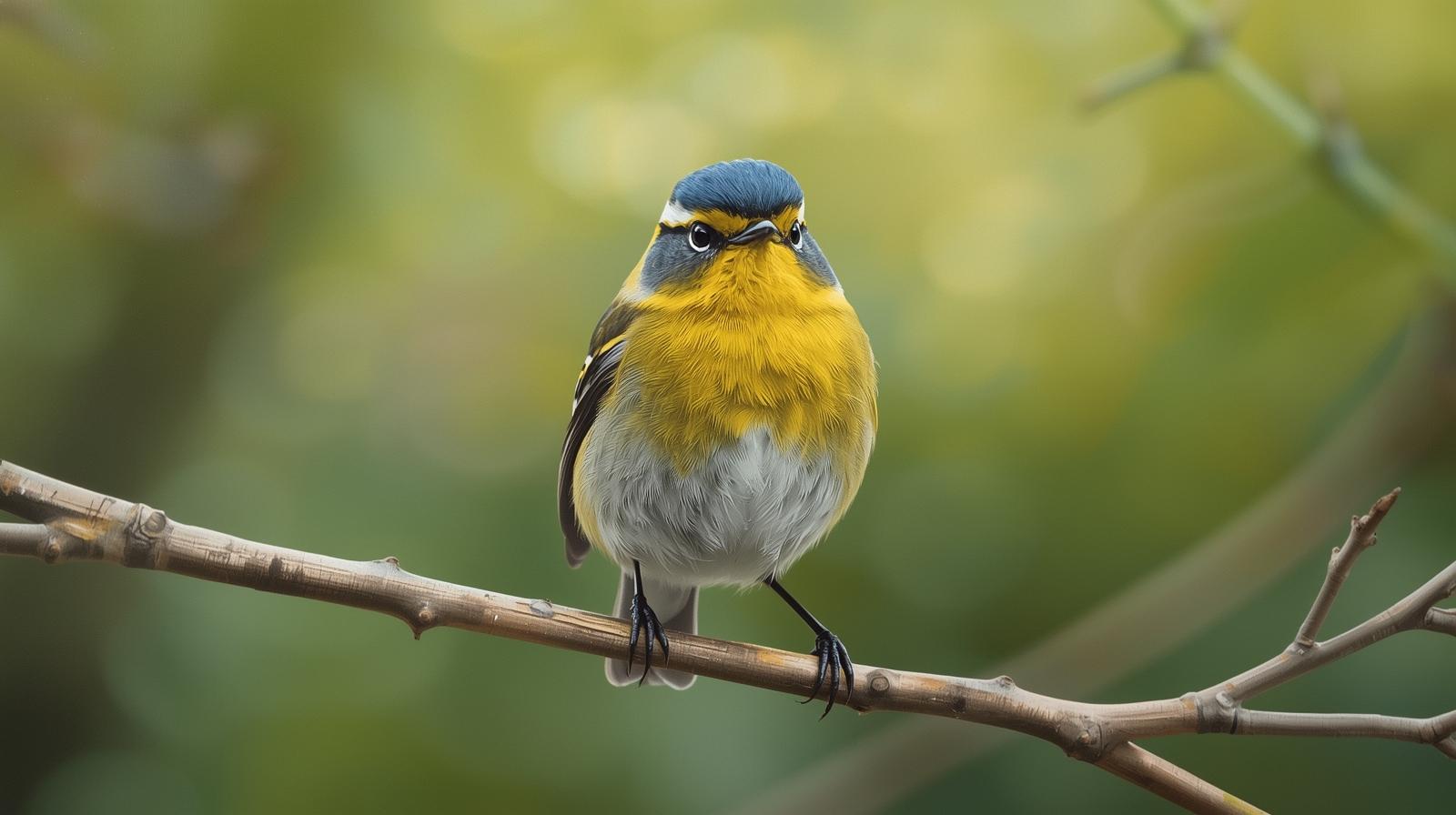
What is a Warbler Bird? Ever hear a sweet melody drifting through the trees? You wonder which bird is singing. That lovely sound might be a warbler bird.
These tiny, colorful birds have beautiful songs. They act in funny ways too. Keep reading to see why bird lovers like them so much. By the end, you will see warblers differently. You might even spot one yourself.
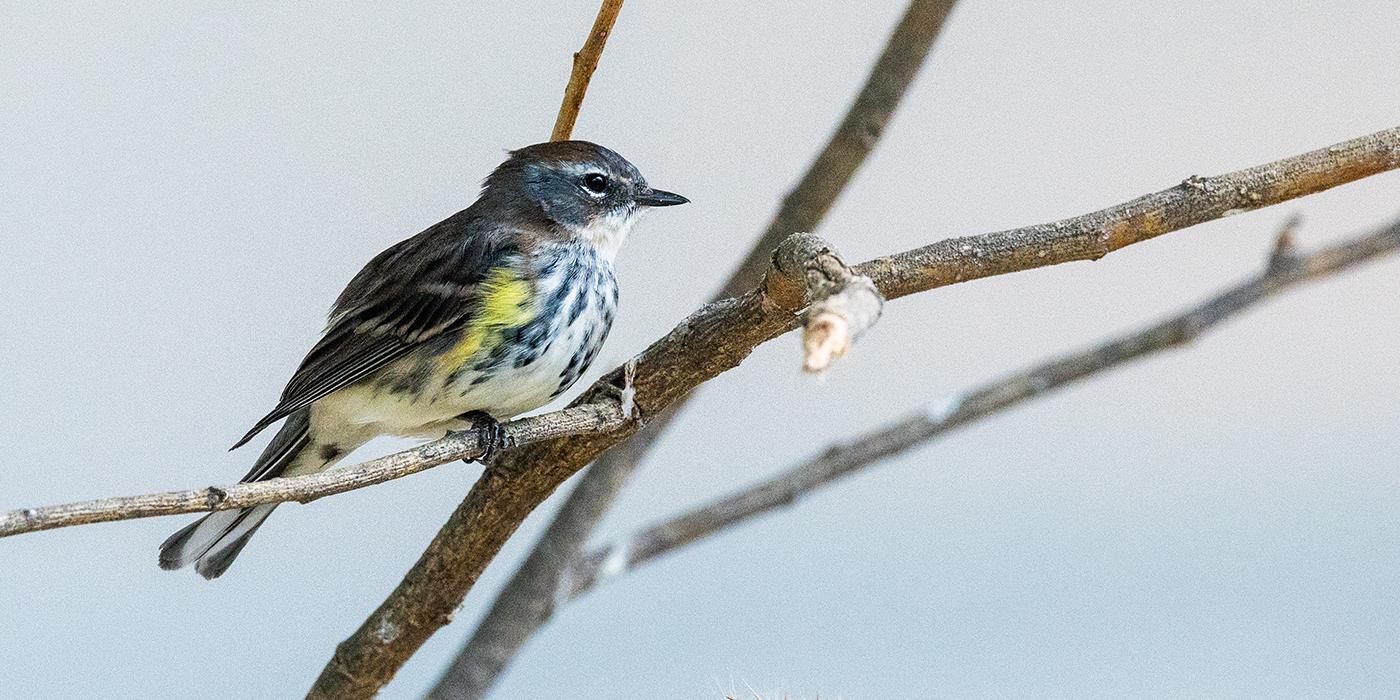
Credit: nationalzoo.si.edu
Warbler Bird Basics
Warblers are tiny birds. We know them for bright colors and songs. They fit into a big family with many types.
You find them in forests, gardens, and wet areas. People love watching them move fast. We also love listening to their tunes.
Physical Characteristics
Warblers are small birds. They usually measure 4 to 6 inches long. Their thin, sharp beaks catch insects easily.
Their feathers look bright or dull. Many show yellow, green, or brown colors. Males usually look brighter than females.
-
Small size, 4 to 6 inches
-
Thin, sharp beak
-
Bright or dull colors like yellow and green
-
Males look brighter than females
Habitat And Range
Warblers live all over the world. They like forests and bushy areas. Gardens with trees work well too.
Some warblers travel long distances during bird migration patterns. They leave north breeding spots. They go to warmer southern places in winter.
-
Found worldwide, mostly in forests
-
Live in shrubs and wetlands too
-
Many types migrate every season
-
Travel to warmer spots in winter
Diet And Feeding Habits
Warblers mostly eat insects and spiders. They catch bugs on branches. Sometimes they catch them in the air.
Trust the Science:
A warbler weighs only 10 grams. That is like two nickels! They must eat almost their own body weight in bugs every day. When you see them hopping fast, they are burning fuel. This is why garden chemicals are bad. They kill the “high-octane” food these tiny athletes need to fly 3,000 miles.
Some warblers eat fruit and nectar too. Their diet changes with the seasons. It depends on what food is around.
-
Mainly eat insects and spiders
-
Catch food by hopping or flying
-
Sometimes eat fruit and nectar
-
Diet changes with seasons
Types Of Warblers
Warblers are small songbirds found everywhere. They fit into groups based on where they live.
Authority Insight: Birds in the Americas and birds in Europe look alike, but they are not close cousins. Nature designed them the same way to do the same job. This is called “convergent evolution.” They are actually from completely different bird families!
This article explains the main types and common backyard birds. It also lists some cool species. There are many interesting warbler bird facts regarding their diversity.
New World Warblers
New World warblers live in the Americas. They show off bright colors and clear songs. These birds like woods and brushy spots.
-
They move fast through trees.
-
Many fly far away when seasons change.
-
Examples are the Yellow Warbler.
Old World Warblers
Old World warblers live in Europe, Asia, and Africa. They look smaller and duller than American ones. These birds live in grass and gardens.
| Species | Habitat | Region |
| Common Whitethroat | Scrub and hedgerows | Europe |
| Chiffchaff | Woodlands | Europe and Asia |
| Reed Warbler | Wetlands | Europe and Africa |
Notable Species
Some warblers stand out. They have unique colors or habits. Bird watchers and scientists love these types.
-
Prothonotary Warbler: Bright yellow. Found near water in North America.
-
Siberian Rubythroat: Has a red throat patch. It lives in Asia.
-
Golden-spectacled Warbler: Has cool eye marks. Native to China.
Warbler Behavior
Warblers are active little birds. They possess a lot of energy. Watch them zip through trees and shrubs.
Knowing how they act helps us. Bird watchers learn about their lives this way.
Migration Patterns
Warblers fly far during migration seasons. They leave breeding spots for warmer homes.
This usually happens in spring and fall. They use the sun and landmarks to guide them.
-
Many fly at night to stay safe
-
They stop to rest and eat
-
Some travel thousands of miles yearly
Breeding And Nesting
Warblers build tiny nests in bushes or trees. They hide nests to protect eggs and chicks.
Both parents help with the babies. They feed chicks until they can fly.
-
Nests use grass, leaves, and webs
-
Females lay 3 to 6 eggs
-
Sitting on eggs lasts two weeks
Song And Communication
Warblers use songs to talk to others. Males sing to find a mate. They also sing to claim their space.
Songs sound fast and tricky. Different types have their own unique sounds.
-
Songs warn others of danger
-
Calls send short messages
-
Young birds learn songs from parents

Credit: travisaudubon.org
Warblers In Ecosystems
Warblers live in many parts of the world. They do important jobs in their homes.
These birds keep nature balanced. They fit into food chains and help other animals.
Role In Food Chains
Warblers eat insects and some small fruits. Bigger animals like hawks eat them. This makes them the middle of the food chain.
-
Warblers eat insects and spiders.
-
Bigger birds eat warblers.
-
They move energy through the chain.
Impact On Insect Populations
Warblers eat lots of bugs. This controls bug numbers. Fewer bugs mean healthier plants.
| Insect Type | Effect of Warbler Feeding |
| Aphids | Lower numbers, less plant damage |
| Mosquitoes | Fewer bugs, fewer bites |
| Caterpillars | Slows growth, protects trees |
Interactions With Other Species
Warblers share homes with many animals. They fight for food sometimes. They also help by spreading seeds.
-
Common interactions: Fight other small birds for bugs.
-
Help plants by pooping out seeds.
-
Warn others of predators with calls.
Conservation Challenges
Warbler birds face many challenges that threaten their survival. These small birds need safe places to live and breed.
Conservation efforts work to protect warblers and their habitats. Understanding the threats helps us support these efforts.
Threats To Warbler Populations
Warblers lose homes when we cut forests. Pollution hurts their food sources too.
Predators and new species reduce their numbers. Migration is also dangerous for them.
-
Habitat loss from logging
-
Pollution hurts the insects they eat
-
Climate change shifts breeding times
-
Cats and snakes eat them
-
Risks during long flights
Conservation Efforts
Groups plant trees to save warbler homes. They also count birds to check their health.
Some plans fix pollution issues. Many efforts help keep migration paths safe.
-
Planting trees to fix habitats
-
Cleaning up dirty places
-
Stopping invasive animals
-
Studying bird health numbers
-
Protecting rest stops during travel
How To Help Warblers
Plant native trees and shrubs in your yard. These give food and shelter to warblers.
Keep cats inside to save birds. Don’t use sprays that kill insects.
-
Make gardens with local plants
-
Keep pets inside or watch them
-
Use fewer chemicals in gardens
-
Join local bird groups
-
Share facts about warblers
Spotting Warblers
Warblers are small, colorful birds found in many places. They are active and fast, making them fun to watch.
Spotting warblers needs patience and a good eye. Knowing where and when to look helps a lot.
Expert Tip: Pro birders talk about “Warbler Neck.” This happens because warblers stay at the very top of trees. You have to look straight up for a long time! To fix this, stand on a hill. Being at eye level with the treetops makes it much easier to see them.
Best Locations
Warblers live in forests and parks. They like spots with lots of trees.
Look near water like lakes too. Warblers find food and shelter there.
-
Woods with thick trees
-
Bushy areas and thickets
-
Wetlands and river edges
-
City parks with plants
Identification Tips
Warblers are small and bright. Look for yellow, green, and orange. They hop quickly among leaves.
Listen for their songs. Each type has a unique sound.
-
Look for bright wings and bellies
-
Note small size and thin beak
-
Watch for quick, shaky movements
-
Learn common songs and calls
Timing And Seasons
You see them mostly in spring and fall. They travel to warm places for winter.
Early morning is the best time. They are active and sing at dawn.
-
Spring: March to May
-
Fall: August to October
-
Best time: Early morning
-
Summer: Look near breeding spots

Credit: www.sacramentoaudubon.org
Frequently Asked Questions
What Is a Warbler Bird?
A warbler is a tiny songbird. You find them all over the world. They sing sweet songs and live in woods. They mostly eat bugs.
Where Do Warbler Birds Live?
Warblers live in many spots. You see them in woods, shrubs, and wetlands. Many travel far when seasons change.
What Do Warbler Birds Eat?
Warblers mostly eat insects and spiders. Some eat berries too. Their diet changes based on the season. This gives them energy to sing.
How Can I Identify a Warbler Bird?
Look for small, thin birds. They have bright feathers. Listen for complex songs and watch for fast hops. Check color patterns to know which is which.
Conclusion
Warbler birds are cool creatures. They have bright colors and sweet songs. They do well in forests and gardens. These small birds help nature by eating bugs. Bird lovers love their beauty.
Watching warblers is a fun hobby. Their travel habits are amazing. Each type has something special. Whether you love nature or birds, warblers are great. Knowing them makes us love nature more.
Go outside and find some warblers.



