Have you noticed your bird acting restless or scratching more than usual? Parasites could be the hidden cause behind your feathered friend's discomfort.
Knowing if your bird has parasites is crucial—not just for their health but for your peace of mind. You’ll discover clear signs to watch for and simple steps to take. Keep reading to protect your bird and ensure they stay happy and healthy.
Common Bird Parasites
Birds can get parasites that harm their health. Parasites live on or inside birds. They may cause itching, weight loss, or sickness.
Knowing about common parasites helps you spot problems early. This guide covers types of external and internal parasites found in birds.
Types Of External Parasites
External parasites live on the bird's skin or feathers. They cause irritation and damage. Here are common external parasites:
- Mites:Tiny insects that cause feather loss and skin inflammation.
- Lice:Small bugs that feed on feathers and skin debris.
- Ticks:Larger parasites that suck blood and spread diseases.
- Fleas:Jumping insects that bite and irritate birds.
External parasites often make birds scratch or pluck feathers. You may see small moving bugs or scabs on their skin.
Types Of Internal Parasites
Internal parasites live inside the bird's body. They may infect the digestive system or organs. Common internal parasites include:
| Parasite Type | Effect on Bird |
| Roundworms | Cause weight loss and poor digestion |
| Tapeworms | Lead to nutrient loss and weakness |
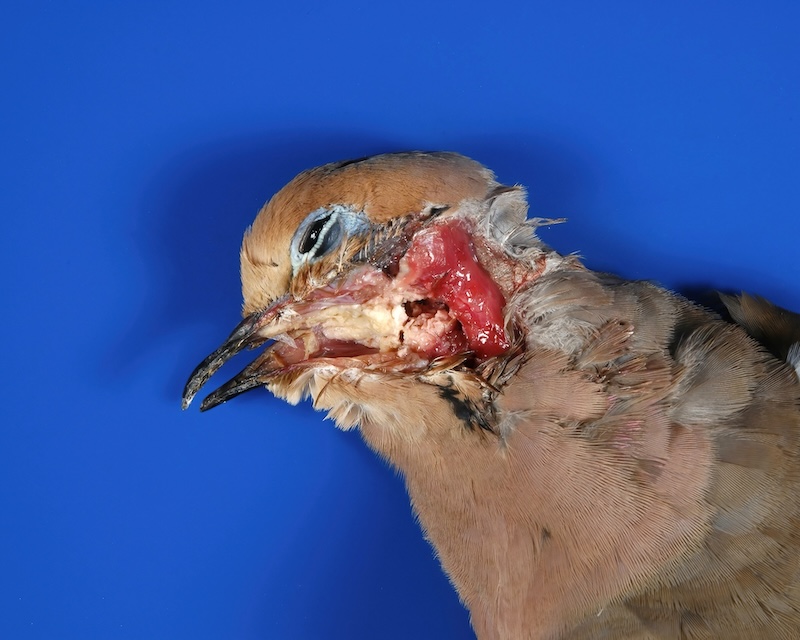
| Gapeworms | Block airways, causing breathing trouble |
| Coccidia | Damage intestines, causing diarrhea |
Birds with internal parasites may have diarrhea, be thin, or act tired. A vet can test and treat these infections.
Credit: www.merckvetmanual.com
Physical Signs On Your Bird
Birds can get parasites that cause health problems. You need to watch for physical signs to spot these parasites early.
Checking your bird’s feathers, skin, and behavior helps you find parasites. Early detection can keep your bird healthy.
Feather Damage And Loss
Parasites often cause feathers to break or fall out. You may see bald patches or thin feathers on your bird.
Birds with parasites may also scratch a lot, which makes feather damage worse. Look for rough or missing feathers.
Visible Mites And Lice
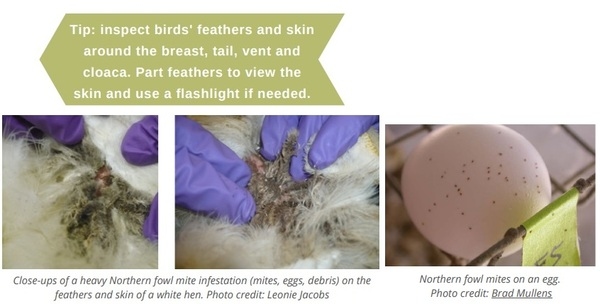
You might see tiny moving dots on your bird’s skin or feathers. These can be mites or lice, common bird parasites.
Check near the base of feathers, under wings, and around the neck. Use a bright light to spot these pests clearly.
- Small white or brown spots
- Fast movement on feathers or skin
- Clusters near feather roots
Skin Irritation And Redness
Parasites can cause your bird’s skin to become red and irritated. You may notice swelling or scabs on the skin.
The bird might rub or scratch the irritated areas often. Skin changes show your bird may have parasites that need treatment.
Behavioral Changes To Watch
Birds with parasites often show changes in behavior. These signs can help you spot a problem early. Watching your bird closely is important for its health.
Parasites affect how your bird feels and acts. Look for unusual behaviors that may mean your bird is uncomfortable or sick.
Increased Scratching And Preening
Birds with parasites scratch and preen more than usual. They try to remove irritants from their feathers and skin. This can cause feather damage and bald spots.
- Frequent scratching of the head and neck
- Excessive preening that leads to broken feathers
- Restlessness and fidgeting in the cage
- Visible skin irritation or redness
Lethargy And Weakness
Parasites can make your bird tired and weak. Your bird may sit quietly and move less than usual. It may also sleep more during the day.
| Behavior | What to Notice |
|---|---|
| Energy levels | Less flying or playing |
| Movement | Slow or unsteady walking |
| Rest | Sleeping more often than normal |
| Alertness | Reduced response to noise or activity |
Changes In Eating Habits
Parasites can affect your bird’s appetite. Your bird may eat less or refuse food. Weight loss can happen quickly if the problem continues.
Watch for these eating habit changes:
- Less interest in food or treats
- Skipping meals or eating smaller amounts
- Drinking more or less water than usual
- Weight loss over several days

Credit: www.atpest.com.au
Droppings And Health Indicators
Birds cannot tell us when they feel sick. Watching their droppings and body signs helps us know if they have parasites.
Parasites can cause changes in a bird’s health. Early signs show in droppings and weight. Look closely at these signs to keep your bird healthy.
Unusual Droppings Color Or Consistency
Normal bird droppings have three parts: solid, white, and liquid. Changes in these parts can mean parasites are present.
Droppings that are very watery, very hard, or have strange colors can be a warning. Parasites affect digestion and cause these changes.
- Green or yellow droppings may show infection
- Very runny droppings can mean diarrhea from parasites
- Black or bloody spots can indicate internal damage
- Unusually smelly droppings might be a sign of illness
Weight Loss And Poor Condition
Parasites take nutrients from birds. This can cause weight loss even if the bird eats well.
Look for a thin body, ruffled feathers, and low energy. These signs mean the bird’s health is weak and may have parasites.
- Noticeable weight loss without diet change
- Dull or fluffed feathers that do not smooth down
- Less active or more tired than usual
- Loss of appetite or changes in eating habits
Preventing Parasite Infestations
Birds can get parasites that harm their health. Preventing these pests helps keep your bird happy and safe. Simple care steps stop parasites from spreading.
Parasites thrive in dirty cages and close contact with infected birds. Using safe treatments and good hygiene keeps your bird free from parasites.
Regular Cage Cleaning
Cleaning your bird’s cage often stops parasite eggs and larvae from growing. Remove waste and old food daily. Wash the cage completely each week.
- Use warm water and mild soap to clean all surfaces.
- Disinfect perches, toys, and feeders regularly.
- Change cage liners or bedding every day.
- Allow the cage to dry fully before putting your bird back.
Quarantine New Birds
New birds may carry parasites without signs. Keep new birds away from others for a few weeks. Watch for signs of parasites before mixing birds.
| Reason | Action |
| Prevent parasite spread | Keep new birds in separate cages |
| Observe health | Check for mites, lice, or worms |
| Use safe treatments if needed | Treat any parasites found before mixing |
| Reduce stress | Keep quarantine area calm and clean |
Use Of Safe Parasite Treatments
Only use parasite treatments made for birds. Follow instructions carefully. Overuse or wrong products can hurt your pet.
Common safe treatments include:
- Bird-safe sprays and powders for mites and lice
- Oral medications for internal parasites
- Natural remedies recommended by vets
Always consult a vet before starting any treatment.

Credit: www.chewy.com
When To Visit The Vet
Birds can get parasites that harm their health. It is important to know when to see a vet. Early care helps your bird stay strong.
Some signs show your bird might have parasites. Watch your bird closely for any changes in behavior or health.
Persistent Symptoms
If your bird shows signs that do not go away, visit the vet. Parasite symptoms can last long and get worse without help.
Look for these symptoms:
- Constant itching or scratching
- Feather loss or damage
- Changes in droppings
- Weight loss or weak body
- Unusual breathing or coughing
Proper Diagnosis And Treatment
The vet will check your bird carefully. They may take samples to find the exact parasite. This helps to choose the right treatment.
Do not give your bird medicine without a vet's advice. The vet will suggest safe and effective treatments based on the diagnosis.
Frequently Asked Questions
How Can I Tell If My Bird Has Parasites?
Look for signs like feather loss, itching, and unusual droppings. Parasites may also cause weight loss and lethargy in birds. Regularly check your bird’s skin and feathers for tiny bugs or eggs. Early detection helps prevent severe health issues.
What Are Common Bird Parasites To Watch For?
Common parasites include mites, lice, and intestinal worms. Mites cause itching and feather damage, lice lead to feather loss, and worms affect digestion. Knowing these parasites helps in timely treatment and better bird care.
Can Parasite Infections In Birds Be Treated At Home?
Some mild infestations can be treated with over-the-counter remedies. However, it’s best to consult a vet for accurate diagnosis and treatment. Improper treatment may worsen the condition or harm your bird.
How Often Should I Check My Bird For Parasites?
Check your bird’s feathers and skin weekly for signs of parasites. Regular inspection helps catch infections early and keeps your bird healthy. Increase checks during seasonal changes or if your bird shows unusual behavior.
Conclusion
Caring for your bird means staying alert to health signs. Parasites can harm your feathered friend. Watch for unusual behavior or appearance changes. Consult a vet if you see symptoms. Quick action ensures your bird stays healthy. Regular check-ups help prevent parasite issues.
Keep their environment clean and stress-free. A healthy diet strengthens their immune system. Your bird depends on you for care. Stay informed and attentive to their needs. With love and care, your bird can thrive.